Disclosure: This post contains affiliate links. We may earn a commission at no extra cost to you.
How to Choose Eye Cream for Sensitive Skin Without Irritation
Have you ever bought an eye cream that promised to brighten and smooth, only to wake up the next morning with red, puffy, stinging eyes? If you have sensitive skin, choosing the wrong eye cream can feel like a gamble—and the delicate skin around your eyes pays the price.
The good news is that you don't have to avoid eye creams altogether. You just need to know what to look for, what to avoid, and how to introduce new products safely. This guide walks you through everything you need to choose an eye cream that supports smoother-looking, less tired-looking eyes without the redness, burning, or irritation.
Understanding Sensitive Eye Area Skin and Common Triggers
The skin around your eyes is thinner and more delicate than the rest of your face. It has fewer oil glands, less collagen support, and a thinner moisture barrier. That makes it more vulnerable to dryness, inflammation, and reaction—especially if you already have sensitive skin.
When you apply the wrong product, irritation can show up fast. You might notice stinging, redness, puffiness, flaking, or even tiny bumps along the lower lash line.
Common triggers include fragrance (both synthetic and natural), essential oils, alcohol denat, strong acids like glycolic or salicylic acid, retinol in high concentrations, and dyes. Even some preservatives can cause reactions in sensitive skin types.
If you've reacted to eye creams before, start paying attention to ingredient lists. Look for patterns—maybe you always react to products with lavender oil, or anything with a strong scent. Knowing your personal triggers helps you shop smarter.
Tired of seeing under-eye lines before you see yourself?
If the tiny creases under your eyes make you look more tired than you feel, this guide shows the simple under-eye routine that helps soften the look of dry lines, crepey texture, and tired skin without guessing or wasting weeks on random products.
Key Ingredients That Won't Irritate Delicate Under Eye Skin
Not all eye cream ingredients are created equal. Some offer real benefits without irritation, while others might sound helpful but cause more harm than good for sensitive skin.
Start with gentle hydrators. Hyaluronic acid is one of the safest and most effective ingredients for plumping and hydrating the under-eye area. It draws moisture into the skin and helps reduce the appearance of fine lines caused by dryness.
Ceramides are another excellent choice. They help repair and strengthen the skin barrier, which is especially important if your skin reacts easily. A stronger barrier means better protection against irritants.

Peptides are generally well-tolerated and can help support smoother-looking skin over time. Look for products with palmitoyl tripeptide or acetyl hexapeptide—these are gentle and designed for the eye area.
Niacinamide is a multitasker that's usually safe for sensitive skin when used in concentrations around 2-5%. It can help with uneven tone, reduce the appearance of puffiness, and support a calmer complexion.
Squalane and jojoba oil are non-irritating emollients that soften and nourish without clogging pores. They're especially helpful if your under-eye area feels tight or flaky.
If you want to use retinol, choose an eye cream specifically formulated for sensitive skin with a low percentage (0.01-0.025%) and encapsulated or time-release technology. Start slowly—once or twice a week—and only at night. If you notice irritation, stop and stick with gentler options.
Avoid anything with fragrance, denatured alcohol, menthol, peppermint, eucalyptus, or citrus oils. These ingredients might feel refreshing, but they can compromise your skin barrier and trigger inflammation.
For a deeper look at building a complete routine that works with sensitive skin, check out this affiliate one resource.
Patch Testing and Safe Application Methods for Sensitive Eyes
Even the gentlest eye cream can cause a reaction if your skin doesn't agree with it. That's why patch testing is non-negotiable for sensitive skin.
Before using a new eye cream on your face, apply a small amount to the inside of your forearm or behind your ear. Wait 24 to 48 hours and watch for redness, itching, or bumps. If nothing happens, you're likely safe to use it around your eyes.
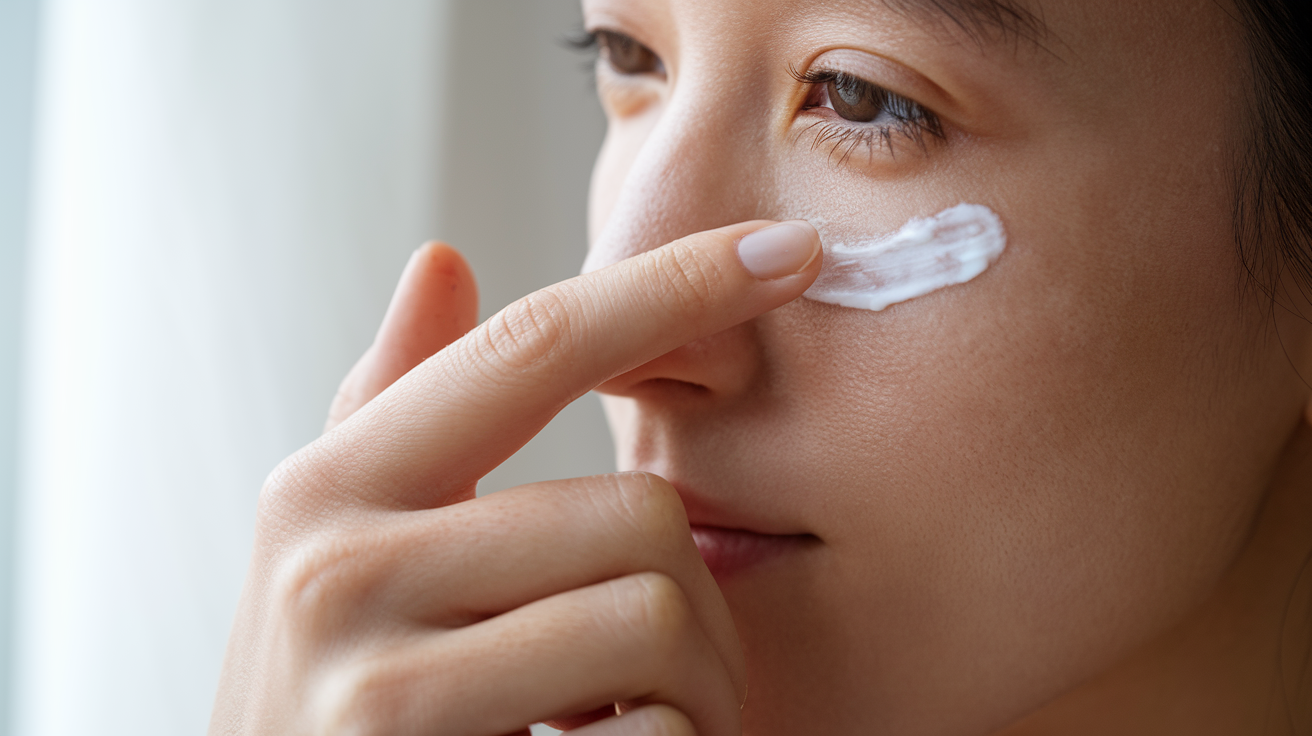
When you're ready to apply the product, use your ring finger—it applies the least pressure. Dot a small amount (about the size of a grain of rice per eye) along the orbital bone, starting from the inner corner and moving outward.
Never rub or tug. The skin around your eyes is delicate, and harsh application can cause irritation or make fine lines more visible over time.
Avoid applying eye cream too close to the lash line. The product can migrate into your eyes and cause stinging or watering. Stay on the bone—your skin will absorb what it needs.
If you wear contact lenses, apply eye cream at least 15 minutes before inserting them or after removing them at night. This reduces the chance of product getting into your eyes.
Always apply eye cream to clean, dry skin. If you're layering other products, let each one absorb before adding the next. This prevents pilling and reduces the risk of overwhelming your skin.
Best Practices for Building a Gentle Eye Care Routine
A good eye care routine doesn't have to be complicated. For sensitive skin, less is often more.
Start with a gentle cleanser that won't strip your skin. Use lukewarm water—hot water can irritate and dry out the delicate eye area. Pat dry with a soft towel instead of rubbing.
In the morning, apply a lightweight hydrating eye cream or gel. Look for formulas with hyaluronic acid, peptides, or niacinamide. Follow with sunscreen—yes, even around your eyes. Mineral sunscreens with zinc oxide or titanium dioxide are usually the safest for sensitive skin.
At night, you can use a richer, more nourishing eye cream. This is also the time to introduce active ingredients like retinol, but only if your skin tolerates it.
Don't overdo it. Using too many products or applying them too often can overwhelm your skin and lead to irritation. Stick to one eye cream at a time and give it at least four to six weeks before deciding if it's working.
If you're dealing with puffiness, store your eye cream in the fridge. The cool temperature can help reduce the appearance of swelling and feel soothing on sensitive skin.
Pay attention to how your skin responds. If you notice stinging, redness, or increased dryness, stop using the product immediately. Sensitive skin can change over time, so what worked last year might not work now.
For more guidance on creating a routine that works for your specific skin needs, this affiliate one offers helpful step-by-step support.
Choosing the right eye cream for sensitive skin takes patience, but it's worth it. When you find a product that nourishes without irritation, you'll notice smoother-looking, calmer, more comfortable skin—and that makes all the difference.