Disclosure: This post contains affiliate links. We may earn a commission at no extra cost to you.
Does Eye Cream Really Affect Your Makeup? What You Need to Know
Have you ever applied your eye cream in the morning only to watch your concealer slide right off an hour later? Or noticed your under-eye makeup looking patchy and creased before lunchtime? You're not imagining things. The eye cream you use before makeup can absolutely make or break how your concealer looks and lasts throughout the day.
The delicate under-eye area needs moisture to help reduce the appearance of fine lines, but too much richness or the wrong formula can create a slippery base that won't hold makeup. The good news? Once you understand how texture, timing, and layering work together, you can have both hydrated, smoother-looking skin and flawless makeup that actually stays put.
Why Eye Cream Texture Matters Before Makeup Application
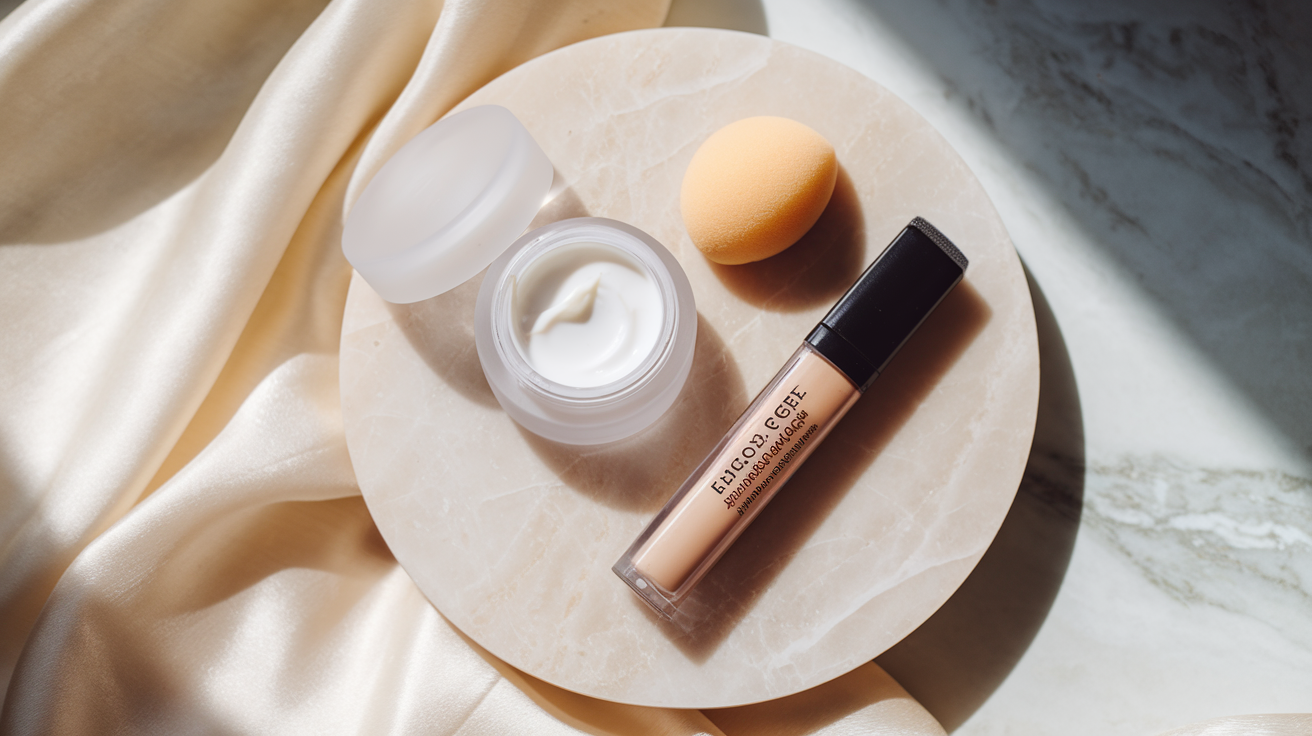
Not all eye creams play nicely with makeup. The texture of your morning eye cream determines whether your concealer will glide on smoothly or ball up into tiny clumps.
Heavy, oil-based creams might feel luxurious, but they create a barrier that prevents makeup from gripping the skin. You'll notice your concealer sliding around or looking separated and patchy. These richer formulas are better saved for nighttime when your skin can absorb them without the pressure of layering products on top.
Silicone-heavy eye creams can also be tricky. While they create a smooth feel initially, they sometimes cause concealer to slip or settle into fine lines as the day goes on. The silky finish doesn't always mesh well with makeup primers or liquid concealers.
Gel and lightweight lotion textures tend to work best under makeup. They absorb more quickly, deliver hydration without heaviness, and create a smooth canvas that holds concealer in place. Look for formulas that sink in within a few minutes rather than sitting on the surface.
If you love your current eye cream but find it too rich for morning use, consider switching to a lighter formula for daytime and saving your thicker cream for evening application. This simple swap can make a dramatic difference in how your makeup performs.
The Perfect Wait Time Between Eye Cream and Concealer
Patience is the secret ingredient most people skip. Rushing from eye cream to concealer is one of the biggest reasons makeup looks messy or doesn't last.
Your skin needs time to absorb the eye cream before you layer anything else on top. If you apply concealer too soon, you're essentially mixing the two products together on your skin, which creates that dreaded pilling effect or causes everything to slide around.
The ideal wait time is about 3 to 5 minutes after applying eye cream. This gives the formula time to penetrate the skin and settle properly. Your under-eye area should feel hydrated but not wet or greasy to the touch.
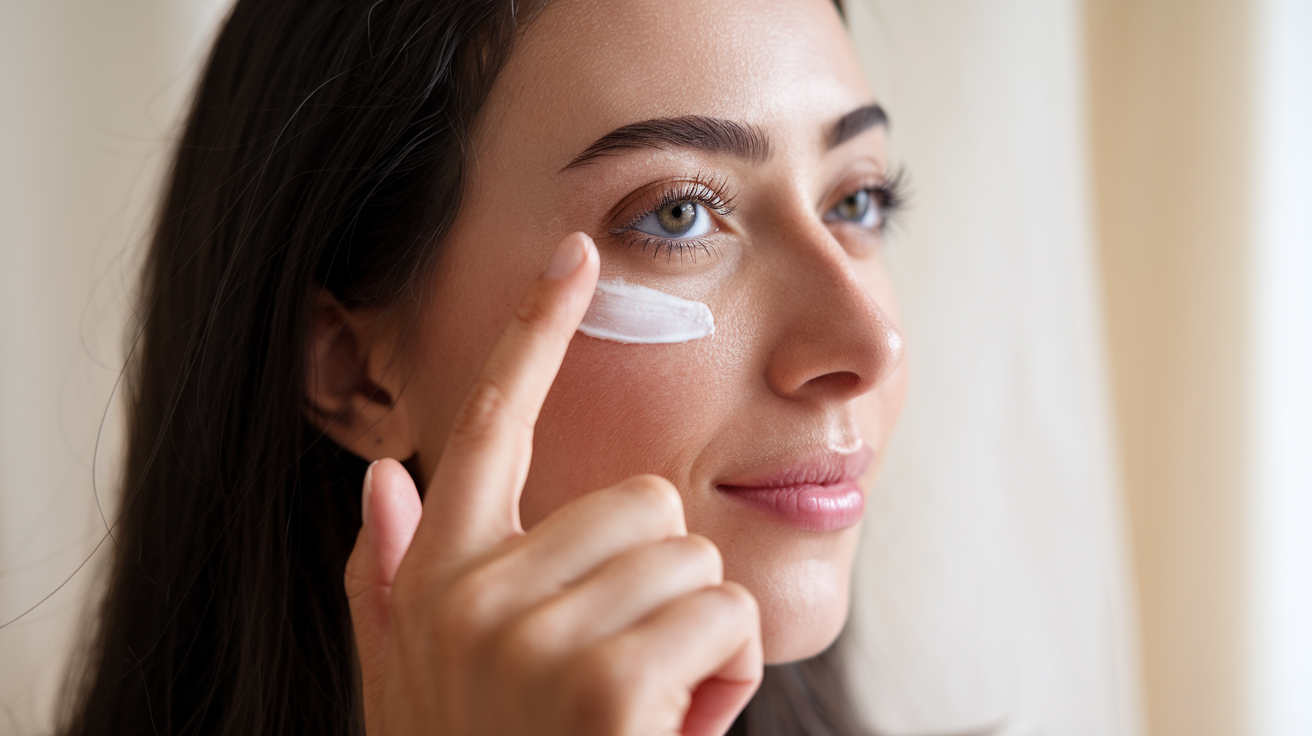
If you're short on time in the morning, apply your eye cream first thing when you wake up, then do other parts of your routine like brushing your teeth or getting dressed. By the time you come back to apply makeup, your skin will be ready.
On extra dry days or if you're using a particularly rich formula, you might need to gently blot the area with a tissue before applying concealer. Press lightly to remove any excess product sitting on the surface without rubbing away the benefits your skin has already absorbed.
Tired of seeing under-eye lines before you see yourself?
If the tiny creases under your eyes make you look more tired than you feel, this guide shows the simple under-eye routine that helps soften the look of dry lines, crepey texture, and tired skin without guessing or wasting weeks on random products.
Temperature also plays a role. Cold weather or air conditioning can make eye cream take longer to absorb, while warmth speeds up absorption. Adjust your wait time based on the season and your environment.
Best Eye Cream Formulas That Work Under Makeup
Choosing the right formula for daytime use makes everything easier. You want hydration and anti-aging benefits without compromising your makeup.
Gel-based eye creams are often the most makeup-friendly option. They deliver moisture and ingredients that help with the appearance of fine lines while absorbing quickly and leaving minimal residue. Many contain caffeine or peptides that can help with a more refreshed look.
Water-based lotions with a lightweight texture work beautifully under concealer. They provide enough hydration to keep skin looking smooth without creating a slippery surface. Look for formulas that feel almost weightless after application.
Serum-like eye treatments are another excellent choice for layering under makeup. These thin, fast-absorbing liquids penetrate quickly and often contain concentrated ingredients. Pat them on gently and let them dry down completely before moving to the next step.
If you prefer cream formulas, seek out ones specifically marketed as makeup-friendly or labeled for morning use. These are typically formulated with a balance of moisture and quick absorption in mind. For more detailed information about selecting eye creams that complement your routine, check out this affiliate one.
Avoid anything with a thick balm texture or heavy botanical oils in the morning. Save shea butter, coconut oil, and rich night creams for your evening routine when you have hours for full absorption without needing to apply makeup.
How to Layer Eye Cream and Makeup for All-Day Wear
The way you apply your products matters just as much as which products you choose. Proper layering technique ensures everything works together instead of against each other.
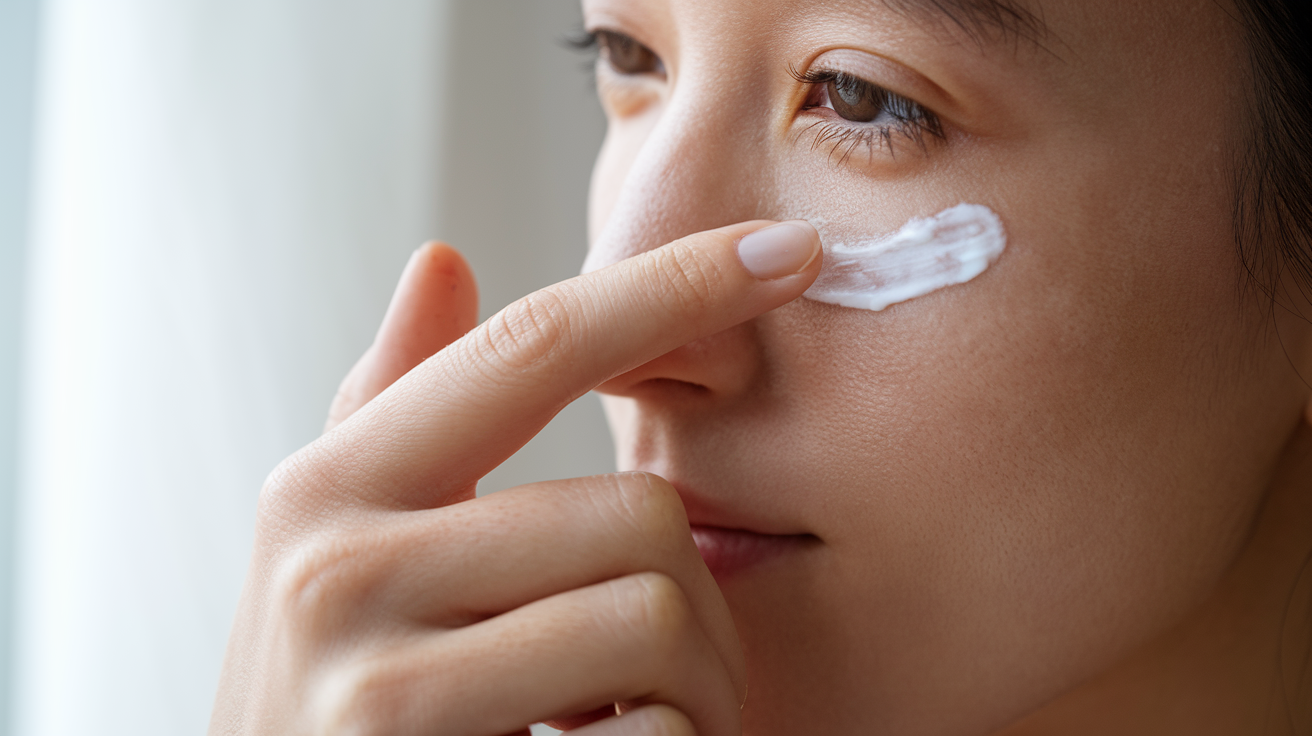
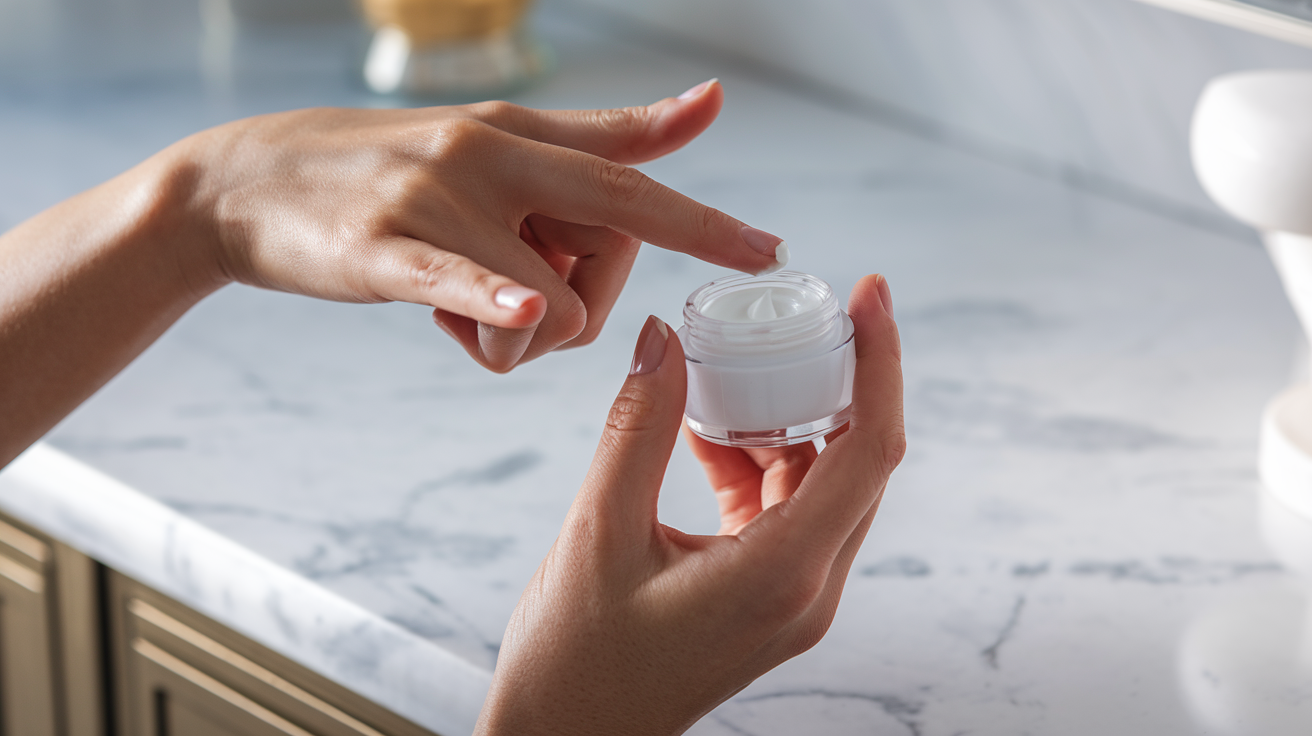
Start with clean, dry skin. Apply your eye cream using your ring finger, which naturally uses the lightest pressure. Tap gently around the orbital bone, avoiding tugging or rubbing the delicate skin. Use small amounts rather than overloading the area.
After your 3 to 5 minute wait, check that the eye cream has fully absorbed. The skin should feel soft and smooth, not tacky or wet.
If you use a makeup primer, apply a tiny amount to the under-eye area after your eye cream has dried. Not everyone needs primer here, but it can help concealer adhere better if you have particularly oily skin or long days ahead.
Apply concealer in thin layers rather than one thick application. Tap it on gently with a damp beauty sponge or your finger, building coverage gradually. This technique prevents the heavy look and helps makeup meld with your skincare underneath.
Set your concealer with a light dusting of translucent powder if needed, but don't overdo it. Too much powder on hydrated skin can look cakey and actually emphasize texture you're trying to minimize. If you want to learn more about creating a complete under-eye routine that supports both skincare and makeup goals, visit this affiliate one.
Throughout the day, resist the urge to touch or rub your eyes. The natural oils from your fingers can break down your carefully layered products and cause makeup to shift or fade.
If you notice any pilling or balling up of product during application, stop and reassess. You either didn't wait long enough after eye cream, used too much product, or the textures aren't compatible. Remove everything gently and start fresh with less product and more patience.
For evening removal, use a gentle makeup remover or cleansing balm to take everything off completely. Follow with your regular cleanser, then apply your richer nighttime eye cream to help with the appearance of fine lines and support the delicate under-eye area while you sleep.
With the right formulas, proper timing, and careful layering, you can enjoy smoother-looking skin and makeup that stays fresh from morning to night. The under-eye area doesn't have to be a source of frustration when you understand how your products work together.