Disclosure: This post contains affiliate links. We may earn a commission at no extra cost to you.
7 Ways Hyaluronic Acid Serum Transforms Under Eye Wrinkles and Dryness
Ever look in the mirror and wonder why your under-eye area seems to age faster than the rest of your face? You're not imagining things. The skin beneath your eyes is actually ten times thinner than the skin on your cheeks, making it incredibly vulnerable to dehydration, fine lines, and that dreaded crepey texture we all want to avoid.
Here's the good news: hyaluronic acid serum might be the skincare superhero your under-eye area has been waiting for. This moisture-binding ingredient holds up to 1,000 times its weight in water, making it one of the most powerful hydrators available. Let's dive into exactly how it transforms that delicate under-eye skin and why dermatologists consistently recommend it for women over 40.
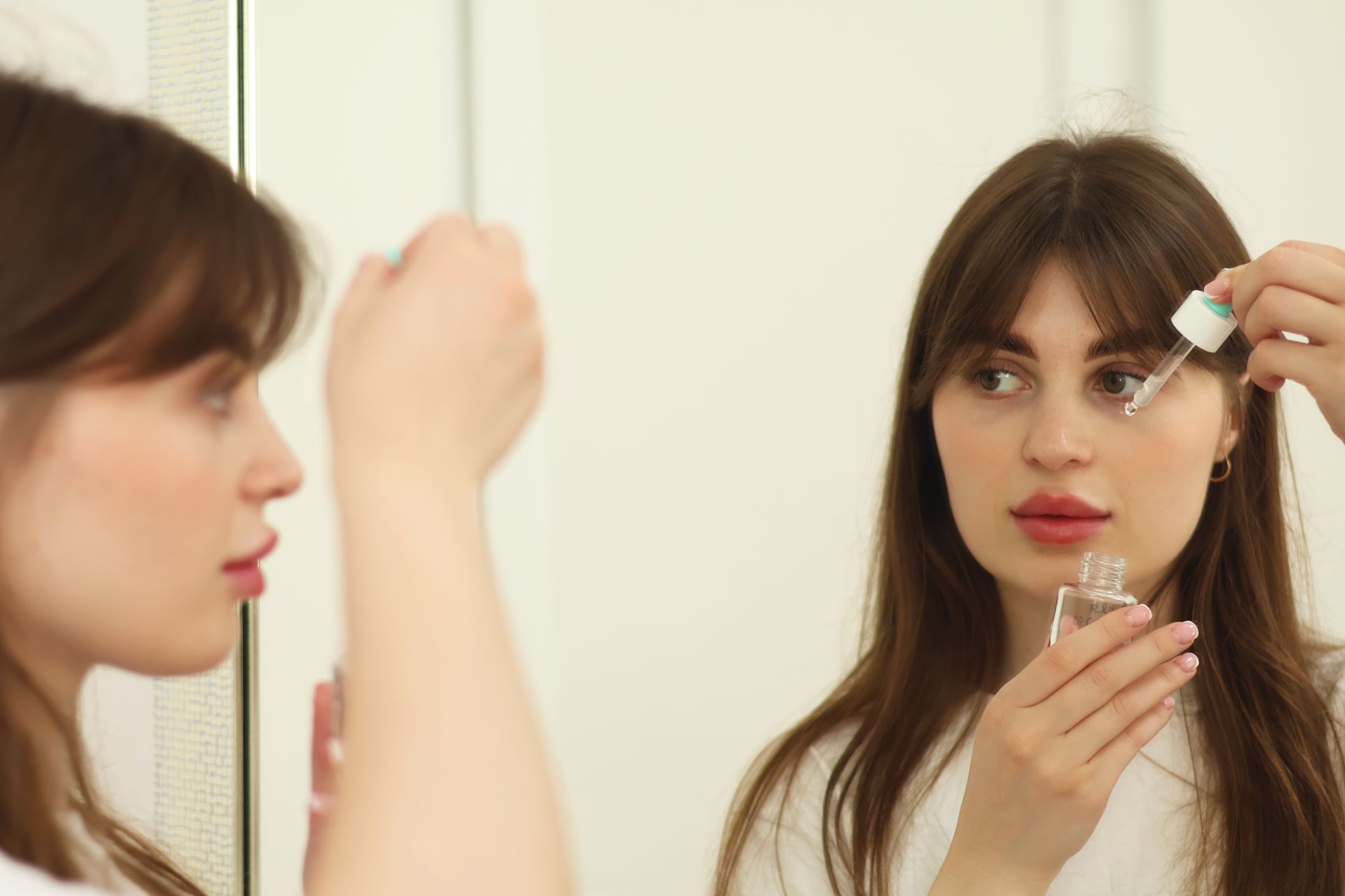
What Makes Hyaluronic Acid Essential for Delicate Under Eye Skin
The under-eye area doesn't have as many oil glands as other parts of your face. This means it's naturally prone to dryness and loses moisture much faster. As we age, our skin's natural hyaluronic acid production decreases by about 50% by the time we reach our 40s.
Hyaluronic acid molecules act like tiny sponges, drawing moisture from the environment and deeper skin layers to plump the surface. This is particularly crucial for under-eye skin because hydration equals volume, and volume minimizes the appearance of fine lines.
Unlike heavier creams that can cause milia (those stubborn white bumps), hyaluronic acid serums have a lightweight molecular structure that penetrates quickly without clogging the delicate pores around your eyes.
How Hyaluronic Acid Plumps Fine Lines and Crepey Skin
Think of dehydrated under-eye skin like a dried-out sponge—wrinkled and thin. When you add water to that sponge, it expands and smooths out. That's essentially what hyaluronic acid does for your fine lines.
When applied topically, hyaluronic acid binds water molecules to your skin cells, creating an instant plumping effect. This doesn't just make lines less visible—it actually improves skin texture over time. Studies show that consistent use can increase skin moisture content by up to 96% after eight weeks.
The crepey texture that develops under eyes is largely due to collagen breakdown and dehydration. While hyaluronic acid can't rebuild collagen on its own, it creates the optimal hydrated environment for your skin's natural repair processes to work more effectively.
Layering Hyaluronic Acid in Your Morning and Night Skincare Routine
Here's where many people go wrong: they apply hyaluronic acid to completely dry skin. For maximum effectiveness, you want to apply it to slightly damp skin so the molecules have moisture to grab onto.
Morning routine: After cleansing, pat your face gently with a towel but leave it slightly damp. Apply your hyaluronic acid serum to the under-eye area using your ring finger (it applies the least pressure). Follow with an eye cream and SPF.
Night routine: Apply hyaluronic acid serum after any treatment products like retinol, but before your heavier eye cream. The serum will penetrate first, then your cream will seal in all that moisture while you sleep.
For a comprehensive approach to anti-aging skincare, check out this affiliate one for expert recommendations.
Want more tips? Join our free newsletter

Combining Hyaluronic Acid with Other Anti-Aging Eye Ingredients
Hyaluronic acid plays well with almost every other skincare ingredient, making it the perfect team player in your anti-aging arsenal.
With Vitamin C: Vitamin C brightens dark circles while hyaluronic acid plumps. Apply vitamin C first on damp skin, then layer hyaluronic acid on top.
With Retinol: Retinol can be drying, especially around eyes. Hyaluronic acid counteracts this by flooding skin with moisture. Always apply retinol first, wait 10 minutes, then follow with hyaluronic acid.
With Peptides: Peptides signal collagen production while hyaluronic acid hydrates. This combination addresses both structural aging and dehydration simultaneously.
With Caffeine: Caffeine reduces puffiness, and hyaluronic acid smooths wrinkles. Look for eye serums that contain both ingredients for comprehensive benefits.
Dermatologist Tips for Maximizing Hydration Around Eyes
Dr. Rachel Nazarian, a board-certified dermatologist, recommends applying hyaluronic acid within 60 seconds of washing your face. This is when your skin is most permeable and can absorb the maximum amount of product.
Another pro tip: use a humidifier in your bedroom. Hyaluronic acid pulls moisture from the air, so sleeping in a properly humidified room (ideally 40-60% humidity) enhances the serum's effectiveness overnight.
Don't forget to drink plenty of water throughout the day. Hyaluronic acid works from the outside in, but hydration from within supports the entire process. Aim for at least eight glasses daily.
Always follow your hyaluronic acid serum with an occlusive product like an eye cream or facial oil. This seals in the moisture and prevents trans-epidermal water loss, which would actually leave your skin drier than before.
Best Hyaluronic Acid Eye Serums for Women Over 40
When shopping for hyaluronic acid eye serums, look for products that contain multiple molecular weights. Smaller molecules penetrate deeper, while larger molecules stay on the surface for immediate plumping.
The best formulas combine hyaluronic acid with ceramides to strengthen the skin barrier, which becomes compromised with age. You'll also want to find serums with added antioxidants like vitamin E to protect against environmental damage.
For detailed product recommendations and reviews, visit this helpful affiliate one resource.
Price doesn't always indicate quality. Many affordable drugstore options contain the same concentration of hyaluronic acid as luxury brands. Focus on the ingredient list and concentration (look for 1-2% hyaluronic acid) rather than packaging.
Common Mistakes When Applying Hyaluronic Acid to Eye Area
The biggest mistake? Applying hyaluronic acid to bone-dry skin in a low-humidity environment. Without moisture to bind to, hyaluronic acid can actually pull water from deeper skin layers, causing dehydration.
Using too much product is another common error. A rice grain-sized amount is plenty for both eyes. More isn't better—it just sits on the surface and pills under your makeup.
Many people apply hyaluronic acid too close to the lash line, which can cause eye irritation or puffiness. Keep application to the orbital bone area, avoiding the immediate eye contour.
Finally, don't skip sunscreen. No amount of hyaluronic acid can undo UV damage. Always apply a broad-spectrum SPF 30 or higher as your final morning step, even on cloudy days.
Transforming under-eye wrinkles and dryness doesn't happen overnight, but with consistent use of hyaluronic acid serum and these expert tips, you'll start seeing visible improvements within 2-4 weeks. Your eyes will look more refreshed, lines will appear softer, and that crepey texture will gradually smooth out. Give your under-eye area the hydration it's been craving!