Disclosure: This post contains affiliate links. We may earn a commission at no extra cost to you.
Best Eye Creams for Sensitive Skin: 7 Gentle Solutions That Actually Work
Published October 25, 2026
Ever notice how the skin around your eyes seems to react to everything? That tightness, redness, or stinging from products that promise to brighten and smooth can leave you wondering if there's an eye cream that actually works without irritation. If you've tried eye creams before only to deal with puffy, itchy under-eyes the next morning, you're not alone. The good news is that gentle, effective eye creams do exist—and they don't require you to choose between comfort and visible improvement.
Why Sensitive Skin Needs Special Eye Care
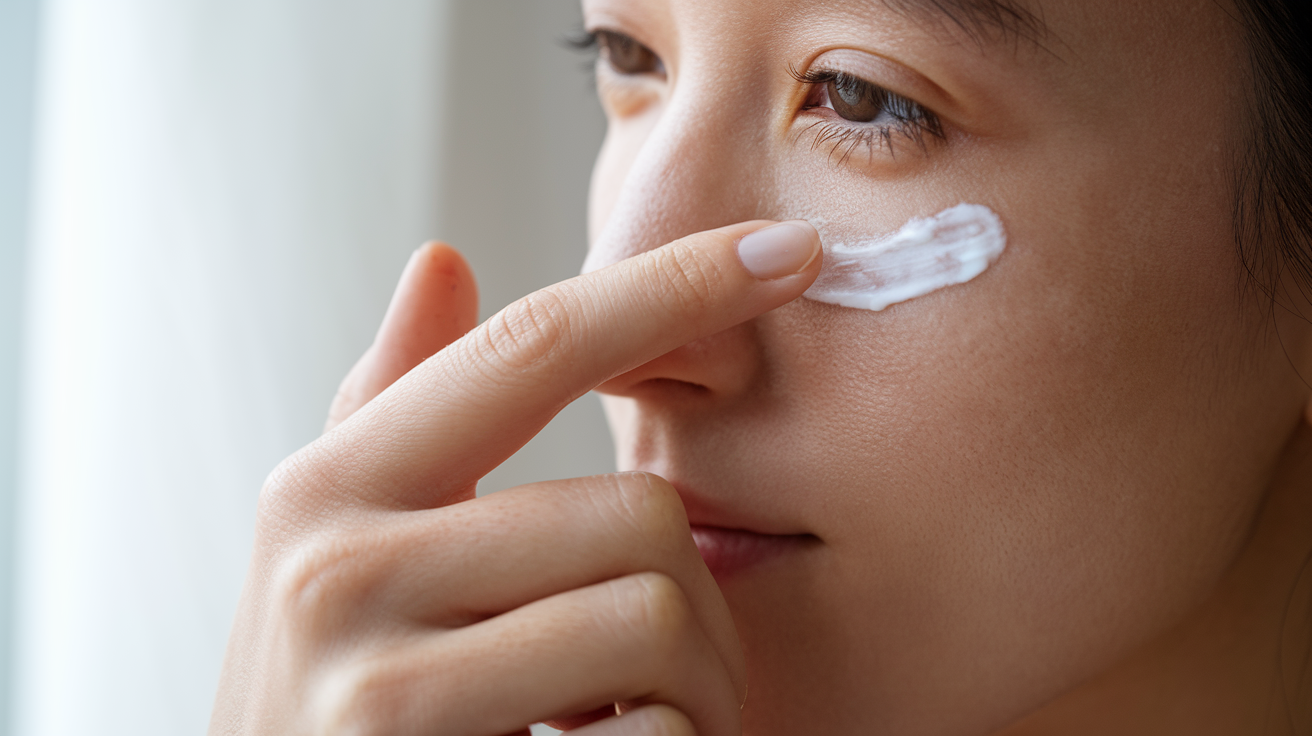
The skin under your eyes is significantly thinner than the rest of your face. It has fewer oil glands, less protective barrier strength, and almost no cushioning. That makes it more vulnerable to irritation, dryness, and visible signs of aging.
When you have sensitive skin, this vulnerability multiplies. Ingredients that work beautifully on other areas of your face—like strong retinoids, high percentages of acids, or heavily fragranced formulas—can trigger stinging, flaking, or even contact dermatitis around the eyes.
That's why using a dedicated eye cream formulated for sensitivity matters. These products are designed with lower concentrations of active ingredients, gentler delivery systems, and soothing ingredients that calm the skin while still addressing fine lines, dryness, and tired-looking eyes.
If you're serious about building a affiliate one routine that works with your skin instead of against it, choosing the right eye cream is a critical step.
Key Ingredients for Sensitive Under Eye Area
Not all eye cream ingredients are created equal, especially when sensitivity is a concern. Here's what to look for and what to avoid.
Gentle actives that support sensitive skin:
Ceramides: These lipids help restore the skin barrier, which is often compromised in sensitive skin. A stronger barrier means less moisture loss and better tolerance for other ingredients.
Niacinamide: This form of vitamin B3 is known for its calming properties. It can help reduce the appearance of redness and support a smoother-looking texture without irritation.
Peptides: These amino acid chains support the look of firmer, smoother skin over time. They're typically well-tolerated and work without causing sensitivity.
Hyaluronic acid: A hydration hero that draws moisture into the skin. It plumps the appearance of fine lines and keeps the delicate eye area looking more supple.
Bisabolol and allantoin: Both are soothing ingredients often found in products designed for reactive skin. They help calm visible irritation and support a more comfortable feel.
Ingredients to approach with caution:
Fragrance (synthetic or natural), essential oils, high-percentage retinol, alcohol denat, and strong exfoliating acids like glycolic or salicylic acid can all trigger reactions in sensitive skin. If you do use retinol, look for encapsulated or time-release versions designed specifically for the eye area.
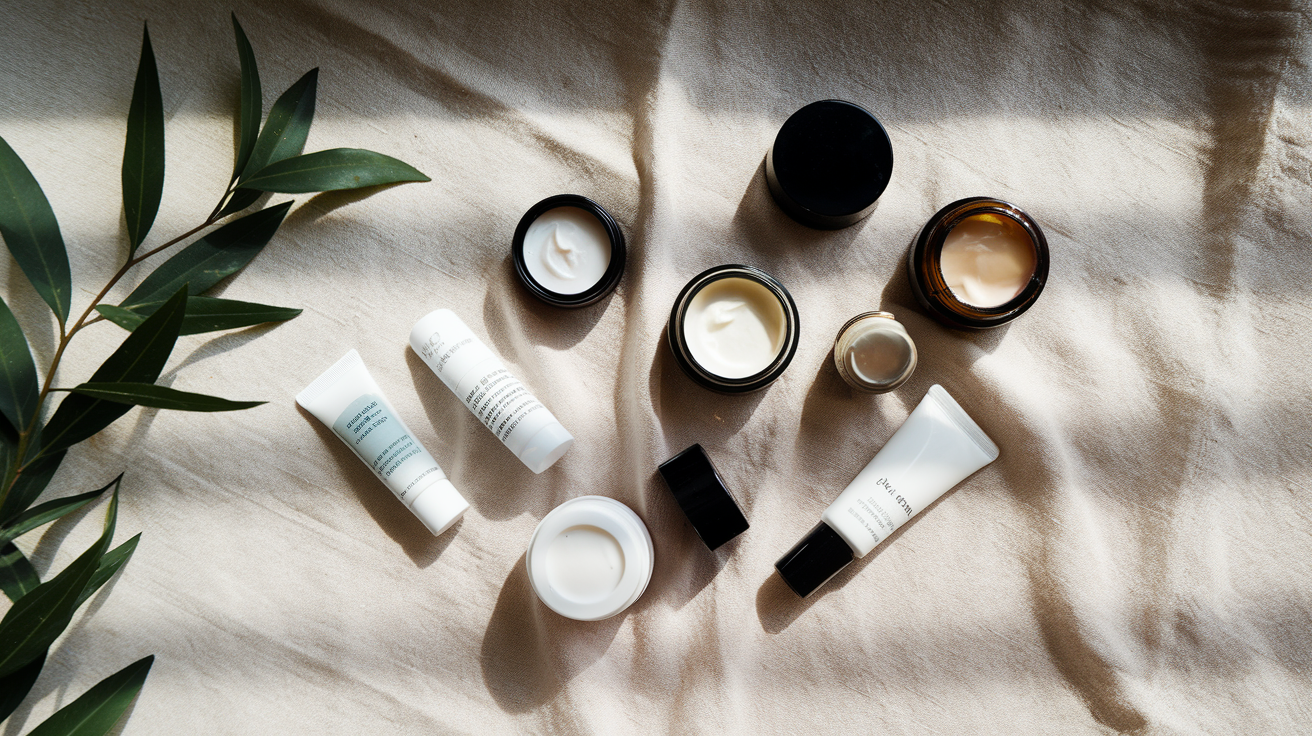
7 Dermatologist-Approved Eye Creams for Sensitive Skin
These eye creams have earned recognition from dermatologists and skincare professionals for their gentle yet effective formulations.
1. La Roche-Posay Toleriane Ultra Eye Cream
This fragrance-free formula is designed for even the most reactive skin. It contains neurosensine, a soothing peptide, along with glycerin and shea butter to support hydration. The texture is lightweight and absorbs quickly without leaving residue.
2. CeraVe Eye Repair Cream
Packed with ceramides, hyaluronic acid, and niacinamide, this dermatologist-developed cream helps restore the skin barrier while reducing the appearance of dark circles and puffiness. It's fragrance-free and ophthalmologist-tested.
3. Avène Soothing Eye Contour Cream
Formulated with Avène thermal spring water, this cream calms visible irritation and delivers long-lasting hydration. It's particularly helpful for skin that reacts to environmental stressors like wind or dry air.
4. Vanicream Eye Cream
Free from dyes, fragrance, parabens, and formaldehyde releasers, Vanicream's eye cream is as minimal as it gets. It focuses on moisture and barrier support without unnecessary extras that can trigger sensitivity.
Tired of seeing under-eye lines before you see yourself?
If the tiny creases under your eyes make you look more tired than you feel, this guide shows the simple under-eye routine that helps soften the look of dry lines, crepey texture, and tired skin without guessing or wasting weeks on random products.
5. Elta MD Renew Eye Gel
This ophthalmologist-tested gel contains peptides, hyaluronic acid, and antioxidants. The gel texture feels cooling and lightweight, making it ideal for sensitive skin that feels reactive to heavier creams.
6. Eucerin Q10 Anti-Wrinkle Sensitive Skin Eye Cream
Formulated with coenzyme Q10 and vitamin E, this fragrance-free cream supports the appearance of smoother-looking skin around the eyes. It's designed specifically for sensitive skin and is dermatologist-recommended.
7. First Aid Beauty Eye Duty Triple Remedy
This multi-tasking cream uses a blend of peptides, hyaluronic acid, and antioxidants to address the appearance of puffiness, dark circles, and fine lines. It's free from parabens, sulfates, and artificial fragrance.
If you want to dive deeper into building a complete routine that works for delicate under-eye skin, check out this affiliate one for a step-by-step approach.
How to Patch Test Eye Creams Safely
Even the gentlest eye cream can cause a reaction if your skin is particularly reactive. Patch testing is a simple way to reduce the risk of a full-face flare-up.
Step 1: Choose your test spot. Apply a small amount of the eye cream to the inside of your forearm or behind your ear. These areas are less visible but still sensitive enough to show a reaction.
Step 2: Wait 24 to 48 hours. Don't wash the area during this time. Watch for redness, itching, burning, or swelling.
Step 3: Test on the eye area. If your forearm shows no reaction, apply a tiny amount to the outer corner of one eye (not both). Wait another 24 hours.
Step 4: Observe and proceed slowly. If you notice any discomfort, stop using the product. If your skin feels fine, you can start using the eye cream as directed—but introduce it slowly. Use it every other night for the first week, then increase frequency as tolerated.
Patch testing takes patience, but it's worth it when you're dealing with sensitive skin. It helps you identify potential irritants before they cause visible damage or discomfort.
Final thoughts: Finding the right eye cream for sensitive skin doesn't mean settling for products that do nothing. The seven options above offer real support for the appearance of fine lines, dryness, and tired-looking eyes—without the irritation. Start with one, patch test carefully, and give your skin time to adjust. Your under-eyes will thank you.