Disclosure: This post contains affiliate links. We may earn a commission at no extra cost to you.
How Often Should You Apply Eye Cream? The Complete Guide
Are you applying your eye cream once a day, twice a day, or whenever you remember? If you're confused about how often you should actually be using that jar sitting on your bathroom counter, you're not alone. Eye cream frequency is one of the most common questions in skincare, and the answer isn't as simple as the back of the bottle makes it seem.

The skin around your eyes is thinner and more delicate than anywhere else on your face. It has fewer oil glands, loses moisture faster, and shows signs of aging sooner. That's why knowing when and how often to apply eye cream can make a real difference in how your under-eye area looks and feels over time.
Let's break down exactly how often you should be reaching for your eye cream, and why timing actually matters.
Understanding Eye Cream Application Frequency
Most eye creams are formulated to be used twice daily: once in the morning and once at night. But that doesn't mean every eye cream works the same way or that your routine should look identical to someone else's.
Your ideal frequency depends on a few factors:
Your skin type plays a role. If you have drier under-eyes, you might benefit from consistent twice-daily application. If your skin is oilier or more sensitive, you might start with once a day and build up from there.
The formula matters too. Lightweight gels and serums absorb quickly and layer well under makeup, making them perfect for morning use. Richer creams with thicker textures are often better suited for nighttime when your skin can fully absorb the ingredients without interference.
Your environment also affects how often you need eye cream. Dry climates, air conditioning, and heating all pull moisture from the delicate eye area faster, which might mean you need more consistent application.
For most people, applying eye cream twice a day is the sweet spot. But if you're just starting out or have reactive skin, beginning with once-daily application at night can help you see how your skin responds before adding a morning routine.
Tired of seeing under-eye lines before you see yourself?
If the tiny creases under your eyes make you look more tired than you feel, this guide shows the simple under-eye routine that helps soften the look of dry lines, crepey texture, and tired skin without guessing or wasting weeks on random products.
Morning Application: Why It Matters
Your morning eye cream isn't just about hydration. It's about preparing the under-eye area for the day ahead.
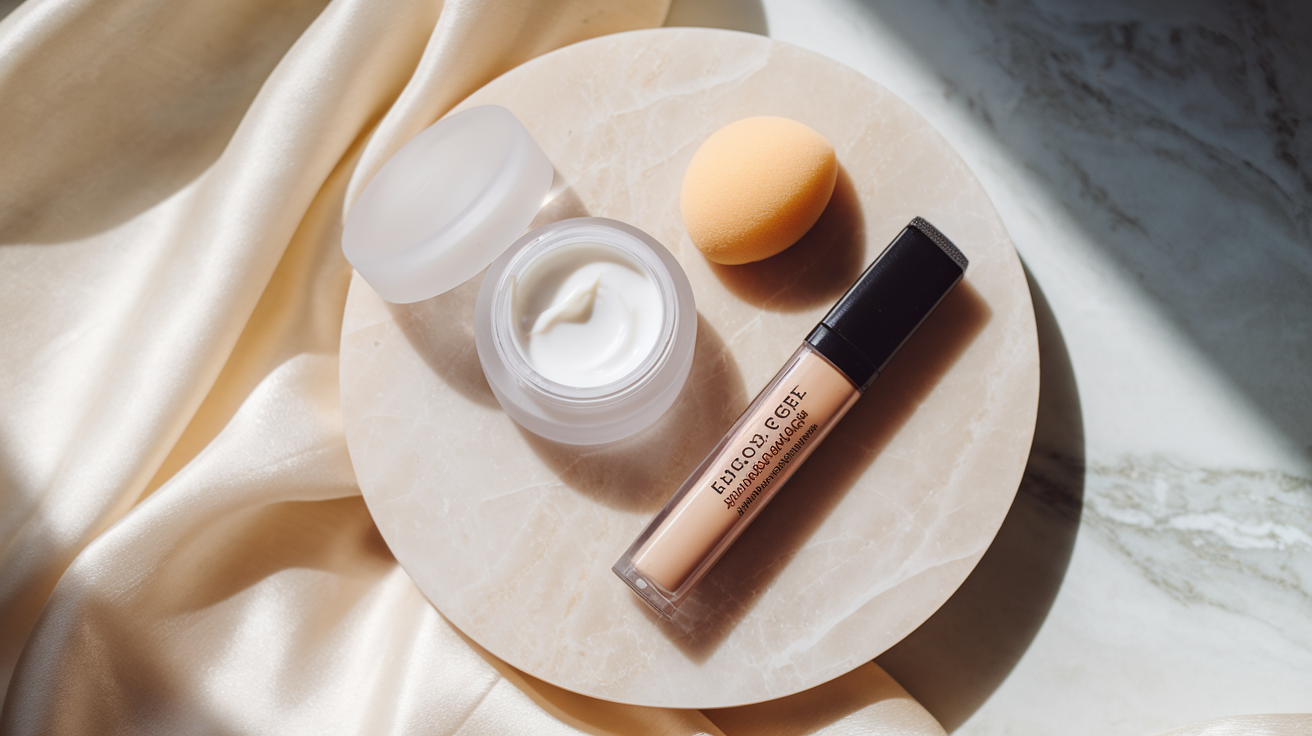
When you apply eye cream in the morning, you're creating a smoother base for concealer and makeup. Hydrated skin reflects light better, which can help the under-eye area look less shadowed and more awake. Dry skin, on the other hand, makes makeup settle into fine lines and emphasize texture.
Morning formulas often include ingredients that help with puffiness or temporary brightening. Caffeine, peptides, and light-reflecting particles are common in daytime eye creams because they address the issues we tend to notice most when we first look in the mirror.
If you're using a affiliate one that includes SPF or antioxidants, morning application becomes even more important. The thin skin around your eyes is vulnerable to environmental stressors like UV rays and pollution, and a protective eye cream can help shield that delicate area throughout the day.

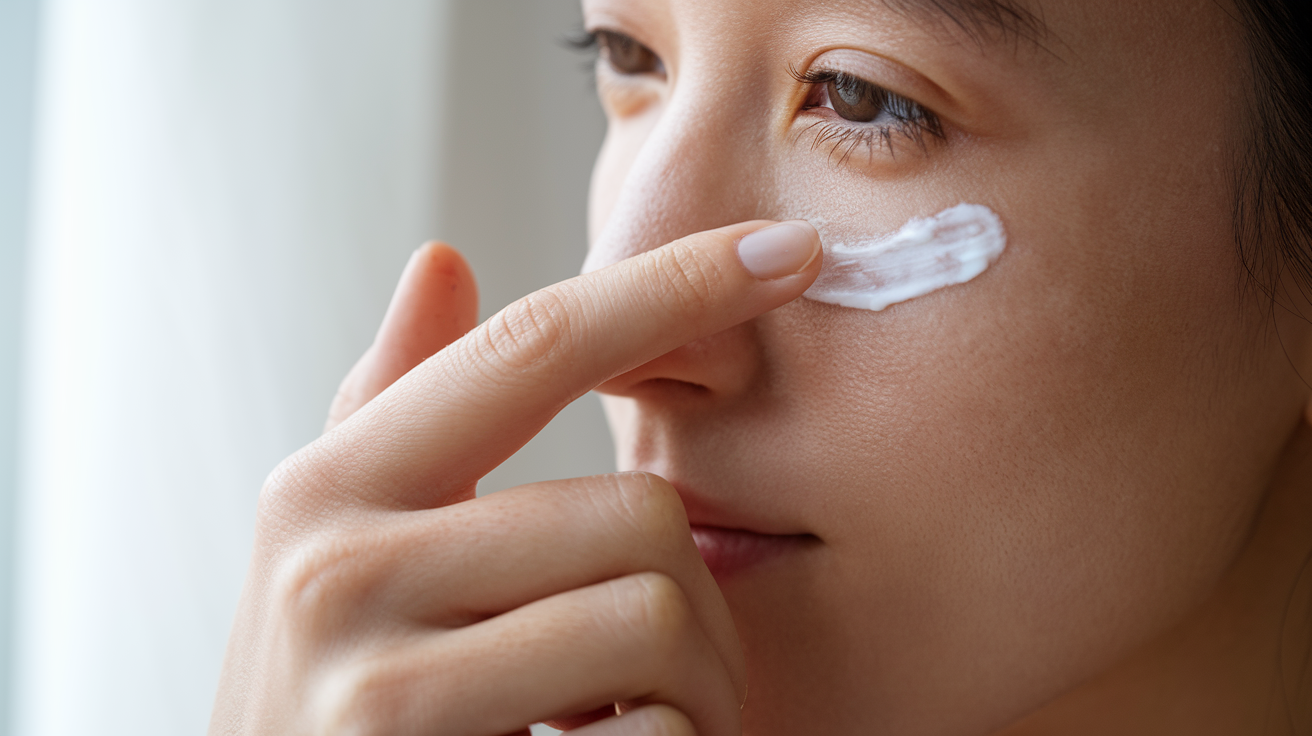
Apply your morning eye cream after your serum but before your moisturizer and sunscreen. Use your ring finger to gently pat a rice-grain-sized amount along the orbital bone, starting from the inner corner and moving outward. Avoid tugging or rubbing, and let it absorb for a minute or two before moving on to makeup.
Nighttime Application: The Repair Phase
Nighttime is when your skin does its deepest repair work, and your eye cream should support that process.
While you sleep, your skin's cell turnover increases and moisture loss can spike. A richer, more nourishing eye cream applied before bed helps lock in hydration and deliver ingredients that work best without sun exposure or makeup interference.
Many nighttime eye creams contain retinol, peptides, or richer emollients that need time to absorb and work. These ingredients can help support skin texture and firmness over time, and they're most effective when applied consistently before bed.
Your nighttime routine is also a good opportunity to be more generous with product if your under-eyes feel particularly dry or tight. While you still don't want to overload the area, you can use slightly more product at night than in the morning since you won't be layering makeup on top.
Apply your nighttime eye cream after cleansing and applying any treatment serums, but before your heavier night moisturizer. Pat it gently around the eye area, and give it a few minutes to sink in before applying anything else on top.
If you're following a complete under-eye routine, you can learn more about layering products correctly through this helpful affiliate one resource.
Signs You're Applying Eye Cream Too Often or Not Enough
Your skin will tell you if you're overdoing it or not doing enough. You just need to know what to look for.
Signs you might be applying too much or too often:
Milia, those tiny white bumps that form around the eyes, can appear when the skin is overloaded with product and can't shed dead cells properly. If you notice these popping up, you might be using too much product or applying it too close to the lash line.
Irritation, redness, or stinging can mean you're using a formula that's too strong for twice-daily use, especially if it contains actives like retinol or acids. Some ingredients are best used only at night or every other night when you're starting out.
Makeup that pills or doesn't sit well can be a sign that you're layering too much eye cream in the morning or not giving it enough time to absorb before applying concealer.
Signs you're not applying enough or often enough:
Persistent dryness or flaking around the eyes, even after applying moisturizer, suggests the area needs more targeted hydration than you're currently giving it.
Makeup that clings to dry patches or settles into fine lines more noticeably might mean your under-eye area isn't getting enough moisture throughout the day.
Tightness or discomfort around the eyes, especially after cleansing or by midday, can signal that once-daily application isn't cutting it for your skin's needs.
The key is consistency. Applying eye cream twice a day, every day, will give you better results than sporadic use, even if the product itself is excellent. Give any new routine at least four to six weeks before deciding if the frequency is working for you.
If you're dealing with specific concerns like crepey texture or dry lines, adjusting not just how often but also which formula you use can make a difference. Some people do better with a lightweight serum in the morning and a richer cream at night, while others prefer the same product twice daily for simplicity.
Pay attention to how your under-eye area feels and looks at different times of day. That feedback will help you find the application frequency that works best for your skin, your climate, and your lifestyle.