Disclosure: This post contains affiliate links. We may earn a commission at no extra cost to you.
Should You Use Different Eye Creams Morning and Night? The Complete Guide
Published: September 7, 2026
Have you ever wondered if using the same eye cream morning and night is doing your skin any favors? You're not alone. Most people grab one jar and call it done, but the skin around your eyes has different needs depending on the time of day. Morning eye cream faces UV exposure, makeup application, and environmental stressors. Night eye cream works while you sleep, supporting the skin's natural repair process. Using targeted formulas for each time of day can help you address different concerns more effectively.

Why Morning and Night Eye Creams Serve Different Purposes
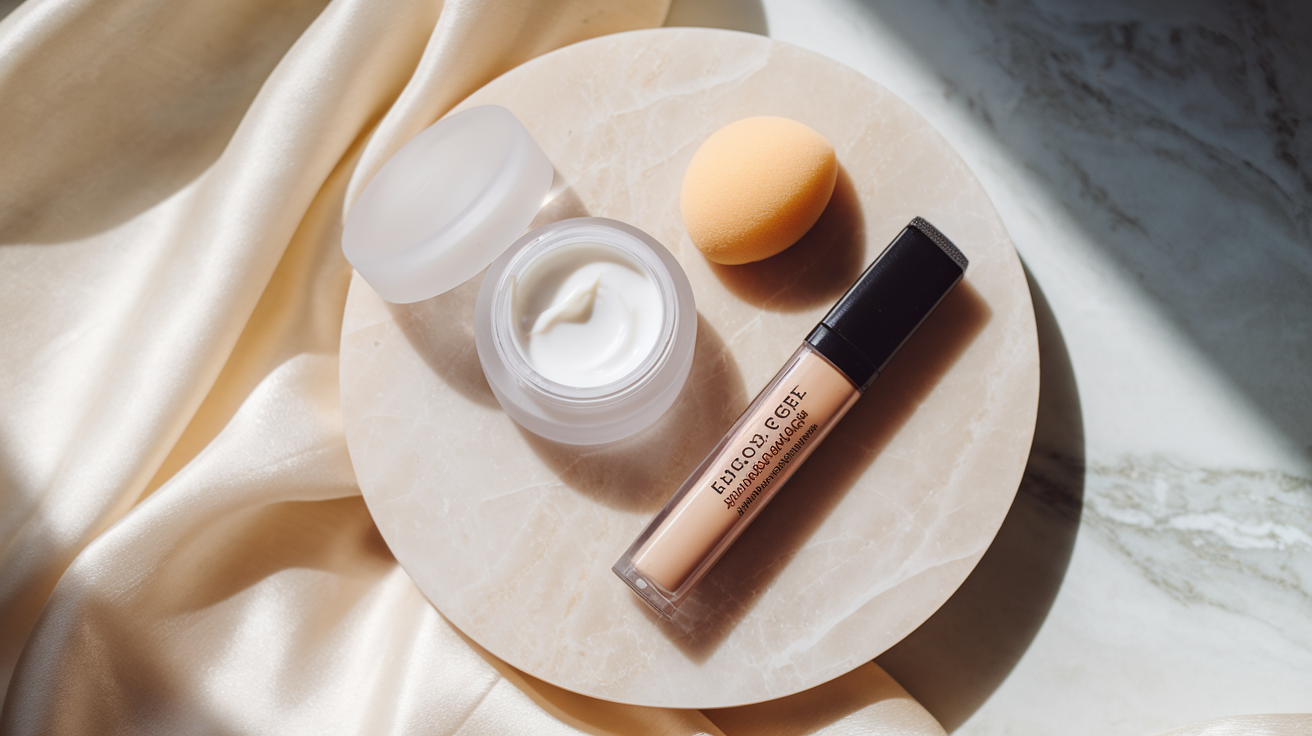
Your skin doesn't operate the same way at 8 AM and 10 PM. During the day, the delicate eye area is exposed to blue light from screens, pollution, and UV rays. It also needs to play well with concealer and other makeup. A morning eye cream should focus on protection, hydration that won't pill under makeup, and ingredients that help reduce puffiness from overnight fluid retention.
At night, your skin shifts into repair mode. Cell turnover increases, collagen production ramps up, and your skin is more receptive to active ingredients. A night eye cream can be richer, more treatment-focused, and packed with ingredients that support the look of smoother, firmer skin over time.
Think of it this way: morning formulas are your armor, and night formulas are your recovery tools. Both play important roles, but they're not interchangeable.
What to Look for in a Morning Eye Cream Formula
A good morning eye cream should feel lightweight and absorb quickly. If it sits on the skin or feels greasy, your concealer will slide around and your under-eyes may look worse by noon.
Look for ingredients like caffeine, which can help reduce the appearance of morning puffiness by temporarily constricting blood vessels. Peptides are another solid choice for daytime because they support the skin barrier without feeling heavy.
Antioxidants are non-negotiable in the morning. Vitamin C, green tea extract, and niacinamide help shield the skin from environmental damage throughout the day. These ingredients won't stop aging in its tracks, but they do help the skin look brighter and more even-toned over time.
Hydration is key, but it should come from ingredients like hyaluronic acid or glycerin that pull moisture into the skin without adding weight. Avoid heavy oils or thick butters in the morning unless your skin is extremely dry.
And here's the big one: SPF for the eye area. Not all eye creams include it, so make sure your sunscreen extends all the way up to your lower lash line. UV damage is one of the main contributors to the appearance of fine lines and crepey texture around the eyes.
Tired of seeing under-eye lines before you see yourself?
If the tiny creases under your eyes make you look more tired than you feel, this guide shows the simple under-eye routine that helps soften the look of dry lines, crepey texture, and tired skin without guessing or wasting weeks on random products.
Essential Ingredients for Your Night Eye Cream
Night is when you can bring out the heavier hitters. Retinol is one of the most researched ingredients for helping reduce the appearance of fine lines and supporting smoother-looking skin texture. If you're new to retinol around the eyes, start with a low percentage and use it only a few nights per week. The skin here is thinner and more sensitive than the rest of your face.

Peptides work beautifully at night because they support the skin's natural repair processes while you sleep. Look for formulas that combine multiple types of peptides for a more comprehensive approach to firmer-looking skin.
Ceramides and fatty acids help reinforce the skin barrier, which is especially important if you're using active ingredients like retinol. A strong barrier means less moisture loss and skin that looks plumper and more resilient over time.
Hyaluronic acid is just as useful at night as it is during the day, but in night creams it's often paired with occlusives like squalane or shea butter that lock in hydration while you sleep. This combination helps the under-eye area look less tired and more refreshed by morning.
If you want to learn more about choosing the right formulas for your specific skin concerns, check out this affiliate one for a deeper dive into building an effective routine.
How to Build Your AM/PM Eye Care Routine
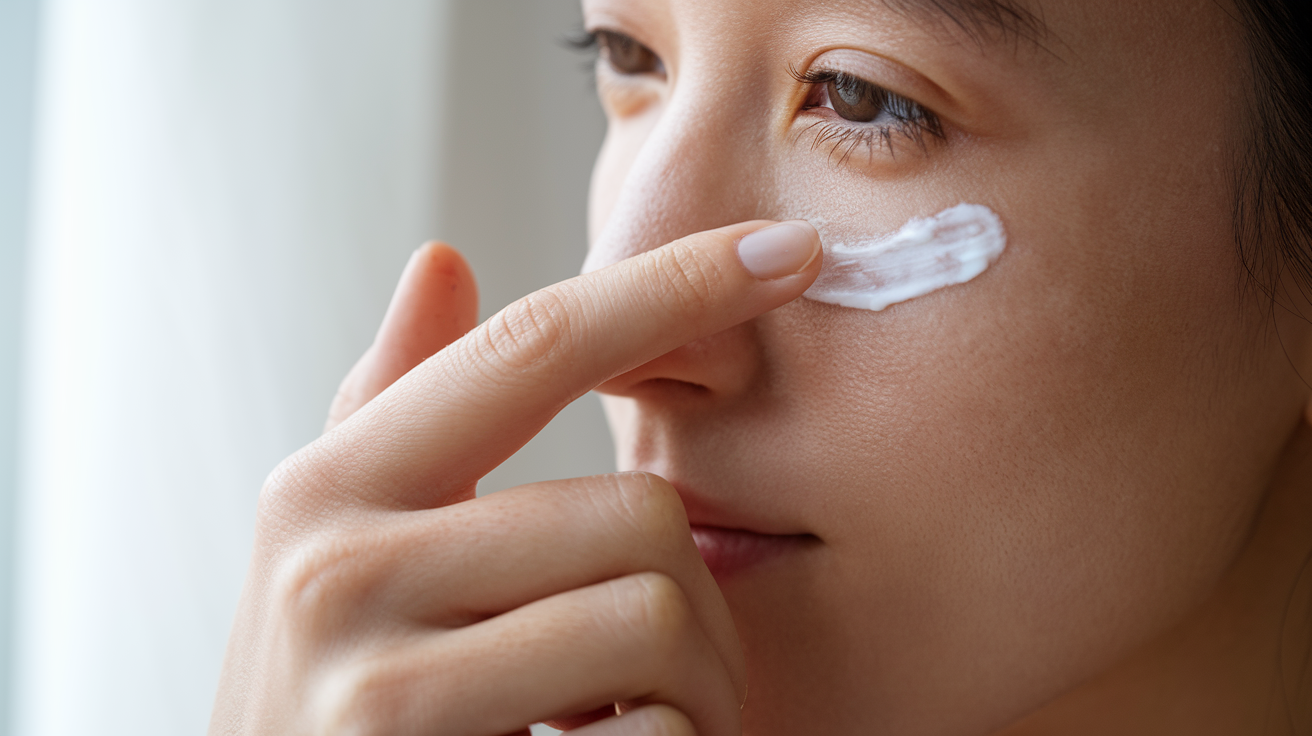
Start with a clean slate. In the morning, cleanse your face gently and pat the skin dry. Apply your morning eye cream using your ring finger, which applies the least pressure. Tap the product gently along the orbital bone, starting from the inner corner and moving outward. Don't rub or pull the skin.
Let the eye cream absorb for a minute or two before applying sunscreen or makeup. If your eye cream pills under concealer, try using less product or switching to a lighter formula.
At night, remove all your makeup thoroughly before applying your night eye cream. Double cleansing is your friend here. Once your skin is clean and slightly damp, apply your night formula the same way you did in the morning: gentle tapping motions along the orbital bone.
If you're using retinol, apply it after your eye cream has absorbed, or mix a tiny amount into your eye cream to buffer the intensity. Always follow up with a good moisturizer on the rest of your face.
Consistency matters more than the specific products you choose. Using a targeted morning and night routine gives your skin what it needs when it needs it. Over time, this approach can help the eye area look less tired, smoother, and more hydrated.
For more guidance on creating a complete under-eye care system that addresses fine lines and texture, explore this affiliate one to get started with a routine that works for your skin.
The bottom line? You don't absolutely need two different eye creams, but using formulas designed for specific times of day can make your routine more effective. Morning creams protect and prep. Night creams repair and restore. Together, they give the delicate eye area the targeted care it deserves.