Disclosure: This post contains affiliate links. We may earn a commission at no extra cost to you.
How Long Does Eye Cream Take to Work? Real Timeline Expectations
Published September 3, 2026
You've finally invested in an eye cream. Maybe it's your first one, or maybe you've replaced the jar that's been sitting untouched in your drawer. Either way, you're probably wondering the same thing: when will I actually see something happen?
The truth is, eye cream doesn't work overnight. But it also doesn't take forever. Understanding what to expect and when can help you stick with it long enough to see the changes you're hoping for.

Understanding Eye Cream Absorption and Initial Effects (Days 1-7)
The first week is all about hydration and absorption. This is when your skin is learning to accept the new formula, and you're learning whether it feels good or irritates your eyes.
Within the first few days, you'll notice whether the cream feels comfortable. The skin around your eyes is thinner than the rest of your face, so it absorbs products faster. If your eye cream has hydrating ingredients like hyaluronic acid or glycerin, you might feel plumper, more moisturized skin almost immediately.
But don't confuse hydration with actual improvement. That plump feeling is temporary moisture, not a reduction in fine lines. It's a good sign, though. It means the product is doing its job of supporting your skin barrier.
You may also notice less tightness or dryness, especially if you've been skipping eye care altogether. This is the foundation for everything that comes next. If you're new to using targeted eye care, this affiliate one can help you build a routine that actually makes sense for your skin.
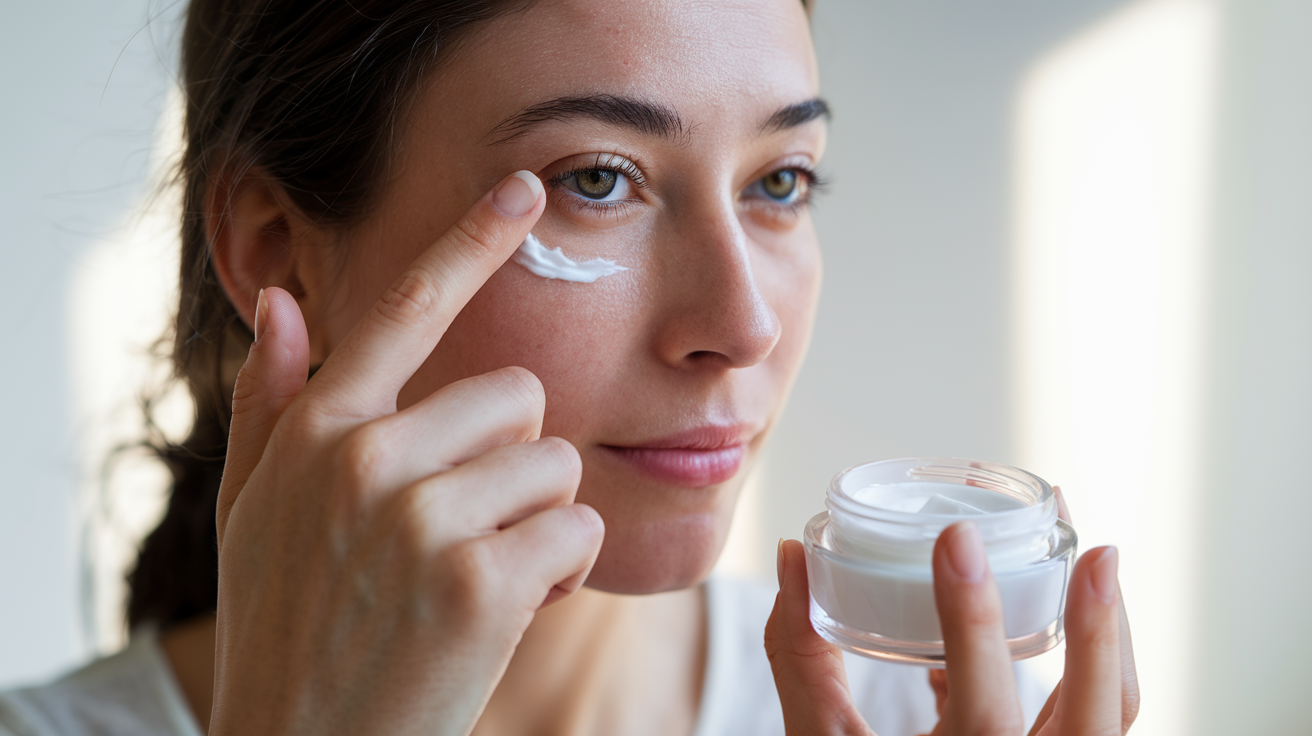
During this first week, focus on consistency. Apply your eye cream twice a day—morning and night—using a gentle patting motion. Don't rub or pull at the delicate skin. And give it time to sink in before layering other products.
The First Visible Changes: What to Expect Week 2-4
This is when things start to shift. By week two, your skin has adjusted to the formula, and active ingredients are beginning to work beneath the surface.
If your eye cream contains peptides, niacinamide, or vitamin C, you might start to see a brighter, less tired-looking under-eye area. Dark circles may appear softer. Puffiness might feel less pronounced in the morning.
Fine lines that come from dryness—those little creases that show up when you smile or squint—may look smoother. Again, this isn't because the lines are gone. It's because your skin is better hydrated and supported.
Week three is when most people decide whether to keep going or give up. If you're not seeing dramatic changes yet, that's normal. Real improvement takes longer than a few weeks. But if your skin feels better, looks less dull, and seems more resilient, you're on the right track.
By week four, you may notice that makeup sits better under your eyes. Concealer doesn't settle into lines as much. Your under-eye area feels smoother to the touch. These are the small wins that add up over time.
Tired of seeing under-eye lines before you see yourself?
If the tiny creases under your eyes make you look more tired than you feel, this guide shows the simple under-eye routine that helps soften the look of dry lines, crepey texture, and tired skin without guessing or wasting weeks on random products.
Deeper Results and Cell Turnover Timeline (Weeks 4-12)
This is the phase where patience pays off. Between weeks four and twelve, your skin cells are turning over, and the active ingredients in your eye cream are working at a deeper level.
Retinol, one of the most studied anti-aging ingredients, typically takes 8 to 12 weeks to show visible changes. If your eye cream contains retinol or a retinoid, this is when you might start to see smoother-looking skin texture and a reduction in the appearance of deeper lines.
Peptides work on a similar timeline. They help support collagen production, which means the skin around your eyes may start to feel firmer and look more resilient over time.
By week eight, many people notice that their under-eye area looks less crepey. The skin feels thicker, more supported, and less fragile. Dark circles may continue to fade, especially if the formula includes ingredients like caffeine or vitamin K.
Week twelve is often the true test. If you've been consistent, this is when you'll see the most noticeable difference. Your eyes may look less tired overall. Fine lines may appear softer. The skin may reflect light better, giving you a more rested appearance.
But here's the thing: results plateau if you stop. Eye cream isn't a one-time fix. It's a long-term commitment to supporting the skin in an area that ages faster than the rest of your face.
Maximizing Your Eye Cream Results: Patience and Consistency Tips
If you want your eye cream to work, you have to show up for it. That means applying it every single day, even when you don't feel like it.
Use the right amount. A pea-sized amount is enough for both eyes. More product doesn't mean faster results. It just means wasted cream and possibly irritated skin.
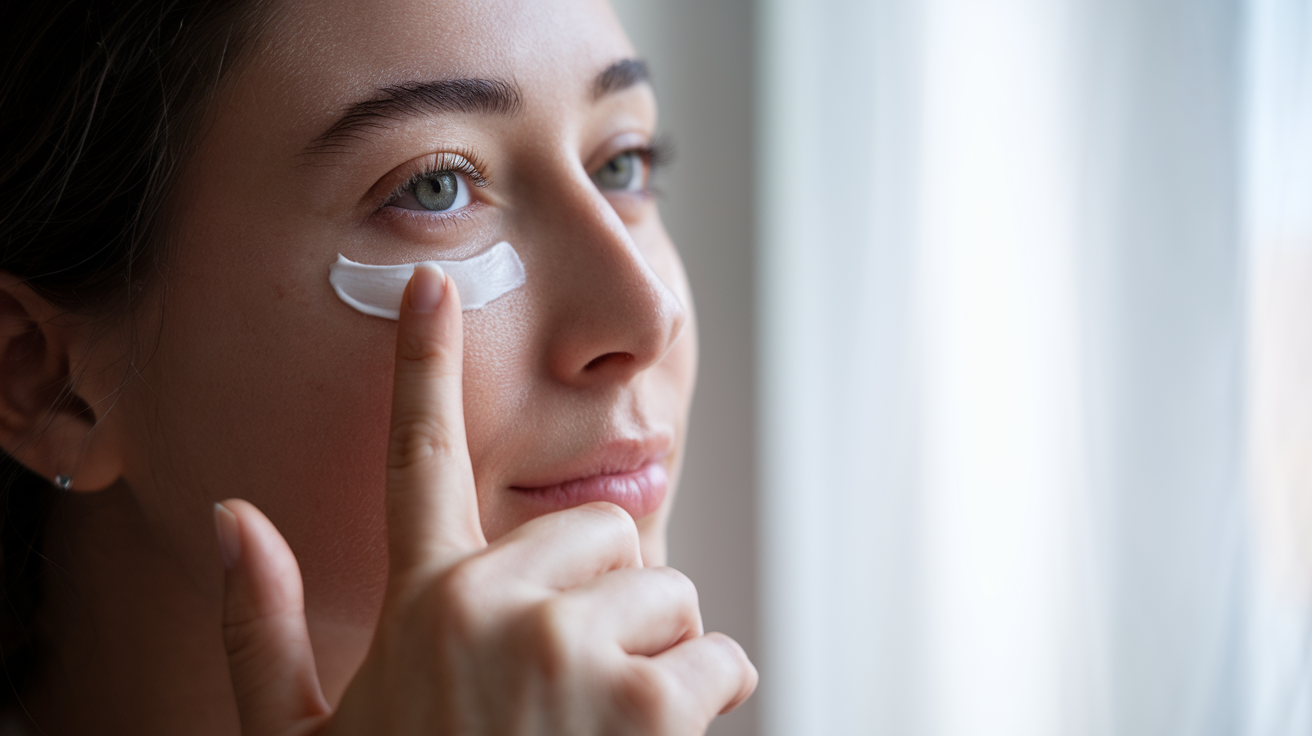
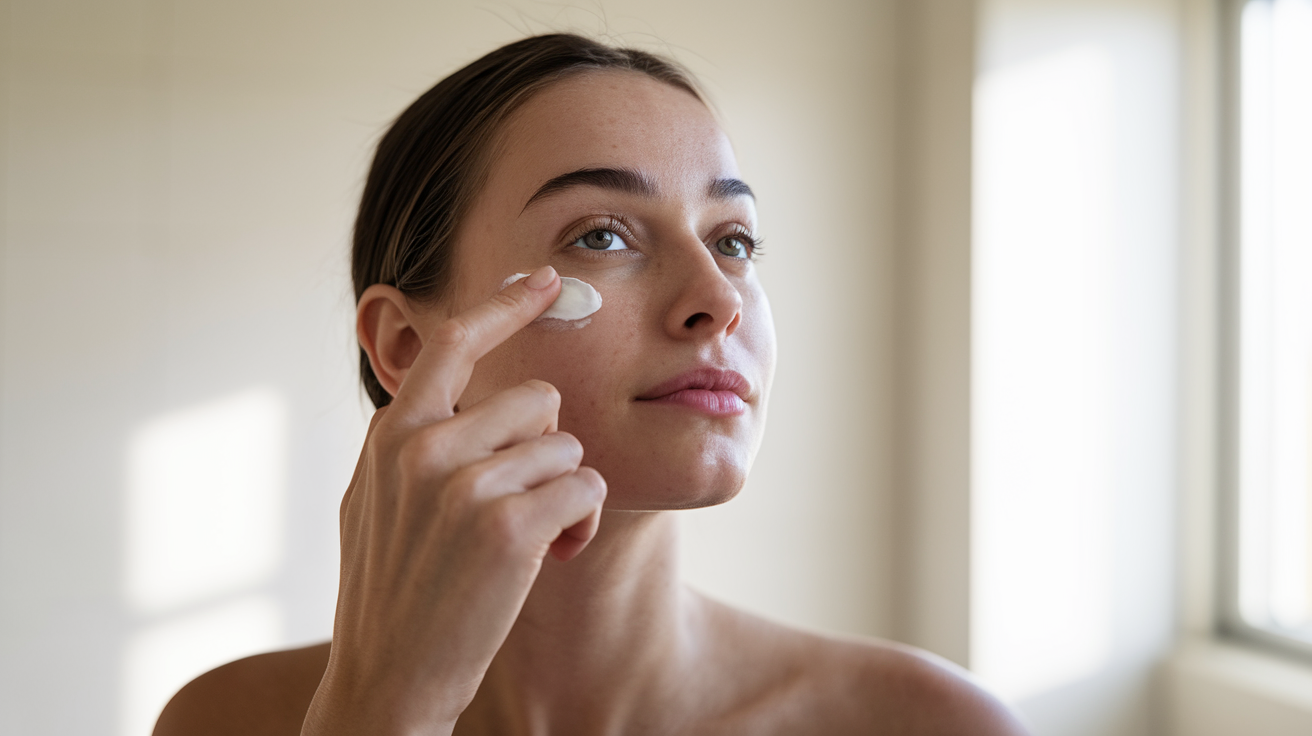
Apply it correctly. Tap the cream gently along your orbital bone—the area just below your brow and around the outer corner of your eye. Don't put it directly on your eyelid unless the product is specifically designed for that.
Layer it properly. Eye cream should go on after your serum but before your moisturizer. If you're using a retinol eye cream at night, make sure your skin is completely dry before applying it to avoid irritation.
Protect your results. Eye cream alone won't do much if you're not wearing sunscreen during the day. UV exposure breaks down collagen and accelerates aging, especially around the eyes. A broad-spectrum SPF is non-negotiable.
Track your progress. Take a photo of your under-eye area on day one, then again at week four, week eight, and week twelve. It's hard to notice gradual changes when you see your face every day, but photos don't lie.
And if you're still figuring out which eye cream is right for your skin type or concerns, this affiliate one breaks down what to look for based on your specific needs.
The bottom line? Eye cream works, but not instantly. Give it at least 8 to 12 weeks of consistent use before deciding whether it's doing anything. And remember, the goal isn't to erase every line. It's to support your skin so it looks healthier, smoother, and less tired over time.