Disclosure: This post contains affiliate links. We may earn a commission at no extra cost to you.
7 Signs Your Eye Cream Is Irritating Your Delicate Skin
Published August 30, 2026
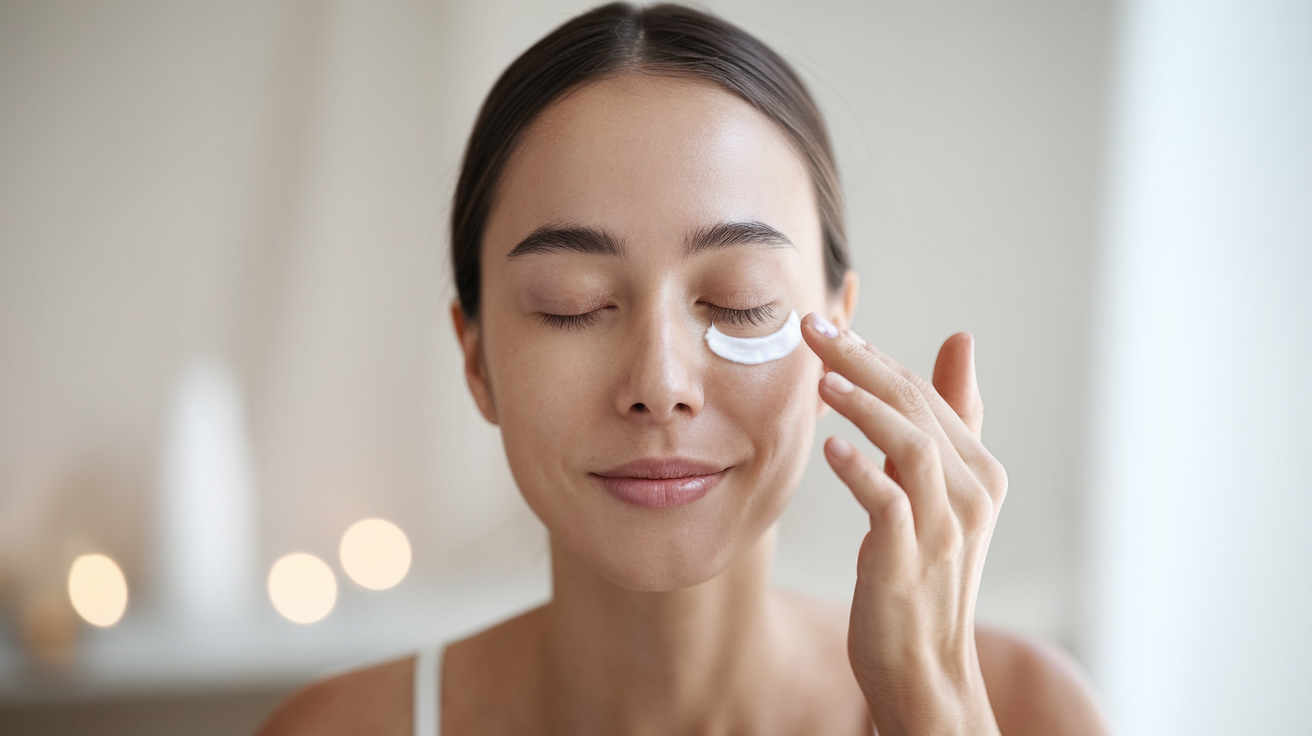
Have you ever applied your eye cream at night, only to wake up with puffy, red, or weirdly textured skin around your eyes? You might think your skin is just being sensitive, but the truth is your eye cream might not be agreeing with you. The skin around your eyes is thinner than anywhere else on your face, which means it reacts faster and more dramatically to ingredients that don't suit it. Sometimes what promises to brighten and smooth can actually cause more problems than it solves. Here are seven clear signs your eye cream is doing more harm than good.
Redness and Burning Sensation Around the Eye Area
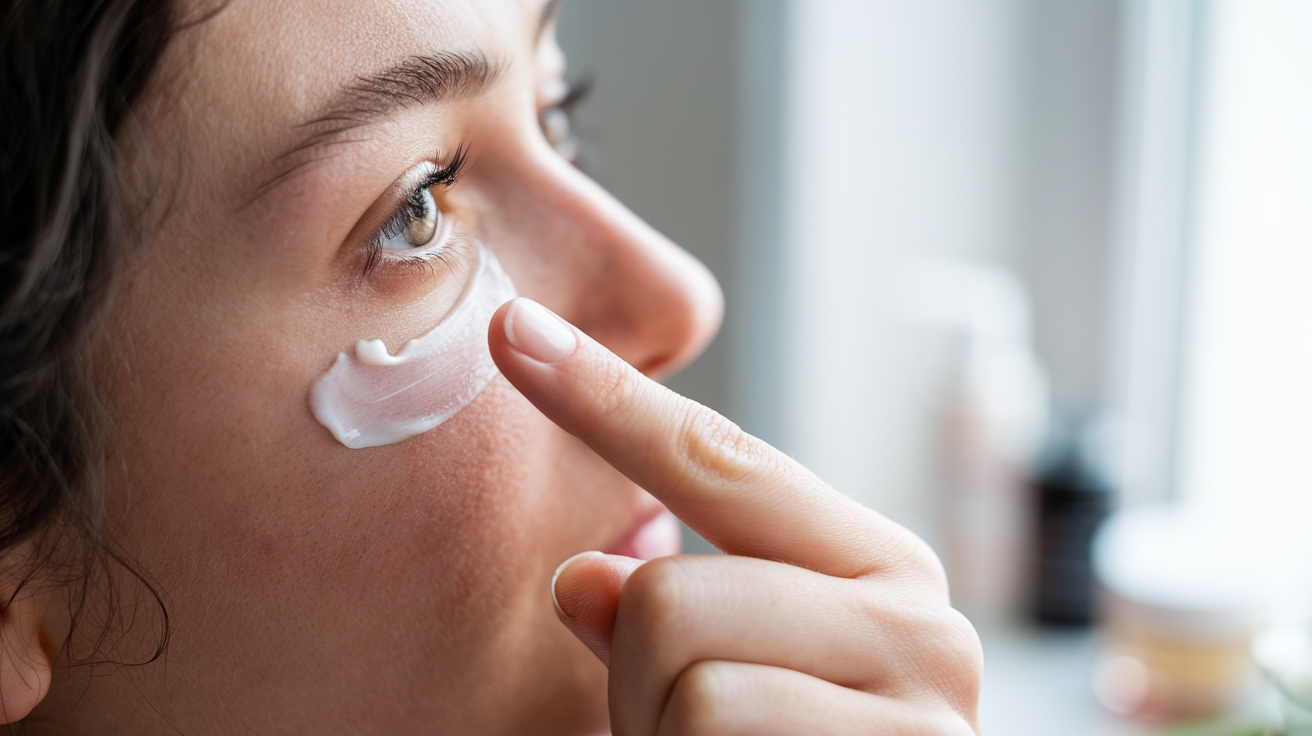
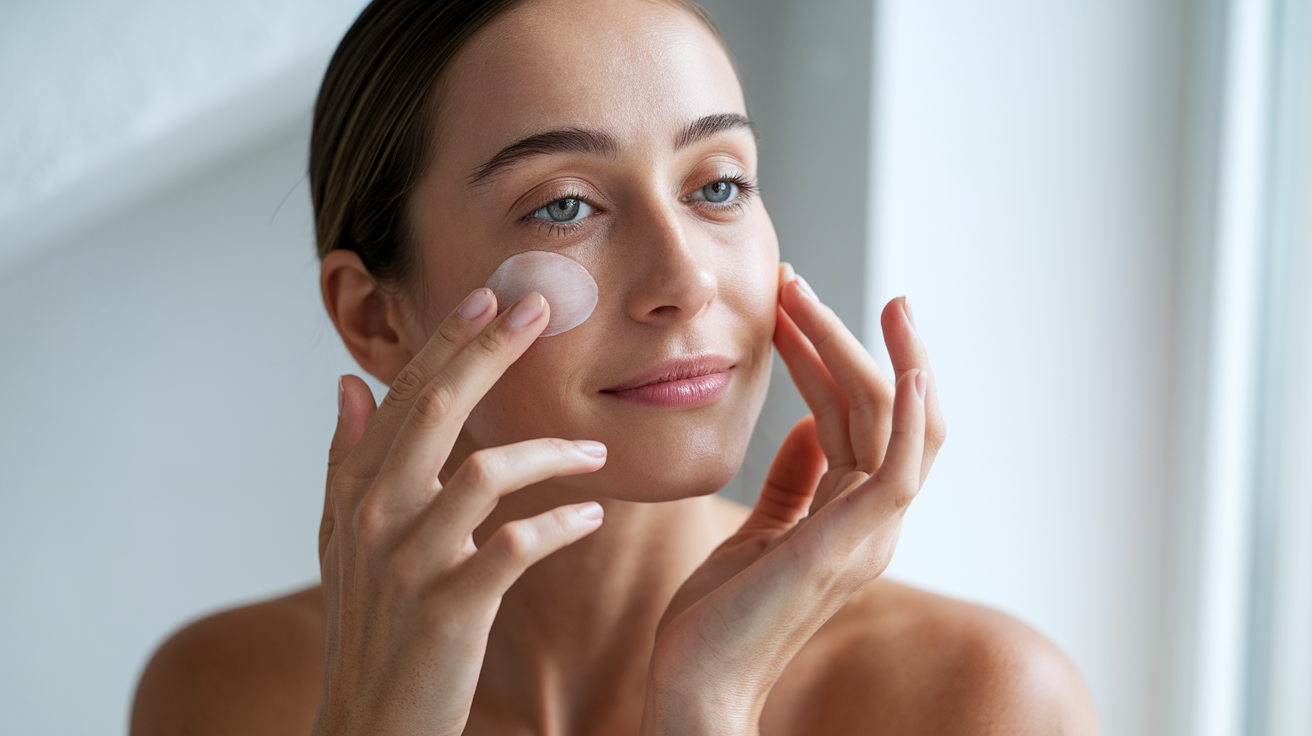
If you feel a sting or burn within minutes of applying your eye cream, that's your skin waving a red flag. A mild tingle might happen with certain active ingredients like retinol or vitamin C, but actual burning or visible redness means something is off. This can happen when the formula is too strong, contains a high percentage of actives, or includes a fragrance or preservative your skin doesn't tolerate.
Don't assume you need to push through discomfort to see benefits. The delicate under-eye area shouldn't feel like it's on fire. If redness lasts more than a few minutes or gets worse with each use, it's time to stop and reassess. Continuing to use an irritating product can weaken your skin barrier and make your under-eye area more reactive over time.
Increased Fine Lines and Unusual Dryness After Application
This one can be confusing because you're using an eye cream to help reduce the appearance of fine lines, not create more of them. But if your under-eye area looks more lined, crepey, or tight after applying your cream, the formula might be drying you out. Some eye creams contain alcohol, strong acids, or mattifying ingredients that can strip moisture instead of adding it.
When your skin gets dehydrated, fine lines become more visible. If you notice your concealer settling into creases more than usual or your skin looks parched by midday, your eye cream could be the culprit. A good eye cream should help your skin look smoother and more hydrated, not the opposite.
Small Bumps or Milia Formation Under the Eyes
Milia are those tiny white or flesh-colored bumps that sometimes pop up under your eyes. They happen when dead skin cells get trapped under the surface, often because a product is too heavy or occlusive for the area. If you start seeing these little bumps after using a new eye cream, especially a thick or oil-heavy one, your skin might not be able to process the formula properly.
Milia don't mean your skin is dirty or clogged in the traditional sense. They're more about the texture and weight of what you're applying. If you're prone to them, switching to a lighter, gel-based eye cream or one with gentle exfoliating ingredients might help. For more guidance on choosing the right formula for your skin, check out this affiliate one.
Tired of seeing under-eye lines before you see yourself?
If the tiny creases under your eyes make you look more tired than you feel, this guide shows the simple under-eye routine that helps soften the look of dry lines, crepey texture, and tired skin without guessing or wasting weeks on random products.
Watery Eyes or Excessive Tear Production
If your eyes start watering more than usual after applying your eye cream, your body is trying to flush out an irritant. This can happen when the product migrates into your eyes, either because you applied it too close to your lash line or because the formula is too fluid and travels with your natural body heat.
Certain ingredients like essential oils, fragrance, or strong actives can trigger this reaction. Your tear ducts are doing their job by protecting your eyes, but constant tearing can actually make your under-eye area look puffier and more irritated. If this happens regularly, you'll want to apply your eye cream further from the rim of your eye socket and choose a thicker formula that stays put.
Itching and Flaking Skin That Wasn't There Before
Itchy, flaky skin around your eyes is a classic sign of irritation or allergic reaction. If you suddenly develop dry patches, peeling, or an intense urge to rub your eyes, your eye cream might contain something your skin can't handle. Common culprits include fragrance, preservatives like formaldehyde-releasing agents, and certain botanical extracts.
Even natural ingredients can cause reactions. Just because something is plant-based doesn't mean it's gentle. If you're experiencing itching and flaking, stop using the product immediately and let your skin recover. You can support your skin barrier with a simple, fragrance-free moisturizer while you figure out what went wrong.
Darkening of Under Eye Area Instead of Brightening
You bought an eye cream to help brighten your under-eye area, but now it looks darker than before. What gives? This can happen due to post-inflammatory hyperpigmentation, which occurs when irritation causes your skin to produce more melanin. If your eye cream is too harsh or you're experiencing ongoing inflammation, your skin might darken as a protective response.
This is especially common with products containing high percentages of exfoliating acids or retinoids that aren't buffered for sensitive skin. If you notice your under-eye area looking shadowy or uneven after starting a new product, it's worth pausing use. For tips on navigating brightening ingredients without irritation, this affiliate one can help you choose gentler options.
Swelling or Puffiness That Worsens With Use
A little morning puffiness is normal, but if your eyes look more swollen after using your eye cream, something isn't right. This can happen if the formula is too rich and your skin can't absorb it, leading to fluid buildup. It can also be a sign of an allergic reaction or sensitivity to an ingredient.
Some eye creams are designed to depuff, but if yours is making things worse, it might be too occlusive or contain an ingredient that's triggering inflammation. Pay attention to when the swelling happens. If it's worse in the morning, you might be applying too much at night or using a formula that doesn't suit your skin type. Switching to a lightweight, cooling gel formula can sometimes make a big difference.
What to Do If Your Eye Cream Is Irritating Your Skin
If you're experiencing any of these signs, the first step is to stop using the product. Give your skin a break for at least a week and stick to gentle, fragrance-free basics. Once your skin has calmed down, you can slowly reintroduce a new eye cream, ideally one formulated for sensitive skin or with fewer active ingredients.
Patch testing is your friend. Before applying a new eye cream all over, test it on a small area like your inner arm or behind your ear for a few days. If no reaction occurs, you can cautiously try it around your eyes. And remember, more isn't better. A pea-sized amount is usually enough for both eyes.
Your under-eye skin deserves products that support it, not stress it out. Pay attention to how your skin responds, and don't be afraid to switch things up if something isn't working. Sometimes the simplest formulas are the most effective, especially when your skin is telling you it needs a gentler approach.