Disclosure: This post contains affiliate links. We may earn a commission at no extra cost to you.
How Long Does Eye Cream Take to Work? Real Timeline Expectations
Published: August 20, 2026
Ever wonder if your eye cream is actually doing anything, or if you're just spreading expensive moisturizer on your face? You're not alone. The under-eye area is one of the most frustrating spots to treat, and most people give up before they see any real change. The truth is, eye cream doesn't work overnight—but it does work on a timeline. If you know what to expect and when, you'll stop second-guessing your routine and start seeing smoother-looking skin.
Understanding Eye Cream Absorption: The First 24-48 Hours
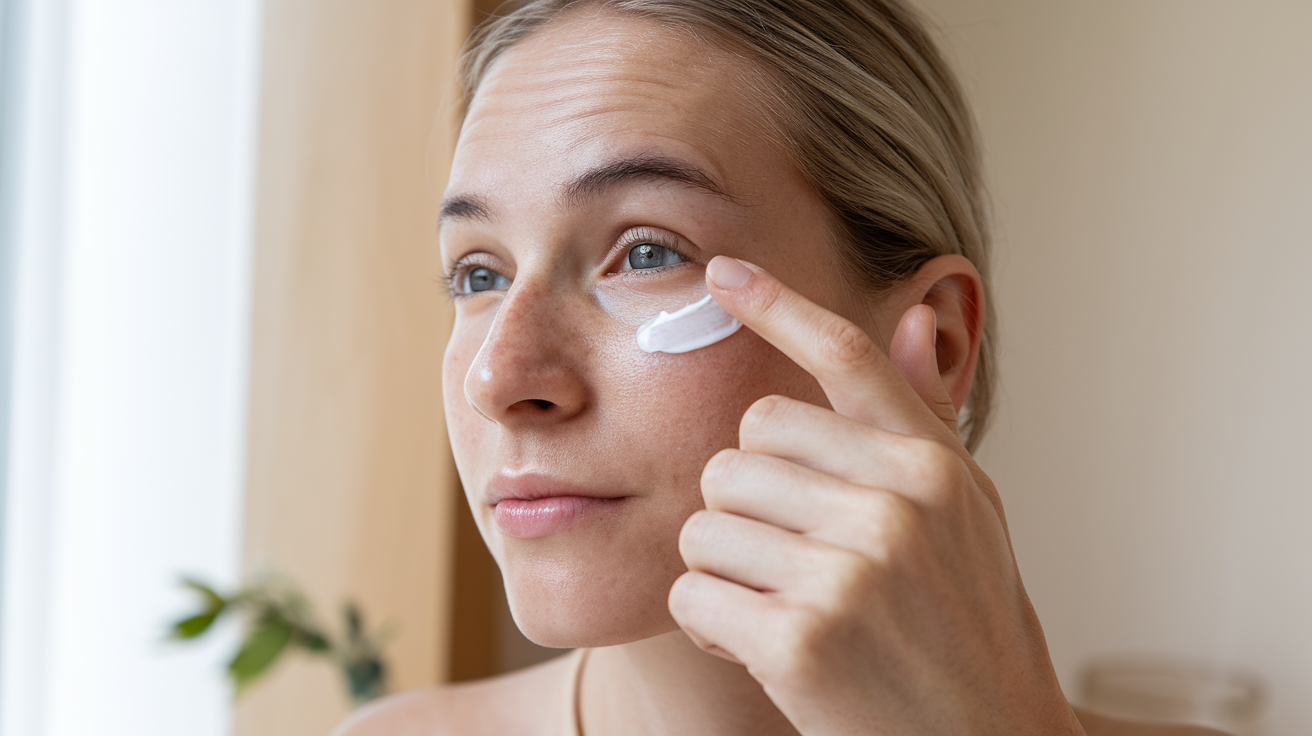
In the first day or two, your eye cream isn't delivering visible anti-aging results yet. But it is doing something important: hydrating the skin barrier.
The skin under your eyes is thinner than the rest of your face, which means it loses moisture faster. A good eye cream will start plumping that surface layer with hydration almost immediately. You might notice your under-eye area feels softer or looks less dry. Makeup might sit better. Fine lines caused by dehydration may look temporarily smoother.
But this isn't the same as long-term improvement. It's surface-level moisture, and it'll disappear if you stop using the product. Think of it like drinking water—you feel better right away, but you need consistency to see lasting change.
During this phase, focus on how the product feels. Does it absorb well? Does it irritate your eyes? Does it layer nicely under sunscreen or makeup? If the texture works for you, keep going. If it burns, pills up, or feels greasy, it's not the right formula—no matter how expensive it was.
Week 1-4: Early Signs Your Eye Cream is Working
By week two, you should notice your under-eye skin feels more comfortable. Dryness, tightness, and flakiness should be improving. If your eye cream contains gentle actives like peptides or niacinamide, your skin is starting to respond on a deeper level—but you won't see it yet.
Around week three or four, some people start to see early changes. The skin might look a bit brighter. Makeup might crease less. The under-eye area may look less tired, even on rough mornings. These are good signs, but they're subtle. Don't expect dramatic before-and-after moments yet.
This is also when people tend to quit. They don't see enough progress and assume the product isn't working. But here's the thing: skin cell turnover takes about 28 days. That means the skin you're looking at today was formed almost a month ago. The improvements you're building now won't fully show up until next month.
If you're using a retinol-based eye cream, you might experience some mild flaking or sensitivity during this phase. That's normal as your skin adjusts. Just make sure you're using it correctly—start slow, apply it at night, and always use sunscreen during the day.
Tired of seeing under-eye lines before you see yourself?
If the tiny creases under your eyes make you look more tired than you feel, this guide shows the simple under-eye routine that helps soften the look of dry lines, crepey texture, and tired skin without guessing or wasting weeks on random products.
Month 2-3: When to Expect Visible Under Eye Improvements
This is when eye cream starts to earn its keep. By the eight-week mark, most active ingredients have had enough time to make a visible difference—if they're going to.
Fine lines caused by dryness should look softer. The skin texture may appear smoother. Dark circles might look less prominent, especially if your formula includes brightening ingredients like vitamin C or caffeine. Puffiness may be less noticeable if you've been consistent with application and storage (keep your eye cream in a cool spot for extra de-puffing benefits).
If your eye cream contains retinol or bakuchiol, this is when you'll start seeing the real payoff. These ingredients encourage skin renewal and can help reduce the appearance of deeper lines and crepey texture over time. But they need patience. Most studies on retinol show visible improvement around the 12-week mark.
By month three, your under-eye area should look noticeably more rested and smoother compared to when you started. If you're taking progress photos (which is smart), this is when the difference becomes clear.
Keep in mind that eye cream won't erase deep wrinkles or completely transform your under-eye area. It can soften the appearance of fine lines, improve texture, and help your eyes look less tired. That's realistic. That's what good skincare does.
For a step-by-step breakdown of which ingredients work best and how to layer them properly, check out this affiliate one that walks you through the entire process.
What to Do If Your Eye Cream Isn't Showing Results
If you've been using your eye cream consistently for three months and you're not seeing any improvement, it's time to reassess.
First, check your ingredient list. Is your eye cream just a moisturizer? If it only contains hydrating ingredients like hyaluronic acid or glycerin, it'll make your skin feel nice, but it won't address lines or texture long-term. You need actives like retinol, peptides, niacinamide, or vitamin C for visible anti-aging benefits.
Second, make sure you're using enough product. A pea-sized amount is standard for both eyes. Too little won't give you results. Too much can cause irritation or milia (those tiny white bumps under the eyes).
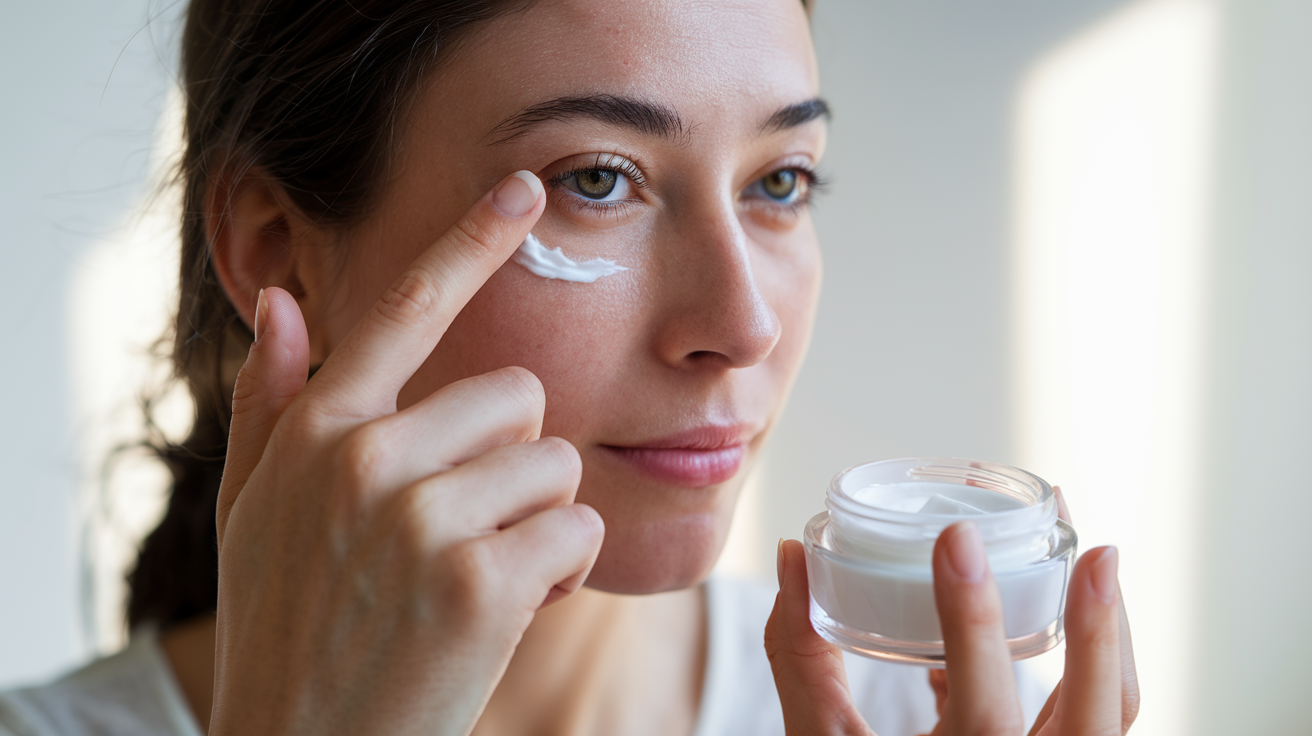
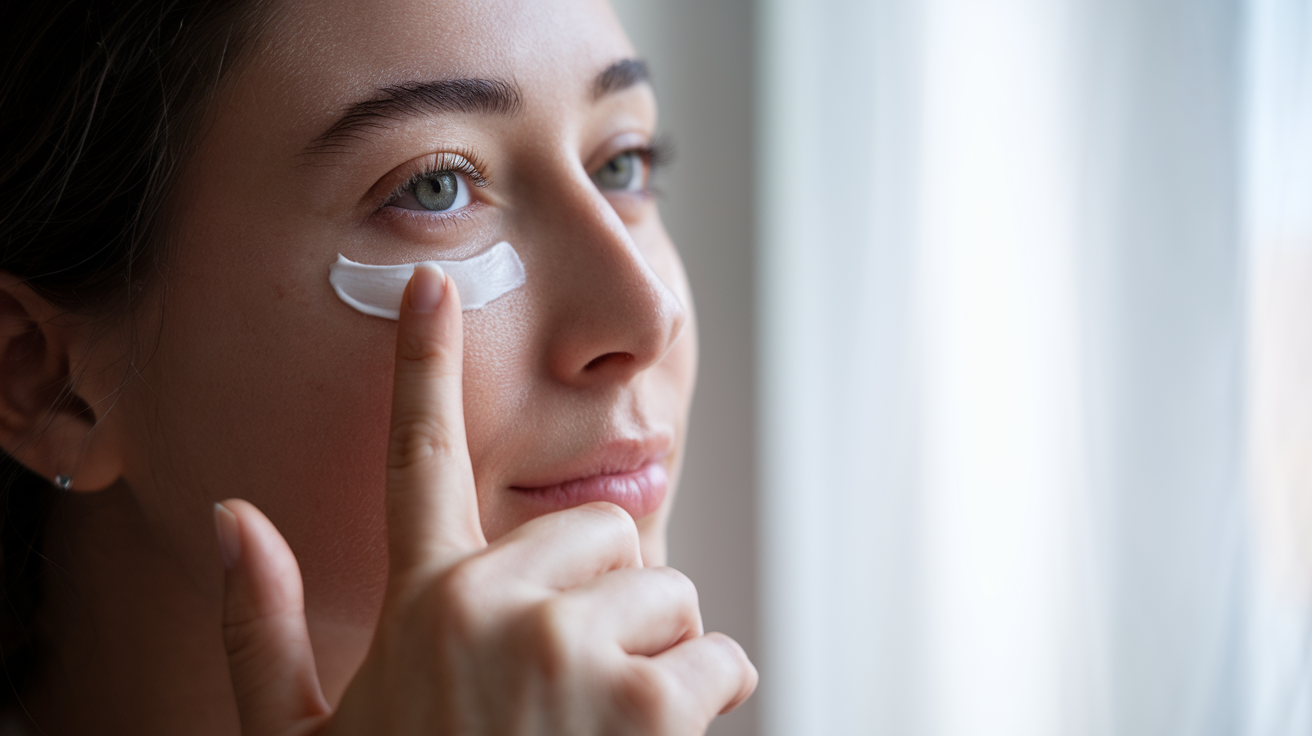
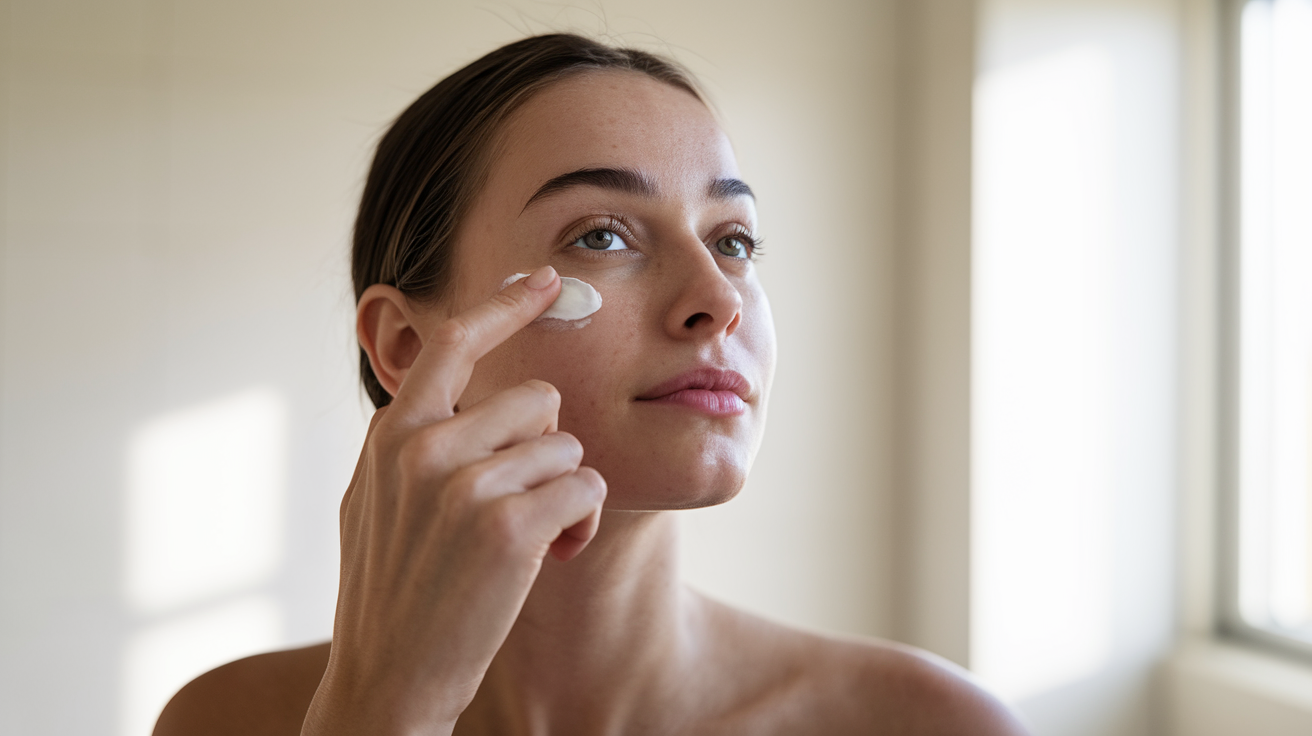
Third, consider your application technique. Eye cream should be gently patted onto the orbital bone, not rubbed into the skin. Start at the inner corner and work outward. Don't tug or pull. And don't apply it too close to your lash line—it can migrate into your eyes and cause puffiness.
Fourth, look at the rest of your routine. Are you wearing sunscreen every day? UV damage is the number one cause of premature aging, and no eye cream can undo sun damage if you're not protecting your skin. Are you getting enough sleep? Drinking enough water? Managing stress? Skincare works best when your overall habits support it.
If your eye cream checks all the boxes and you're still not happy, it might be time to switch formulas. Some people respond better to retinol. Others see more improvement with peptides or growth factors. It's not one-size-fits-all.
And if you want a clear comparison of which active ingredients work best for different under-eye concerns, this affiliate one breaks it all down in simple terms.
Eye cream isn't magic, but it is effective—when you use the right one, apply it correctly, and give it time. Most people quit too early or expect too much. Now you know the real timeline. Stick with it, and your under-eye area will thank you.