Disclosure: This post contains affiliate links. We may earn a commission at no extra cost to you.
Published July 16, 2026
Can You Mix Retinol and Peptides in Your Eye Cream Routine? The Ultimate Ingredient Pairing Guide
Have you ever stood in front of your skincare shelf wondering if you can use your retinol eye cream and peptide serum together, or if you're accidentally sabotaging your entire routine?
You're not alone. The under-eye area is delicate, and when you're investing in multiple treatments, the last thing you want is to make things worse by layering incompatible ingredients.
The good news is that retinol and peptides can absolutely work together in your eye cream routine when you know how to layer them correctly. In fact, combining these powerhouse ingredients might help you target multiple concerns at once—think smoother-looking skin paired with a firmer, more hydrated under-eye area.
Let's break down exactly how to mix these active ingredients safely, what works together, and which combinations you should skip entirely.
Understanding Active Ingredients: What Retinol, Peptides, and Hyaluronic Acid Actually Do
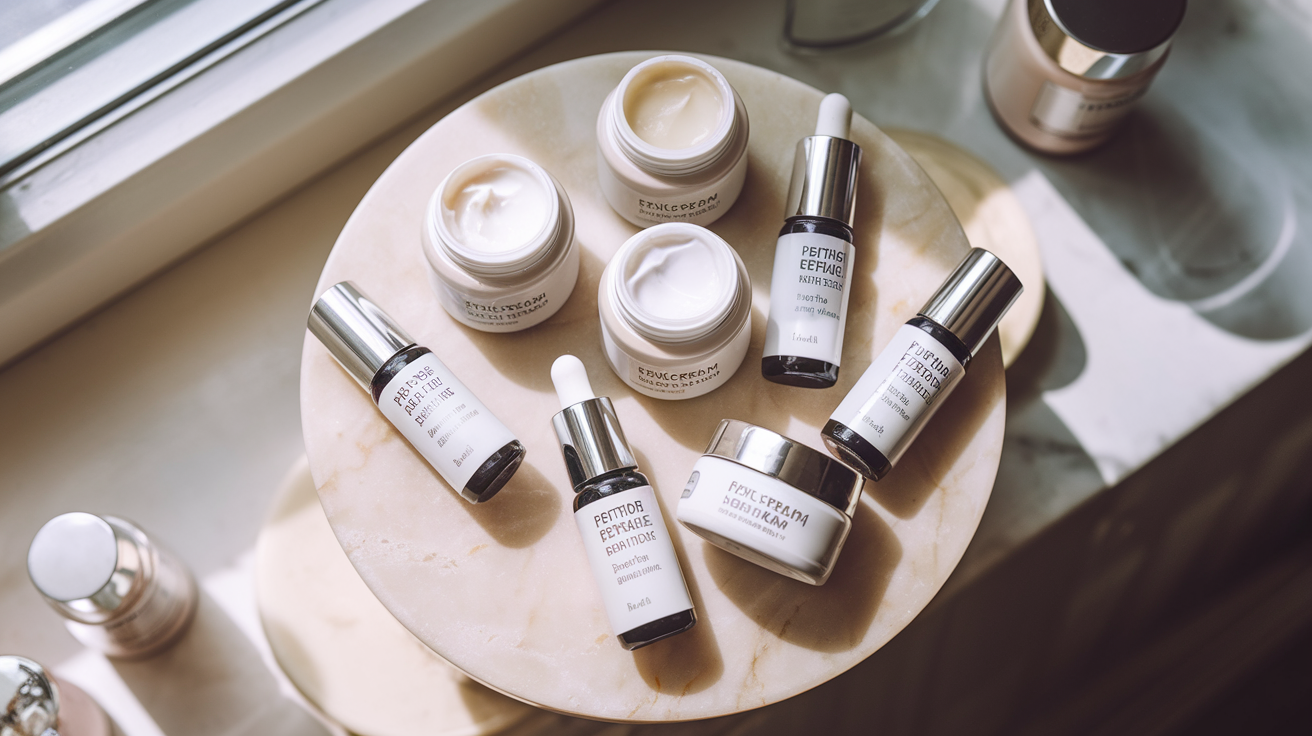
Before you start layering multiple eye creams, it helps to understand what each ingredient is actually doing to your skin.
Retinol is a vitamin A derivative that encourages cell turnover. It's known for helping to soften the appearance of fine lines and improve skin texture over time. Because retinol can be drying and sensitizing, especially around the delicate eye area, many people start with a lower concentration or use it only a few nights per week.
Peptides are short chains of amino acids that act as building blocks for proteins like collagen and elastin. When applied topically, peptides may help skin look firmer and smoother. They're generally gentle and well-tolerated, making them a popular choice for the under-eye area.
Hyaluronic acid is a humectant that draws moisture into the skin. It helps plump the appearance of fine lines caused by dehydration and keeps the skin barrier comfortable. Unlike retinol, hyaluronic acid is incredibly gentle and works well with almost every other ingredient.
Each of these ingredients targets different concerns, which is why combining them strategically can help you address multiple signs of aging without overloading your skin.
The Science Behind Ingredient Layering: What Works Together and What Doesn't
Not all skincare ingredients play nicely together. Some combinations can reduce effectiveness, while others might increase irritation.
Here's what you need to know about pairing retinol and peptides specifically:
Retinol and peptides are generally compatible. While there's an old myth that retinol degrades peptides, most modern formulations are pH-balanced to work together. The key is giving each ingredient time to absorb before applying the next layer.
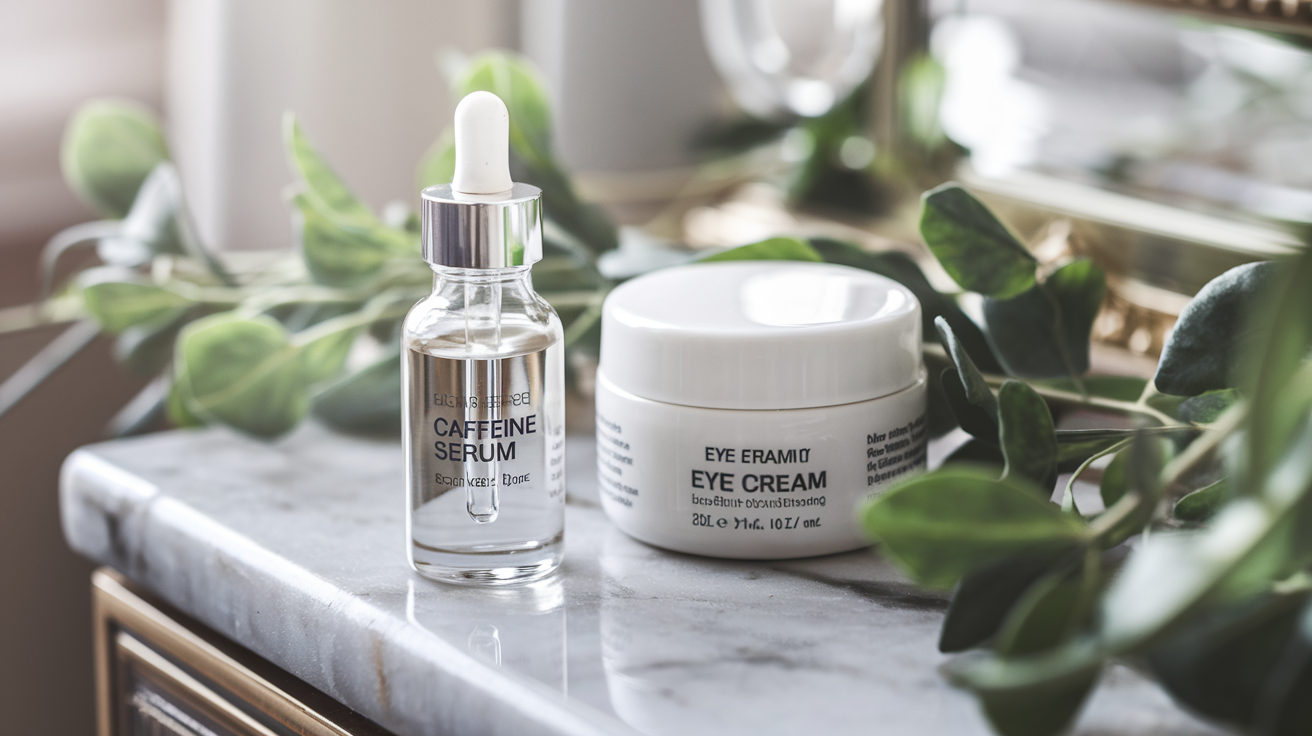
Hyaluronic acid works beautifully with both retinol and peptides. Because it's a hydrator rather than an active treatment, hyaluronic acid can be layered with virtually anything. In fact, using it alongside retinol can help counteract dryness and keep the skin barrier comfortable.
Vitamin C during the day, retinol at night. While vitamin C and retinol aren't necessarily incompatible, they work best when separated. Vitamin C is ideal for morning routines (it offers some environmental protection), while retinol is traditionally used at night when skin is in repair mode.
Avoid combining retinol with AHAs, BHAs, or other exfoliating acids around the eyes. This combination can lead to significant irritation, flaking, and sensitivity in the thin under-eye skin. If you're using retinol in your eye cream routine, skip the chemical exfoliants in that area entirely.
For a more detailed breakdown of ingredient compatibility and timing, check out this affiliate one that walks through advanced layering strategies.
Tired of seeing under-eye lines before you see yourself?
If the tiny creases under your eyes make you look more tired than you feel, this guide shows the simple under-eye routine that helps soften the look of dry lines, crepey texture, and tired skin without guessing or wasting weeks on random products.
Step-by-Step Guide: How to Layer Multiple Eye Creams Without Irritation
If you're ready to use both retinol and peptides in your eye cream routine, here's exactly how to layer them for the best results and minimal irritation.
Step 1: Start with clean, dry skin. After cleansing, gently pat your face dry. Wait a minute or two before applying anything to the eye area—this gives your skin a chance to settle and reduces the risk of irritation from applying actives to damp skin.
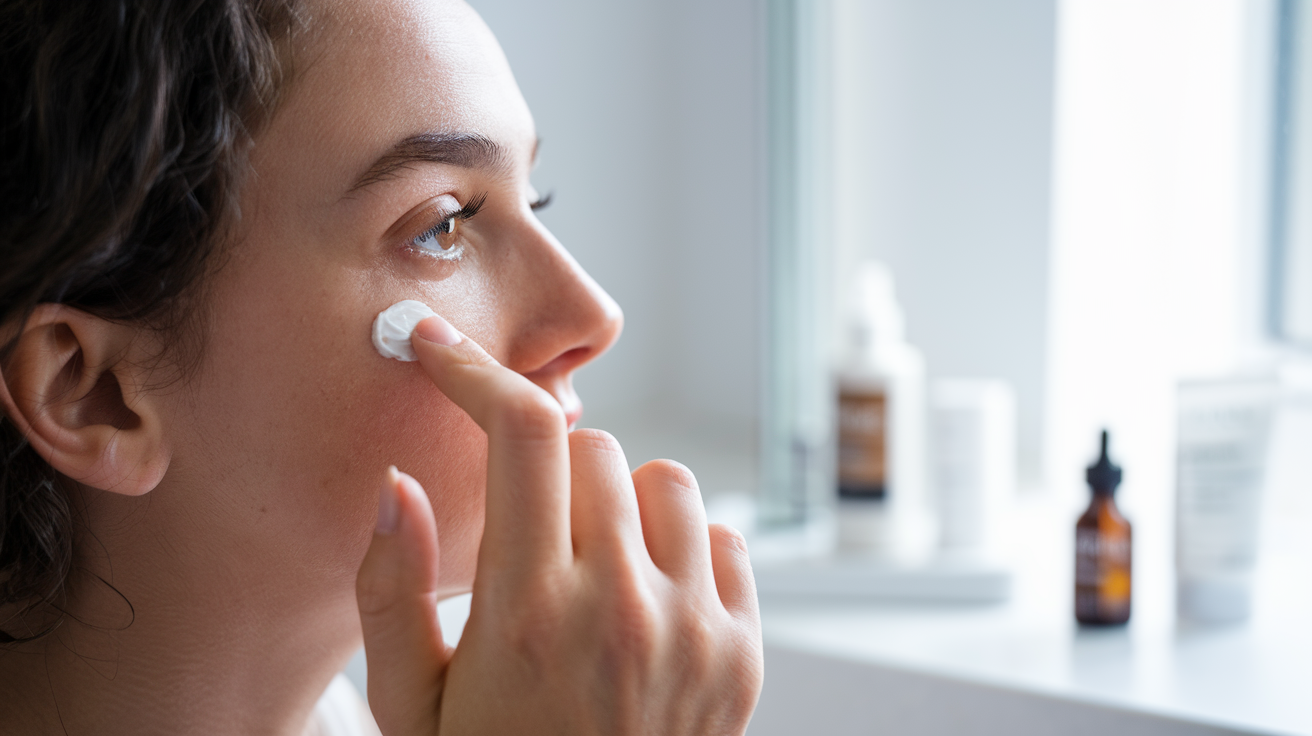
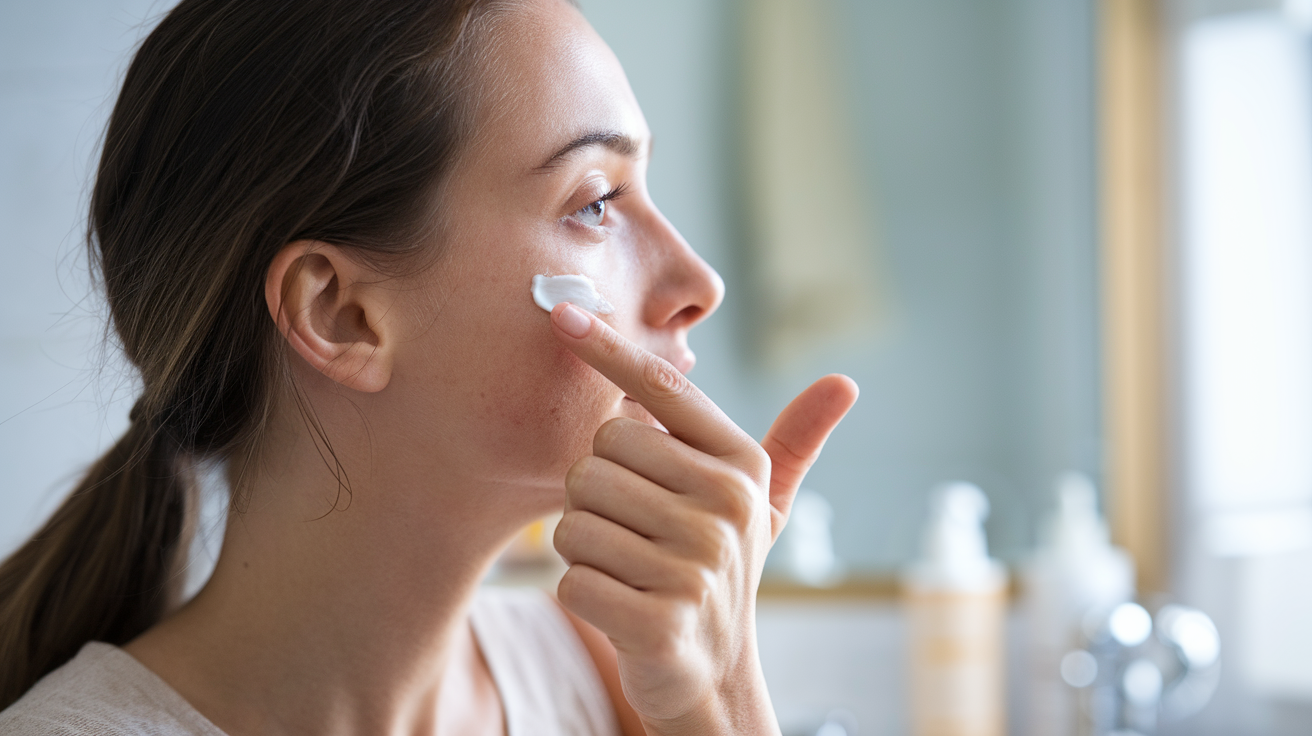
Step 2: Apply your peptide eye cream first. Peptides are gentle and hydrating, so they make an excellent first layer. Use your ring finger to gently tap a small amount along the orbital bone, avoiding the lash line. Let it absorb for about 30 seconds to a minute.
Step 3: Follow with a hyaluronic acid serum or eye cream. If your routine includes hyaluronic acid, apply it after peptides. This helps lock in moisture and creates a comfortable base for retinol. Again, let it absorb for at least a minute.
Step 4: Apply retinol eye cream last (at night only). Use a pea-sized amount for both eyes. Start by applying retinol just two or three nights per week, then gradually increase frequency as your skin adapts. Never apply retinol right up to the lash line—keep it on the orbital bone where skin is slightly thicker.
Step 5: Seal everything with a gentle moisturizer if needed. If your under-eye area feels tight or dry, you can gently pat on a thin layer of a fragrance-free face cream over your eye treatments. This technique, called buffering, can reduce irritation without compromising effectiveness.
Remember: Less is more around the eyes. You don't need a thick layer of product for it to work. Gentle tapping motions are always better than rubbing or tugging.
If you're still unsure about the exact order or timing, this affiliate one offers a visual routine breakdown that makes layering foolproof.
Common Ingredient Combinations That Can Age Your Under Eye Area Faster
While many ingredients work beautifully together, some combinations can backfire and make your under-eye area look more tired, not less.
Retinol + AHAs or BHAs: Combining retinol with glycolic acid, lactic acid, or salicylic acid around the eyes is a recipe for irritation. The under-eye skin is already thin and sensitive—doubling up on exfoliation can lead to redness, flaking, and even broken capillaries over time. Stick to one or the other, and save acids for other areas of your face.
Multiple retinoids at once: Using a retinol eye cream and a prescription retinoid like tretinoin in the same routine is overkill. More isn't better when it comes to retinoids. Over-exfoliating can compromise your skin barrier, making fine lines look more pronounced as your skin becomes dry and irritated.
Vitamin C + retinol in the same application: While not dangerous, applying both at the same time can reduce the effectiveness of each ingredient. Vitamin C works best at a lower pH, while retinol prefers a neutral environment. Separate them—vitamin C in the morning, retinol at night—for better results.
Benzoyl peroxide + retinol: If you're treating occasional breakouts near your eye area, avoid using benzoyl peroxide and retinol together. Benzoyl peroxide can deactivate retinol, rendering it useless. Use them on alternate nights if both are part of your routine.
Too many actives, too soon: Even compatible ingredients can cause problems if you pile on too many at once. If you're new to retinol or peptides, introduce one active ingredient at a time, wait a few weeks to see how your skin responds, then add the next. Patience prevents irritation and helps you identify what's actually working.
The bottom line? Retinol and peptides can absolutely be mixed in your eye cream routine—just follow the proper layering order, start slowly, and avoid combining retinol with other exfoliants. When used thoughtfully, these ingredients can help you maintain smoother-looking, more comfortable under-eye skin without the guesswork.