Disclosure: This post contains affiliate links. We may earn a commission at no extra cost to you.
7 Signs of Collagen Loss Under Your Eyes (And How to Fix Them)
Have you ever looked in the mirror and wondered why the delicate skin under your eyes suddenly looks different? You're not imagining things. The under-eye area is one of the first places where collagen loss becomes visible, and it can age your entire face faster than almost anything else.
The skin under your eyes is incredibly thin—about 0.5mm compared to 2mm on the rest of your face. This means even small amounts of collagen depletion show up quickly as fine lines, shadows, and textural changes. But here's the good news: once you understand what's happening and why, you can take targeted action to rebuild and protect this delicate area.
Let's explore the seven telltale signs that collagen is breaking down under your eyes, plus the science-backed solutions that actually work.

1. Crepey Texture and Thin Skin Appearance
When collagen levels drop, the skin under your eyes starts to look like crepe paper—thin, wrinkled, and almost transparent. You might notice tiny wrinkles that weren't there before, especially when you smile or squint.
This happens because collagen acts like the scaffolding of your skin. When that structure weakens, the skin literally becomes thinner and loses its smooth surface. The delicate under-eye area shows this change first because it has fewer oil glands and is constantly in motion from blinking and facial expressions.
The crepey texture often makes concealer settle into fine lines instead of smoothing them away, which can be incredibly frustrating when you're trying to look refreshed.
2. Increased Fine Lines and Loss of Elasticity
Those crow's feet at the outer corners of your eyes? They're often the first visible sign of collagen and elastin breakdown. When you're young, your skin snaps back after you smile. But as collagen depletes, those expression lines start sticking around even when your face is relaxed.
Elasticity loss means your skin has trouble bouncing back to its original position. You can test this by gently pulling the skin under your eye and watching how quickly it returns. Slower recovery indicates reduced collagen and elastin fibers.
This sign often appears in your late 20s or early 30s, making it one of the earliest warnings that your collagen production is slowing down.
3. Hollowing and Deepening Under Eye Shadows
Dark circles are one thing, but actual hollowing creates shadows that no amount of brightening cream can fix. This happens when the fat pads under your eyes begin to shift forward and downward due to weakened collagen support structures.
As collagen depletes, you lose volume in the tear trough area (that groove between your lower eyelid and cheek). This creates a sunken appearance that makes you look tired even after a full night's sleep.
The shadowing effect happens because light hits the hollow differently, creating dark-looking areas that are actually just depth changes in your facial structure.

Want more tips? Join our free newsletter
4. Slower Recovery from Puffiness and Inflammation
Notice that morning puffiness is sticking around longer than it used to? Collagen plays a crucial role in drainage and fluid movement under the skin. When collagen weakens, the lymphatic system doesn't work as efficiently in that area.
Healthy, collagen-rich skin bounces back from puffiness within an hour or two of waking up. But depleted collagen means fluid can accumulate and linger, creating bags that last most of the day.
This also means any inflammation from allergies, rubbing, or irritation takes longer to resolve, keeping your under-eye area looking swollen and tired.
What Causes Collagen Depletion in the Eye Area
Understanding the enemy is half the battle. Several factors accelerate collagen breakdown specifically around the eyes:
Sun exposure is the number one culprit. UV rays break down collagen fibers faster than your body can replace them. The eye area often gets missed during sunscreen application, making it especially vulnerable.
Repetitive movements from squinting, rubbing, and facial expressions create mechanical stress that breaks down collagen over time. We blink about 15,000 times per day, putting constant pressure on this delicate area.
Natural aging reduces collagen production by about 1% per year after age 20. By your 40s, you're producing significantly less than you did in your youth.
Poor sleep, smoking, and high sugar intake all accelerate collagen degradation throughout your body, with visible effects showing up first under the eyes.
Best Ingredients to Boost Collagen Production
Not all eye creams are created equal. If you want to actually rebuild collagen rather than just temporarily plump the skin, look for these powerhouse ingredients:
Retinol is the gold standard for stimulating collagen production. It increases cell turnover and signals your skin to make more collagen. For the sensitive eye area, start with a low concentration (0.25-0.5%) designed specifically for this zone.
Vitamin C is essential for collagen synthesis. Your body literally cannot make collagen without it. Look for stable forms like tetrahexyldecyl ascorbate in eye serums.
Peptides are short chains of amino acids that signal your skin to produce more collagen. Matrixyl 3000 and Argireline are particularly effective for the under-eye area.
Niacinamide strengthens the skin barrier and supports collagen production while reducing inflammation that can accelerate aging.
For a comprehensive breakdown of which products contain these ingredients in the most effective concentrations, check out this affiliate one that ranks the top collagen-boosting eye treatments.
Daily Habits to Protect and Rebuild Collagen
Even the best products won't work if your daily habits are sabotaging your collagen. Here's what actually makes a difference:
Wear sunglasses and SPF every single day. Choose sunglasses that block 100% of UVA and UVB rays, and apply mineral sunscreen specifically formulated for the eye area. This one habit can prevent more collagen loss than any cream can repair.
Sleep on your back. Pressing your face into a pillow creates mechanical stress that breaks down collagen. If side-sleeping is unavoidable, invest in a silk pillowcase to reduce friction.
Stay hydrated and eat collagen-supporting foods. Bone broth, wild-caught fish, and vitamin C-rich foods give your body the building blocks it needs. Hydration keeps skin plump while collagen rebuilds.
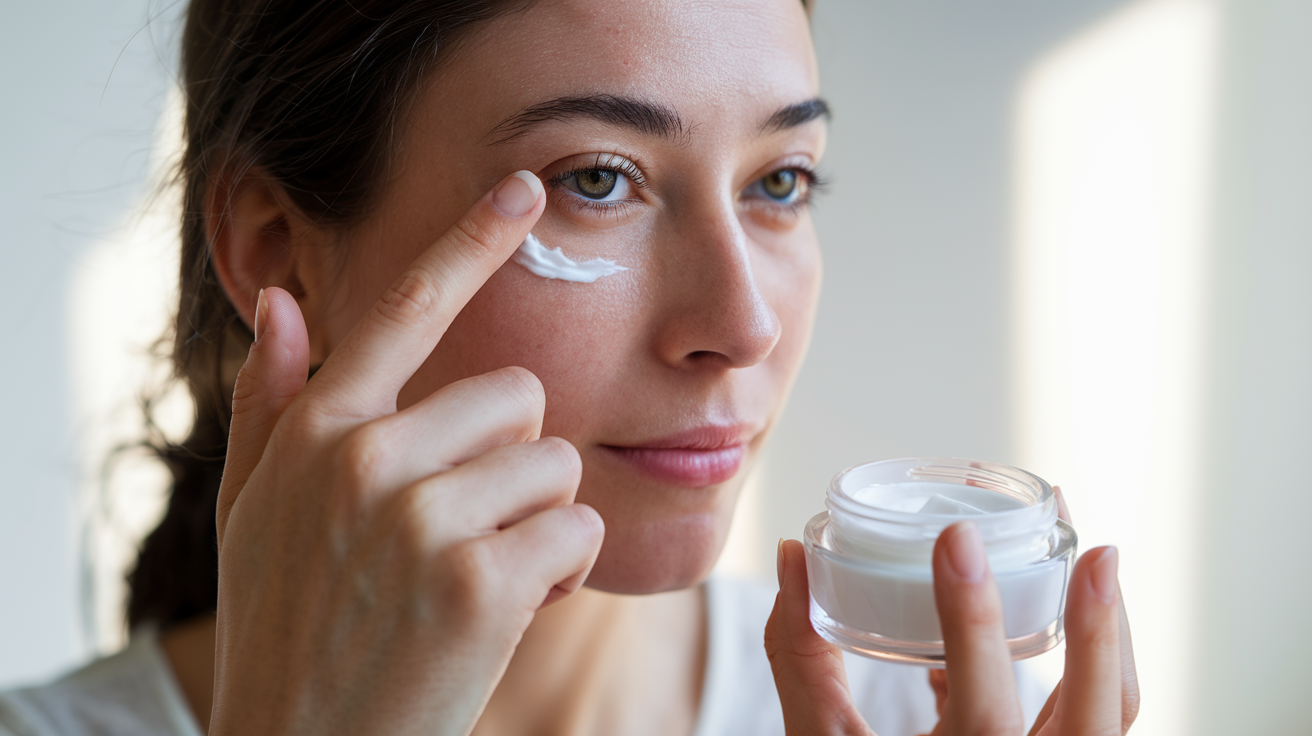
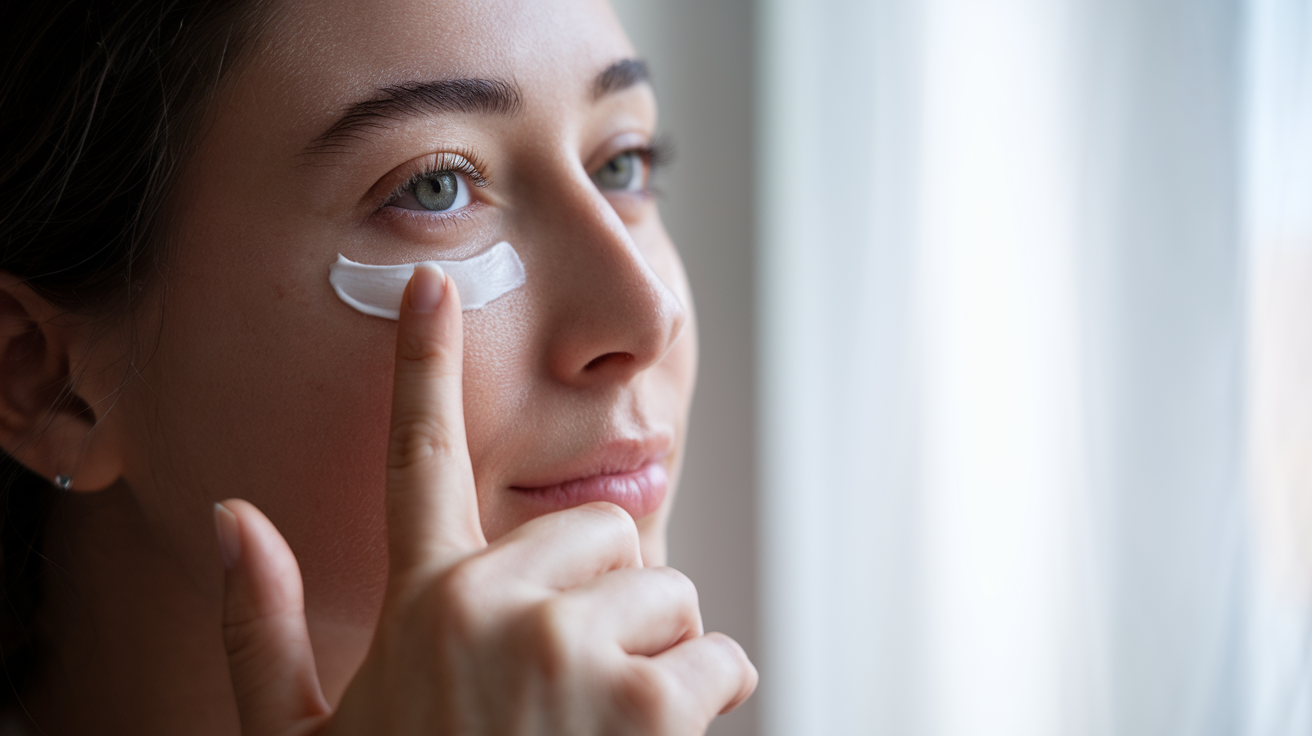
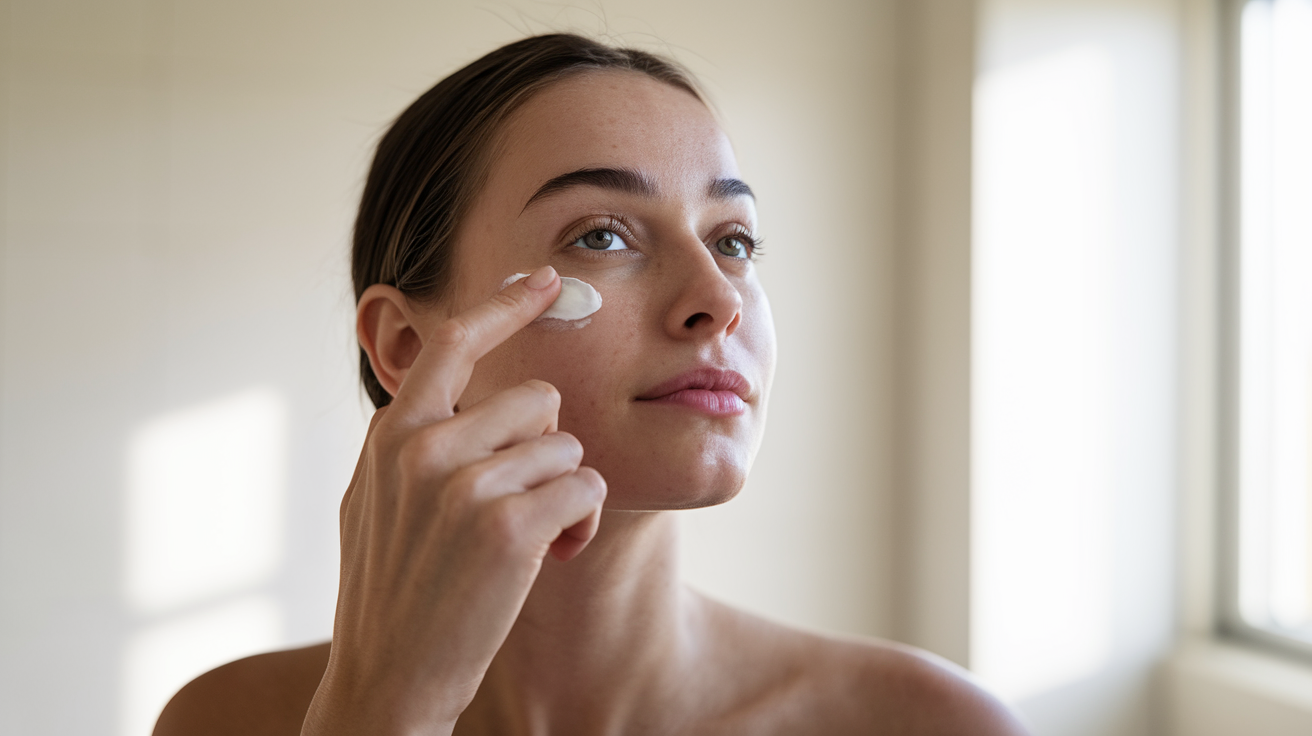
Never tug or rub the eye area. Pat on products gently with your ring finger (it applies the least pressure). Remove eye makeup with a pre-soaked pad rather than rubbing with cotton balls.
Use a humidifier at night. Dry air accelerates moisture loss, which makes collagen depletion more visible. A humidifier helps maintain skin hydration while you sleep.
If you're ready to create a complete collagen-rebuilding routine, this affiliate one walks you through exactly which products to use and in what order for maximum results.
The under-eye area might be the first place to show collagen loss, but it also responds beautifully to targeted care. With the right ingredients, protective habits, and a bit of patience, you can rebuild firmness, smooth out fine lines, and restore that youthful brightness that makes you look well-rested and radiant.
Start with one or two changes today, and your future self will thank you every time you look in the mirror.