Disclosure: This post contains affiliate links. We may earn a commission at no extra cost to you.
Eye Cream vs Face Moisturizer: Why Your Under Eye Area Needs Special Treatment
Published August 13, 2026
Have you ever wondered if you really need a separate product just for the thin skin under your eyes, or if your face moisturizer can do double duty? It's one of the most common questions in skincare, and the answer might surprise you. While it's tempting to simplify your routine and skip the extra step, the delicate under-eye area has unique needs that most face moisturizers simply aren't designed to address. Understanding the differences between eye cream and face moisturizer can help you make smarter choices for smoother-looking, less tired-looking eyes.

Why the Under Eye Area Is Different From the Rest of Your Face
The skin around your eyes is thinner than anywhere else on your face. In fact, it's about ten times thinner than the skin on your cheeks. This means it has fewer oil glands, less collagen support, and a weaker moisture barrier.
Because of this delicate structure, the under-eye area shows signs of aging faster. Fine lines, dryness, and crepey texture often appear here first, even when the rest of your face still looks smooth.
This thin skin is also more prone to irritation. Ingredients that work perfectly on your cheeks or forehead might cause stinging, redness, or puffiness around your eyes. That's why eye creams are formulated differently—gentler, more hydrating, and designed to support this fragile area without overwhelming it.
The under-eye area is also constantly in motion. Every time you blink, smile, or squint, the skin flexes and creases. Over time, these repeated movements can lead to visible lines, especially when the skin lacks adequate moisture and support.
Key Differences Between Eye Cream and Face Moisturizer Formulations
Eye creams and face moisturizers may look similar, but their formulations are intentionally different.
Face moisturizers are designed for the thicker, more resilient skin on your cheeks, forehead, and chin. They often contain higher concentrations of active ingredients like retinol, alpha hydroxy acids, or fragrances—ingredients that can be too harsh for the sensitive eye area.
Eye creams, on the other hand, are formulated with gentler, more targeted ingredients. They typically include hydrating agents like hyaluronic acid, peptides, ceramides, and antioxidants that help reduce the appearance of fine lines and dryness without causing irritation.
The texture is different too. Eye creams are usually lighter and absorb more quickly, so they don't migrate into your eyes or cause puffiness. Face moisturizers can be richer and heavier, which might feel too thick or greasy under the eyes, especially if you wear makeup.
Another key difference is pH balance. The skin around your eyes has a slightly different pH than the rest of your face, and eye creams are often calibrated to match that delicate balance.
Tired of seeing under-eye lines before you see yourself?
If the tiny creases under your eyes make you look more tired than you feel, this guide shows the simple under-eye routine that helps soften the look of dry lines, crepey texture, and tired skin without guessing or wasting weeks on random products.
What Happens When You Use Face Moisturizer Around Your Eyes
Using your regular face moisturizer under your eyes won't necessarily cause harm, but it's not ideal—and in some cases, it can make things worse.
If your face moisturizer contains active ingredients like retinol, glycolic acid, or salicylic acid, applying it near your eyes can lead to irritation, redness, or flaking. These ingredients are powerful on thicker skin, but they can be too aggressive for the delicate under-eye area.
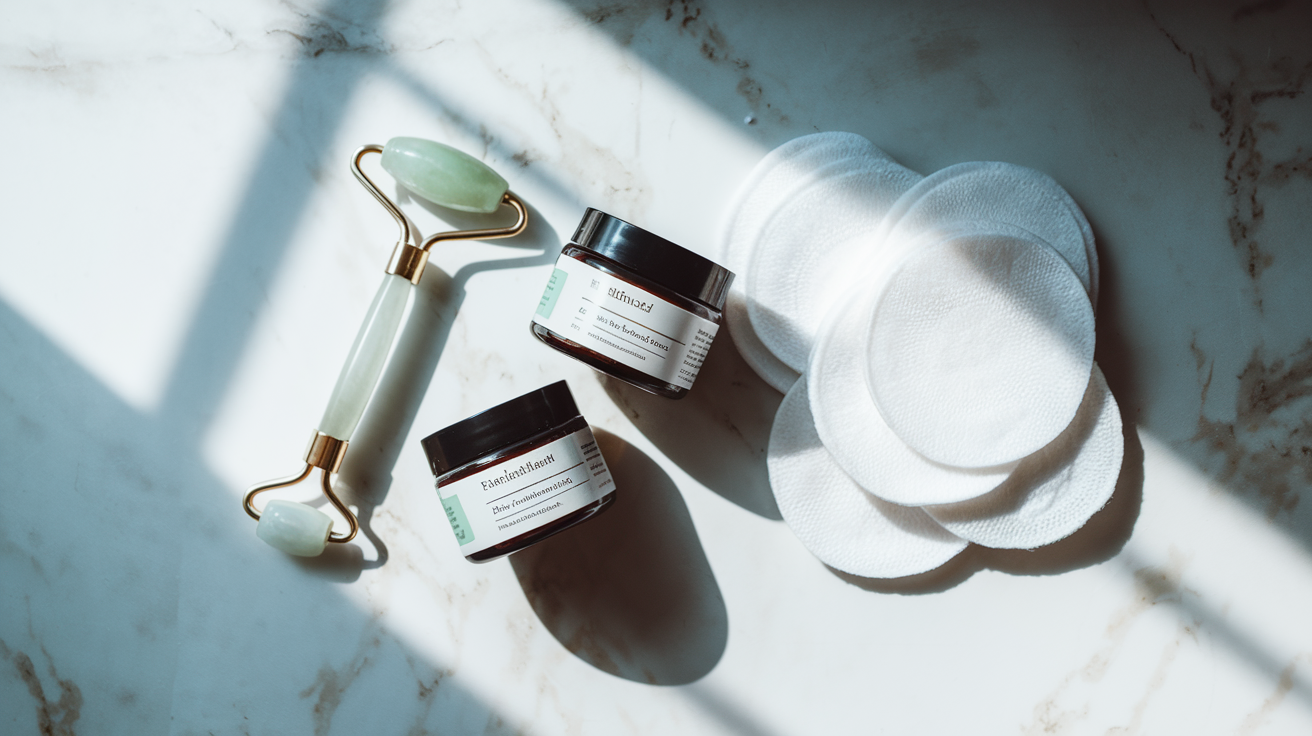
Fragrances and essential oils commonly found in face creams can also trigger sensitivity. You might notice stinging, watering eyes, or puffiness—all signs that the formula is too strong for that zone.
Even if your face moisturizer is gentle, it might not provide the targeted support your under-eye area needs. It may lack the specific hydrating and firming ingredients that help reduce the appearance of fine lines and crepey texture.
On the flip side, some face moisturizers are too heavy or occlusive for the under-eye area. They can cause milia—those tiny white bumps that form when oil and skin cells get trapped under the surface. If you've noticed these around your eyes, your moisturizer might be the culprit.
If you want to learn more about how to build a complete under-eye routine, check out this affiliate one for step-by-step guidance tailored to your specific concerns.
How to Choose the Right Eye Cream for Your Specific Concerns
Not all eye creams are created equal, and the right one for you depends on what you're trying to address.
If your main concern is dryness and fine lines, look for eye creams with hyaluronic acid, glycerin, and ceramides. These ingredients help plump and hydrate the skin, making it look smoother and less crepey.
For dark circles, consider formulas with caffeine, niacinamide, or vitamin C. These ingredients can help brighten the under-eye area and reduce the appearance of discoloration over time.
If you're dealing with puffiness, lightweight gels with caffeine or cooling applicators can help constrict blood vessels and temporarily reduce swelling.
For more mature skin showing visible lines and loss of firmness, peptides and antioxidants like vitamin E can support the skin's natural resilience and help it look more lifted and smooth.
Texture matters too. If you wear makeup, choose a fast-absorbing eye cream that layers well under concealer. If you prefer richer textures, a nourishing balm might feel more comforting, especially at night.
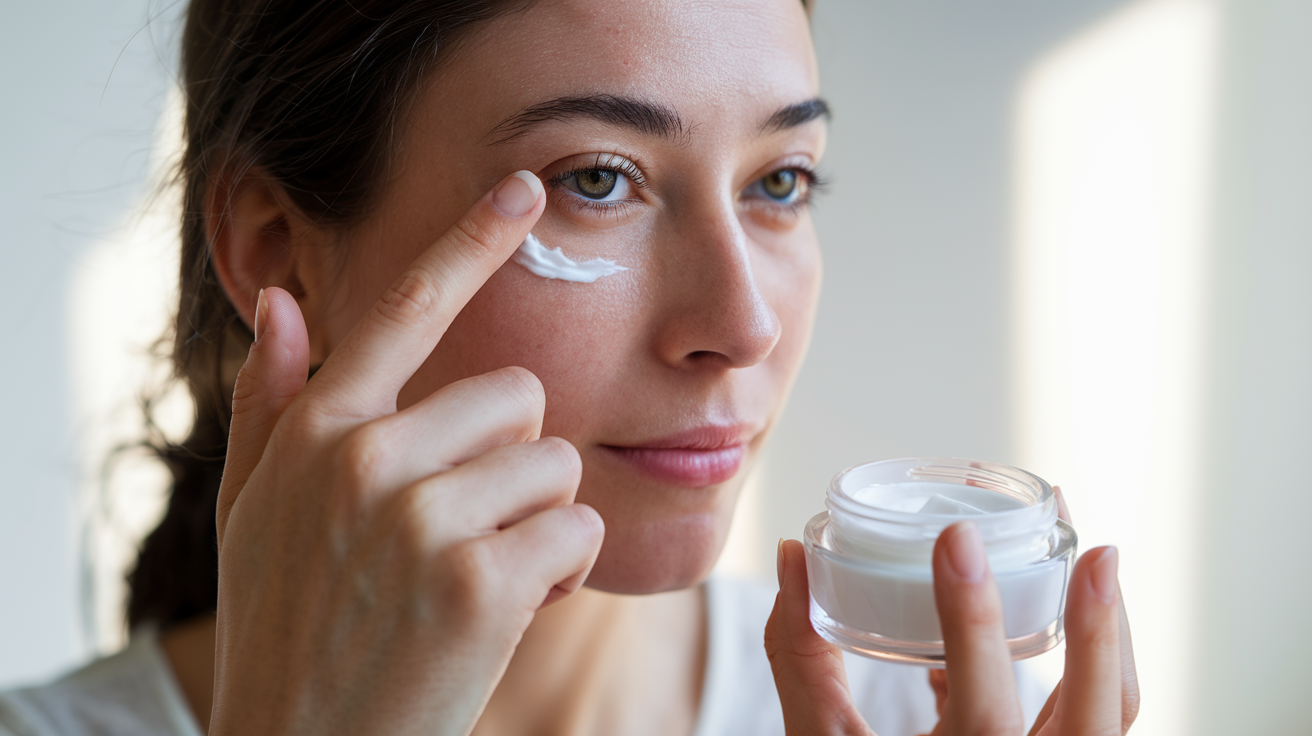
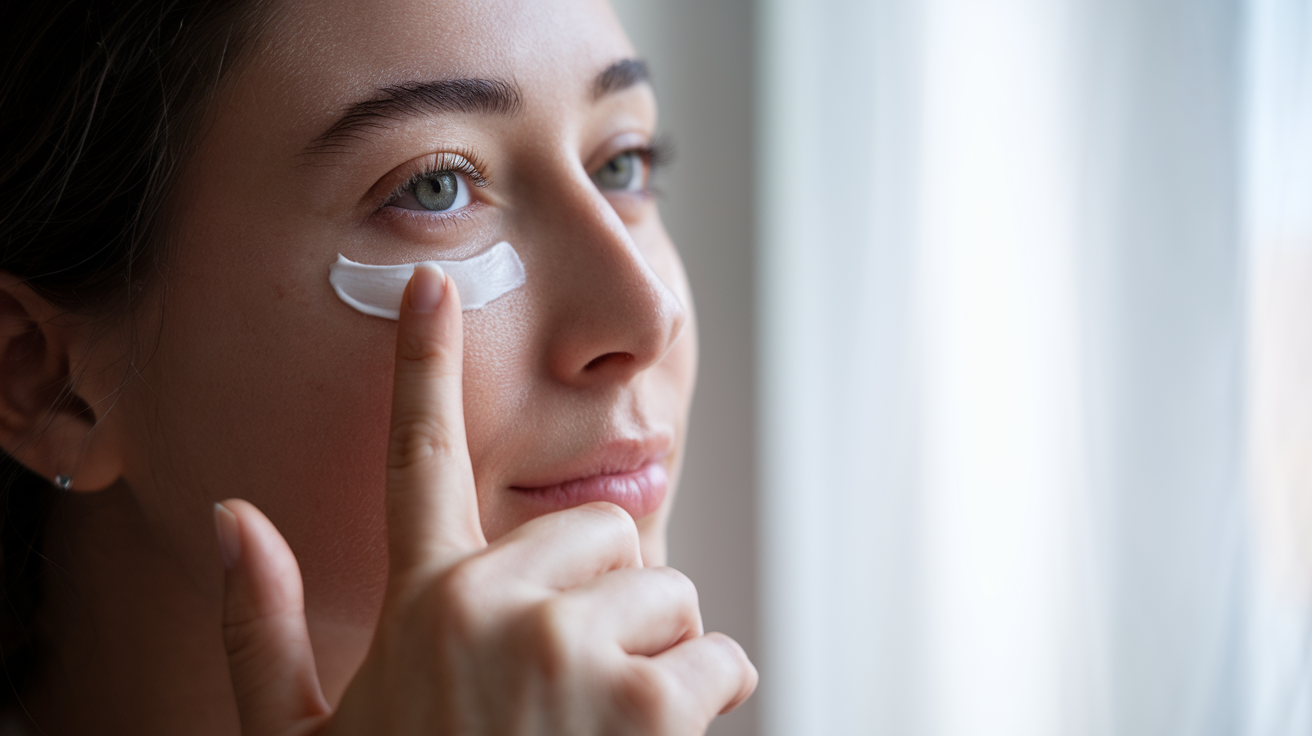
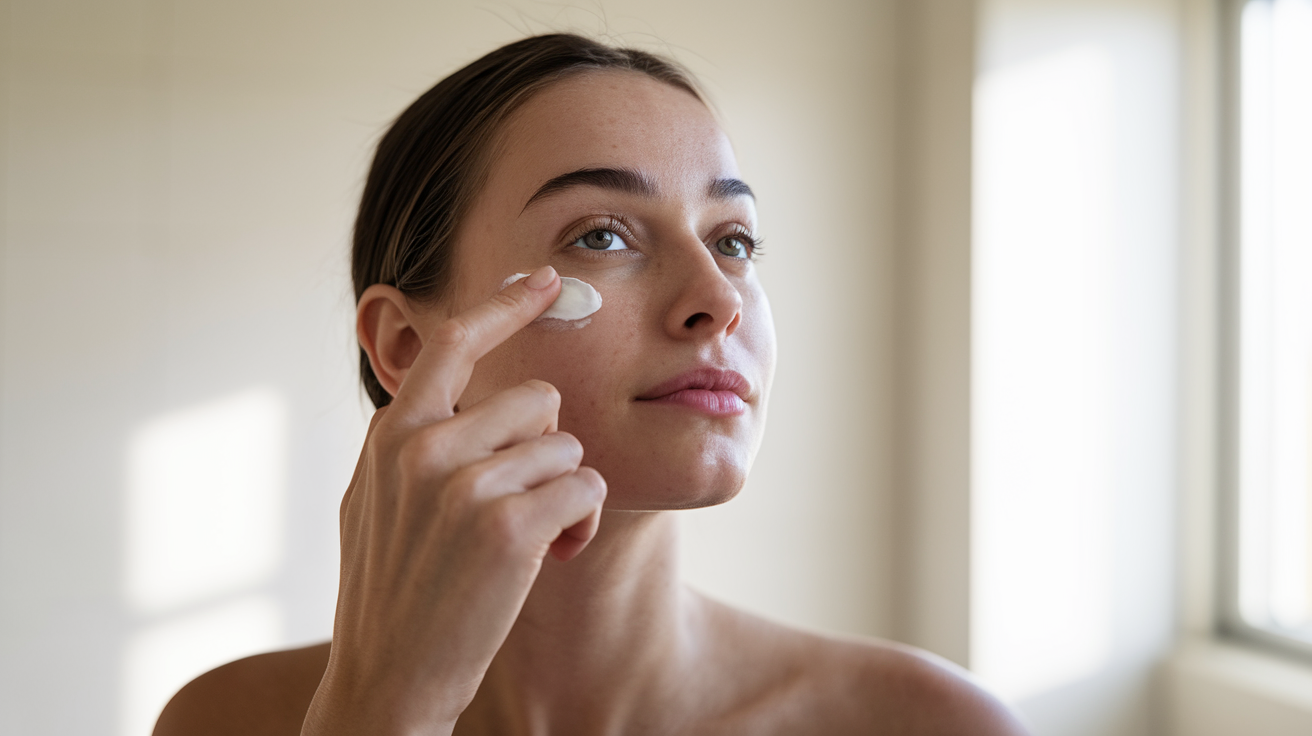
Always patch test a new eye cream on a small area first, especially if you have sensitive skin. Apply it gently with your ring finger—the weakest finger—to avoid tugging or pulling on the delicate skin.
And remember, consistency is key. Eye creams work best when used morning and night as part of a complete skincare routine. For a deeper dive into choosing and using eye treatments effectively, this affiliate one offers helpful insights you can start using today.
The bottom line? Your under-eye area deserves its own specialized care. While face moisturizer can work in a pinch, a well-formulated eye cream is worth the extra step if you want to support smoother-looking, more rested-looking eyes over time.