Disclosure: This post contains affiliate links. We may earn a commission at no extra cost to you.
Eye Cream Thick vs Thin: Which Texture Works Best for Under Eye Wrinkles
Have you ever stood in front of the eye cream section wondering whether that rich, buttery formula or the lightweight gel will actually make your under-eye area look smoother? You're not alone. Texture isn't just about how the product feels—it can actually affect how well it supports your specific skin needs and concerns around those delicate eye wrinkles.
The truth is, neither thick nor thin textures are universally better. The right choice depends on your skin type, the specific under-eye issues you're dealing with, and even the time of day you're applying it. Let's break down what each texture brings to the table so you can make a confident choice.
Understanding Eye Cream Texture Types and What They Mean
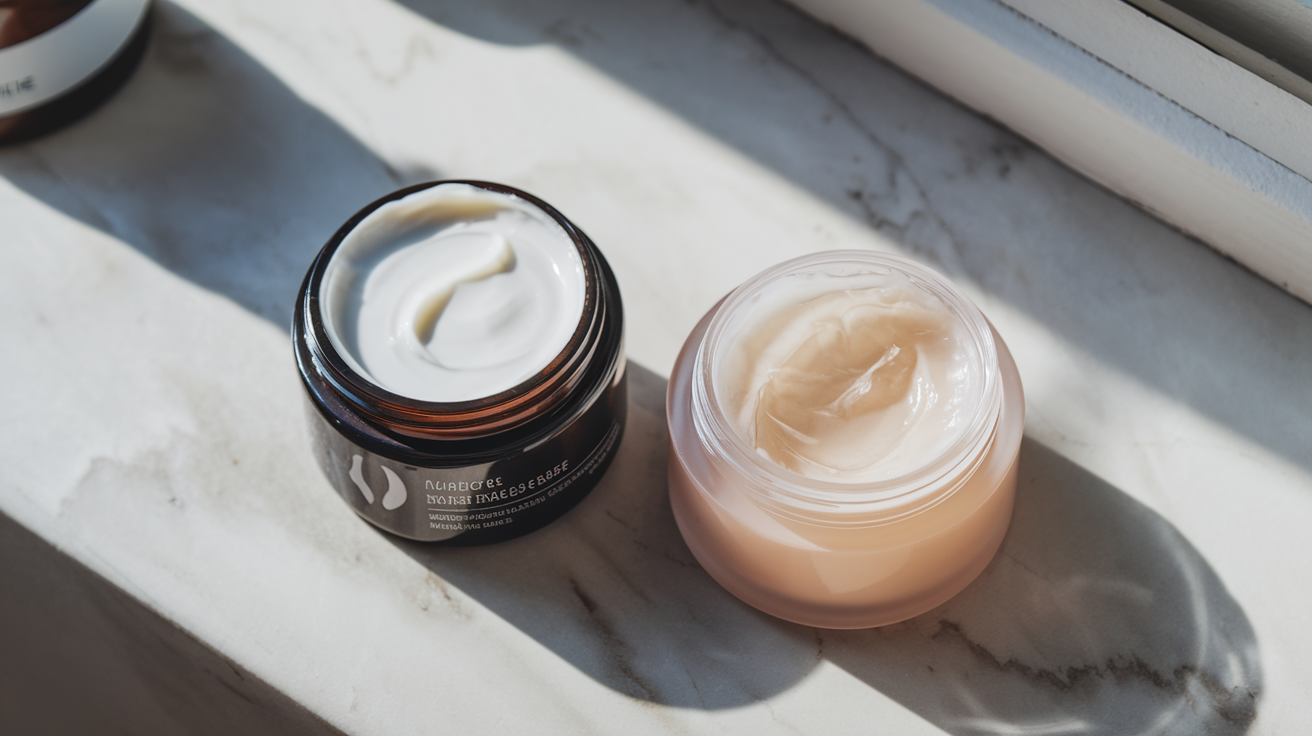
Eye cream textures fall along a spectrum from rich and dense to light and watery. Thick creams typically contain more occlusives like shea butter, petrolatum, or heavier oils that create a protective barrier on the skin. These formulas feel substantial when you touch them and take a bit longer to absorb.
Thin textures—like gels, serums, and lotion-like creams—have higher water content and lighter emollients. They sink in quickly and often feel cooling or refreshing on contact. The texture doesn't necessarily tell you about the active ingredients inside, but it does affect how those ingredients are delivered and how the product sits under makeup or on your skin throughout the day.
Some formulas blend both worlds with a gel-cream hybrid that starts light but leaves a slightly cushioned finish. Understanding these differences helps you match the feel and function to what your under-eye skin actually needs.
Thick Creamy Eye Creams: Benefits and Best Skin Types
Rich, thick eye creams excel at creating a moisture barrier that helps prevent water loss from the skin's surface. If your under-eye area feels tight, looks crepey, or shows more pronounced lines when you're dehydrated, a heavier texture might offer the support you're looking for.
These formulas work especially well for dry and mature skin types. The thicker consistency helps soften the appearance of fine lines by plumping the skin with moisture and sealing it in. They also tend to feel comforting during colder months when indoor heating strips moisture from your face.
One downside? Thick creams can feel heavy on oily or combination skin, and they may not layer well under concealer or sunscreen. If your makeup tends to slide or pill around your eyes, a rich cream applied in the morning might be the culprit. For daytime use, consider applying a smaller amount or saving the heavier formula for your nighttime routine.
Tired of seeing under-eye lines before you see yourself?
If the tiny creases under your eyes make you look more tired than you feel, this guide shows the simple under-eye routine that helps soften the look of dry lines, crepey texture, and tired skin without guessing or wasting weeks on random products.
The best candidates for thick eye creams are those with naturally dry skin, visible crepiness, or skin that feels uncomfortable without a layer of moisture. If you've tried lighter products and still notice your under-eye area looking parched by midday, a richer formula could make a noticeable difference in how smooth and comfortable that area feels.

Lightweight Gel and Serum Textures: When to Choose Them
Lightweight eye treatments deliver active ingredients without the weight. Gels and serums absorb almost instantly, making them ideal for layering under makeup or sunscreen. If you wear concealer daily or have oily-prone skin, a thin texture won't interfere with your routine or cause buildup in the creases.
These formulas often contain humectants like hyaluronic acid or glycerin that draw moisture into the skin rather than sitting on top of it. That makes them excellent for plumping the look of fine lines without adding shine or heaviness. They're also a smart choice during warmer months when thick creams can feel suffocating.
However, lightweight textures may not provide enough moisture barrier for very dry or mature skin on their own. If you choose a gel or serum, you might need to follow it with a light moisturizer or facial oil to lock in hydration—especially at night. Think of thin textures as the first layer that delivers actives, not necessarily the final protective step.
People with puffiness also tend to prefer gel formulas because they feel cooling and less likely to contribute to that heavy, swollen look. If your main concern is fluid retention rather than dryness, a gel can feel more refreshing and less congesting around the eye area.
Matching Eye Cream Texture to Your Under Eye Concerns
If your primary concern is fine lines caused by dryness, a medium-to-thick cream will likely serve you better. The occlusive ingredients help smooth the look of those tiny creases by keeping the skin barrier intact and hydrated. Look for formulas with ceramides, peptides, or nourishing oils that support skin texture over time.
For early signs of aging on normal or combination skin, a lightweight cream or gel-cream hybrid offers a balanced approach. You get hydration and active ingredients without overloading the delicate eye area. These textures also work well if you're layering multiple products or applying makeup daily.
If crepiness is your main issue, thicker textures tend to offer better results because they provide that cushioning effect that makes skin look and feel smoother. Pair your eye cream with gentle patting motions rather than rubbing to avoid tugging on already fragile skin.
When dealing with puffiness or oiliness around the eyes, stick with gel or serum textures. They absorb quickly, feel lightweight, and won't contribute to that heavy or greasy feeling. You can always add a second layer if needed, but starting light gives you more control.
And if you're still not sure which texture suits you best, this affiliate one walks you through a simple decision framework based on your specific skin behavior and lifestyle needs.
Ultimately, the best eye cream texture is the one that feels comfortable on your skin, layers well with your other products, and supports the look you want to see in the mirror. Don't be afraid to switch textures seasonally or use a lighter formula in the morning and a richer one at night. Your under-eye area doesn't need to be locked into one product forever—it just needs the right support for right now.
And remember, consistency matters more than texture. Even the most luxurious cream won't help soften the appearance of lines if it sits unused on your shelf. Choose a formula you'll actually enjoy using, and your under-eye skin will thank you for it.
For more help building a routine that works with your skin instead of against it, check out this affiliate one for a step-by-step breakdown tailored to under-eye concerns.