Disclosure: This post contains affiliate links. We may earn a commission at no extra cost to you.
Eye Cream Before or After Moisturizer? The Right Order for Best Results
Are you layering your eye cream and moisturizer in the wrong order without even realizing it? If you've been wondering whether eye cream goes on first or last in your skincare routine, you're not alone. The sequence you apply these products matters more than most people think, especially when it comes to the delicate skin around your eyes. Using the right order can help your products absorb better and support smoother-looking, less tired-looking eyes over time.
Why Product Order Matters for Under Eye Skin
The skin around your eyes is thinner and more sensitive than the rest of your face. It has fewer oil glands, which makes it more prone to dryness, fine lines, and crepey texture. Because of this, the under-eye area needs targeted care with formulas designed specifically for that delicate zone.
When you layer skincare products, the order you use them in affects how well each one absorbs. Thicker creams can create a barrier that prevents lighter serums or treatments from penetrating. That's why skincare pros recommend applying products from thinnest to thickest consistency.
If you apply a heavy moisturizer first, your eye cream may just sit on top of your skin without doing much. But if you apply your eye cream first, it has a better chance of being absorbed where it's needed most. This is especially important if you're trying to reduce the appearance of under-eye lines, puffiness, or dark circles.
Understanding this simple layering principle can make a noticeable difference in how your skin looks and feels over time. For a deeper breakdown of how to build an effective routine, check out this affiliate one that walks you through each step.
The Correct Skincare Layering Sequence Explained
Here's the general rule for applying skincare products in the right order, from first to last:
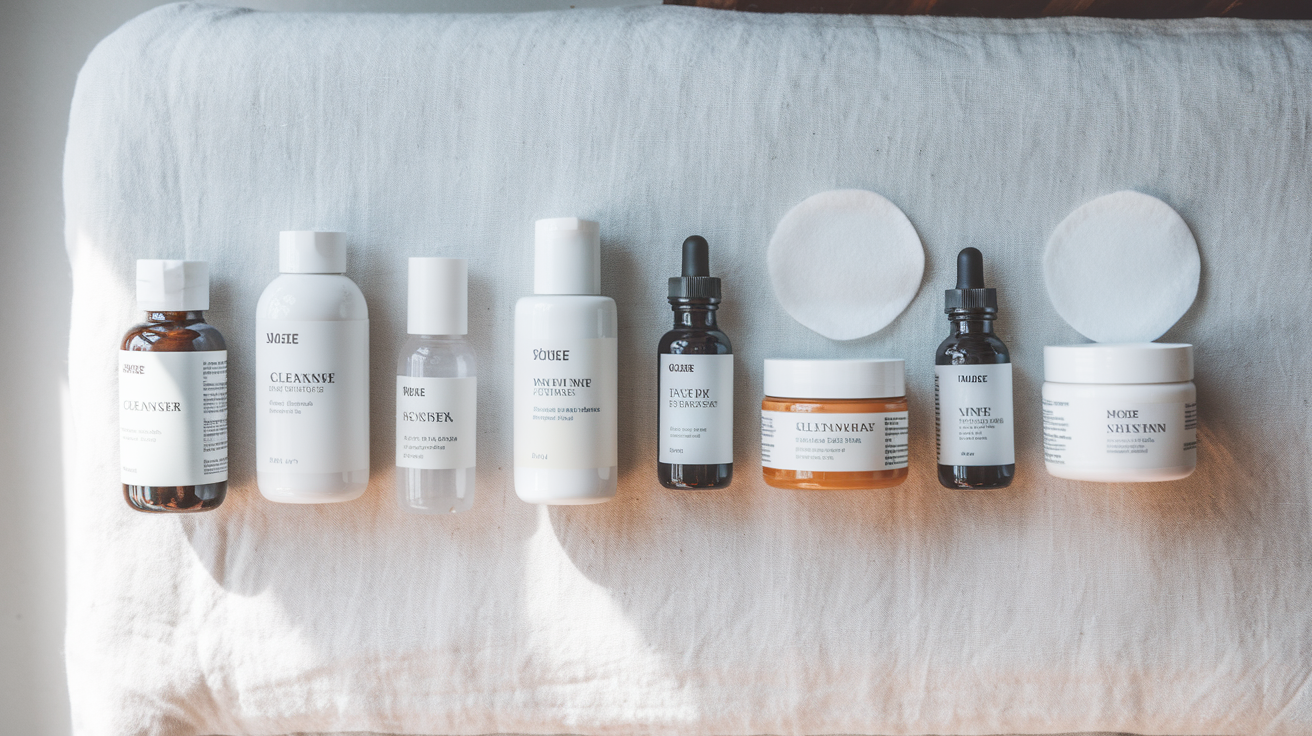
Start with cleanser to remove makeup, oil, and dirt. Then apply toner or essence if you use one. Next comes your serums, which are usually lightweight and water-based. After serums, apply your eye cream. Then follow with your face moisturizer. Finally, finish with sunscreen during the day or a heavier night cream in the evening.
Eye cream should always go on after serums but before your regular face moisturizer. This allows the active ingredients in your eye cream to reach the skin without being blocked by a thicker layer of moisturizer.
Tired of seeing under-eye lines before you see yourself?
If the tiny creases under your eyes make you look more tired than you feel, this guide shows the simple under-eye routine that helps soften the look of dry lines, crepey texture, and tired skin without guessing or wasting weeks on random products.
Some people worry about applying too many layers or overloading the eye area. But as long as you're using the right textures in the right order, your skin can handle multiple steps. Just make sure each layer has a moment to absorb before adding the next one.
If your moisturizer is very light or gel-based, and your eye cream is thick and balm-like, you might need to adjust. In that case, apply whichever product is thinner first. The key is consistency, not thickness of the container.
How to Apply Eye Cream in Your Morning Routine
Your morning routine should focus on hydration, protection, and prep for makeup if you wear it. Here's how to layer your eye cream correctly in the AM:
After cleansing your face with a gentle cleanser, pat your skin dry. If you use a toner or hydrating essence, apply that next. Then apply any lightweight serums, like a vitamin C serum or hyaluronic acid serum, to damp skin.
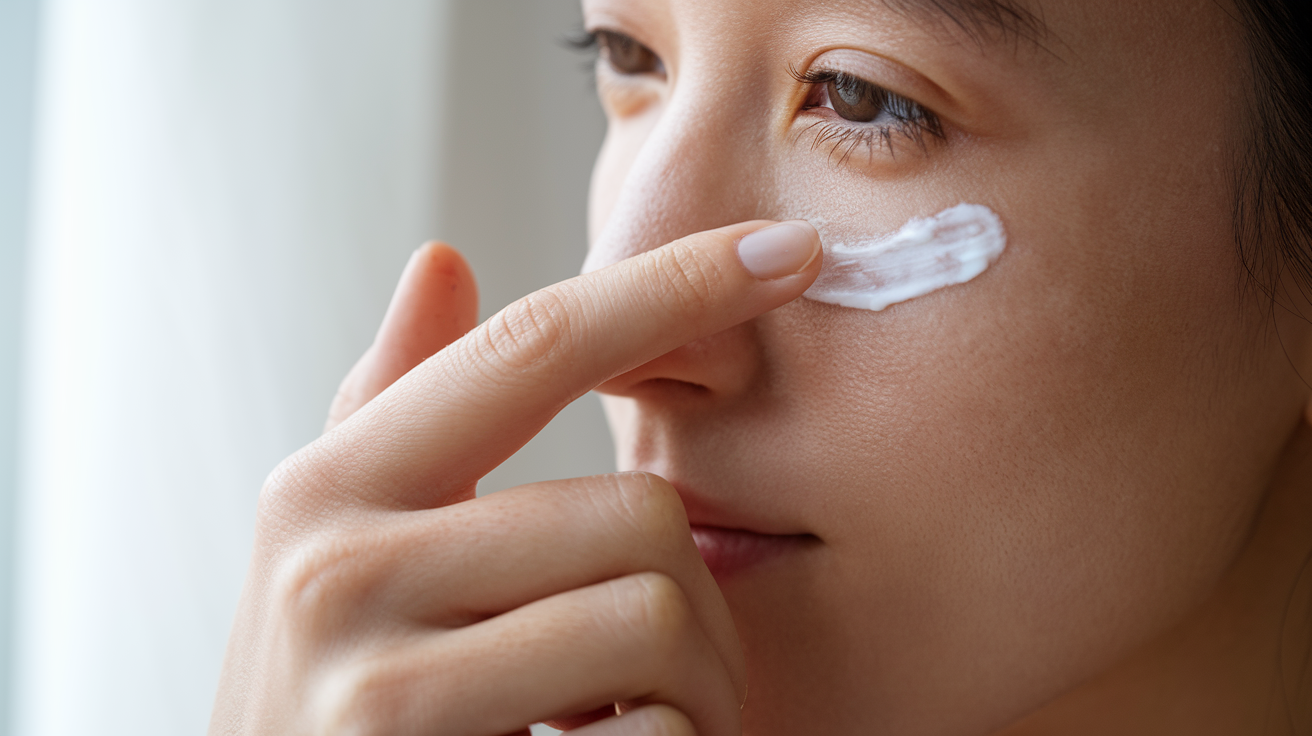
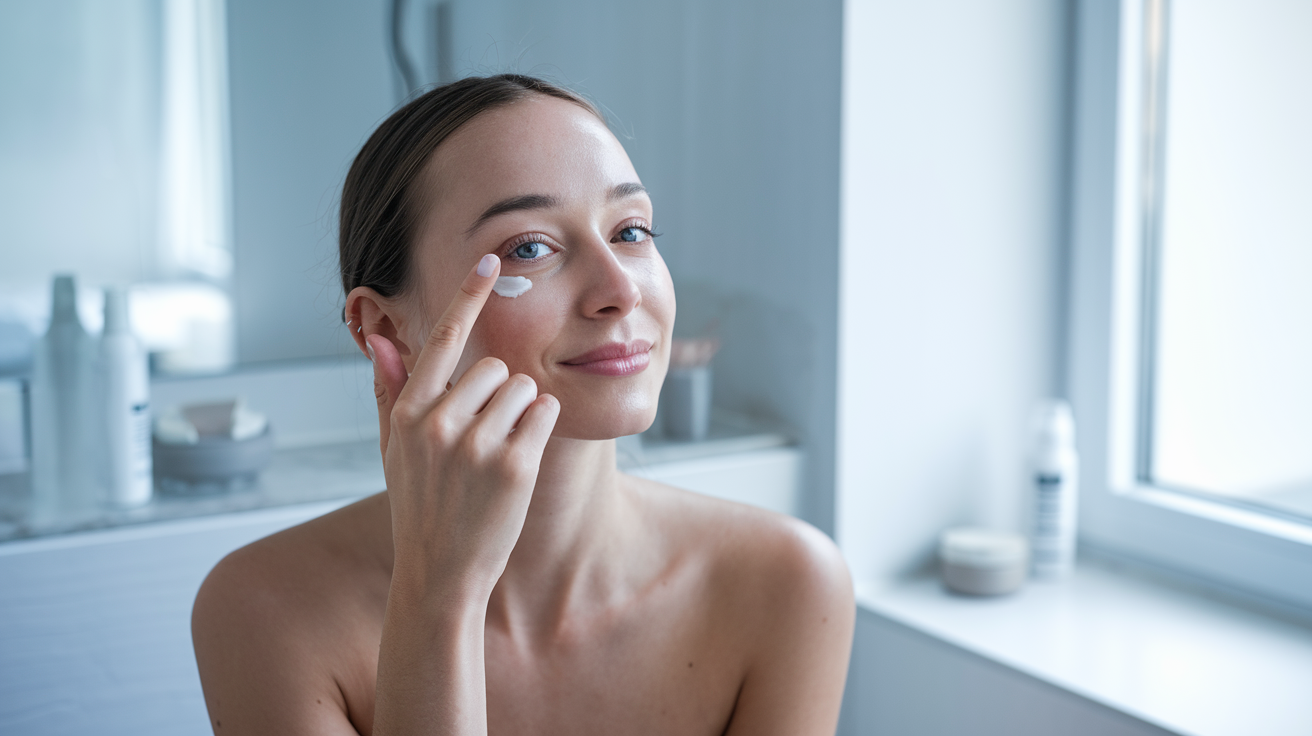
Now it's time for eye cream. Use your ring finger to gently tap a small amount of eye cream along the orbital bone, starting from the inner corner and moving outward. Avoid rubbing or pulling the skin. Let the product absorb for about 30 seconds.
Once your eye cream has settled in, apply your daytime moisturizer to the rest of your face, avoiding the immediate eye area where you've already applied your targeted treatment. Finish with a broad-spectrum SPF. Sunscreen is the last step in your skincare routine and the first step in your makeup routine.
If you wear makeup, let your sunscreen set for a minute before applying concealer or foundation. This helps prevent pilling and keeps your under-eye area looking smooth instead of cakey.
For more guidance on building a routine that works with your specific skin concerns, this affiliate one offers helpful tips you can start using right away.
How to Apply Eye Cream in Your Night Routine
Your nighttime routine is all about repair and renewal. This is when your skin does most of its regeneration work, so layering your products correctly can help support that process.
Start by removing makeup and cleansing your face thoroughly. If you double cleanse, use an oil-based cleanser first, then a water-based one. Pat your skin dry and apply your toner or essence if you use one.
Next, apply any treatment serums you're using at night. Retinol serums, peptide serums, or niacinamide serums should go on before your eye cream. Give them a moment to absorb.
Then apply your eye cream using the same gentle tapping motion as in the morning. Nighttime eye creams are often richer and more emollient than daytime formulas, so they may take a bit longer to sink in.
After your eye cream, apply your nighttime moisturizer or night cream to the rest of your face. You can use a heavier texture at night since you're not layering makeup on top. Some people also like to finish with a facial oil, which would be the very last step.
If you're using a retinol product, be careful not to get it too close to your eyes unless your product is specifically formulated for that area. Retinol can cause irritation on the delicate under-eye skin if it's not designed for that zone.
Consistency is more important than perfection. Stick with this order night after night, and over time you may notice that your under-eye area looks more hydrated, smoother, and less tired.
Remember, skincare is personal. What works for one person may not work for another. Pay attention to how your skin responds, and adjust your routine as needed. The goal is to support healthier-looking skin that feels comfortable and cared for.