Disclosure: This post contains affiliate links. We may earn a commission at no extra cost to you.
7 Eye Cream Mistakes That Make Under Eye Wrinkles Worse
Published: July 1, 2026
Your eye cream might be working against you. Even if you're applying it every single night, small technique mistakes can prevent it from doing its job—or worse, contribute to the very lines and texture you're trying to soften. The skin around your eyes is thinner and more delicate than anywhere else on your face, so what works on your cheeks or forehead doesn't always translate here. Let's walk through the seven most common eye cream mistakes that could be sabotaging your under-eye area.

Applying Eye Cream Too Close to Your Lash Line
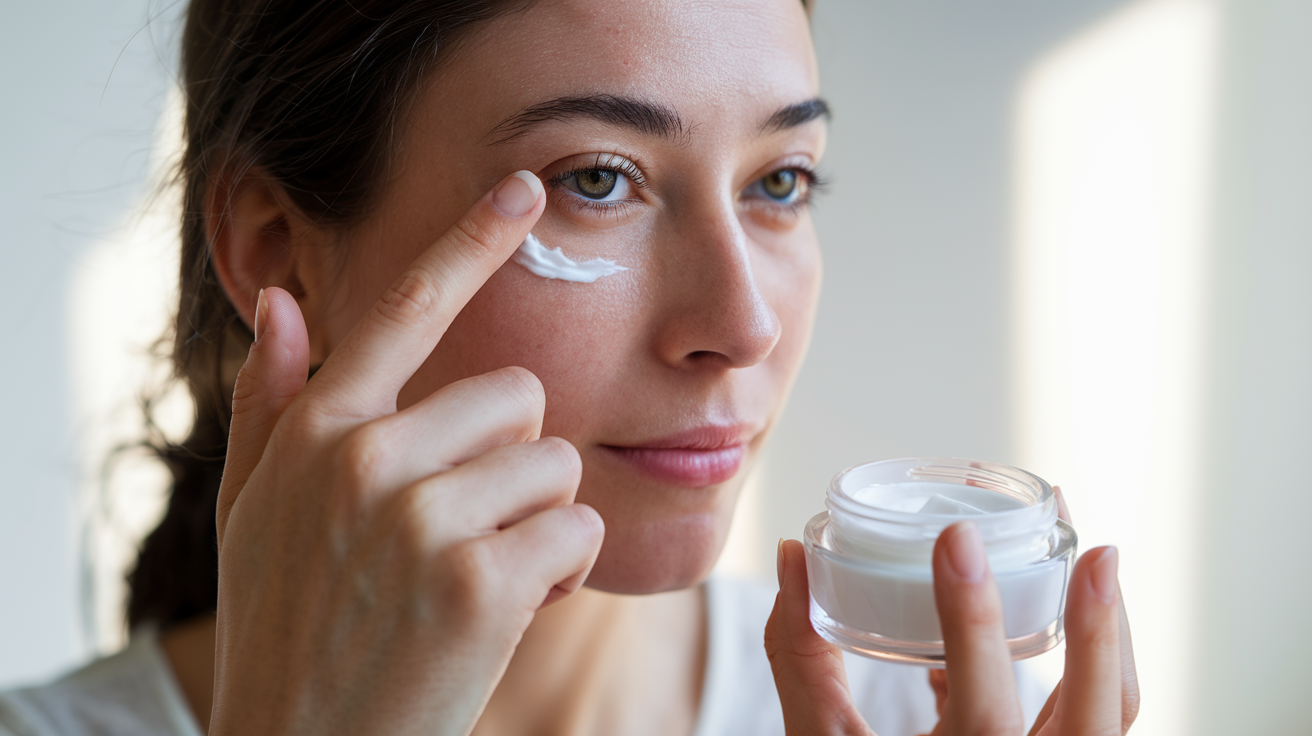
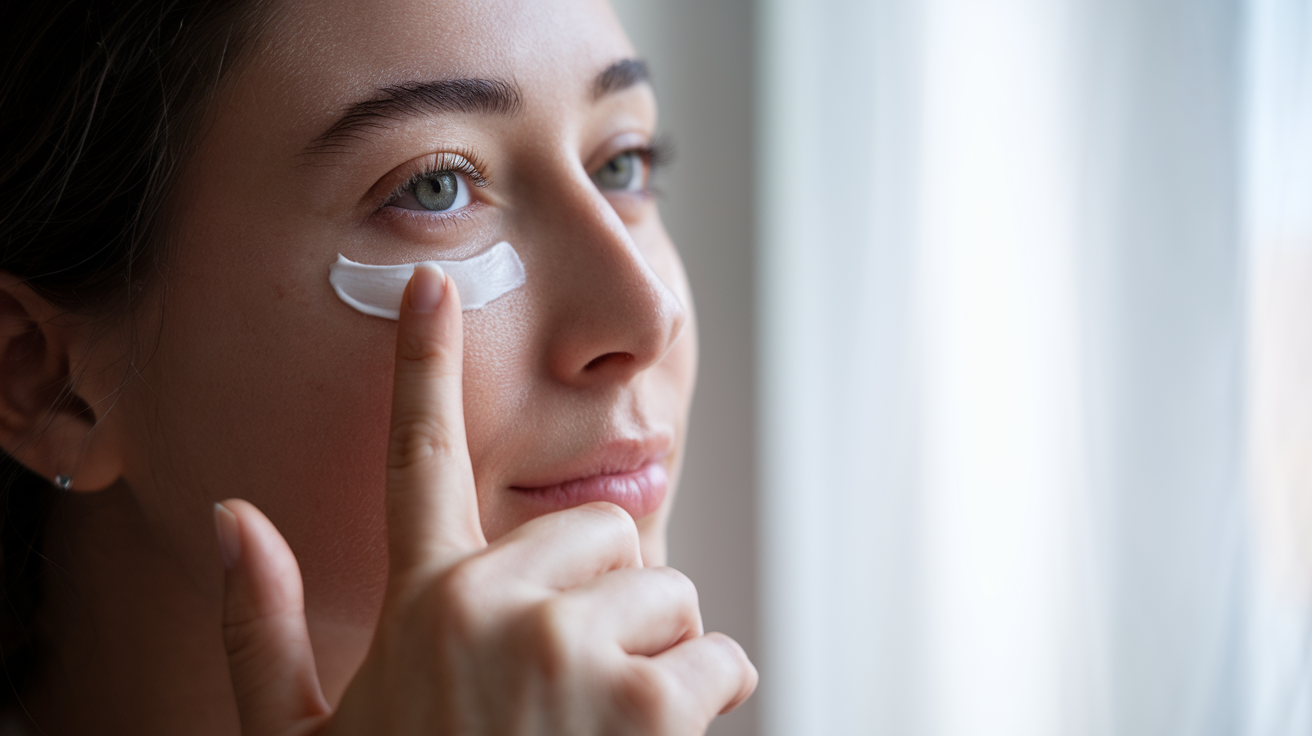
It's tempting to apply eye cream right up to your lashes, especially if you're dealing with visible fine lines that seem to creep close to the edge. But this can backfire quickly.
When you apply product too close to your lash line, it can migrate into your eyes as your body heat warms the formula. This can cause irritation, puffiness, and that groggy morning look that makes your eyes appear smaller and more tired.
Instead, stay about a quarter-inch away from your lash line. Your skin's natural warmth will help the product travel slightly as it absorbs, so you'll still get coverage where you need it without the risk of irritation.
Using Too Much Product and Causing Milia
More isn't always better, especially around the eyes. Using too much eye cream can overwhelm the thin skin in this area and lead to tiny white bumps called milia.
Milia form when excess product sits on the surface and clogs pores or blocks natural skin cell turnover. They're harmless, but they're stubborn and can make the under-eye area look bumpy and uneven.
A rice grain-sized amount per eye is usually enough. If your affiliate one suggests a specific dosage, follow that. The goal is a thin, even layer that absorbs fully within a minute or two.
Rubbing Instead of Patting the Delicate Eye Area
This one's huge. The way you apply your eye cream matters just as much as the product itself.
Rubbing or dragging the skin around your eyes can stretch the delicate tissue and contribute to the appearance of sagging and deeper-looking lines over time. The under-eye area doesn't have the same structural support as the rest of your face, so it's more vulnerable to repeated pulling.
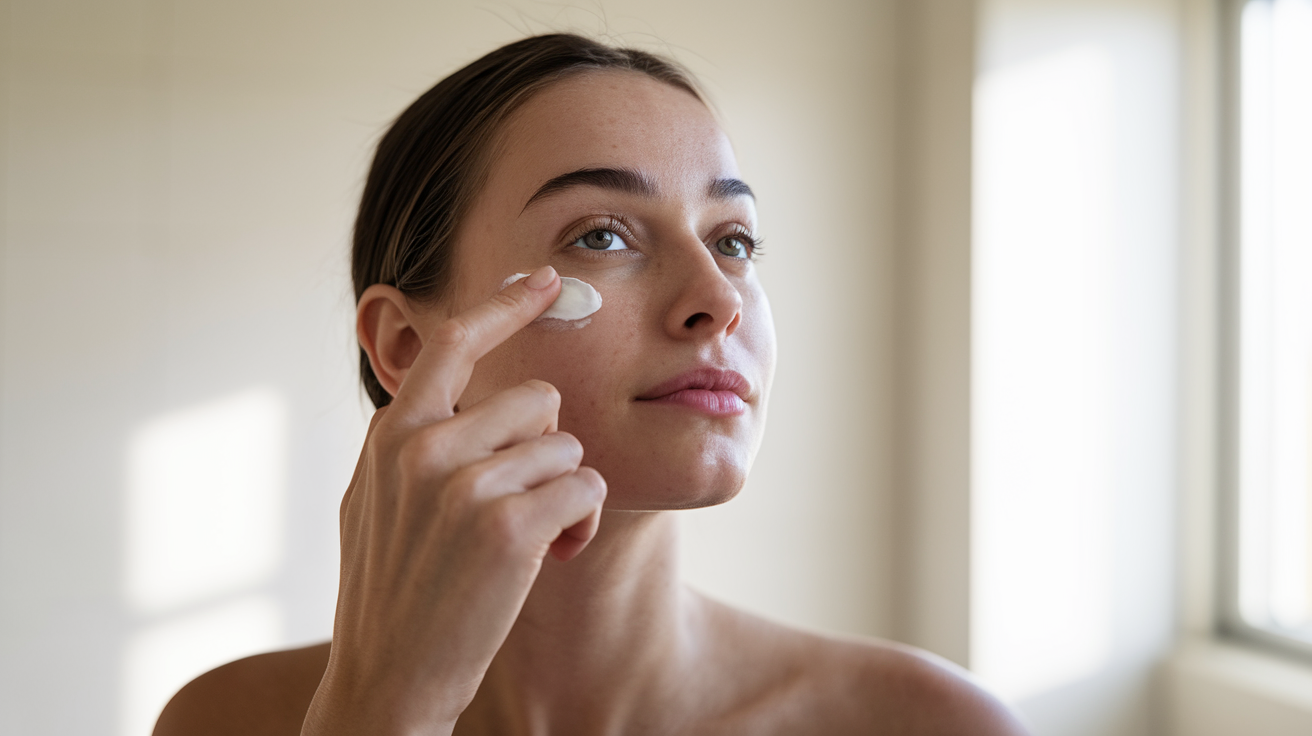
Use your ring finger—it naturally applies the least pressure—and gently pat the product in using a light tapping motion. Start from the inner corner and work outward along the orbital bone. This method helps with absorption without tugging.
Tired of seeing under-eye lines before you see yourself?
If the tiny creases under your eyes make you look more tired than you feel, this guide shows the simple under-eye routine that helps soften the look of dry lines, crepey texture, and tired skin without guessing or wasting weeks on random products.
Applying Eye Cream on Dry Skin
If you're applying eye cream to completely dry skin, you're missing a major opportunity to lock in hydration.
Eye creams work best when applied to slightly damp skin. The moisture on the surface helps the product spread more easily and allows active ingredients to penetrate more effectively.
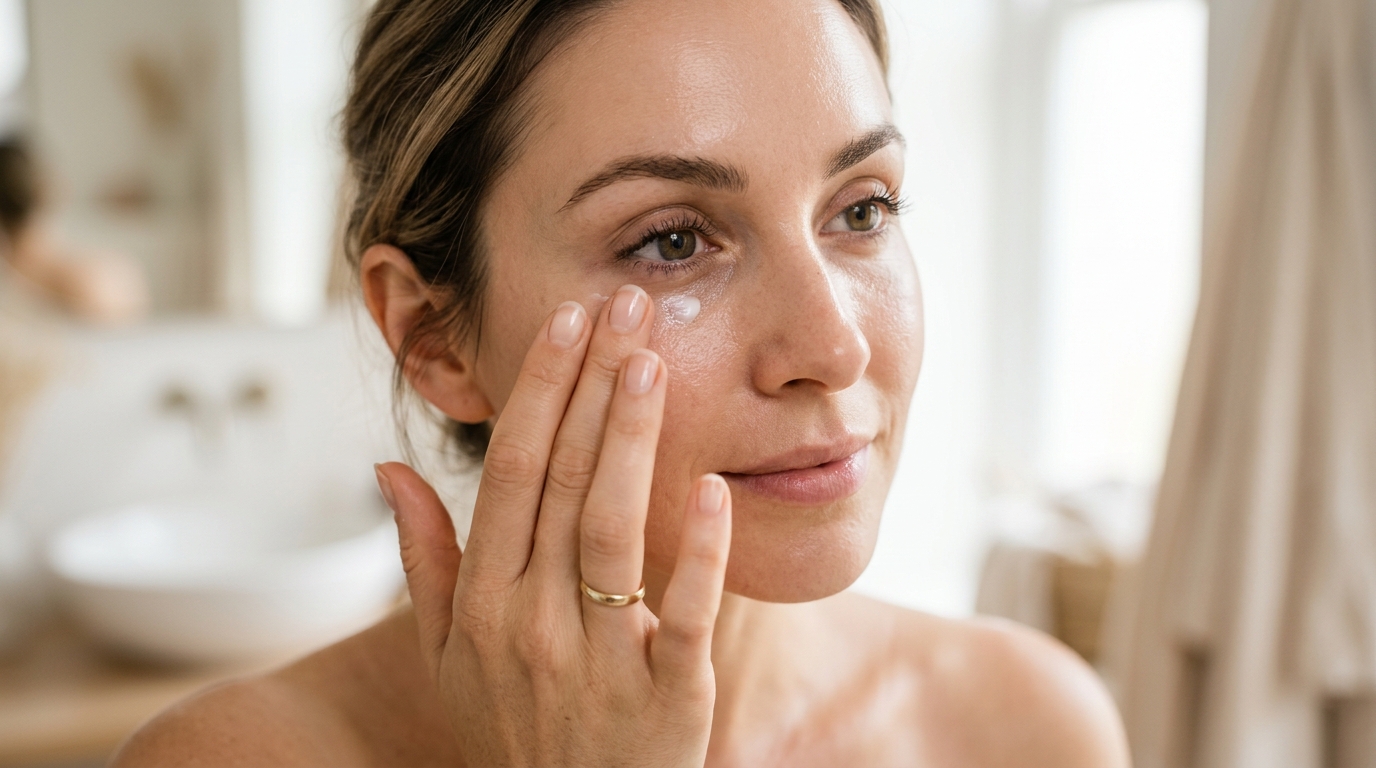
After cleansing, gently pat your face with a towel but leave the under-eye area slightly damp. Then apply your eye cream while that moisture is still present. If you use a toner or essence, apply those first and follow with eye cream while your skin is still dewy.
Using the Wrong Eye Cream for Your Skin Concern
Not all eye creams are created equal, and using one that doesn't match your specific concern is like bringing a spoon to cut steak—it's just not the right tool.
If you're dealing with fine lines and crepey texture, you'll want ingredients like peptides, ceramides, and hyaluronic acid. If dark circles are your main issue, look for caffeine or niacinamide. Puffiness responds better to cooling gels with soothing ingredients.
Using a heavy, rich cream when you have oily or combination skin can cause congestion. Using a lightweight gel when you have dry, mature skin might not provide enough support. Match your formula to your actual needs, not just what's trendy or on sale.
Skipping Sunscreen on Your Eye Area
This might be the biggest mistake of all. Sun exposure is one of the primary contributors to premature aging around the eyes, and most people skip this area entirely when applying SPF.
The skin around your eyes is more prone to sun damage because it's thinner and gets constant exposure—from driving, walking outside, even sitting near windows. Without protection, UV rays break down collagen and elastin, leading to more visible lines and a crepey appearance.
Use a mineral sunscreen formulated for sensitive skin or one specifically designed for the eye area. Apply it every morning as the last step in your routine, and reapply if you're spending extended time outdoors. Sunglasses help too, but they're not a replacement for SPF.
Not Layering Your Eye Products Correctly
If you're using multiple products around your eyes—serum, cream, sunscreen—the order matters more than you think.
Applying products in the wrong sequence can block absorption, reduce effectiveness, or cause pilling. The general rule is to go from thinnest to thickest consistency.
Start with any water-based serums or treatments. Then apply your eye cream. Follow with a facial moisturizer if needed, being careful not to layer too much product in one area. Finish with sunscreen in the morning. Give each layer 30 to 60 seconds to absorb before adding the next.
If you're using a retinol or peptide treatment around your eyes, apply that before your eye cream so it can work directly on the skin. Your eye cream will then act as a buffer and help prevent irritation while locking in the treatment.
These seven mistakes are incredibly common, and the good news is they're all easy to fix once you know what to look for. Small adjustments to your technique and product choices can make a noticeable difference in how your under-eye area looks and feels. If you want a more structured approach to caring for this delicate area, check out this affiliate one for a step-by-step breakdown that takes the guesswork out of your routine.
Your under-eye area deserves the same thoughtful care as the rest of your face—just with a gentler touch and a bit more strategy.