Disclosure: This post contains affiliate links. We may earn a commission at no extra cost to you.
Drugstore vs High-End Eye Creams: Are Expensive Products Worth It for Under Eye Wrinkles?
Are you really getting better results from a $200 eye cream, or just a prettier jar? If you've ever stood in the skincare aisle wondering whether luxury eye creams actually deliver smoother-looking skin or just drain your wallet, you're not alone. The price gap between drugstore and high-end eye creams can be staggering—sometimes ten times the difference—but the ingredient lists often look surprisingly similar.
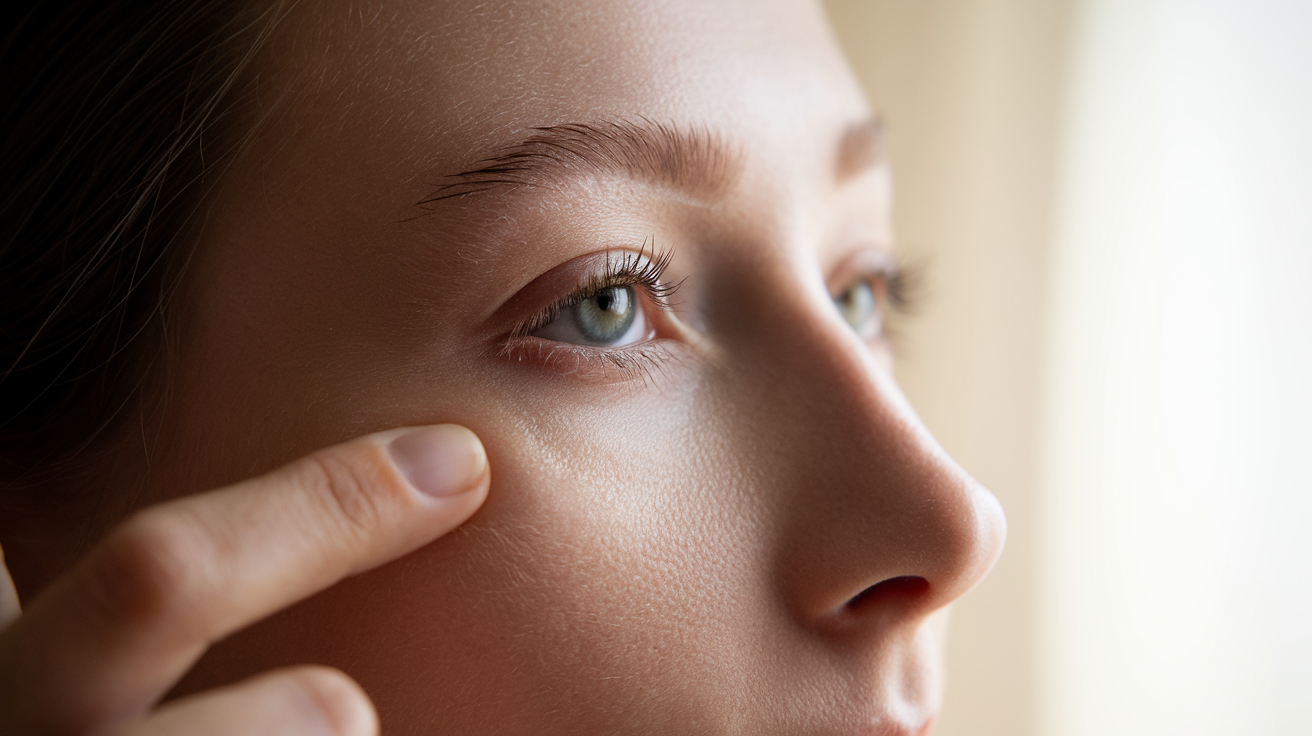
Let's break down what you're actually paying for, where the formulas overlap, and when it makes sense to save versus splurge on products designed to soften the appearance of fine lines and dark circles.
What Actually Makes Luxury Eye Creams More Expensive
Luxury eye creams don't just cost more because of the name on the box. There are real differences in how these products are developed, packaged, and marketed.
High-end brands typically invest heavily in proprietary research, clinical testing, and patented delivery systems. They might spend years developing a unique peptide blend or encapsulation technology that helps ingredients penetrate more effectively. You're also paying for premium packaging—airless pumps, UV-protective glass, and hermetically sealed tubes that preserve ingredient stability better than basic jars.
Then there's the sensory experience. Luxury formulas often feel silkier, absorb faster, and smell more refined. The texture is carefully engineered to layer beautifully under makeup without pilling or creating that greasy film that makes concealer slide around.
Marketing and prestige add to the cost too. Department store counters, glossy magazine ads, celebrity endorsements, and sleek minimalist branding all get factored into the final price tag.
But here's the thing: none of these factors guarantee better results on your actual skin. They might make the product more pleasant to use or more stable over time, but they don't automatically translate to fewer visible lines.
Key Ingredients: Where Drugstore and Luxury Eye Creams Match Up
When you compare ingredient labels side by side, the overlap can be striking. Many of the most effective actives appear in both categories.
Retinol shows up in affordable options like RoC and Neutrogena, as well as luxury formulas from brands charging ten times more. The concentration and formulation might differ slightly, but the core ingredient remains the same—a derivative of vitamin A known for supporting skin renewal and helping to reduce the appearance of fine lines over time.
Hyaluronic acid is another equalizer. This moisture-binding ingredient plumps the look of skin temporarily and appears in everything from $15 drugstore tubes to $300 luxury serums. The molecular weight and layering might vary, but hyaluronic acid from the pharmacy works on the same principle as the fancy version.
Peptides, caffeine, niacinamide, and vitamin C also cross price boundaries. You'll find copper peptides in both Olay Regenerist and premium brands. Caffeine-based formulas designed to help minimize the look of puffiness exist at every price point.
The main differences come down to concentration, stability, and supporting ingredients. Luxury brands might use higher percentages of actives or combine them with botanical extracts and additional antioxidants. They often invest more in stabilizing vitamin C so it doesn't oxidize as quickly, or pairing retinol with soothing agents to reduce potential irritation.
But if you check the affiliate one resources on ingredient hierarchies, you'll see that a well-formulated drugstore product with the right actives can perform just as effectively as its luxury counterpart.
Tired of seeing under-eye lines before you see yourself?
If the tiny creases under your eyes make you look more tired than you feel, this guide shows the simple under-eye routine that helps soften the look of dry lines, crepey texture, and tired skin without guessing or wasting weeks on random products.
Performance Testing: Real Results on Fine Lines and Dark Circles
So how do they actually stack up when you use them consistently?
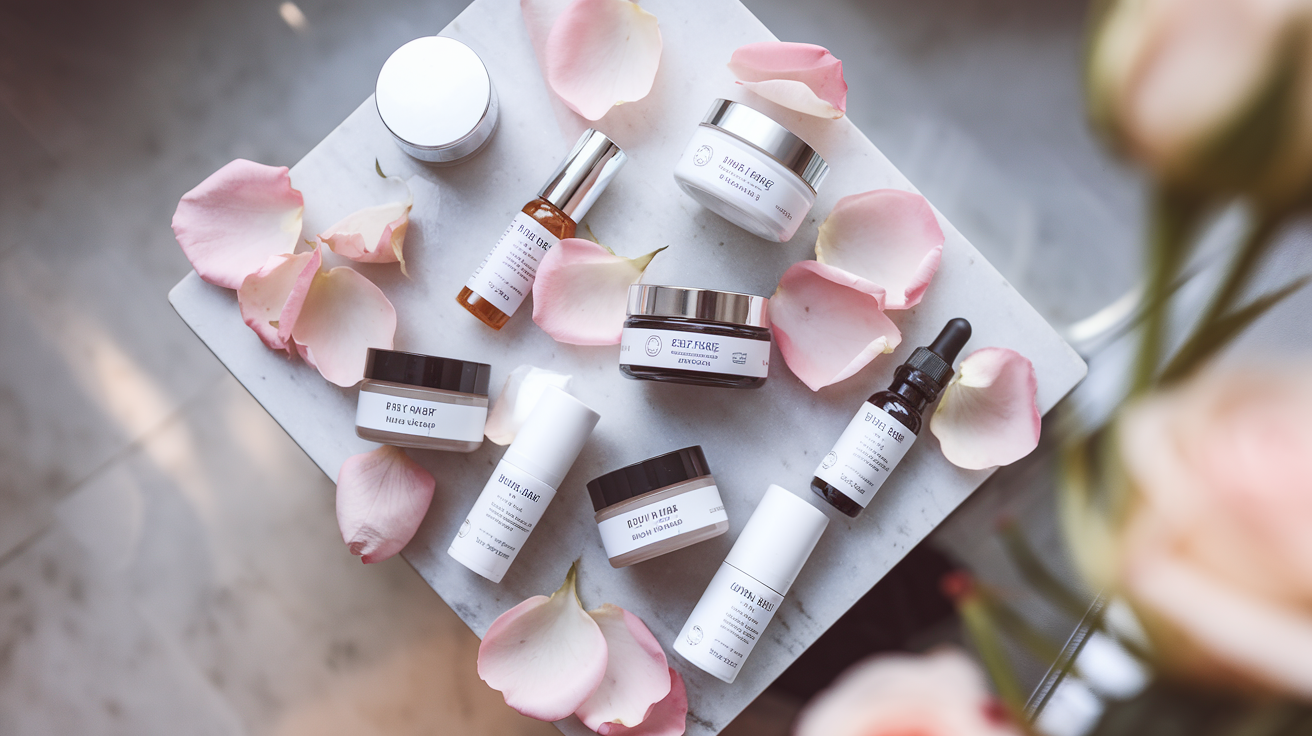
Independent testing and consumer trials show mixed results. Some luxury eye creams do outperform drugstore versions in clinical studies measuring hydration levels, skin smoothness, and the appearance of crow's feet after twelve weeks. But the margin isn't always dramatic, and plenty of affordable options hold their own.
For fine lines caused by dryness, both categories can deliver visible improvement. A basic hyaluronic acid formula from the drugstore can plump the look of dehydrated skin just as effectively as a luxury version, especially when applied to damp skin and sealed with a moisturizer.
When it comes to deeper expression lines and loss of firmness, retinol-based products tend to show the most promise regardless of price. A drugstore retinol eye cream used consistently over several months may help skin look smoother and more renewed, similar to what you'd expect from a high-end retinol formula.
Dark circles are trickier. If yours are caused by visible blood vessels or pigmentation, topical products have limitations no matter what you spend. Caffeine and light-reflecting particles can temporarily minimize the appearance, and vitamin C or niacinamide might help brighten over time, but these ingredients aren't exclusive to luxury formulas.
Texture and tolerability can make a difference in real-world use. If a luxury cream feels so good that you actually use it twice daily without fail, it might outperform a drugstore option you skip half the time because it feels heavy or pills under makeup. Consistency beats formulation in most cases.
That said, some people genuinely see better results with certain luxury formulas—whether due to higher concentrations, better delivery systems, or simply a texture that works better with their skin type. It's not purely psychological, but it's also not universal.
The Verdict: When to Splurge and When to Save on Eye Cream
Here's a practical framework for deciding where to invest your skincare budget.
Save on drugstore eye creams when you're just starting out with anti-aging skincare, when you're testing a new active ingredient, or when you're looking for basic hydration. If your main concern is dryness and you need something gentle and moisturizing, a simple hyaluronic acid or ceramide-based formula from the pharmacy will do the job beautifully.
Also save if you're prone to milia or clogged pores around the eyes. You can find lightweight gel formulas at the drugstore that won't feel heavy or cause congestion, and if they don't work out, you're only out $15 instead of $150.
Consider splurging on luxury eye creams if you have sensitive skin and need a formula that's been extensively tested for irritation, if you want a specific patented ingredient or delivery system not available at lower price points, or if texture and experience genuinely affect how consistently you use the product.
Luxury might also make sense if you're layering multiple treatments and need something that plays well with serums and makeup without pilling. Premium formulas are often engineered for seamless layering.
The smartest approach? Start with a well-reviewed drugstore option that contains proven ingredients like retinol, peptides, or niacinamide. Give it at least eight to twelve weeks of consistent use. If you don't see any improvement in how your skin looks or feels, then consider upgrading to a luxury version with similar actives but potentially better formulation.
And remember that the affiliate one recommendations can help you identify which specific ingredients address your particular under-eye concerns, regardless of price point.
The truth is, expensive eye creams aren't inherently better, but they're not always just overpriced packaging either. The best eye cream for you depends on your skin type, specific concerns, budget, and how the product fits into your routine. Sometimes the $18 tube is the hero. Sometimes the $180 jar is worth every penny. The key is knowing what you're paying for and what actually matters for softer, smoother-looking skin around your eyes.