Disclosure: This post contains affiliate links. We may earn a commission at no extra cost to you.
Can You Use Regular Moisturizer Under Your Eyes? The Truth About Eye Cream
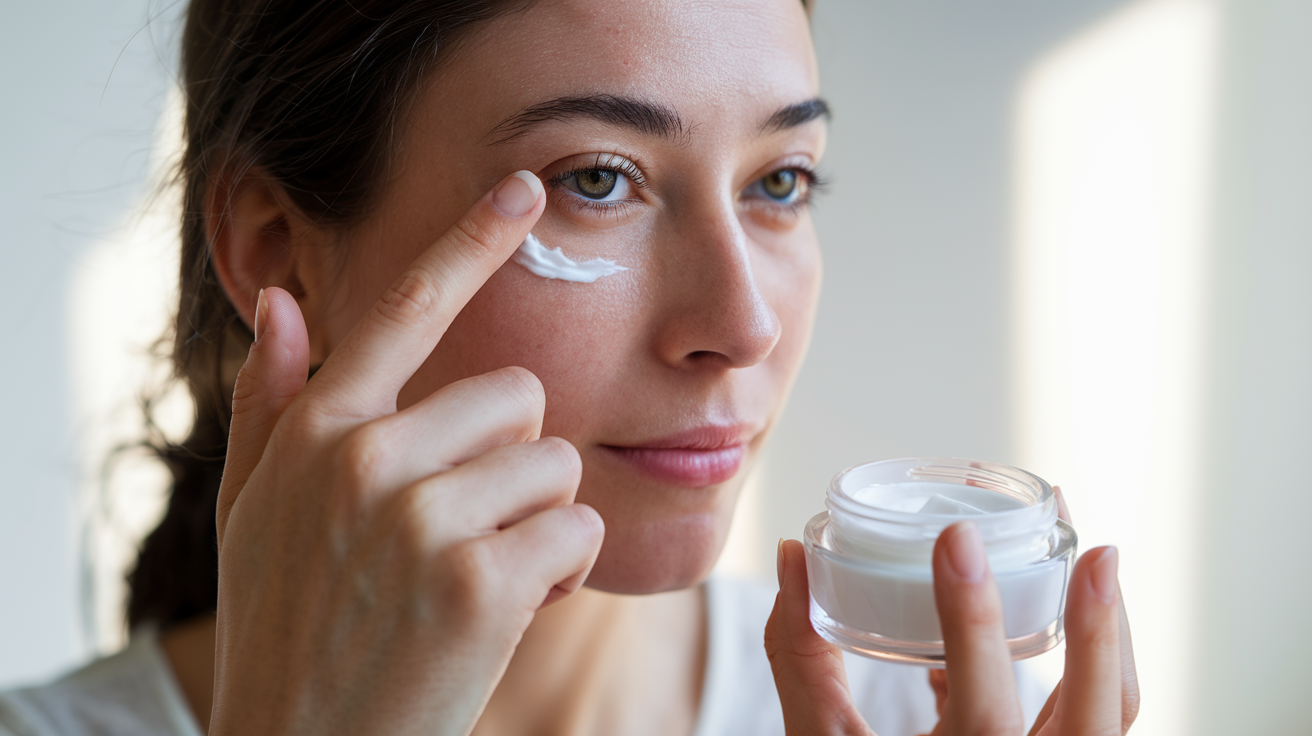
You've probably stood in front of your bathroom mirror holding your favorite face moisturizer and wondered if you really need a separate product just for the skin under your eyes. After all, moisturizer is moisturizer, right? The answer is a bit more nuanced than most skincare brands would have you believe. While some face moisturizers work perfectly fine under the eyes, others can cause irritation, puffiness, or just won't address the specific concerns that show up in this delicate area. Let's break down what actually matters when choosing products for your under-eye skin.
Why the Under Eye Area Needs Different Care Than Your Face
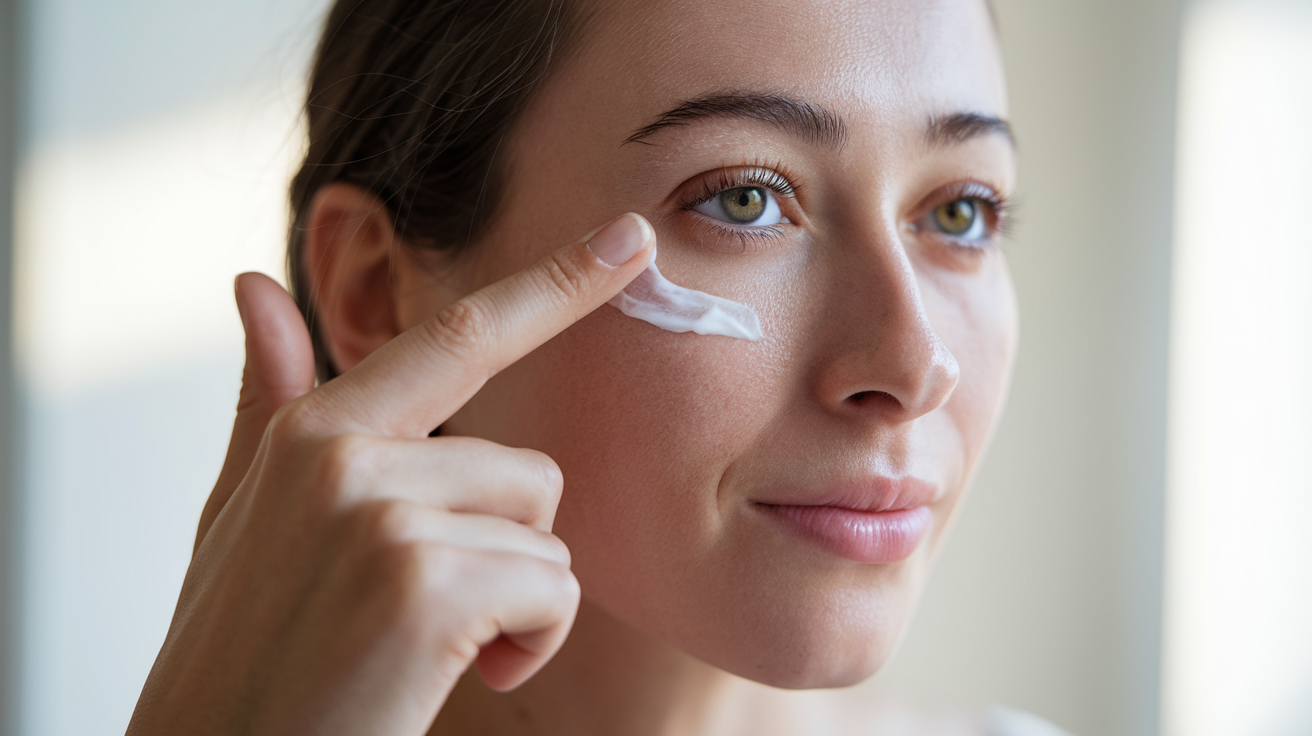
The skin under your eyes is about ten times thinner than the skin on your cheeks. That's not just a fun fact—it's the reason this area shows signs of aging earlier and reacts differently to products.
Because the skin is thinner, it has fewer oil glands. This means it tends to dry out faster and can't produce the same protective barrier your cheeks naturally maintain. It's also why dehydration shows up here first, creating those fine lines that makeup tends to settle into by midday.
The under-eye area also experiences constant movement. Every blink, smile, and squint creates micro-folds in the skin. Combined with less natural cushioning and fewer sebaceous glands, this movement can contribute to a crepey texture over time.
Finally, the skin here is more prone to sensitivity. What feels perfectly comfortable on your forehead might sting or cause puffiness under your eyes. Fragrance, certain active ingredients, and even rich occlusives can trigger reactions in this area even if your face tolerates them beautifully.
Key Differences Between Eye Cream and Face Moisturizer Formulations
Eye creams are typically formulated with fragrance-free bases to minimize irritation. Many face moisturizers include essential oils or synthetic fragrance, which can cause stinging sensations around the eyes.
The texture also tends to differ. Eye creams are often lighter and more easily absorbed because the thin skin in this area doesn't need heavy occlusives that can cause milia or puffiness. Face moisturizers designed for dry skin may contain heavier emollients that are too rich for the under-eye zone.
Active ingredient concentrations matter too. A face moisturizer with retinol at a concentration suitable for cheeks might be too strong for the sensitive eye area. Many eye creams use gentler retinoid derivatives or lower percentages specifically calibrated for this region.
Eye creams also frequently include ingredients that target common under-eye concerns like puffiness and dark circles. You'll find caffeine to help reduce the appearance of fluid retention, peptides to support the look of firmness, and light-reflecting particles to brighten the appearance of shadowy areas. Your typical face moisturizer won't necessarily include these targeted ingredients.
Tired of seeing under-eye lines before you see yourself?
If the tiny creases under your eyes make you look more tired than you feel, this guide shows the simple under-eye routine that helps soften the look of dry lines, crepey texture, and tired skin without guessing or wasting weeks on random products.
When Face Moisturizer Can Work Under Eyes (and When It Can't)
If your face moisturizer is fragrance-free, lightweight, and formulated for sensitive skin, it can absolutely work under your eyes. Products designed for rosacea-prone or reactive skin are often gentle enough for the eye area since they're already formulated to avoid irritation.
Simple hydrating formulas with hyaluronic acid, glycerin, and ceramides usually perform well under the eyes. These ingredients focus on moisture retention and barrier support without introducing potentially irritating actives.
However, face moisturizers become problematic when they contain strong actives like high-percentage retinol, AHAs, or BHAs. These can cause redness, flaking, or stinging around the eyes. Even if you don't feel immediate irritation, consistent use of overly active formulas in this sensitive zone can lead to increased sensitivity over time.
Rich night creams formulated with heavy oils and butters can migrate into eyes during sleep, causing puffiness or blurry vision in the morning. If your moisturizer is thick enough to need warming between your palms before application, it's probably too heavy for under-eye use.
Products with fragrance, whether natural or synthetic, should stay away from the eye area. Even if you don't notice stinging immediately, fragrance compounds can cause low-level inflammation that contributes to long-term sensitivity.
If you're dealing with specific under-eye concerns like persistent dark circles, noticeable puffiness, or visible fine lines, a basic face moisturizer might not contain the targeted ingredients you need. That's when exploring an affiliate one becomes more relevant.
How to Choose the Right Product for Your Under Eye Concerns
Start by identifying your primary concern. If you're mainly dealing with dryness and occasional fine lines from dehydration, a gentle hydrating product—whether labeled as eye cream or face moisturizer—will likely work well.
For visible puffiness, especially in the morning, look for products containing caffeine or cooling applicators that can help reduce the appearance of fluid retention. A basic moisturizer won't typically include these ingredients.
If dark circles are your main frustration, understand that the cause matters. Shadows from volume loss won't respond to topical products the same way pigmentation-related darkness might. Look for formulas with light-reflecting particles, vitamin C, or niacinamide to help brighten the appearance of this area over time.
For those concerned about the appearance of lines and crepey texture, gentle retinoid eye creams or peptide-focused formulas can help support a smoother-looking texture. These are typically not found in standard face moisturizers, or they're present in concentrations too strong for comfortable under-eye use.
Patch testing is essential. Apply a small amount of any new product to the outer corner of one eye for several days before using it under both eyes. This lets you catch potential reactions before they affect your entire eye area.
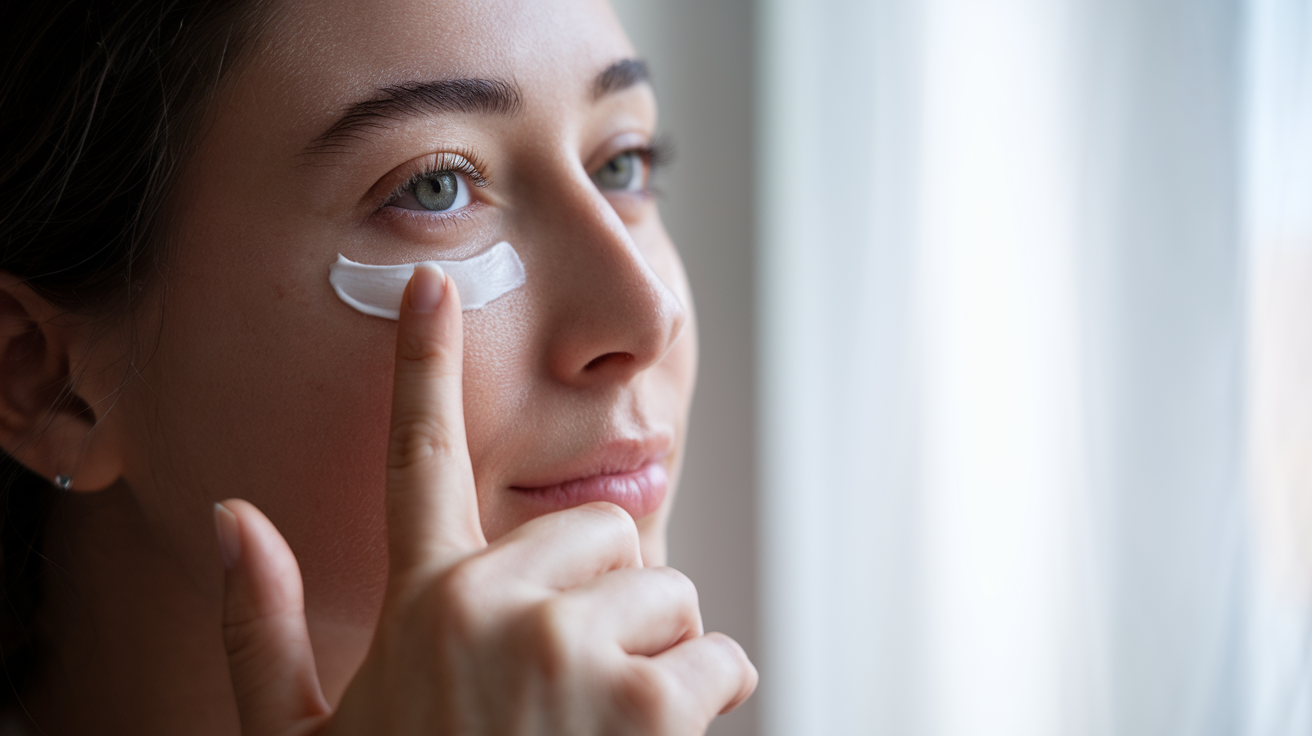
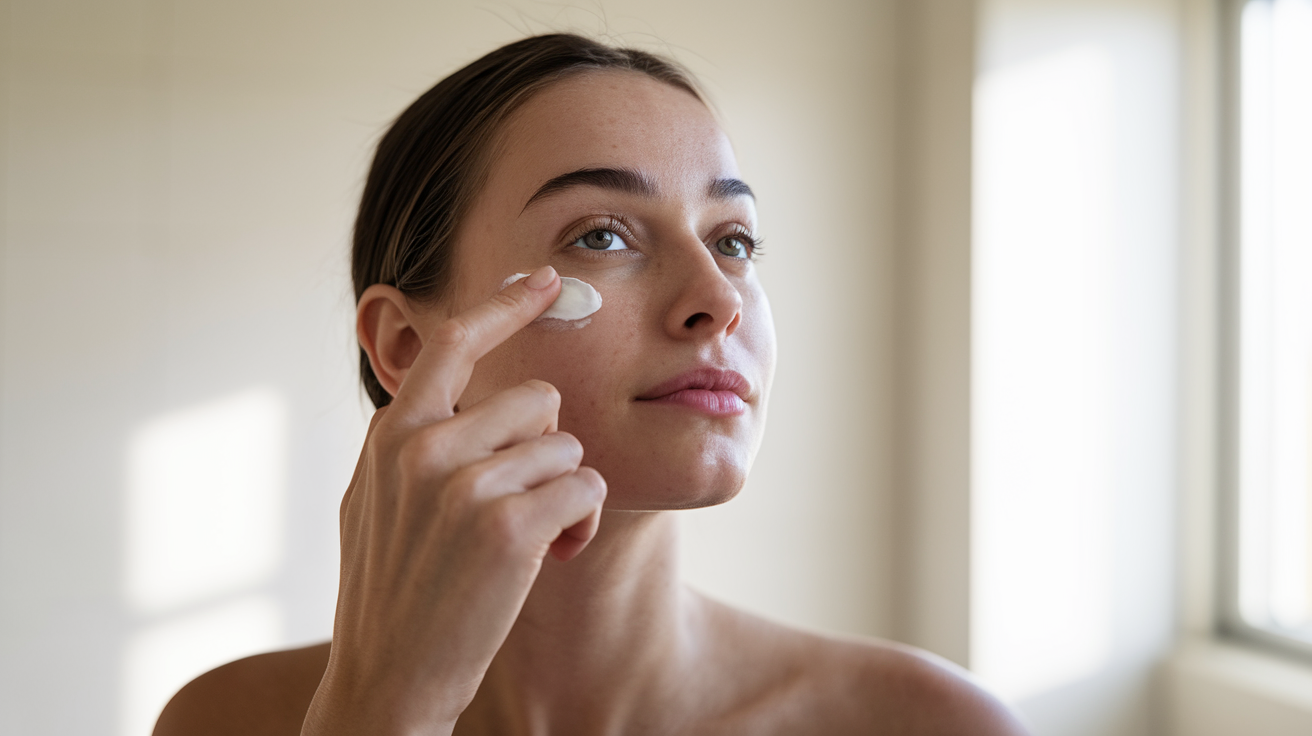
Consider your application method too. Tapping product gently with your ring finger creates less pulling and tugging than rubbing. The skin here doesn't need aggressive massage—just gentle, light pressure to help the product absorb.
If you're still unsure which approach works best for your specific situation, an affiliate one can walk you through the decision-making process with more detail tailored to different skin types and aging concerns.
The bottom line? You don't necessarily need a separate eye cream if your face moisturizer is gentle, fragrance-free, and appropriately formulated. But if you have specific under-eye concerns or if your face products contain actives that might irritate this sensitive area, a dedicated eye treatment makes sense. Listen to your skin, watch for signs of irritation, and adjust your routine based on how your under-eye area actually looks and feels rather than following rigid skincare rules that don't account for individual differences.