Disclosure: This post contains affiliate links. We may earn a commission at no extra cost to you.
Published August 15, 2026
Can You Use Face Cream Under Your Eyes? The Truth About Eye Cream Alternatives
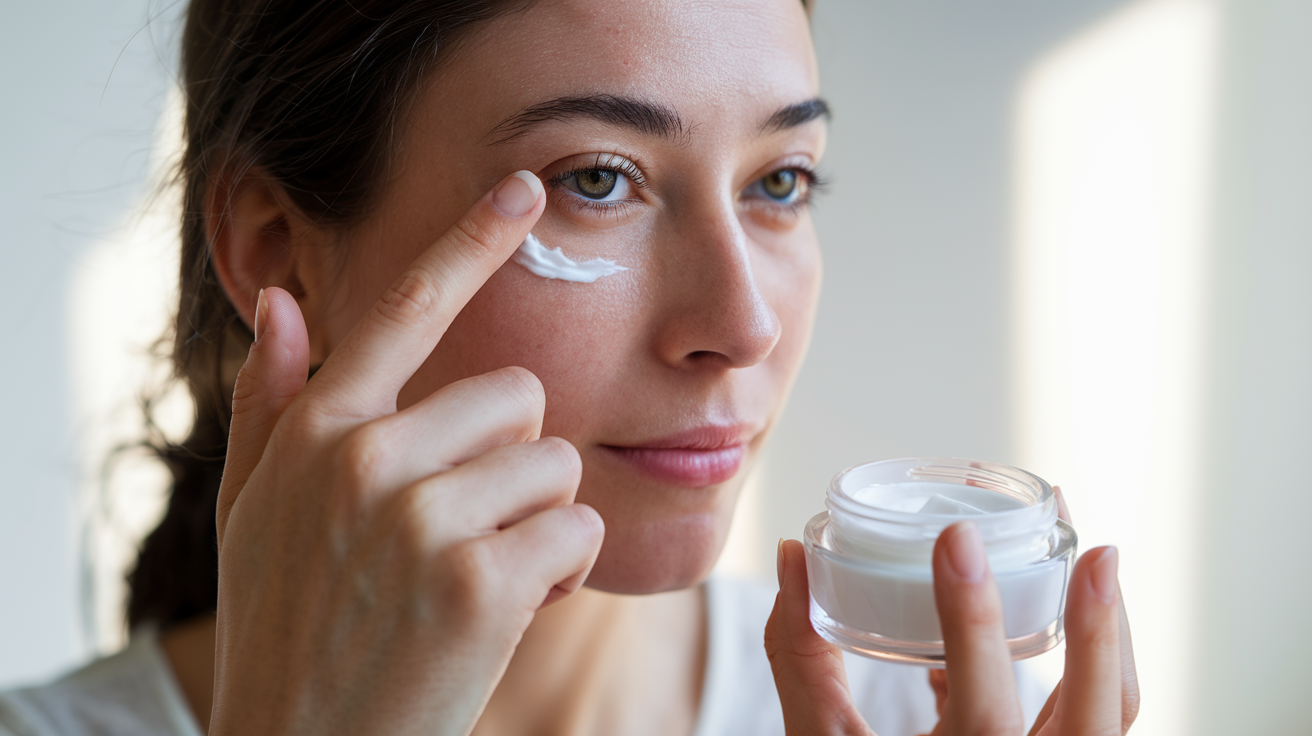
Have you ever stood in front of your bathroom mirror, moisturizer in hand, and wondered if you really need a separate product for your eyes? It's a question that crosses most people's minds, especially when eye creams can cost twice as much as face moisturizers. The short answer is more nuanced than you might expect, and understanding the difference could change how your under-eye area looks and feels.
Why the Eye Area Needs Special Attention
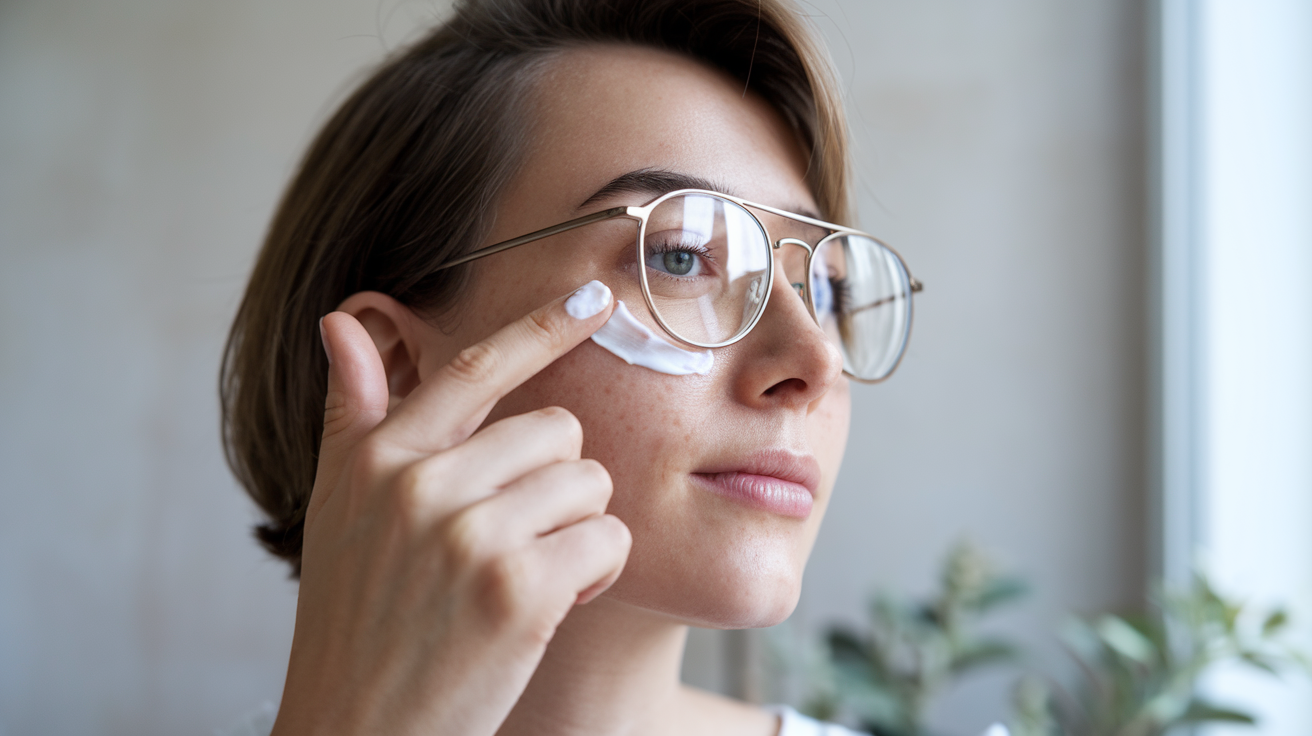
The skin around your eyes is fundamentally different from the rest of your face. It's about ten times thinner than the skin on your cheeks, with fewer oil glands and almost no fatty tissue underneath for cushioning.
This means the under-eye area shows signs of aging earlier. Fine lines appear faster. Dryness sets in more easily. Puffiness becomes visible after a single restless night.
Because this skin is so delicate, it's also more reactive. Ingredients that work beautifully on your forehead might cause irritation, stinging, or even milia (those tiny white bumps) when applied too close to your lash line.
The constant movement doesn't help either. You blink about 15,000 times a day, creating repetitive folding that can make the skin look crepey over time, especially when it lacks proper hydration.
Face Cream vs Eye Cream: Key Ingredient Differences
Eye creams and face creams aren't just packaged differently. They're formulated with distinct ingredient profiles designed for different skin needs.
Face creams often contain higher concentrations of active ingredients like retinol, glycolic acid, or vitamin C. These percentages work well on thicker facial skin but can be too aggressive for the under-eye area, causing redness or flaking.
Eye creams typically use gentler formulations. They might include the same actives but at lower percentages, or they'll rely on milder alternatives like bakuchiol instead of retinol, or peptides instead of acids.
The texture matters too. Face creams designed for normal or oily skin often have lighter, water-based formulas. Eye creams lean toward richer, more emollient textures that provide extra cushioning and help reduce the appearance of fine lines caused by dryness.
Some eye creams also include ingredients rarely found in face moisturizers, like caffeine to help with puffiness, arnica for a less tired-looking appearance, or specific peptides that target the look of dark circles.
If you're looking for a affiliate one to understanding which ingredients work best for your specific under-eye concerns, you'll find that not all formulas are created equal.
Tired of seeing under-eye lines before you see yourself?
If the tiny creases under your eyes make you look more tired than you feel, this guide shows the simple under-eye routine that helps soften the look of dry lines, crepey texture, and tired skin without guessing or wasting weeks on random products.
What Happens When You Use Face Cream Under Your Eyes
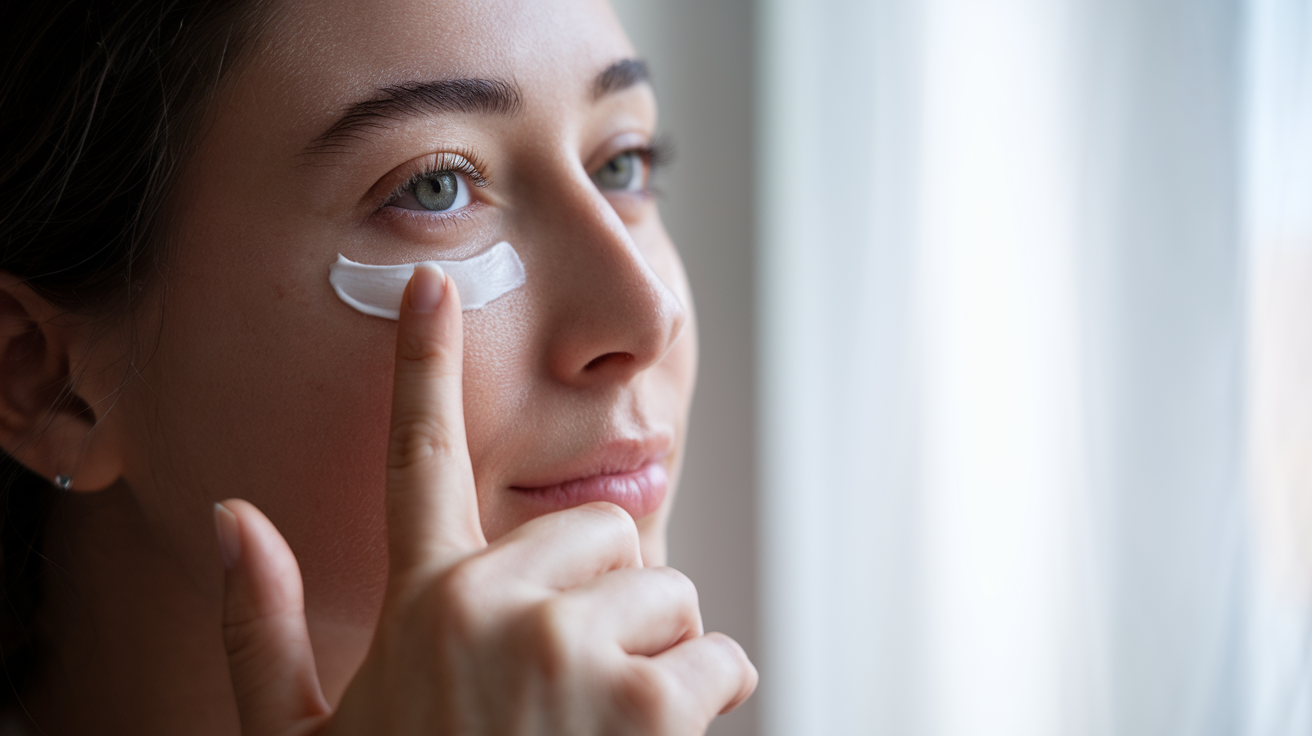
Using your regular face cream around your eyes isn't necessarily dangerous, but it might not give you the results you're hoping for.
If your face cream contains fragrance, your eyes might water or feel irritated. Even natural fragrances like essential oils can cause sensitivity in this delicate area.
Heavier anti-aging face creams with retinoids can cause peeling or redness when applied too close to the lash line. You might wake up with inflamed, flaky skin that makes concealer look patchy instead of smooth.
On the flip side, lightweight gel moisturizers designed for oily skin often don't provide enough hydration for the under-eye area. You might notice your concealer creasing more throughout the day, or fine lines looking more pronounced by afternoon.
Some face creams can also cause milia, especially if they're too rich or contain comedogenic ingredients. These tiny white bumps form when dead skin cells get trapped under the surface, and they're notoriously stubborn to remove.
The most common complaint is simply that face creams don't address specific under-eye concerns like puffiness or the appearance of dark circles. They moisturize, sure, but they don't target the issues that make eyes look tired.
When Face Cream Might Actually Work for Your Eyes
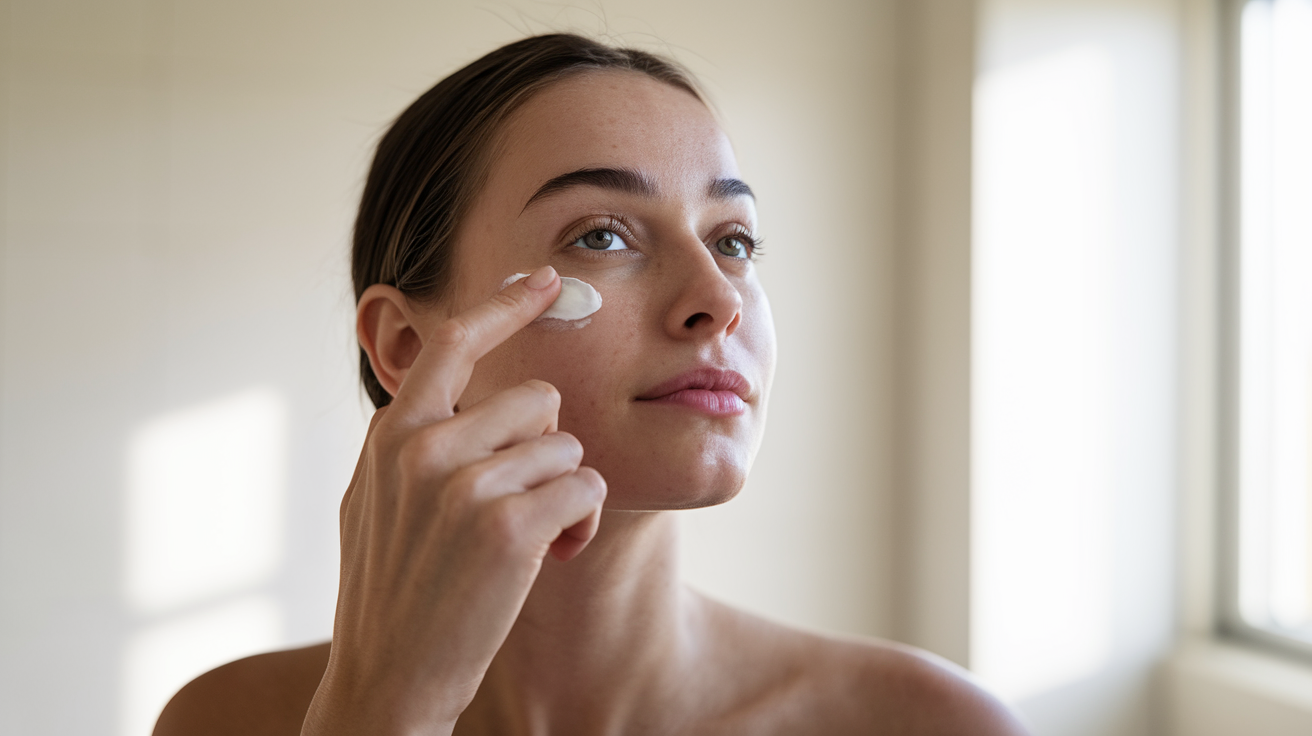
That said, not everyone needs a separate eye cream. There are situations where your face moisturizer can do double duty without causing problems.
If you're in your twenties with no visible under-eye concerns, a gentle, fragrance-free face moisturizer often provides enough hydration. You might not need specialized ingredients yet.
People with very dry skin sometimes find that their rich face cream works beautifully around their eyes, especially if it's free from active ingredients like retinol or acids. A simple ceramide-based moisturizer can help create smoother-looking skin everywhere.
If you're using a basic, no-frills moisturizer with minimal ingredients, applying it gently around your eyes probably won't cause issues. Look for formulas with hyaluronic acid, glycerin, or squalane as the main hydrators.
The key is knowing what's in your face cream. Read the ingredient list. If you see high percentages of retinol, AHAs, BHAs, or strong botanical extracts, keep those products away from your eye area.
For those dealing with visible signs of aging like fine lines, crepiness, or puffiness, a targeted eye treatment usually makes a noticeable difference. The affiliate one can help you understand which approach works best for your skin type and concerns.
The Bottom Line
Can you use face cream under your eyes? Sometimes, yes. Should you? That depends on what's in your face cream and what your under-eye area needs.
If your face moisturizer is gentle, fragrance-free, and doesn't contain strong actives, it might work just fine for your eyes, especially if you're younger or don't have specific concerns.
But if you're noticing dryness, fine lines, puffiness, or tired-looking eyes, a dedicated eye cream formulated for that delicate skin can make a visible difference in how refreshed and smooth your under-eye area looks.
The best approach is to pay attention to how your skin responds. If your current routine leaves your under-eye area looking hydrated and comfortable, you've found what works. If not, it might be time to explore formulas designed specifically for those needs.