Disclosure: This post contains affiliate links. We may earn a commission at no extra cost to you.
Affordable Eye Creams That Actually Work: Dermatologist Insights
Published August 10, 2026
Are you spending more on eye cream than your entire skincare routine combined—and still waking up to tired-looking eyes? You're not alone. The eye cream aisle feels like a trap: drugstore tubes promising miracles for ten dollars, luxury jars commanding triple digits, and you stuck in the middle wondering if price actually matters.
Here's the truth dermatologists wish more people understood: expensive doesn't always mean effective. Some of the most impressive formulas sit quietly on drugstore shelves while luxury brands charge for packaging and prestige. But some budget options are genuinely disappointing, too.
This isn't about shaming your spending habits. It's about understanding what you're actually paying for—so you can make smarter choices for your skin and your wallet.
What Makes an Eye Cream Effective Regardless of Price
The skin around your eyes is thinner than anywhere else on your face. It has fewer oil glands, less collagen, and takes more daily abuse from blinking, squinting, rubbing, and expressing emotion.
An effective eye cream addresses these vulnerabilities with three core jobs: hydration, protection, and active ingredients that support skin texture over time.
Hydration comes from humectants like hyaluronic acid and glycerin that pull moisture into skin. Protection comes from emollients like squalane and ceramides that seal that moisture in and support the skin barrier. Active ingredients like peptides, retinol, niacinamide, and caffeine address specific concerns like fine lines, puffiness, or uneven tone.
Here's what doesn't matter as much as brands want you to believe: fancy jars, celebrity endorsements, exotic plant extracts with no research behind them, or vague promises about "rejuvenation."
What does matter: ingredient concentration, formula stability, whether the texture works for your skin type, and whether you'll actually use it consistently.
Price doesn't determine any of those things. Formulation does.
Drugstore Eye Creams vs Luxury Brands: The Real Difference
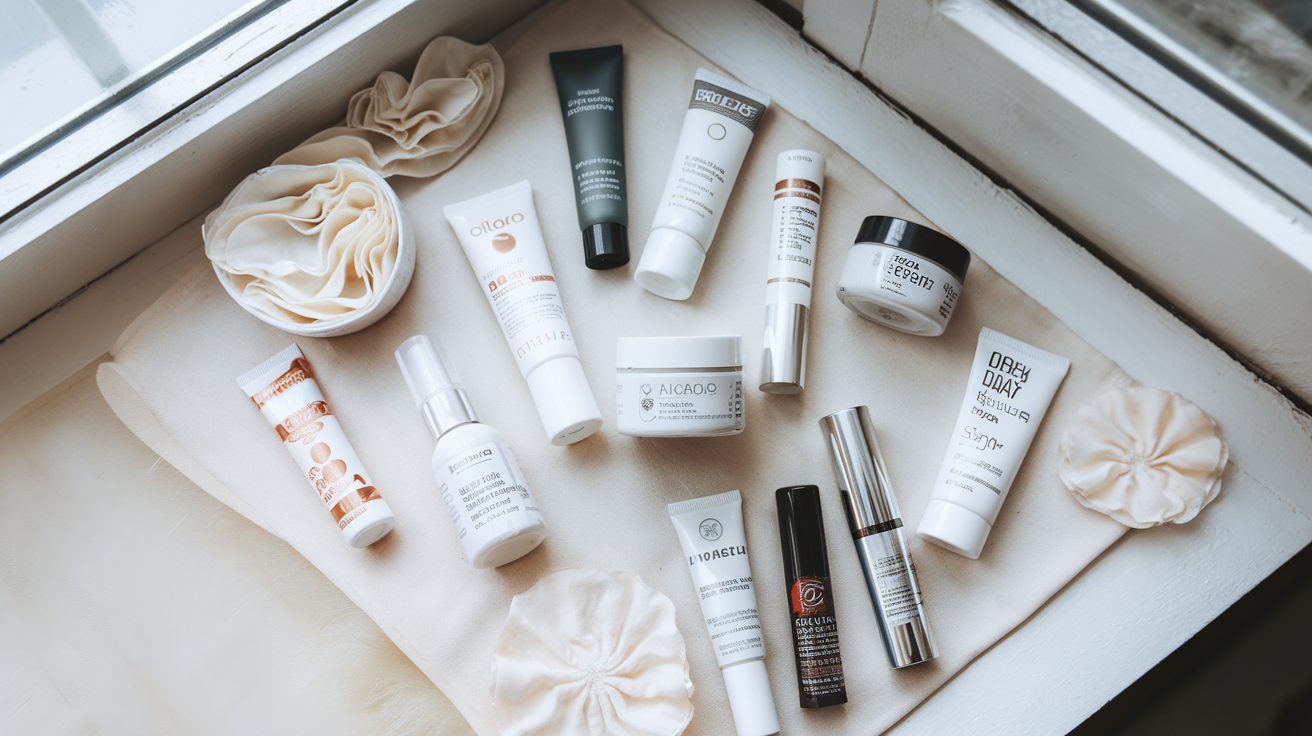
Let's get specific. A luxury eye cream might cost eighty dollars for half an ounce. A drugstore option might cost twelve dollars for the same amount. What's the actual difference?
Sometimes, it's the concentration of active ingredients. A high-end retinol eye cream might contain a more stable or higher percentage of retinoid than a budget version. But not always—many drugstore brands now use the same actives at comparable strengths.
Sometimes, it's the texture. Luxury brands invest heavily in sensory experience: silky application, no pilling under makeup, subtle fragrance. Drugstore formulas can feel greasier or take longer to absorb. But again, not always. Some affordable eye creams have beautiful textures that rival department store counters.
Sometimes, it's just packaging and marketing. A frosted glass jar with gold accents costs more to produce than a plastic tube. A campaign featuring a famous face costs millions. You pay for that.
And sometimes, there's genuinely no functional difference at all. The formulas might even come from the same manufacturing facility.
Tired of seeing under-eye lines before you see yourself?
If the tiny creases under your eyes make you look more tired than you feel, this guide shows the simple under-eye routine that helps soften the look of dry lines, crepey texture, and tired skin without guessing or wasting weeks on random products.
Dermatologists consistently point out that many drugstore brands are owned by the same parent companies as luxury lines. They share research, labs, and sometimes even base formulas. The luxury version gets the prestige marketing. The drugstore version gets a simpler package and a shelf at Target.
The takeaway? Don't assume price equals performance. Read ingredient lists. Look for proven actives. Test textures when possible. And if a twelve-dollar eye cream works for your skin, don't let anyone shame you into upgrading.
Key Ingredients to Look for in Budget-Friendly Eye Creams
You don't need to memorize a chemistry textbook, but knowing a few powerhouse ingredients helps you spot real value on drugstore shelves.
Caffeine is one of the most affordable and effective ingredients for reducing the appearance of puffiness. It temporarily constricts blood vessels, which can make under-eye bags look less pronounced. It's especially helpful in the morning.
Niacinamide is a multitasker that helps with uneven tone, supports the skin barrier, and works well with other actives. It's gentle, stable, and increasingly common in affordable eye creams. Look for it high on the ingredient list.
Peptides are amino acid chains that signal skin cells to behave in certain ways—like producing more collagen or improving texture over time. They're not magic, but with consistent use, they can contribute to smoother-looking skin. Copper peptides and palmitoyl peptides are two types you'll see often.
Hyaluronic acid is a hydration hero. It holds up to a thousand times its weight in water, plumping the look of fine lines caused by dryness. Even budget formulas can include effective forms of hyaluronic acid.
Retinol is trickier at the drugstore level because concentration and stability vary widely. But some affordable brands—like CeraVe, RoC, and Neutrogena—offer retinol eye creams that dermatologists genuinely recommend. Start slowly if you're new to retinol, especially around the delicate eye area.
Ceramides help repair and maintain the skin barrier, which is critical for preventing moisture loss and irritation. Look for them in creams designed for dry or sensitive skin.
Avoid gimmicks like gold flakes, diamond dust, or plant extracts with no clinical backing. If the ingredient list is filled with things you've never heard of and can't research, that's a red flag—not a luxury experience.
For a detailed breakdown of which ingredients work best for specific under-eye concerns, check out this affiliate one resource that walks through morning and nighttime routines.
How to Maximize Results Without Breaking the Bank
Even the best eye cream won't deliver visible results if you're using it inconsistently or pairing it with habits that work against your skin.
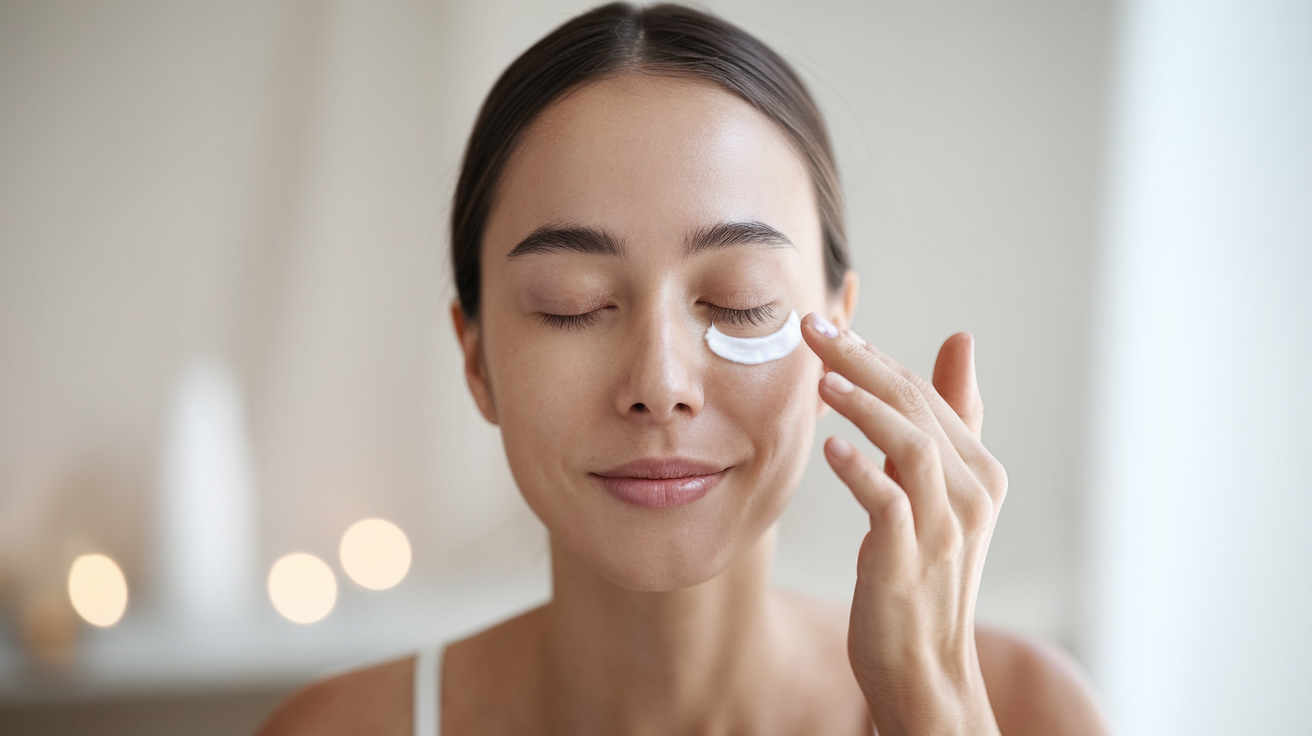
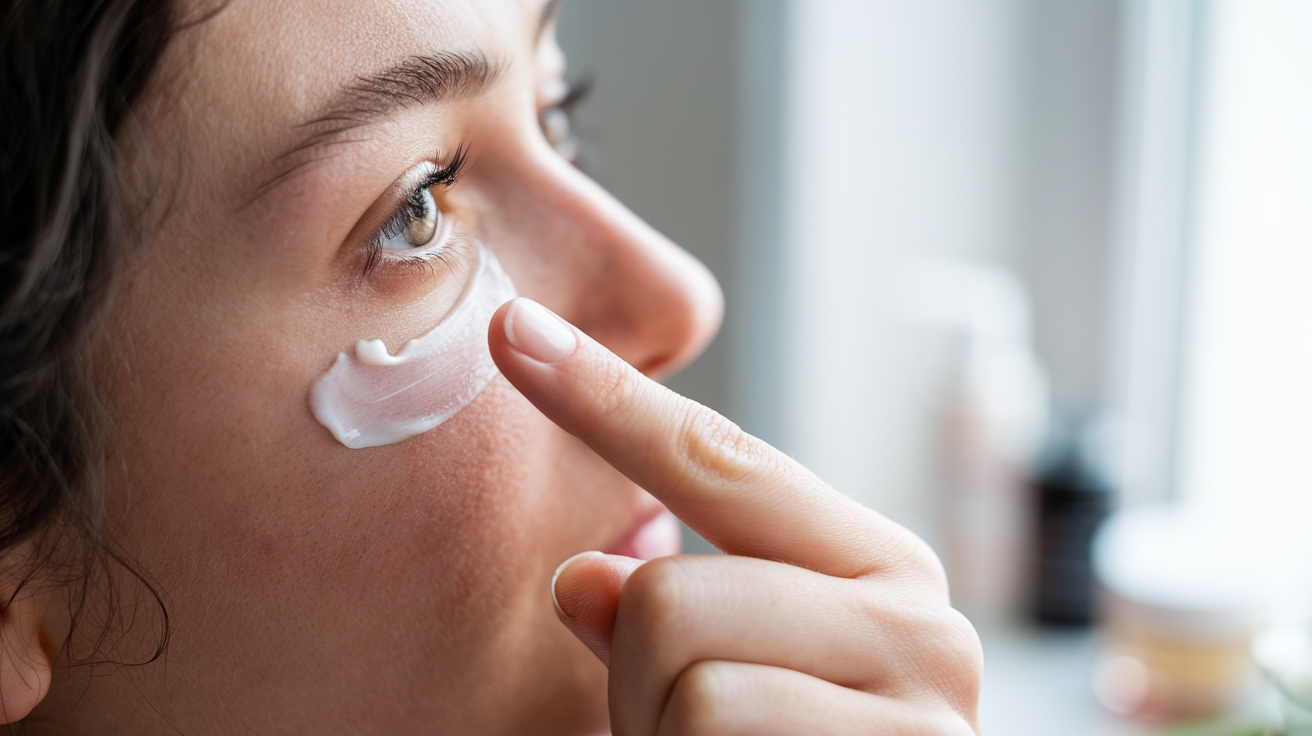
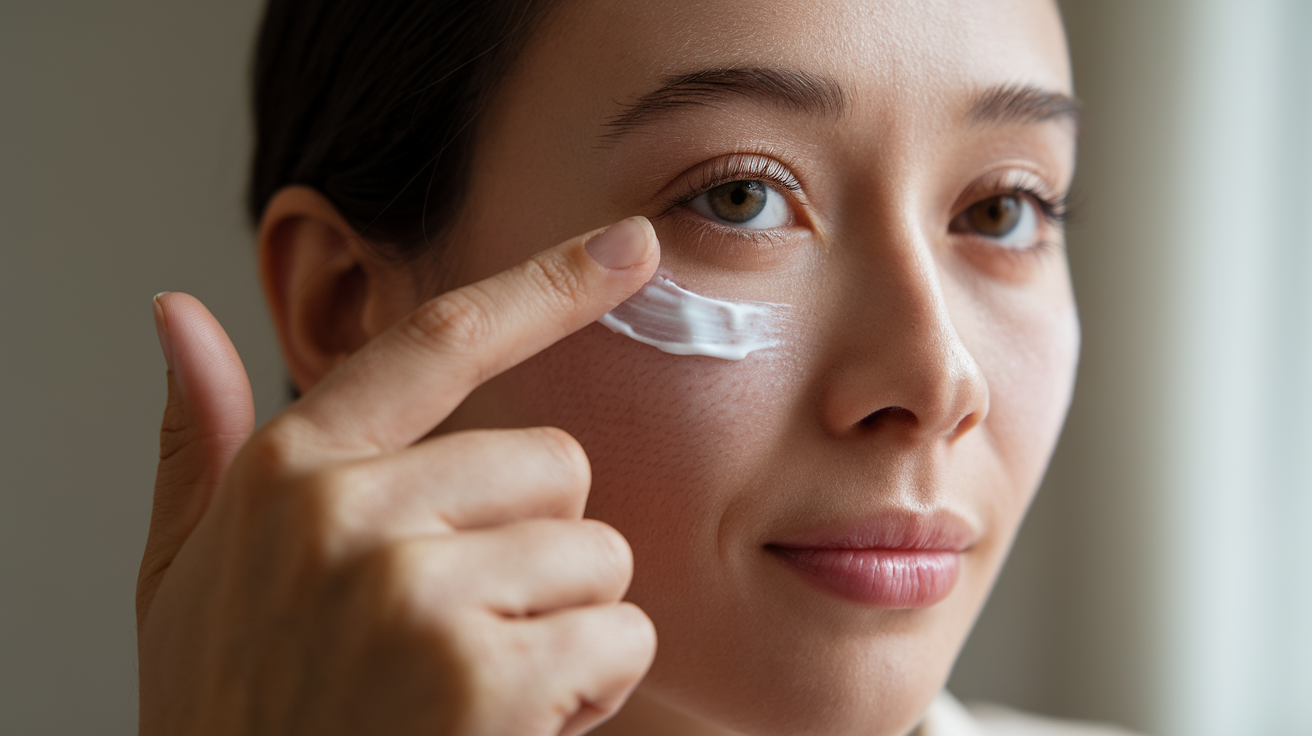
First, apply eye cream correctly. Use your ring finger—it applies the least pressure—and gently pat the product along the orbital bone, starting from the inner corner and moving outward. Don't rub. Don't tug. The skin is too delicate for aggressive application.
Second, layer strategically. If you're using multiple actives, apply the thinnest texture first. Serums go before creams. Retinol typically goes at night. Caffeine and niacinamide work well in the morning. If you're unsure about layering, this affiliate one guide offers a simple step-by-step routine.
Third, protect your investment with sunscreen. UV exposure accelerates the breakdown of collagen and contributes to premature aging around the eyes. If your eye cream doesn't contain SPF, use a broad-spectrum sunscreen over it during the day. Mineral formulas with zinc oxide are often gentler for the eye area.
Fourth, manage your expectations. Eye creams can help skin look smoother, more hydrated, and less tired over time—but they can't erase deep wrinkles, reverse significant sun damage, or replace sleep. They're part of a bigger picture that includes hydration, nutrition, stress management, and realistic skincare goals.
Fifth, give products time. It takes at least four to six weeks to see any meaningful change from most actives. Don't jump ship after a week because you don't see dramatic results. Consistency beats expensive products every time.
And finally, don't forget the basics. Drink water. Get enough sleep when you can. Remove your makeup gently every night. Use a silk or satin pillowcase to reduce friction. These free or low-cost habits support your eye cream's work more than doubling your budget ever will.
The bottom line? Affordable eye creams can absolutely deliver real improvements in how your under-eye area looks and feels. You don't need to spend a fortune to support healthier, smoother-looking skin. You just need to know what to look for, how to use it, and which marketing noise to ignore.
Your eyes deserve care. Your wallet deserves respect. With the right information, you can give both.