Disclosure: This post contains affiliate links. We may earn a commission at no extra cost to you.
Eye Cream Too Thick or Too Thin? How Texture Affects Under Eye Wrinkles
Have you ever wondered if your eye cream is actually working against you? You smooth it on every night, but somehow those fine lines seem just as visible. The problem might not be the ingredients—it could be the texture.
Eye cream texture affects how ingredients absorb, how your skin reacts, and whether you're creating a better environment for smoother-looking skin or accidentally making things worse. Too thick, and the formula sits on top. Too thin, and you might not be giving the delicate under-eye area enough support.
Why Eye Cream Texture Matters for Wrinkle Prevention
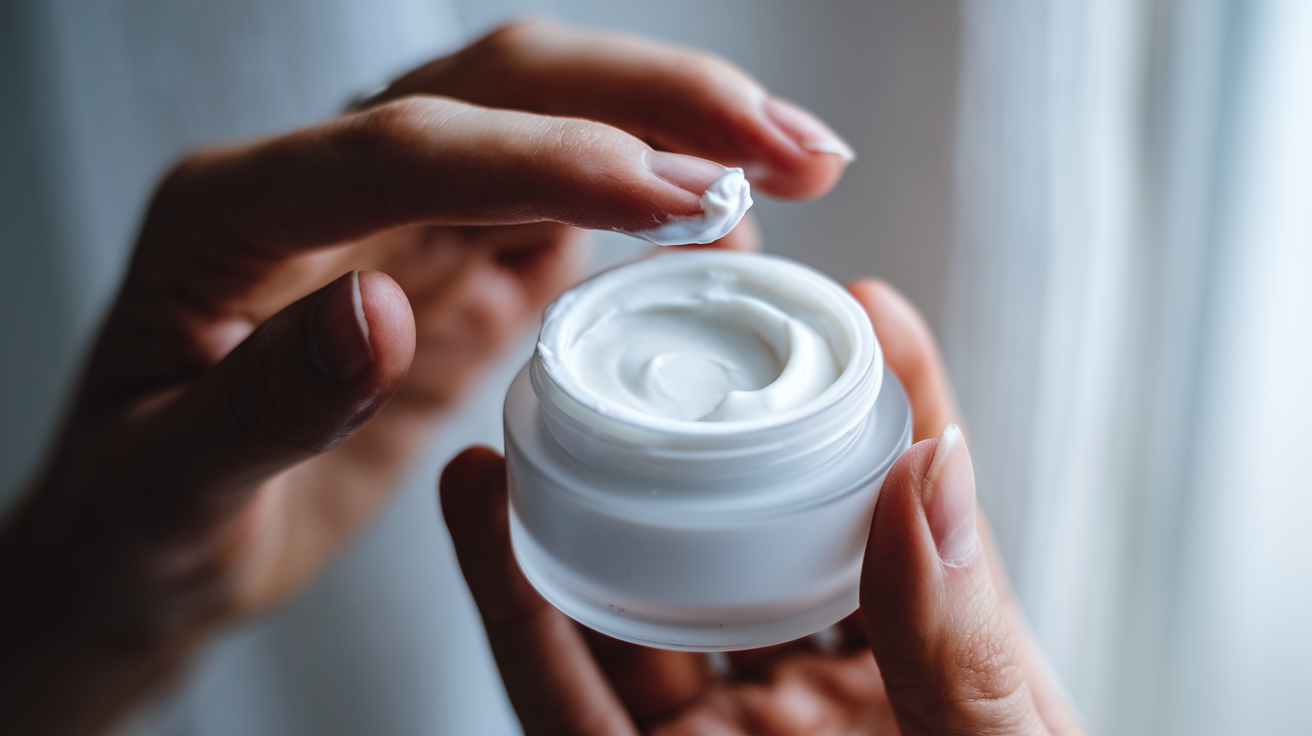
The skin under your eyes is thinner than anywhere else on your face. It has fewer oil glands, less collagen support, and it moves constantly every time you blink, smile, or squint.
That means the texture of what you apply matters just as much as what's inside the jar.
Heavy, waxy creams can overwhelm thin skin. They often contain occlusive ingredients like petrolatum or dimethicone that create a barrier. While that sounds protective, it can trap heat, cause milia (tiny white bumps), or settle into creases and actually emphasize lines throughout the day.
On the flip side, very lightweight gels or watery serums might feel refreshing, but they don't always provide the moisture barrier that mature or dry skin needs. Without that layer of protection, the under-eye area can lose hydration faster, leading to more visible crepey texture.
The goal is balance. You want a texture that sinks in without tugging, hydrates without heaviness, and supports the skin's natural moisture without clogging or sliding around under makeup.
Tired of seeing under-eye lines before you see yourself?
If the tiny creases under your eyes make you look more tired than you feel, this guide shows the simple under-eye routine that helps soften the look of dry lines, crepey texture, and tired skin without guessing or wasting weeks on random products.
Signs Your Eye Cream Texture Is Wrong for Your Skin
Your skin usually tells you when something isn't working—you just have to know what to look for.
If your eye cream feels sticky an hour after applying it, that's a sign the formula is too heavy or contains too many film-forming ingredients. This often happens with rich night creams used during the day or with formulas designed for very dry climates used in humid environments.
Pilling is another red flag. If your eye cream rolls up into little balls when you apply makeup or sunscreen over it, the texture is likely incompatible with your other products or your skin isn't absorbing it properly.
Milia—those small, hard white bumps that show up near the eye area—are a classic sign that your cream is too occlusive. They form when skin cells and oil get trapped under the surface because the product is creating a seal that's too tight.
On the other hand, if your under-eye area feels tight or looks more lined by midday, your cream might be too light. Skin that's dehydrated will show every crease, and a watery formula might evaporate too quickly to provide lasting comfort.
Makeup that creases or slides off within a few hours can also point to texture issues. Either the cream is too emollient and your concealer can't grip, or it's too dry and your makeup is clinging to flaky patches.
How to Choose the Right Eye Cream Consistency
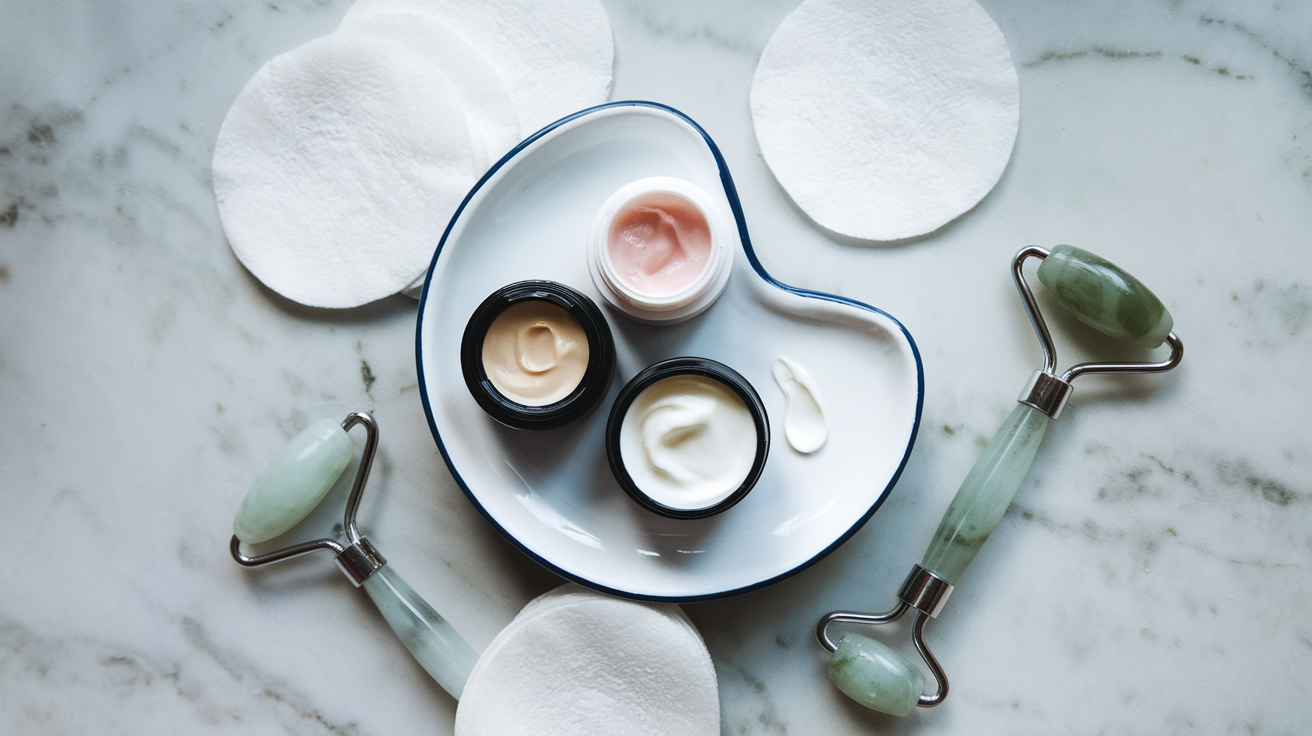
The best texture for your eye cream depends on your skin type, the climate you live in, and when you're applying it.
If you have oily or combination skin, look for a lightweight gel-cream or serum-like texture. These formulas usually contain hyaluronic acid, niacinamide, or peptides in a base that absorbs quickly. They hydrate without adding oil or sitting on the surface, which makes them ideal under makeup.
For dry or mature skin, a richer cream with a soft, buttery texture works better. Look for ingredients like ceramides, squalane, or shea butter that support the skin's moisture barrier. The formula should feel nourishing but still sink in within a few minutes—not sit on top like a mask.
If you live in a dry climate or use retinol at night, you might need a thicker texture in the evening and a lighter one in the morning. Layering is key: a hydrating serum followed by a protective cream can give you the benefits of both without the heaviness.
Sensitive skin does best with creams that have a smooth, non-fragranced texture and minimal additives. Avoid anything that feels waxy, tacky, or overly slippery—these textures often contain potential irritants or unnecessary fillers.
When shopping, test the texture on the back of your hand. It should glide on easily, absorb within 30 to 60 seconds, and leave your skin feeling soft but not greasy. If it takes more than two minutes to sink in or leaves a shiny film, it's probably too heavy for everyday use.
For more detailed guidance on choosing formulas that match your skin's needs, check out this affiliate one resource that walks through product selection step by step.
Application Techniques Based on Product Texture
How you apply your eye cream is just as important as which one you choose. The wrong technique can waste product, tug delicate skin, or prevent absorption entirely.
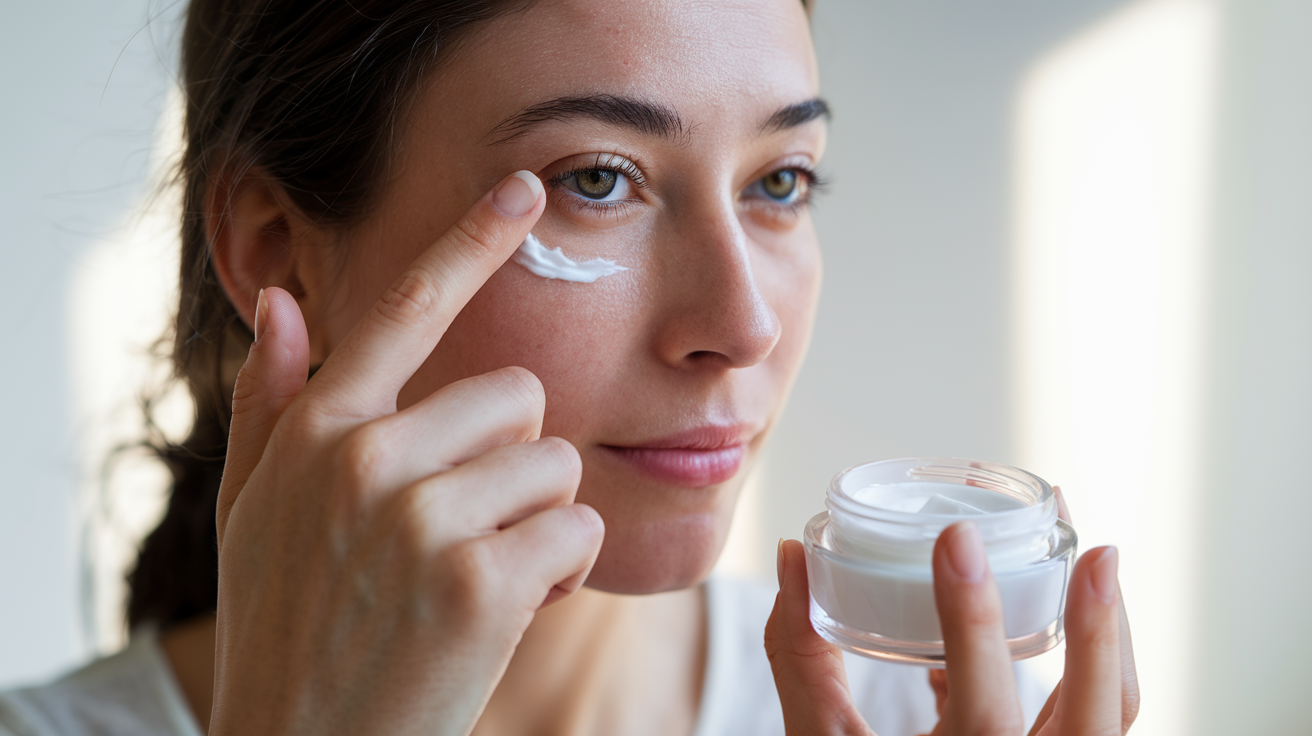
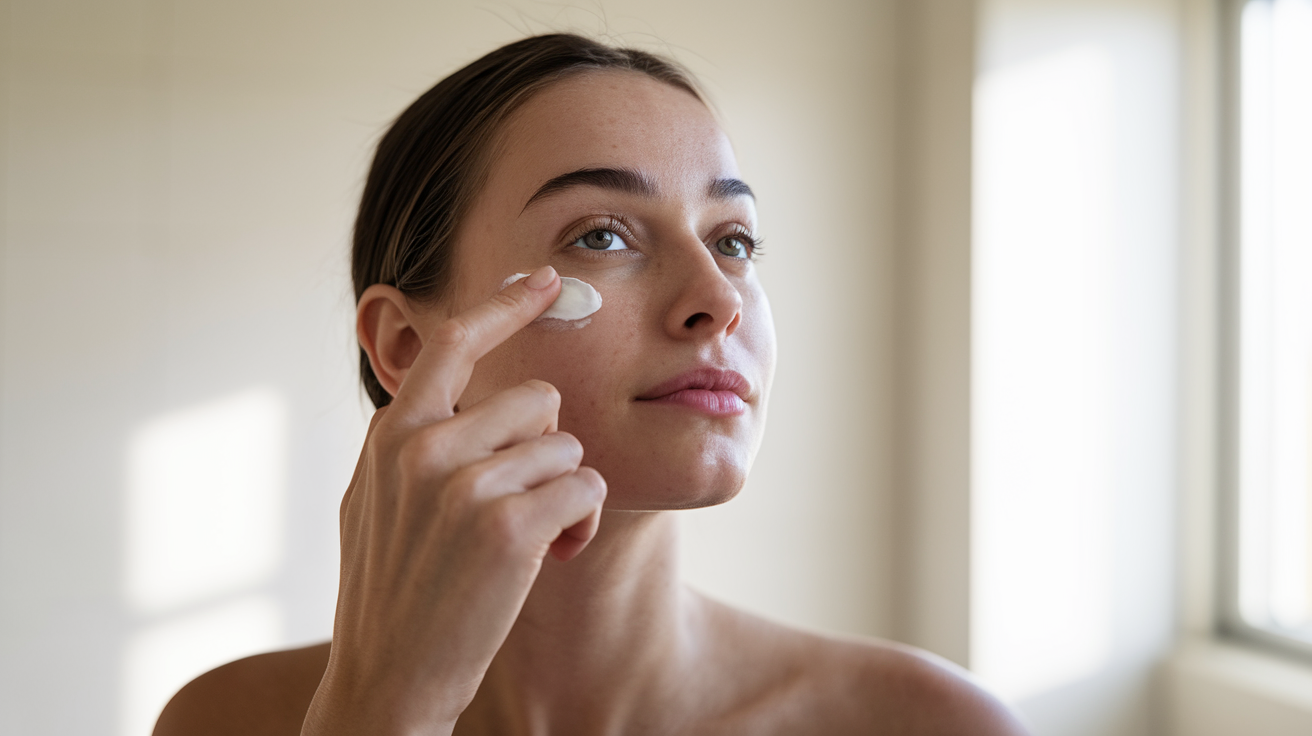
For lightweight gels and serums, use your ring finger to gently pat the product along the orbital bone—never directly on the eyelid or too close to the lash line. These textures spread easily, so a little goes a long way. Patting helps the formula absorb without dragging the skin.
With thicker creams, warm a small amount between your ring fingers first. This softens the texture and makes it easier to spread without pulling. Then press it gently into the skin rather than rubbing it back and forth. Pressing encourages absorption and reduces friction.
If your cream feels too rich, try applying it over a damp face. The moisture helps the formula glide on more smoothly and prevents it from sitting in a heavy layer. You can also mix a tiny drop with your moisturizer to lighten the texture without sacrificing hydration.
For very thin or watery formulas, apply them in thin layers. One coat might not feel like enough, but adding a second layer after the first absorbs can give you better coverage without overloading the skin.
Always apply eye cream before oils or occlusives, but after water-based serums. This layering order helps each product absorb properly and prevents pilling or interference.
And remember: less is more. Using too much product—no matter the texture—can cause buildup, irritation, and wasted money. A pea-sized amount is usually enough for both eyes.
If you're still unsure which routine fits your skin best, this affiliate one guide offers a simple framework to help you build a routine that actually works for your under-eye concerns.
Choosing the right eye cream texture isn't about finding the most expensive product or the trendiest ingredient. It's about understanding what your skin needs, how different formulas behave, and how to apply them in a way that supports smoother-looking, more comfortable skin over time.
Pay attention to how your skin feels an hour after application, how your makeup wears, and whether you're seeing signs of irritation or dryness. Those clues will tell you more than any product label ever could.