Disclosure: This post contains affiliate links. We may earn a commission at no extra cost to you.
5 Signs You're Losing Skin Elasticity Around Your Eyes (And What To Do)
Have you noticed that the skin around your eyes just doesn't seem to snap back like it used to? You're not imagining things. The delicate eye area is often the first place to show visible signs of aging, and loss of elasticity is one of the most common culprits behind those changes we'd rather not see in the mirror.
The good news? Recognizing these signs early means you can take action before they become more pronounced. Let's explore the five telltale signs that your eye area is losing its bounce—and what you can actually do about it.
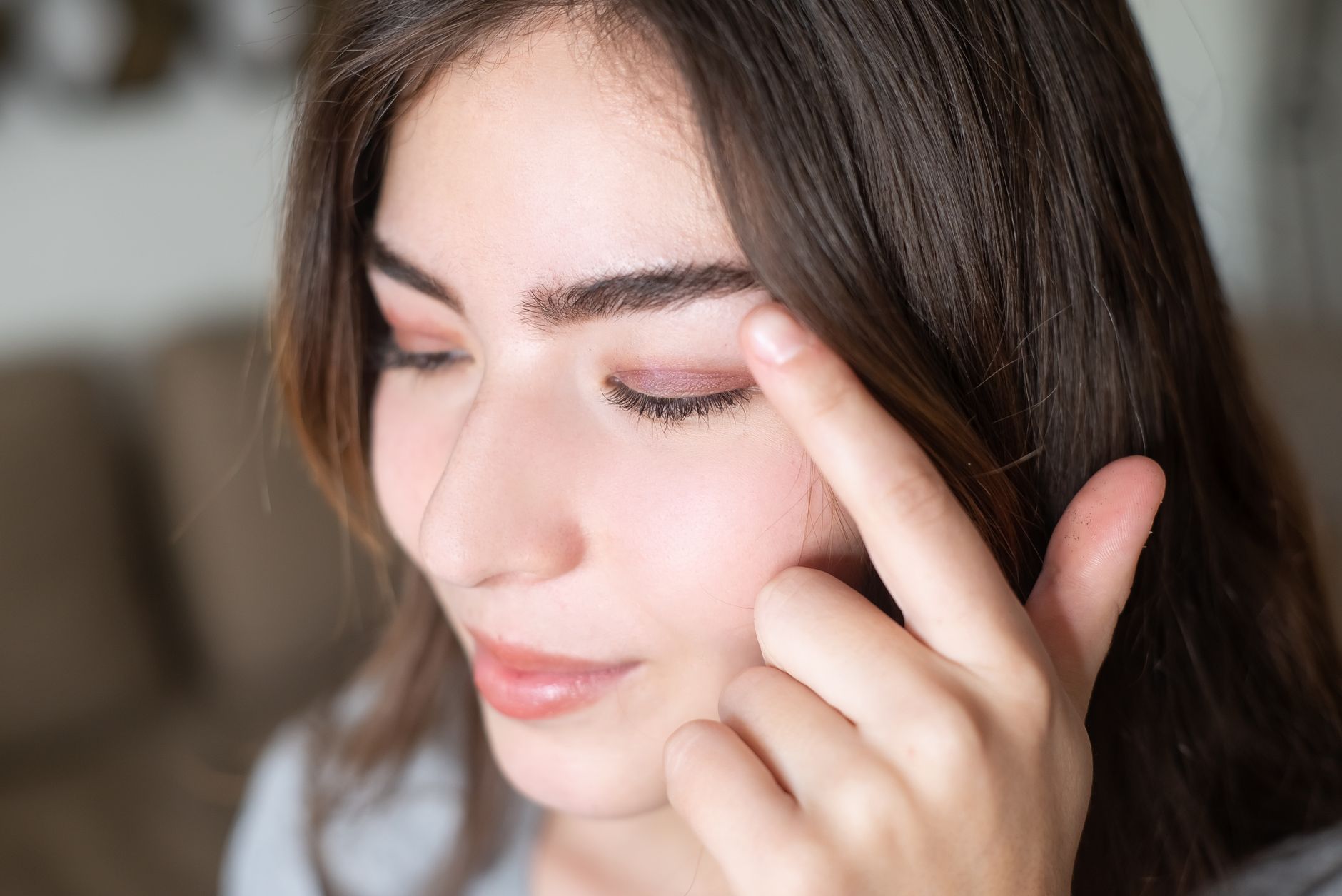
Fine Lines That Don't Bounce Back Anymore
Remember when you could smile, squint, or scrunch your face, and your skin would immediately return to smooth? That's elasticity in action. But if you're noticing that those expression lines around your eyes are sticking around longer—or becoming permanent fixtures—your skin's elastic fibers are breaking down.
This happens because collagen and elastin production naturally decreases as we age. The skin literally loses its ability to snap back into place. What starts as temporary crinkles when you smile gradually becomes etched-in crow's feet that stay visible even when your face is relaxed.
The shift is subtle at first. You might notice that your smile lines take a few seconds longer to disappear, or that they're slightly visible even in your resting face. This is your skin's early warning system telling you it needs support.
Drooping Upper Eyelids and Hooded Eyes
If your eyelids seem heavier or your eye makeup application has become trickier because there's less visible lid space, you're experiencing loss of elasticity in the upper eye area. This creates what's commonly called "hooded eyes"—though you weren't born with them.
The skin above your eyes is incredibly thin and has very little fat padding beneath it. When elastin fibers weaken, gravity takes over, causing that skin to sag downward. You might notice that your eyes look smaller or more tired, even when you're well-rested.
This is one of the more frustrating signs because it can age your entire face. Many people don't realize this is an elasticity issue—they just think they suddenly look more fatigued.
Want more tips? Join our free newsletter
Persistent Under Eye Bags That Won't Go Away
We all get puffy eyes occasionally from lack of sleep, allergies, or too much salt. But if you're dealing with permanent puffiness or bags that no amount of sleep can fix, weakened skin elasticity is likely the issue.
When the skin under your eyes loses its firmness, it can't hold everything in place as effectively. The fat pads that naturally cushion your eyes can start to protrude forward, creating those persistent bags. The weakened skin simply can't contain and smooth everything out anymore.

You'll notice this isn't the kind of puffiness that comes and goes—it's there in the morning, at night, and throughout the day. Cooling eye masks might provide temporary relief, but the bags return because the underlying structure has changed.
Sagging Skin at Outer Eye Corners
Look at the outer corners of your eyes. Is the skin there starting to droop downward, creating a slightly sad or tired appearance? This is another classic sign of elasticity loss, and it's often accompanied by deepening crow's feet in the same area.
The outer eye area takes a beating from repeated facial expressions—every smile, squint, and laugh tugs at that delicate skin. Over time, without adequate elastin to bounce back, the skin begins to sag, sometimes creating a small fold or drooping effect.
This can make you look more tired or older than you feel. Many people don't even notice this change until they compare current photos with ones from a few years ago and see the difference in their eye shape.
How to Rebuild Elasticity With Targeted Ingredients
Here's the encouraging part: you're not powerless against these changes. While you can't completely reverse decades of elasticity loss, you can significantly improve the situation with the right approach and ingredients.
Retinol remains the gold standard. This vitamin A derivative stimulates collagen production and increases cell turnover. For the eye area, look for specifically formulated eye creams with retinol, as regular retinol can be too harsh for this delicate skin.
Peptides are your elasticity rebuilders. These amino acid chains signal your skin to produce more collagen and elastin. Look for products containing Matrixyl, argireline, or copper peptides. They're gentler than retinol but still highly effective when used consistently.
Vitamin C brightens and firms. This antioxidant not only protects against further damage but also supports collagen synthesis. Choose stable forms like ascorbic acid or tetrahexyldecyl ascorbate for best results around the eyes.
For a comprehensive approach to targeting all five of these elasticity concerns, check out this affiliate one that breaks down exactly which ingredients to layer and when.
Hyaluronic acid provides the hydration foundation. While it doesn't directly build elasticity, well-hydrated skin appears plumper and shows fewer fine lines. This creates the optimal environment for other active ingredients to work.
Don't skip the sunscreen. UV damage is one of the primary causes of elastin breakdown. A mineral sunscreen around your eyes every single day prevents further deterioration and protects the improvements you're working to achieve.
The key is consistency and patience. You won't see dramatic changes overnight, but with dedicated use over 8-12 weeks, most people notice visible improvements in skin firmness, reduced sagging, and smoother texture around the eyes.
Consider also incorporating gentle facial massage techniques specifically for the eye area. This improves circulation and can help with lymphatic drainage, reducing puffiness while you work on the deeper elasticity issues with your skincare products.
If you're just starting your anti-aging eye care journey and feeling overwhelmed by all the options, this affiliate one offers a simple, step-by-step approach to building an effective routine without breaking the bank.
Remember, the eye area ages faster than the rest of your face, but it also responds beautifully to targeted care. Start addressing these elasticity signs now, and your future self will thank you every time you look in the mirror.