Disclosure: This post contains affiliate links. We may earn a commission at no extra cost to you.
7 Dermatologist-Approved Ways to Reduce Crow's Feet and Smile Lines
Have you noticed those fine lines around your eyes becoming more pronounced when you smile? You're not alone. Crow's feet and smile lines are among the most common signs of aging, but the good news is that dermatologists have proven strategies to minimize their appearance. Let's explore the most effective, science-backed methods to smooth those expression lines and prevent new ones from forming.

Understanding Why Crow's Feet Form Around Your Eyes
Before diving into solutions, it's helpful to understand what causes these lines in the first place. The skin around your eyes is incredibly thin—about 40% thinner than the rest of your face. This delicate area has fewer oil glands and takes a beating from constant facial expressions.
Every time you smile, squint, or laugh, the muscles contract and create creases in the skin. When we're young, collagen and elastin bounce back easily. But as we age, collagen production slows down by about 1% each year after age 20. Add in sun exposure, which breaks down collagen even faster, and you've got the perfect recipe for crow's feet.
Environmental factors like UV rays, pollution, and even blue light from screens accelerate this process. That's why prevention and treatment need to work hand in hand.
Retinol and Retinoids: The Gold Standard for Crow's Feet
When dermatologists talk about anti-aging ingredients, retinoids always top the list. These vitamin A derivatives are the most researched and proven ingredients for reducing fine lines and wrinkles.
Retinoids work by speeding up cell turnover and boosting collagen production. For crow's feet specifically, prescription-strength tretinoin has shown remarkable results in clinical studies. Over-the-counter retinol is gentler but still effective when used consistently.
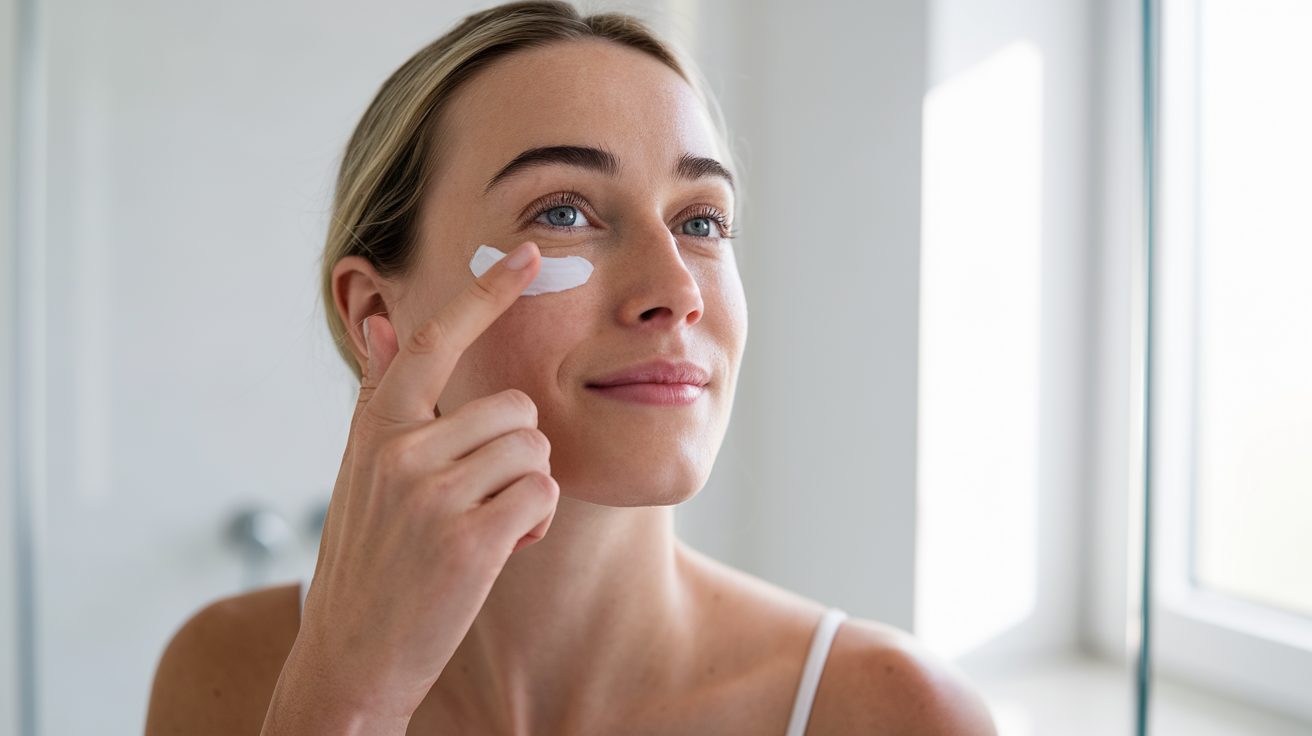
Start slowly—apply a pea-sized amount two or three nights per week, gradually increasing frequency as your skin adjusts. Always follow with a rich eye cream, and never skip sunscreen during the day since retinoids increase sun sensitivity.
For comprehensive guidance on building an effective retinol routine, check out our affiliate one resource that breaks down exactly how to incorporate these powerful ingredients.
Peptide Treatments That Target Expression Lines
Peptides are chains of amino acids that act as building blocks for proteins like collagen and elastin. When applied topically, they signal your skin to produce more of these youth-boosting proteins.
Look for eye creams containing acetyl hexapeptide-8 (also marketed as Argireline), which works similarly to Botox by relaxing facial muscles. While the effect is much milder than injectables, consistent use can soften expression lines over time.
Other powerhouse peptides include palmitoyl pentapeptide-4 (Matrixyl) and copper peptides, both shown to improve skin texture and firmness around the delicate eye area.
Want more tips? Join our free newsletter
Antioxidant Serums for Prevention and Protection
If retinoids are your repair crew, antioxidants are your defense team. These ingredients neutralize free radicals—unstable molecules from sun exposure and pollution that damage skin cells and break down collagen.
Vitamin C is the superstar here. It not only protects against environmental damage but also brightens dark circles and boosts collagen synthesis. Apply a vitamin C serum every morning before sunscreen for maximum protection.
Other effective antioxidants include vitamin E, ferulic acid, resveratrol, and niacinamide. Many formulas combine several antioxidants for synergistic benefits. The key is consistency—these ingredients prevent future damage while gradually improving existing lines.
Professional Treatments Worth Considering
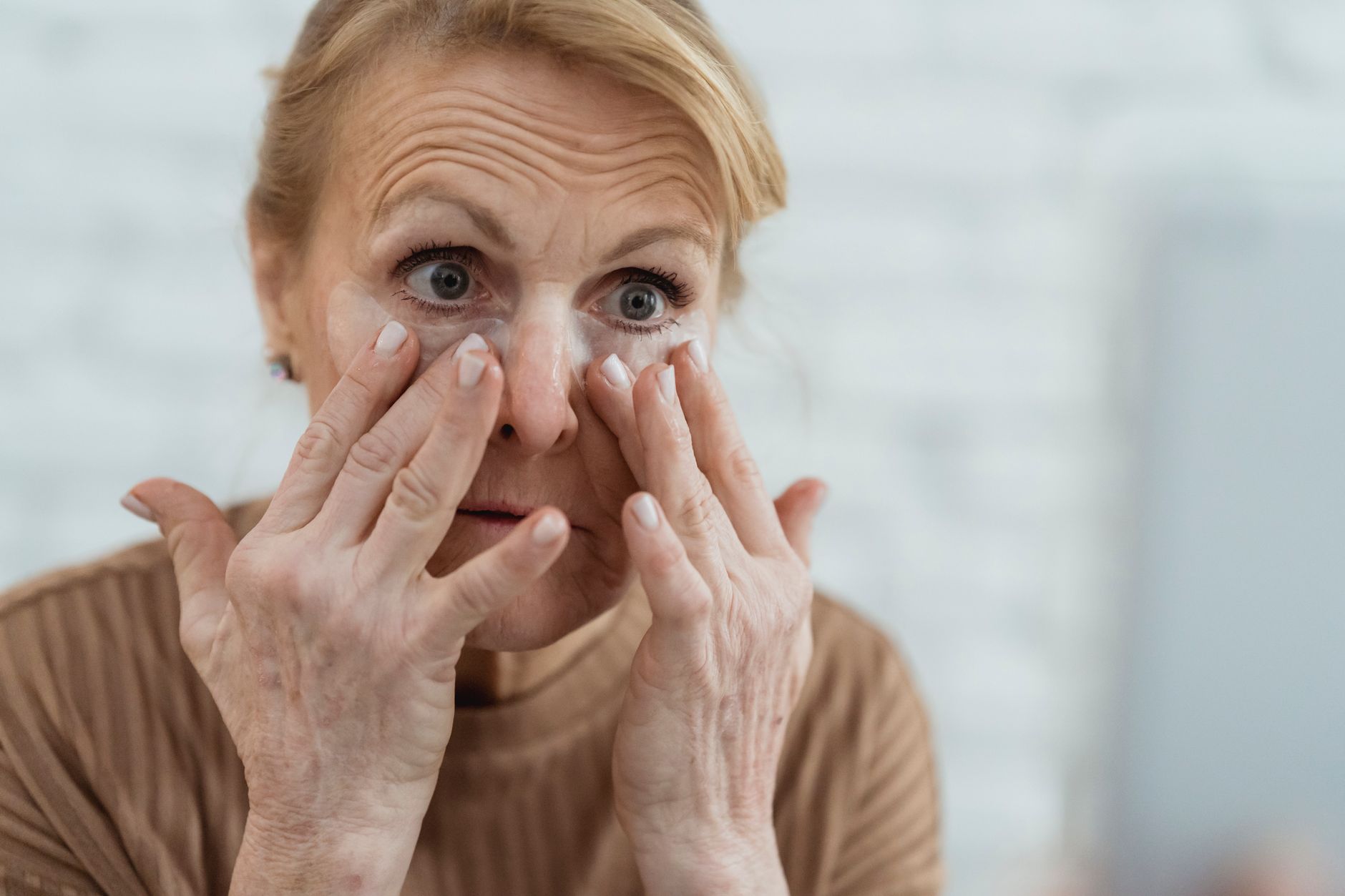
Sometimes at-home treatments need backup from professional procedures. Here are the most effective dermatologist-administered options for crow's feet:
Botox and Dysport: These neuromodulators temporarily relax the muscles that create crow's feet. Results last three to four months and are most dramatic when started before lines become deeply etched.
Laser resurfacing: Fractional lasers create microscopic wounds that trigger collagen production. Downtime varies, but results can be impressive for moderate to severe wrinkles.
Microneedling: This treatment creates tiny punctures in the skin to stimulate healing and collagen growth. It's less invasive than lasers with minimal downtime.
Chemical peels: Medium-depth peels can improve skin texture and reduce fine lines, though they require careful post-treatment care.
The best approach often combines professional treatments with a solid at-home routine for long-lasting results.
Daily Habits That Prevent Crow's Feet From Worsening
Your daily habits matter just as much as the products you use. Here's what dermatologists recommend:
Wear sunglasses: Squinting in bright sunlight creates repetitive creases. Quality UV-blocking sunglasses protect your eyes and prevent squinting.
Apply SPF religiously: Sun damage is the number one cause of premature aging. Use a broad-spectrum SPF 30 or higher every single day, even when it's cloudy.
Sleep on your back: Side and stomach sleeping create compression wrinkles. If you can't change positions, try a silk pillowcase to reduce friction.
Stay hydrated: Dehydrated skin shows lines more prominently. Drink plenty of water and use a humidifier in dry environments.
Don't smoke: Smoking restricts blood flow and breaks down collagen faster than almost any other factor.
How to Layer Products for Maximum Results
Having great products means nothing if you don't apply them correctly. Here's the optimal layering sequence for targeting crow's feet:
Morning routine: Cleanse, apply antioxidant serum (like vitamin C), follow with peptide eye cream, then moisturizer, and finish with SPF. Always apply eye products with your ring finger using gentle tapping motions.
Evening routine: Cleanse thoroughly, apply any treatment serums to slightly damp skin, wait five minutes, then apply retinol or retinoid. Follow with a nourishing eye cream and face moisturizer.
Never apply retinoids too close to the eye area—they'll migrate on their own. Keep products at least a half-inch from your lash line to avoid irritation.
For a complete breakdown of product layering and timing, our affiliate one walks you through exactly how to maximize each ingredient's effectiveness.
Remember, consistency beats perfection. The best anti-aging routine is the one you'll actually stick with. Start with one or two proven ingredients, give them at least twelve weeks to work, then add more as needed. Your future self will thank you for starting today.
Published: June 22, 2026