Disclosure: This post contains affiliate links. We may earn a commission at no extra cost to you.
Does Eye Cream Packaging Really Affect Results? 5 Things You Need to Know
Have you ever wondered why your expensive eye cream stopped working halfway through the jar? You might blame your skin, but the real problem could be sitting on your bathroom counter in the form of poorly designed packaging. The truth is, the container your eye cream comes in can make or break the formula before it ever touches your skin.
Most of us focus on ingredients when shopping for eye creams, but packaging plays a huge role in whether those ingredients stay effective. Air, light, and bacteria can destroy active ingredients like retinol and peptides faster than you think. Let's break down what actually matters when it comes to eye cream packaging and how to choose products that stay potent from first use to last.
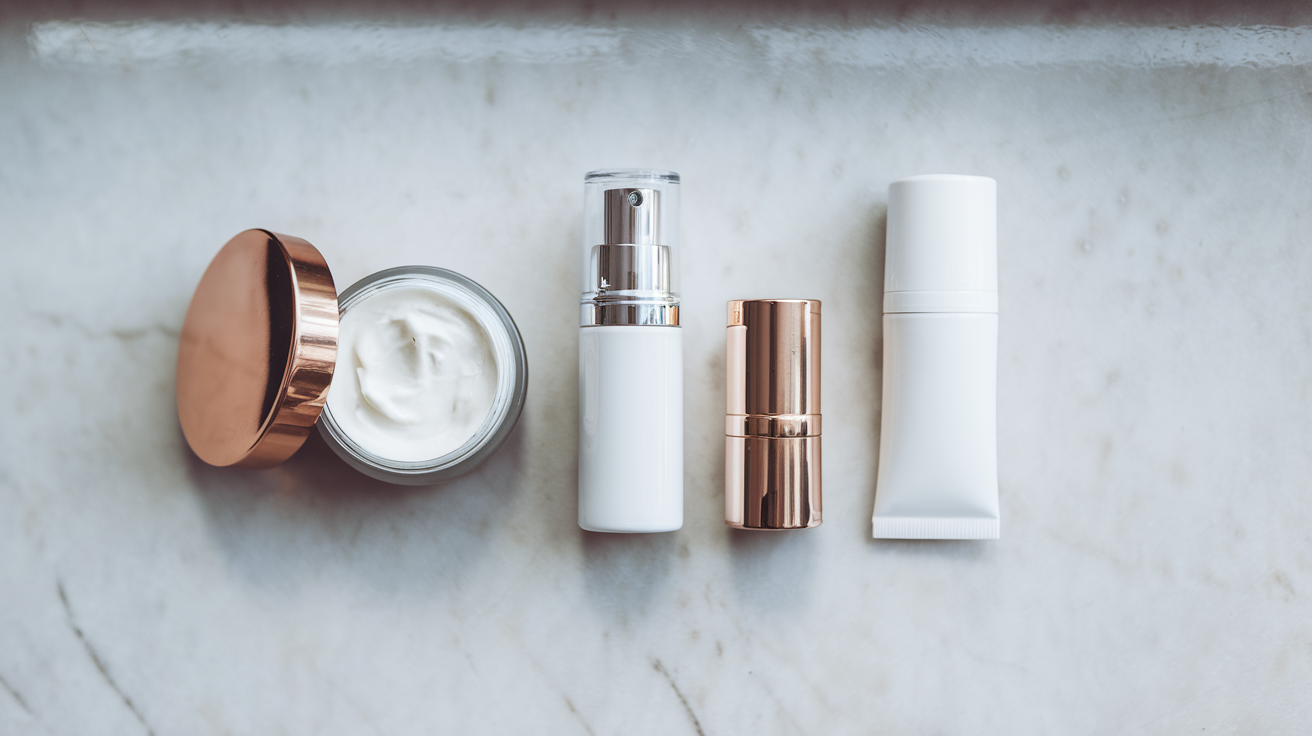
Jar vs Pump vs Tube: Which Packaging Protects Active Ingredients Best
Jars might look luxurious on your vanity, but they're actually the worst option for preserving active ingredients. Every time you open a jar and dip your fingers inside, you introduce air, moisture, and bacteria into the formula. This repeated exposure can degrade sensitive ingredients within weeks.
Tubes offer better protection than jars because they limit air exposure. When you squeeze a tube, the product comes out without letting much air back in. However, standard tubes still allow some oxygen to enter over time, especially once you've used more than half the product.
Airless pumps are the gold standard for anti-aging eye creams. These containers use a vacuum system that pushes product up from the bottom without allowing air to enter. Your formula stays sealed from first pump to last, which means actives like vitamin C and peptides maintain their potency much longer.
If you're investing in high-quality eye creams with powerful ingredients, packaging should be part of your decision. Check out this affiliate one to learn which formulas come in packaging that actually protects what you're paying for.
How Air Exposure Degrades Retinol and Peptides in Your Eye Cream
Retinol is one of the most researched ingredients for addressing the appearance of fine lines, but it's also incredibly unstable when exposed to oxygen. Studies show that retinol can lose up to 80% of its effectiveness within just a few weeks of air exposure. That jar you've been dipping into nightly? It's probably far less effective than when you first opened it.
Peptides are similarly vulnerable. These chains of amino acids help support the look of firmer skin, but they break down rapidly when exposed to air and light. Once oxidized, they can't deliver the same visible benefits you're counting on.
This is why dermatologists often recommend using products with these ingredients quickly after opening. But here's the thing: if your packaging isn't designed to minimize air exposure in the first place, you're fighting a losing battle. Even using the product quickly won't help if every application introduces fresh oxygen.
Tired of seeing under-eye lines before you see yourself?
If the tiny creases under your eyes make you look more tired than you feel, this guide shows the simple under-eye routine that helps soften the look of dry lines, crepey texture, and tired skin without guessing or wasting weeks on random products.
The Science Behind Airless Pump Bottles for Anti-Aging Formulas
Airless pump technology isn't just marketing hype. These containers work by creating a vacuum seal that keeps the formula completely isolated from outside air. When you press the pump, a disc at the bottom rises to push product through the nozzle without any air entering the chamber.
This design is especially important for formulas containing multiple active ingredients. When you combine retinol, vitamin C, and peptides in one formula, you need airtight packaging to prevent these ingredients from interacting with oxygen and degrading before they reach your skin.
Airless pumps also reduce contamination risk. Because your fingers never touch the product inside, bacteria can't multiply in the formula. This means brands can often use fewer preservatives, which is better for sensitive under-eye skin.
The downside? Airless pump bottles cost more to manufacture, which is why you'll typically find them on higher-end products. But if you're already spending money on quality ingredients, it makes sense to ensure those ingredients stay effective. For recommendations on products that use protective packaging, this affiliate one can point you in the right direction.
Dark Glass vs Clear Packaging: Why Light Matters for Eye Cream Potency
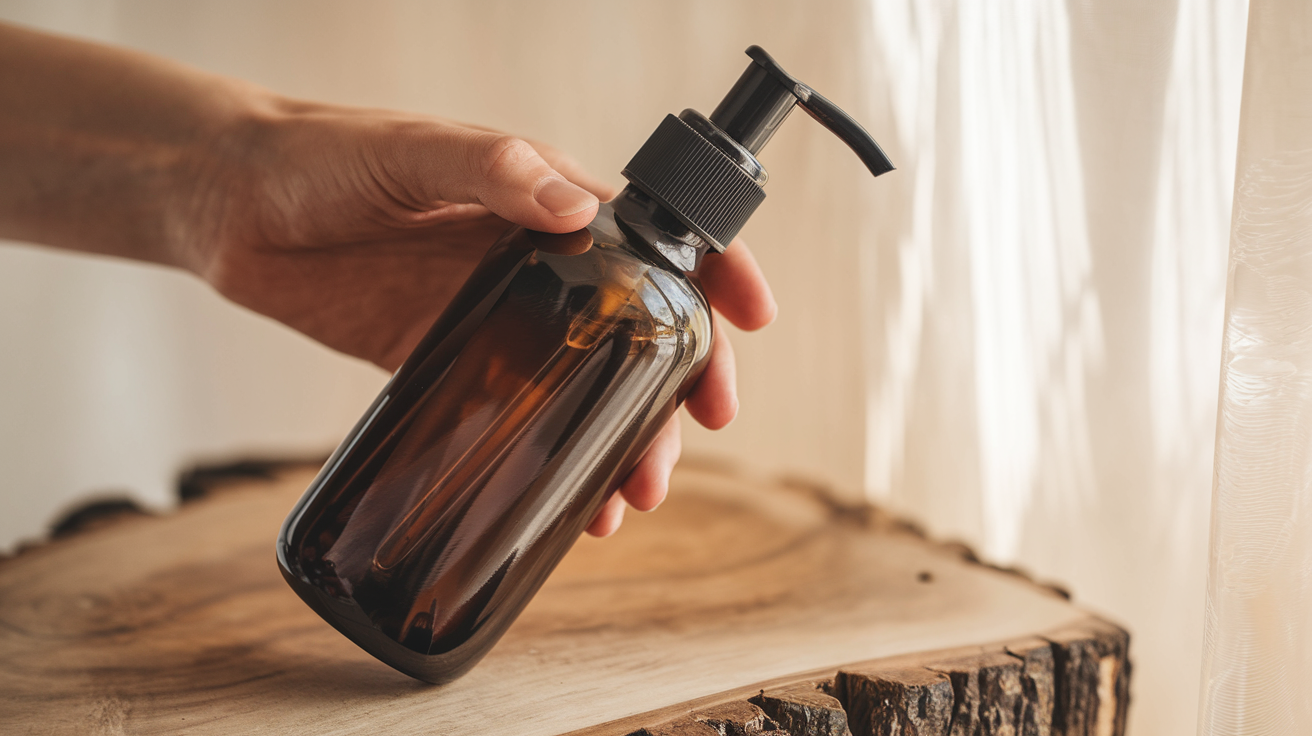
Light exposure is just as damaging as air for many anti-aging ingredients. Retinol, vitamin C, and certain antioxidants break down rapidly when exposed to UV rays and even visible light. This is why you'll notice that many effective serums and creams come in opaque or dark amber bottles.
Clear packaging might let you see how much product is left, but it doesn't protect light-sensitive ingredients. If your eye cream sits on a bathroom counter near a window or under bright vanity lights, those actives are degrading every single day, even with the cap on.
Dark glass or opaque plastic blocks light penetration, keeping formulas stable for months longer than clear containers. Some brands use UV-protective coatings on clear bottles, but opaque packaging is still the safer bet for maximum ingredient preservation.
When shopping for eye creams, pay attention to bottle color. If a product contains retinol, vitamin C, or niacinamide, it should never come in clear packaging. Store your eye cream in a drawer or cabinet away from light for extra protection, especially if you live in a sunny climate.
Signs Your Eye Cream Has Gone Bad and When to Replace It
Even with perfect packaging, eye creams don't last forever. Most products include a PAO symbol on the packaging showing a small jar with a number and M inside. This tells you how many months the product stays fresh after opening.
If your eye cream has changed color, that's a red flag. Yellowing or darkening usually means oxidation has occurred, especially in formulas with retinol or vitamin C. The product won't harm you, but it's unlikely to deliver visible results anymore.
Texture changes are another warning sign. If your smooth cream has become grainy, separated, or watery, the formula has broken down. Peptides and emulsifiers can destabilize over time, especially in jars that have been opened repeatedly.
Smell matters too. Fresh eye creams should have either no scent or the light fragrance they had when new. If you notice a sour, rancid, or chemical odor, it's time to toss it. Oils in the formula have likely gone rancid, which can irritate the delicate eye area.
As a general rule, replace jar-packaged eye creams within three to four months of opening, even if they look fine. Pump and airless containers can last six to twelve months, depending on the formula. When in doubt, write the opening date on the bottom of the container so you can track how long you've been using it.
Packaging might seem like a minor detail, but it directly impacts whether your eye cream can actually help soften the appearance of fine lines and create smoother-looking skin around your eyes. Next time you shop for eye care, look beyond the ingredient list and consider how that formula is protected. Your under-eye area and your wallet will thank you.