Disclosure: This post contains affiliate links. We may earn a commission at no extra cost to you.
How to Choose the Best Eye Cream for Sensitive Skin Without Irritation
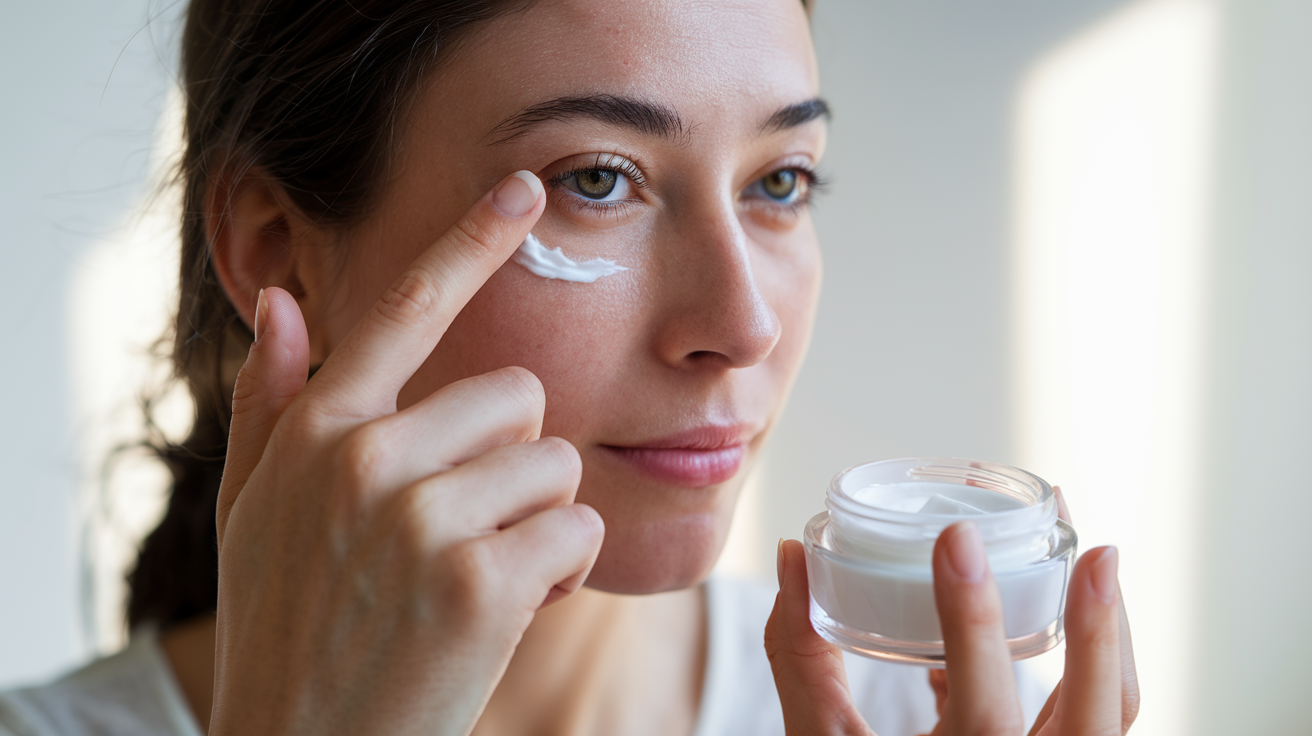
Have you ever woken up with puffy, red eyes after trying a new eye cream? If you have sensitive skin, finding an eye treatment that helps soften the look of fine lines without causing stinging, redness, or breakouts can feel impossible. The delicate eye area is already the thinnest skin on your face, and when you add sensitivity into the mix, every new product feels like a gamble.
But choosing the right eye cream doesn't have to be guesswork. With the right knowledge about ingredients, formulas, and testing methods, you can find gentle options that support smoother-looking skin around your eyes without the drama.
Understanding Sensitive Skin Around the Eyes
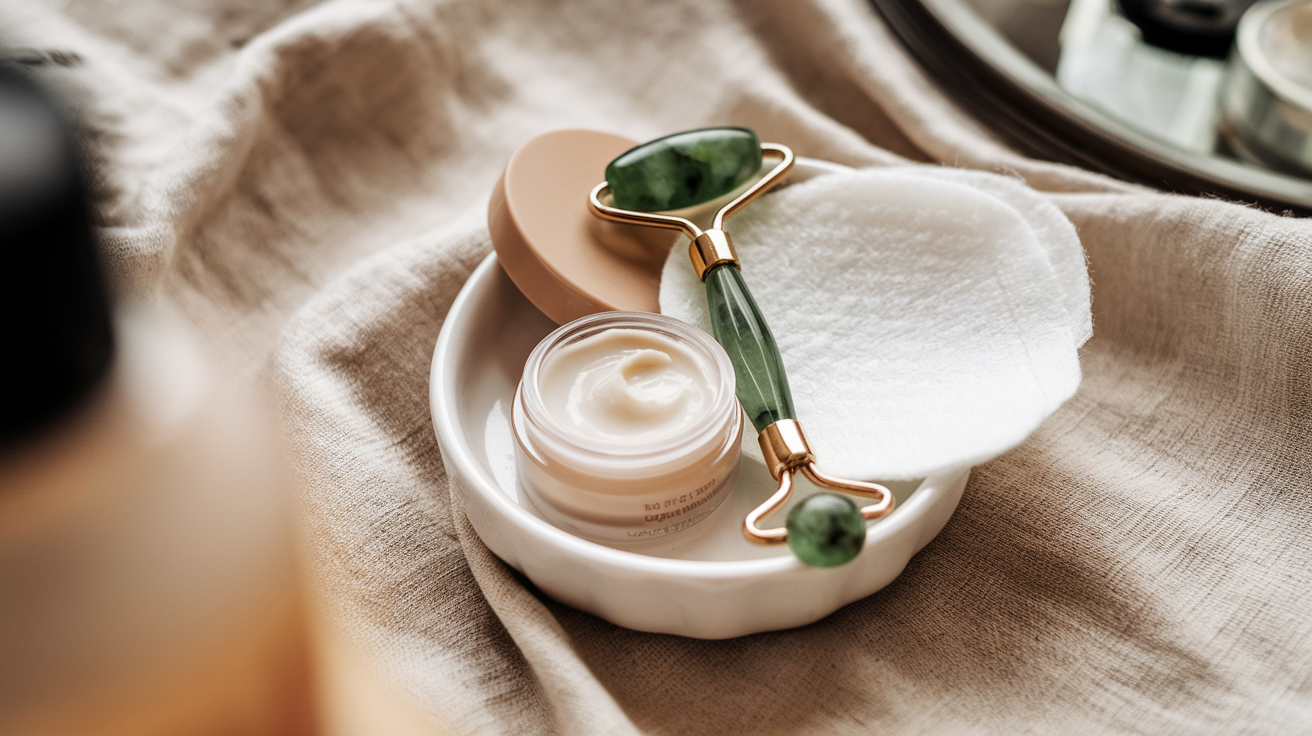
The skin around your eyes is about 40% thinner than the rest of your face. This means it absorbs ingredients faster and reacts more quickly to anything that doesn't agree with it.
Sensitive skin in this area can show up as redness, flaking, itching, burning, or tightness after applying products. Sometimes it's genetic. Other times, it's caused by over-exfoliating, using too many actives at once, or environmental stress like harsh weather or pollution.
Even if the rest of your face tolerates retinol or vitamin C just fine, your eye area might not. That's because there are fewer oil glands around the eyes, which makes the skin barrier more fragile and prone to dryness and irritation.
Understanding this difference is the first step in choosing products that work with your skin instead of against it.
Key Ingredients That Won't Irritate Delicate Eye Area
When you're shopping for an eye cream with sensitive skin, look for calming, hydrating, and barrier-supporting ingredients.
Hyaluronic acid is a hydration hero that plumps the look of dry fine lines without any sting. It holds up to 1,000 times its weight in water, making skin look smoother and more supple.
Ceramides help restore your skin's natural barrier, which is especially helpful if your eye area feels tight or flaky. They work by mimicking the lipids your skin naturally produces.
Niacinamide is a gentle form of vitamin B3 that can help reduce the appearance of dark circles and support an even skin tone. It's typically well-tolerated even by reactive skin types.
Peptides are small chains of amino acids that support the look of firmer, smoother skin over time. They're gentle and work well in combination with other calming ingredients.
Bisabolol and allantoin are soothing botanicals that help calm redness and discomfort. They're often found in formulas designed for sensitive or post-procedure skin.
If you want a deeper breakdown of which ingredients work best for different under-eye concerns, check out this affiliate one for a helpful starting point.
Tired of seeing under-eye lines before you see yourself?
If the tiny creases under your eyes make you look more tired than you feel, this guide shows the simple under-eye routine that helps soften the look of dry lines, crepey texture, and tired skin without guessing or wasting weeks on random products.
Red Flag Ingredients to Avoid in Eye Creams
Just as important as knowing what to look for is knowing what to skip. Some ingredients are too harsh for the thin, reactive skin around your eyes.
Fragrance is one of the top irritants in skincare. Even natural essential oils like lavender or citrus can trigger redness and sensitivity. If you see parfum, fragrance, or essential oils high on the ingredient list, it's best to pass.
Alcohol denat or SD alcohol can strip moisture and weaken your skin barrier. While some alcohols like cetyl or stearyl alcohol are actually emollients and safe, the drying types should be avoided.
High-strength retinol can be too intense for the eye area, especially if you have sensitive skin. If you want to use a retinoid around your eyes, look for gentler options like retinyl palmitate or encapsulated retinol, and start slowly.
Alpha hydroxy acids (AHAs) like glycolic acid can be too exfoliating for delicate eye skin. While they work well on the face, they can cause stinging and peeling around the eyes.
Menthol, camphor, and eucalyptus might feel cooling at first, but they're actually irritants that can cause long-term sensitivity and dryness.
Step-by-Step Guide to Patch Testing Eye Products
Even the gentlest eye cream can cause a reaction if your skin doesn't like a particular ingredient. Patch testing helps you avoid waking up with swollen, itchy eyes.
Step 1: Apply a small amount of the eye cream to the inside of your wrist or behind your ear. These areas are sensitive and will give you a good indication of how your skin will react.
Step 2: Wait 24 hours. If you see redness, itching, or bumps, skip the product. If your skin looks fine, move to the next step.
Step 3: Apply a tiny amount to the outer corner of one eye only. Use it for two nights in a row and watch for any stinging, puffiness, or irritation.
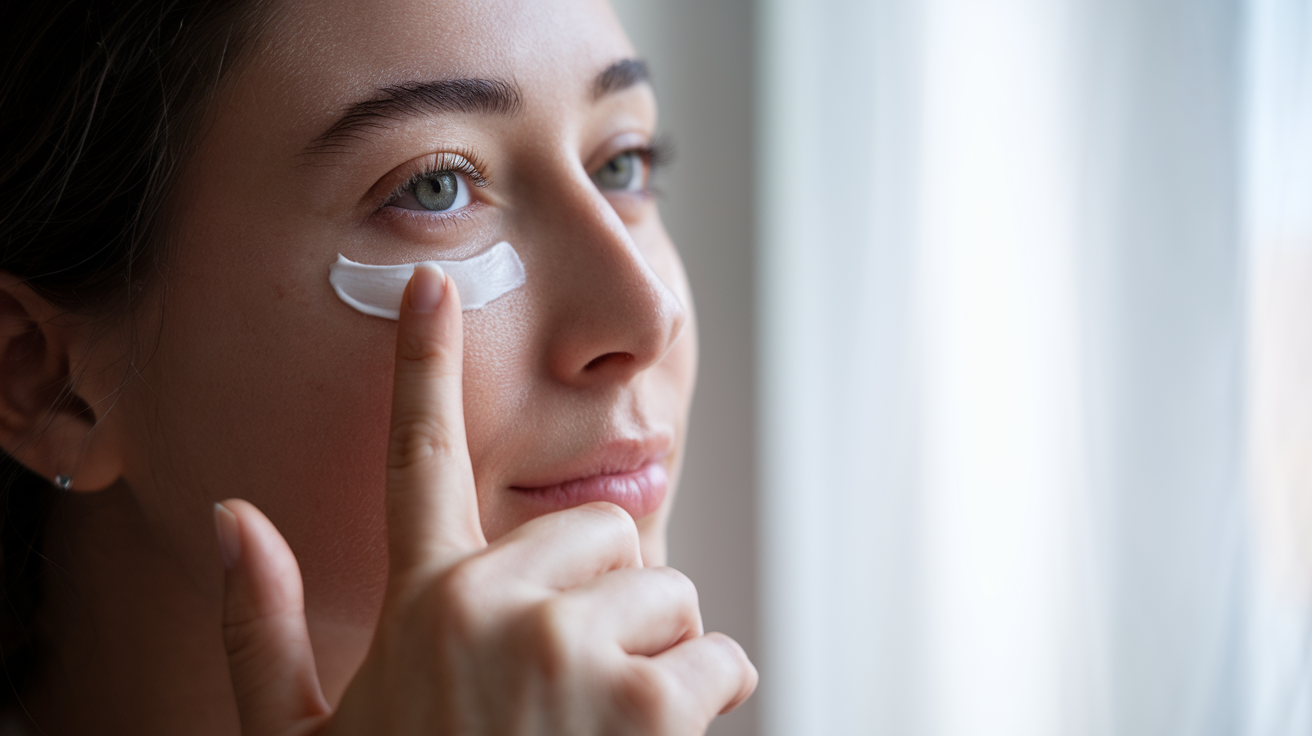
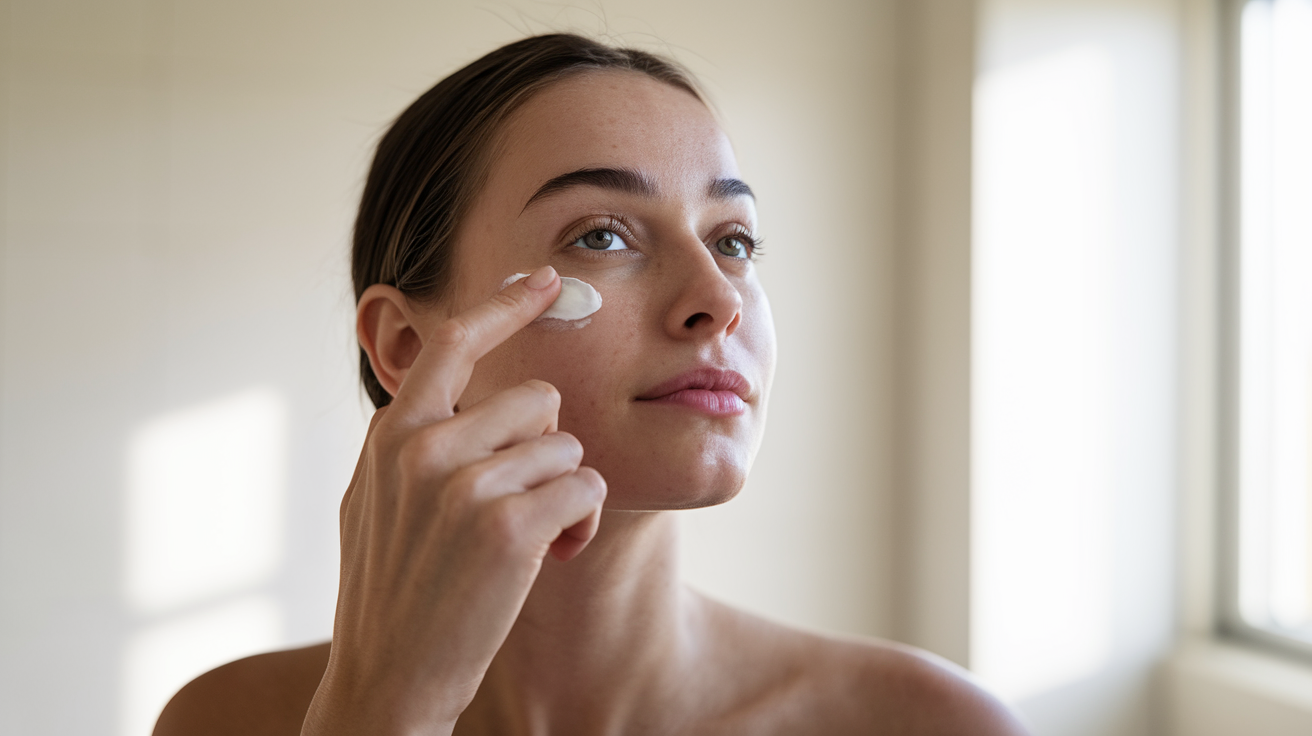
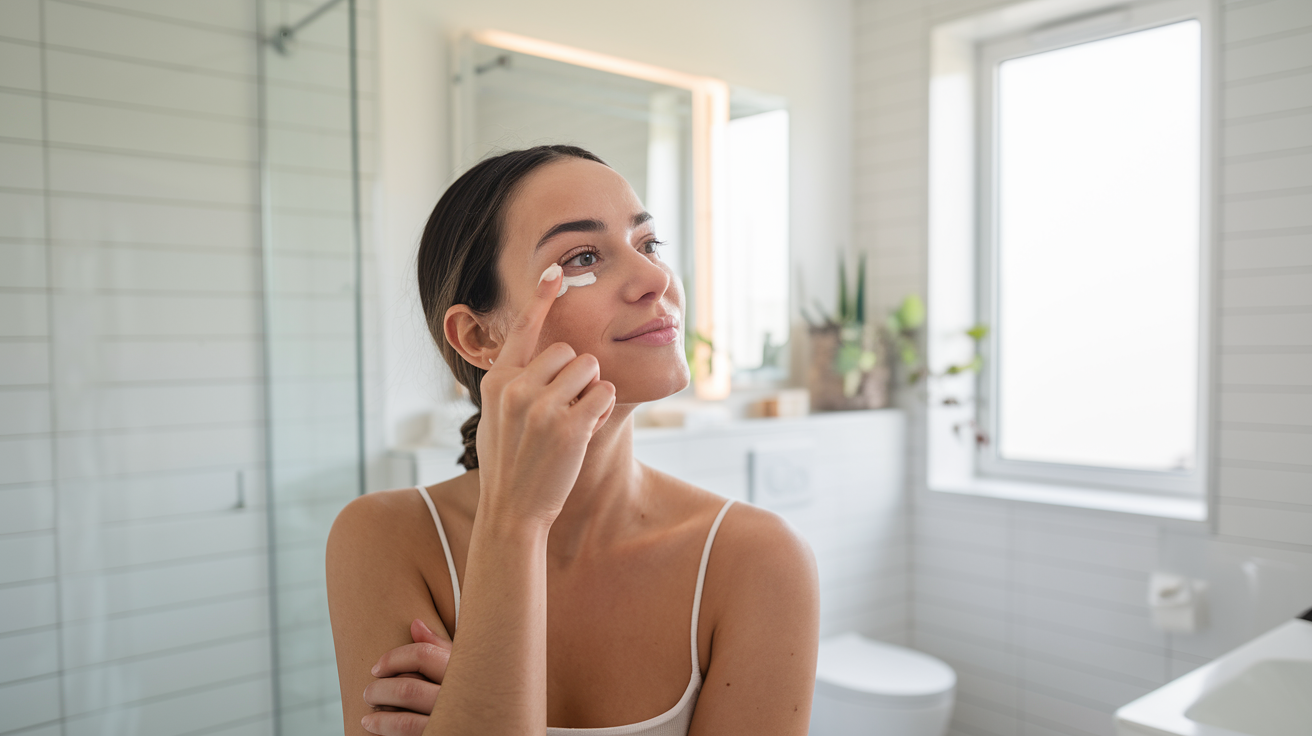
Step 4: If your skin tolerates it well, start using the product on both eyes. Apply a pea-sized amount total, dotting it gently along the orbital bone and patting it in with your ring finger.
Step 5: Introduce new products one at a time. If you start three new products at once and get a reaction, you won't know which one caused it.
This process might feel slow, but it saves you from painful reactions and wasted money on products that don't work for you.
Top Gentle Eye Cream Formulas for Sensitive Skin
When you're ready to shop, look for formulas that prioritize calming, hydrating ingredients and skip known irritants.
Cream-based formulas tend to be richer and more nourishing than gels. They're ideal if your eye area feels dry, tight, or crepey. Look for ceramides, squalane, and shea butter.
Gel-cream hybrids offer lightweight hydration without heaviness. They're great if you have sensitive skin that's also prone to milia or congestion. Hyaluronic acid and glycerin are common hydrators in these formulas.
Fragrance-free and ophthalmologist-tested labels are good signs. While they're not guarantees, they indicate the brand has taken extra steps to ensure safety around the eyes.
Minimalist formulas with short ingredient lists reduce the chance of a reaction. Fewer ingredients mean fewer potential irritants.
If you want more guidance on building a full under-eye routine that works for sensitive skin, this affiliate one walks you through each step.
Choosing an eye cream for sensitive skin doesn't have to feel overwhelming. By understanding which ingredients support your skin, which ones to avoid, and how to test products safely, you can find gentle formulas that help your under-eye area look smoother, calmer, and less tired without the irritation.
Published August 6, 2026