Disclosure: This post contains affiliate links. We may earn a commission at no extra cost to you.
The Right Order to Layer Your Eye Creams for Maximum Results
Are you using multiple eye creams but not sure if you're applying them in the right order? If you've invested in targeted treatments for the delicate skin around your eyes, the sequence you apply them matters more than you might think. Layering your eye care products correctly helps each formula work more effectively and keeps your under-eye area looking smoother and more refreshed.
Why Eye Cream Layering Order Actually Matters
The skin around your eyes is thinner and more delicate than anywhere else on your face. When you layer products incorrectly, heavier formulas can create a barrier that prevents lighter, active ingredients from absorbing properly.
Think of it like painting a wall. You wouldn't apply primer after the topcoat. The same logic applies to skincare. Each layer should prepare the skin for the next one, allowing active ingredients to penetrate where they're needed most.
When you apply a thick, occlusive cream first, it seals the skin surface. Any lightweight serum or treatment you apply afterward will simply sit on top without being absorbed. This means you're not getting the full benefit of your products, no matter how effective their ingredients might be.
The right layering technique also helps prevent pilling, that frustrating situation where products ball up on your skin instead of sinking in. This happens when incompatible textures are applied in the wrong order.
Tired of seeing under-eye lines before you see yourself?
If the tiny creases under your eyes make you look more tired than you feel, this guide shows the simple under-eye routine that helps soften the look of dry lines, crepey texture, and tired skin without guessing or wasting weeks on random products.
The Correct Sequence: Thinnest to Thickest Consistency
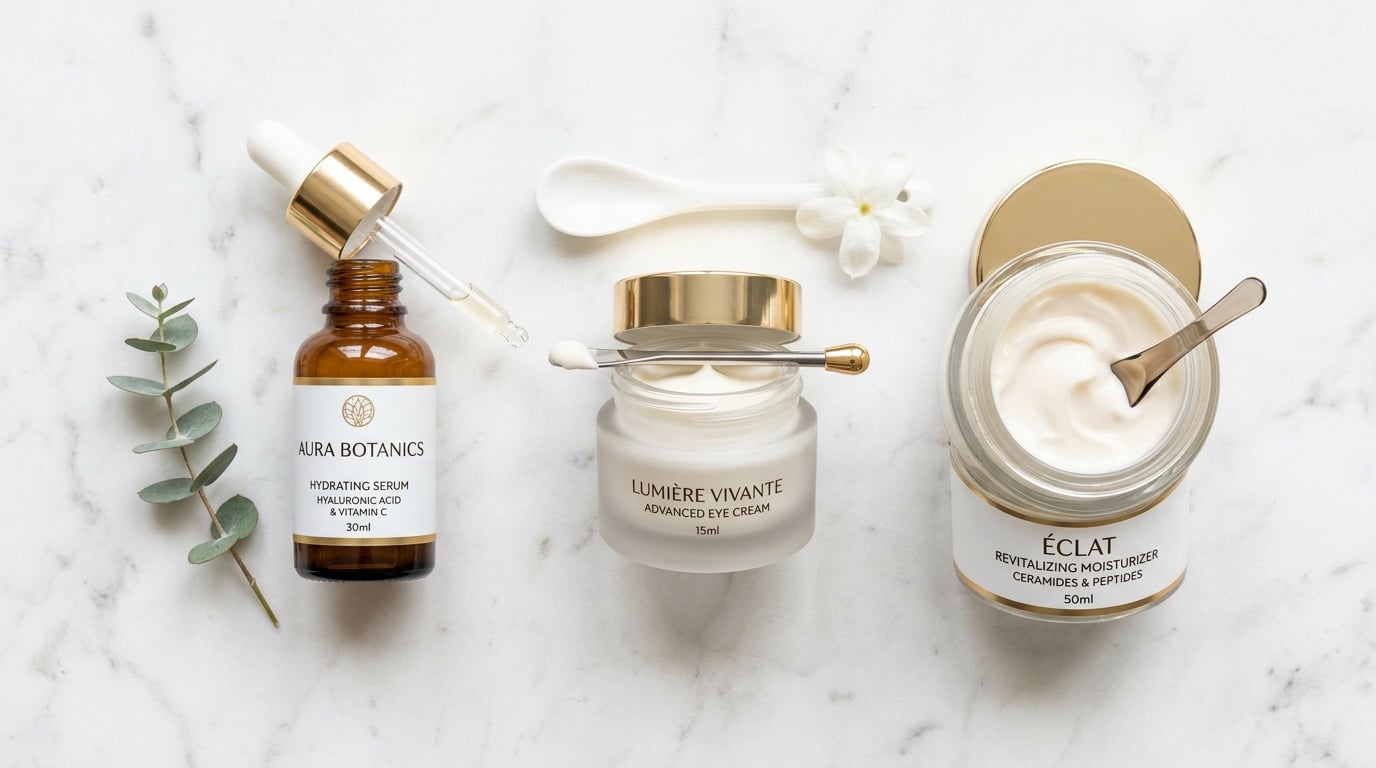
The golden rule for layering eye creams is simple: start with the thinnest consistency and work your way up to the thickest. This ensures each product can absorb properly before you seal everything in with a richer formula.
Here's the proper order:
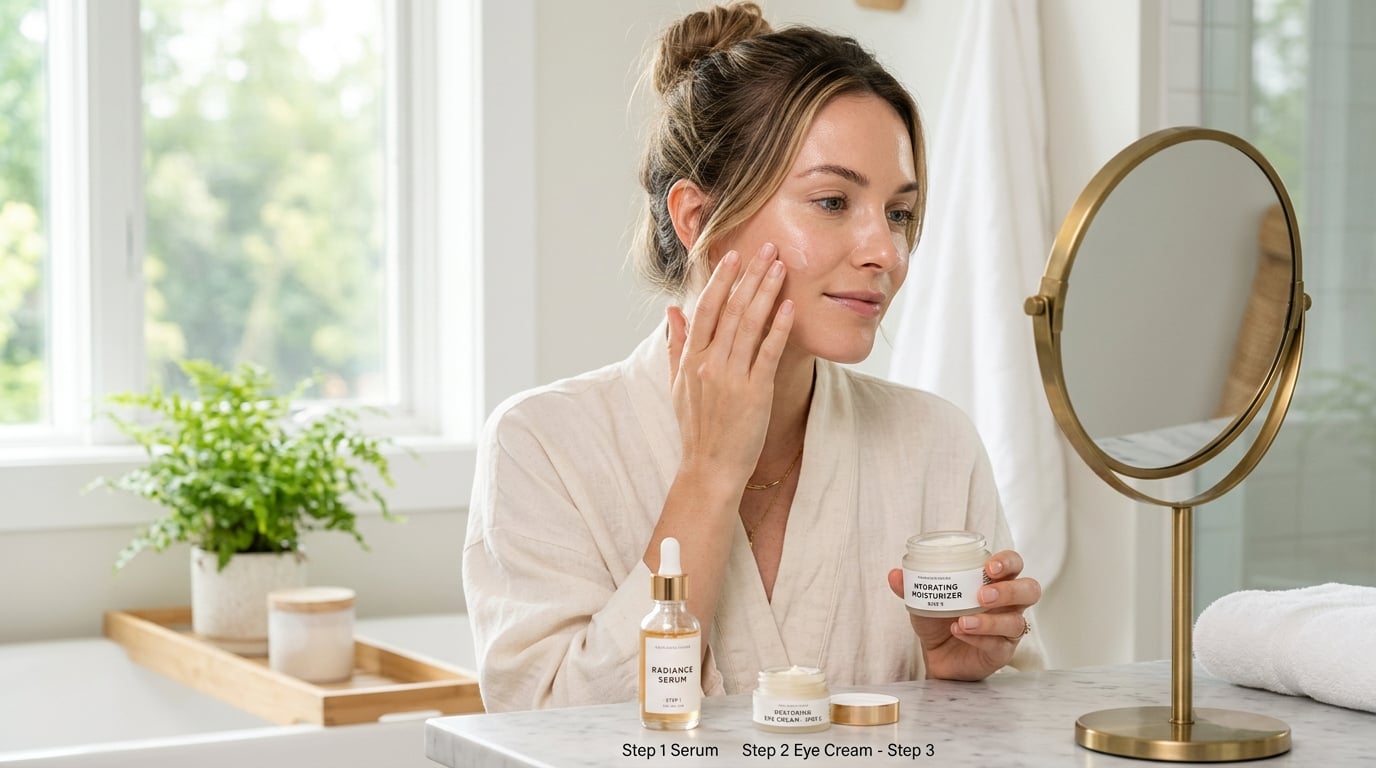
Step 1: Eye Serum
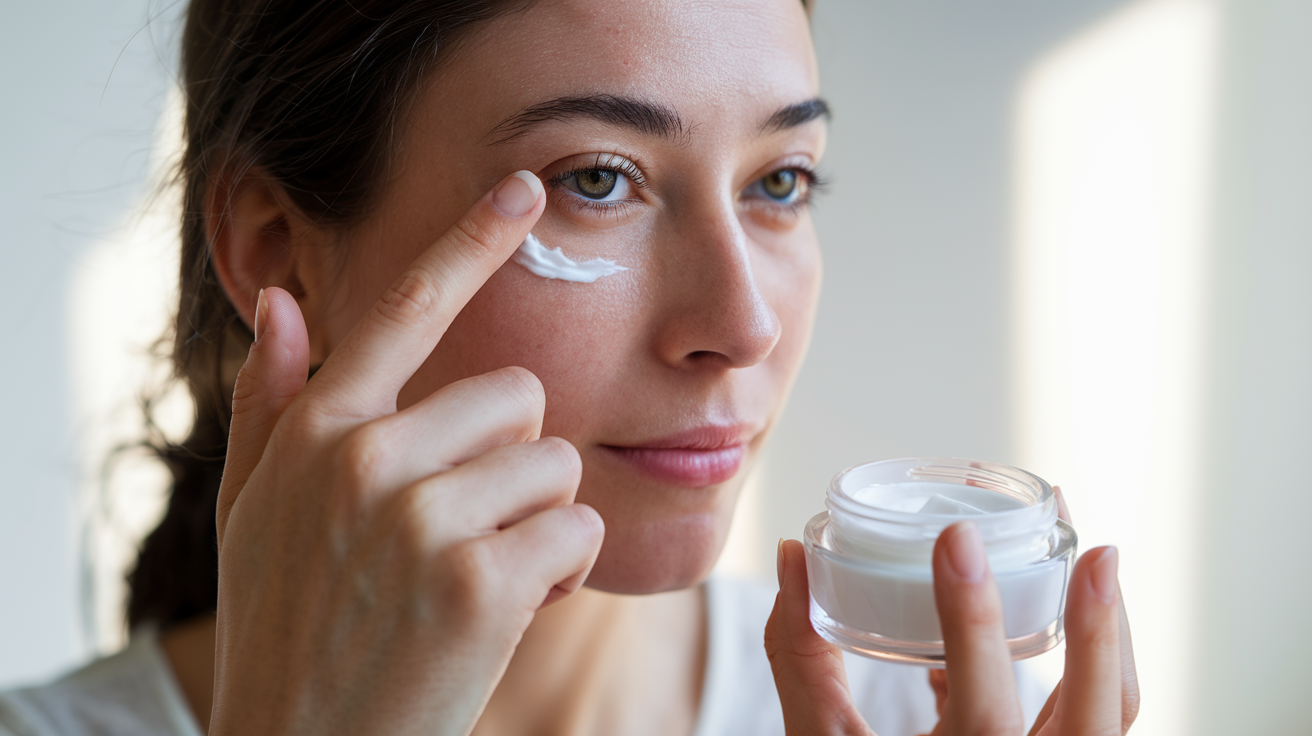
Start with any lightweight eye serums. These are typically water-based or gel-like and contain concentrated active ingredients. Apply a small amount with your ring finger, gently patting from the inner corner outward.
Wait about 30 to 60 seconds between layers. This gives each product time to settle into the skin before adding the next one.
Step 2: Treatment Eye Cream
Next, apply your treatment eye cream if you're using one. These are often targeted formulas that address specific concerns and have a medium-weight consistency. They're thicker than serums but lighter than rich moisturizing creams.
Step 3: Moisturizing Eye Cream
Finish with your heaviest, most emollient eye cream. This is typically your hydrating or nourishing formula that helps lock in all the previous layers while providing moisture to the delicate eye area.
If you're using an affiliate one that includes detailed product recommendations, you'll notice this layering sequence helps each formula work more effectively together.
How to Layer Multiple Active Ingredients Without Irritation
When you're using multiple eye products with different active ingredients, you need to be mindful about what you're combining. The skin around your eyes is more sensitive to irritation than the rest of your face.
If you're using a vitamin C eye serum in the morning, it pairs well with hydrating ingredients like hyaluronic acid. Apply the vitamin C first, let it absorb, then follow with your moisturizing eye cream.
For evening routines that include retinol or peptide treatments, always apply these on clean, dry skin before any heavier creams. Retinol-based eye products work best when they can make direct contact with your skin, not when they have to penetrate through other layers.
Avoid combining too many potent actives at once around the eye area. If you're using a retinol eye cream, you might want to skip the vitamin C eye serum in that same routine. Instead, alternate them between morning and evening, or use them on different days.
Pay attention to how your skin responds. If you notice stinging, redness, or increased dryness, you may be overloading the delicate eye area. Scale back to fewer products until your skin adjusts.
Always use the smallest amount needed. A rice grain-sized amount per eye is typically enough for most products. Using too much doesn't make them work better and can actually lead to irritation or milia formation.
Common Layering Mistakes That Reduce Effectiveness
One of the most common mistakes is applying eye cream to damp skin from your face moisturizer. While damp skin can help some facial products absorb, the eye area requires a gentler approach. Make sure the skin around your eyes is clean and dry before you start layering.
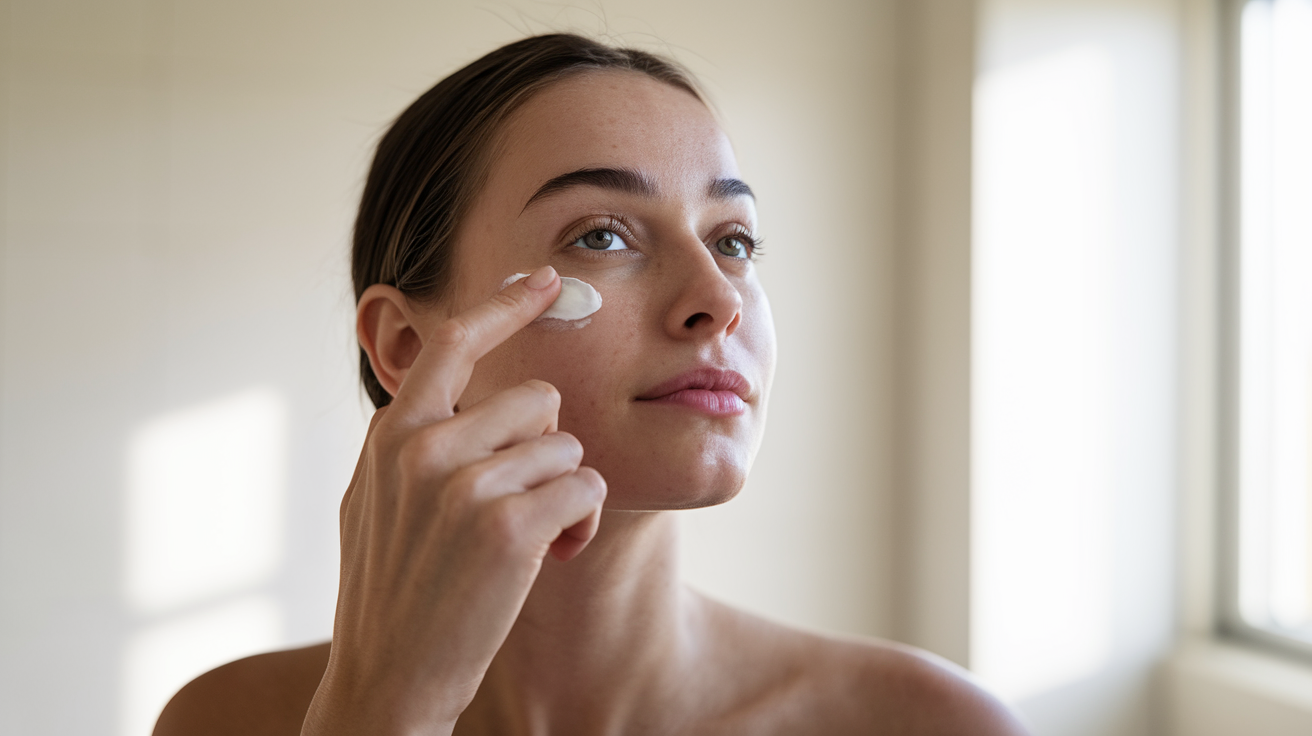
Another mistake is rubbing products into the eye area. The skin here is delicate and doesn't need aggressive application. Instead, use your ring finger to gently pat products in, never pulling or tugging at the skin.
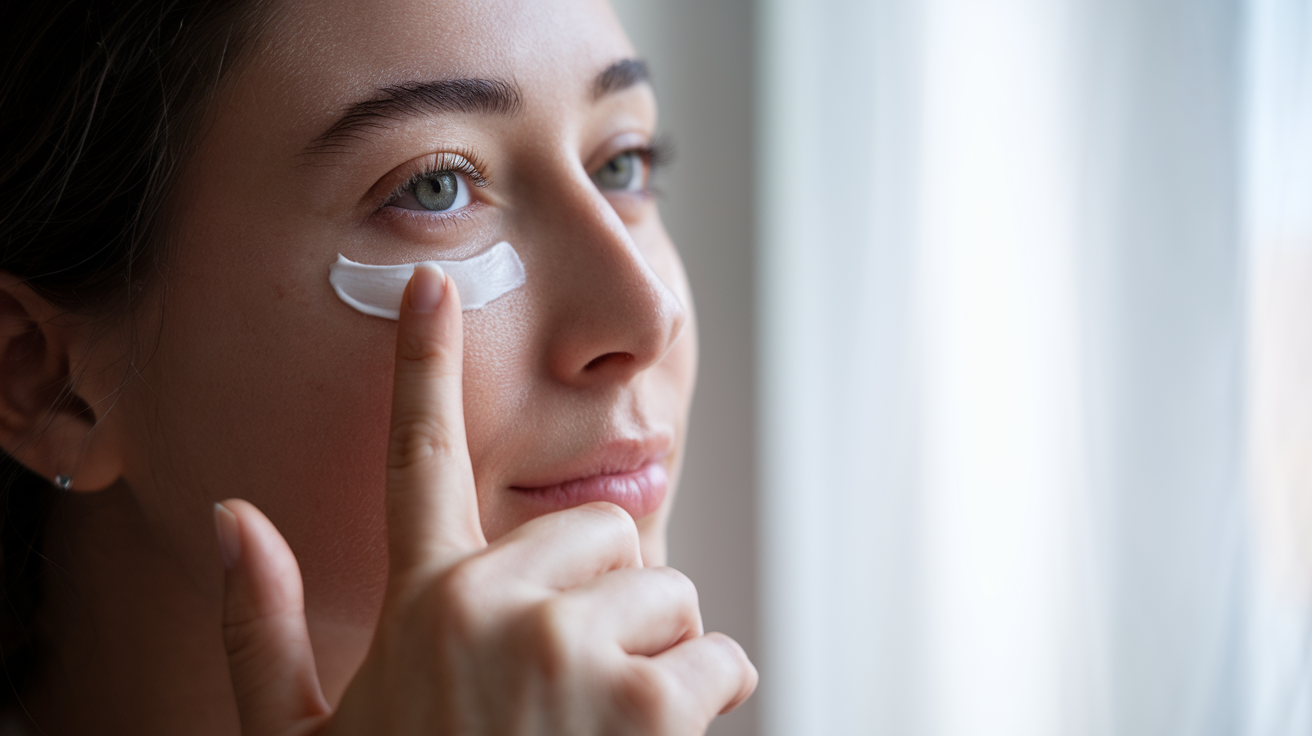
Many people also apply their eye products too close to the lash line. Your eye cream will naturally migrate slightly as it warms up on your skin, so apply it to the orbital bone area. This prevents the product from traveling into your eyes and causing irritation or puffiness.
Skipping SPF around the eyes during the day is another oversight. If your eye cream doesn't contain sun protection, make sure you're carefully applying your facial sunscreen to the eye area, or use a dedicated eye sunscreen as your final daytime layer.
Don't forget to extend your eye care down to the upper cheek area where fine lines can also appear. This zone often gets overlooked but benefits from the same careful layering approach.
Finally, inconsistency undermines even the best layering technique. Your eye area responds to regular care over time. Using an affiliate one can help you establish a consistent routine that gives your skin the best chance to look smoother and more rested.
Remember that patience is key. The skin around your eyes renews itself slowly, and visible improvements in texture and the appearance of fine lines take consistent effort over weeks, not days. Focus on proper technique, gentle application, and giving each product the chance to work as intended.