Disclosure: This post contains affiliate links. We may earn a commission at no extra cost to you.
How Long Does Eye Cream Take to Work? A Realistic Timeline
Have you ever started using eye cream, only to check the mirror three days later expecting transformed under-eyes—and feeling disappointed when nothing's changed? You're not alone. The question of how long eye cream takes to work is one of the most common in skincare, and the answer isn't as simple as the back of the jar might suggest.
Most eye creams work on a timeline that ranges from immediate hydration within days to visible texture improvements over several weeks. Long-term anti-aging benefits can take three months or longer. Understanding this timeline helps you set realistic expectations and stick with products long enough to actually see results.
Understanding Eye Cream Absorption Rates
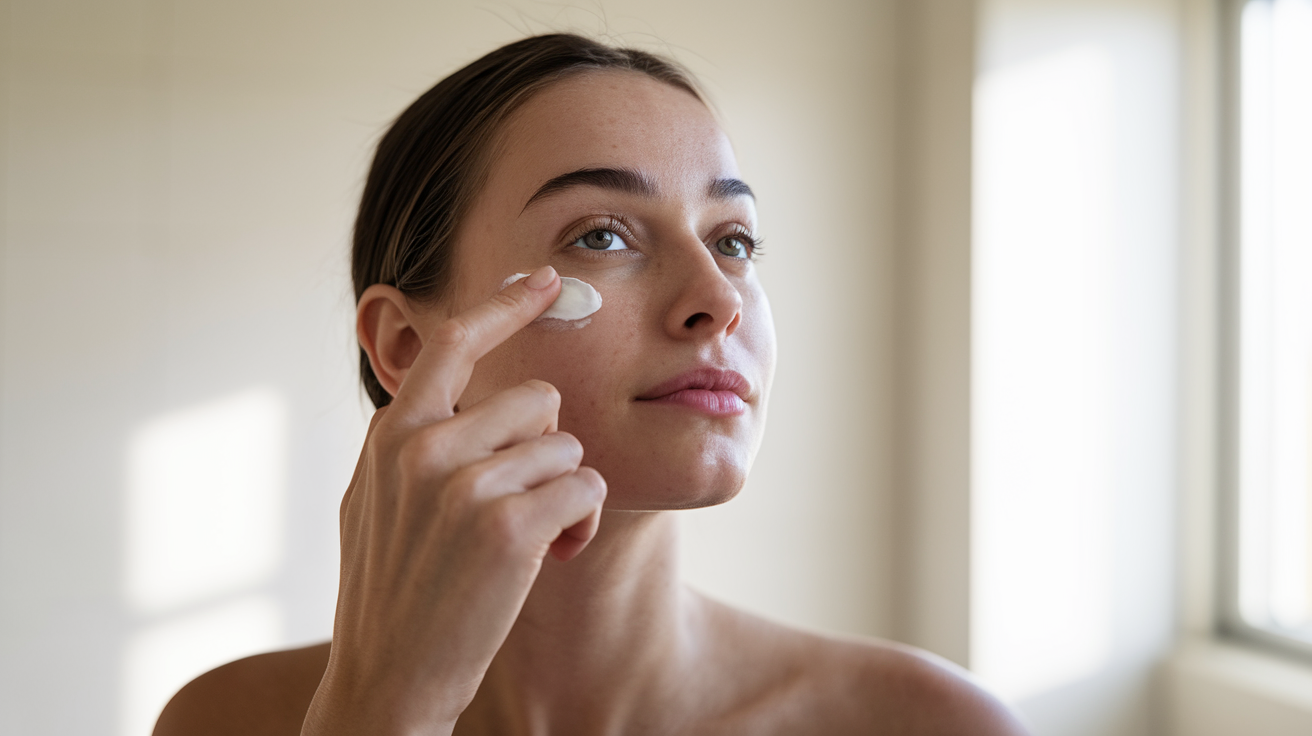
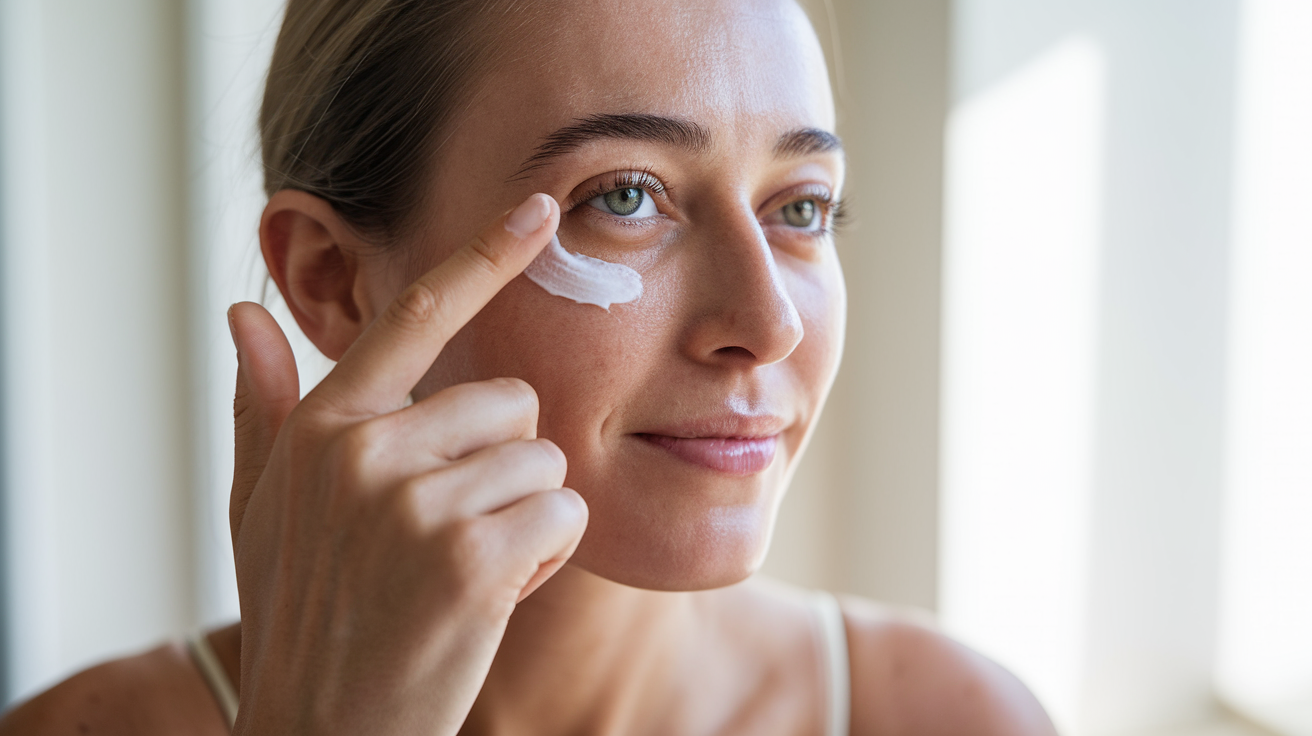
The skin around your eyes is about ten times thinner than the skin on the rest of your face. This means ingredients can penetrate more quickly, but it also means the area is more delicate and prone to showing signs of aging first.
Eye creams don't all work at the same speed because they contain different active ingredients with different mechanisms. Hydrating ingredients like hyaluronic acid and glycerin work almost immediately by pulling moisture into the skin. Peptides and retinol, on the other hand, need consistent use over weeks to encourage collagen production and cell turnover.
Your individual skin type, age, and the severity of concerns also affect how quickly you'll notice changes. Someone with mild dryness will see smoother-looking skin faster than someone dealing with deeper creases that have been forming for years.
The key is knowing what your eye cream is designed to do. If you're using a affiliate one that focuses on hydration, you'll see plumping effects quickly. If it's formulated for long-term texture improvement, patience is essential.
Week 1-2: Immediate Hydration Changes
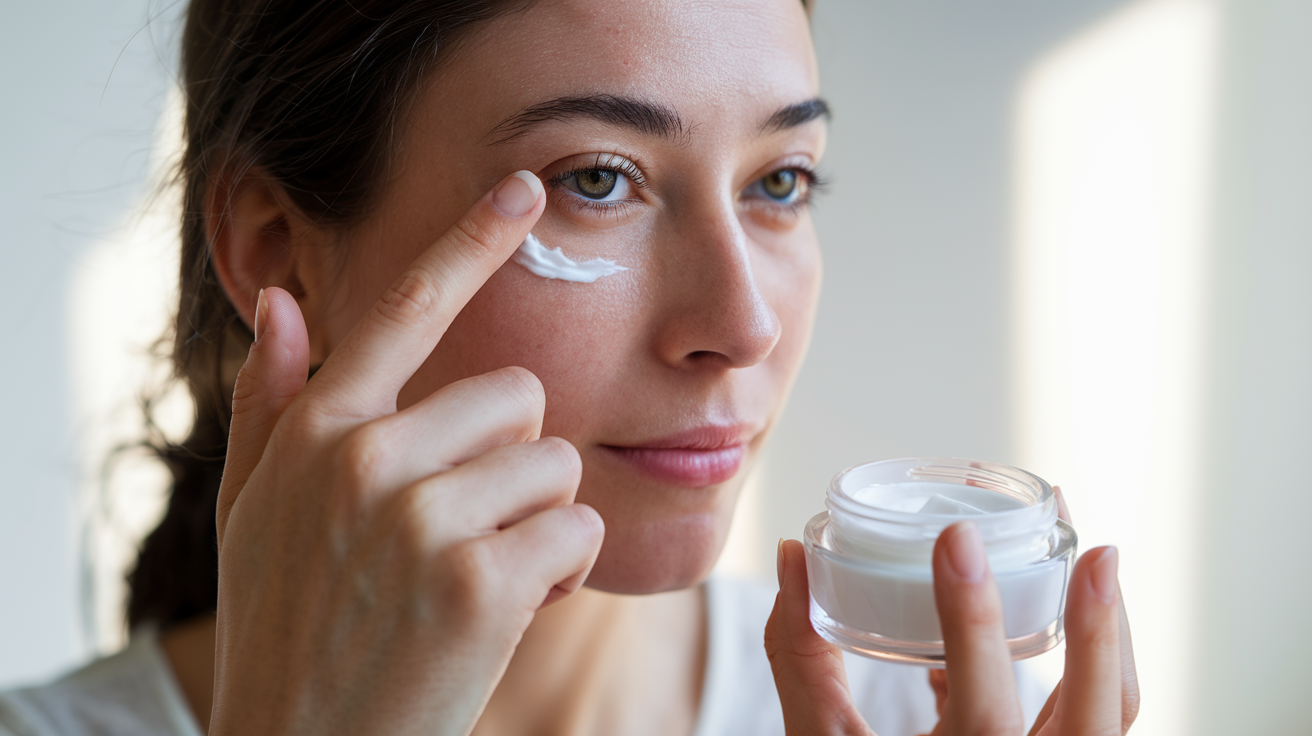
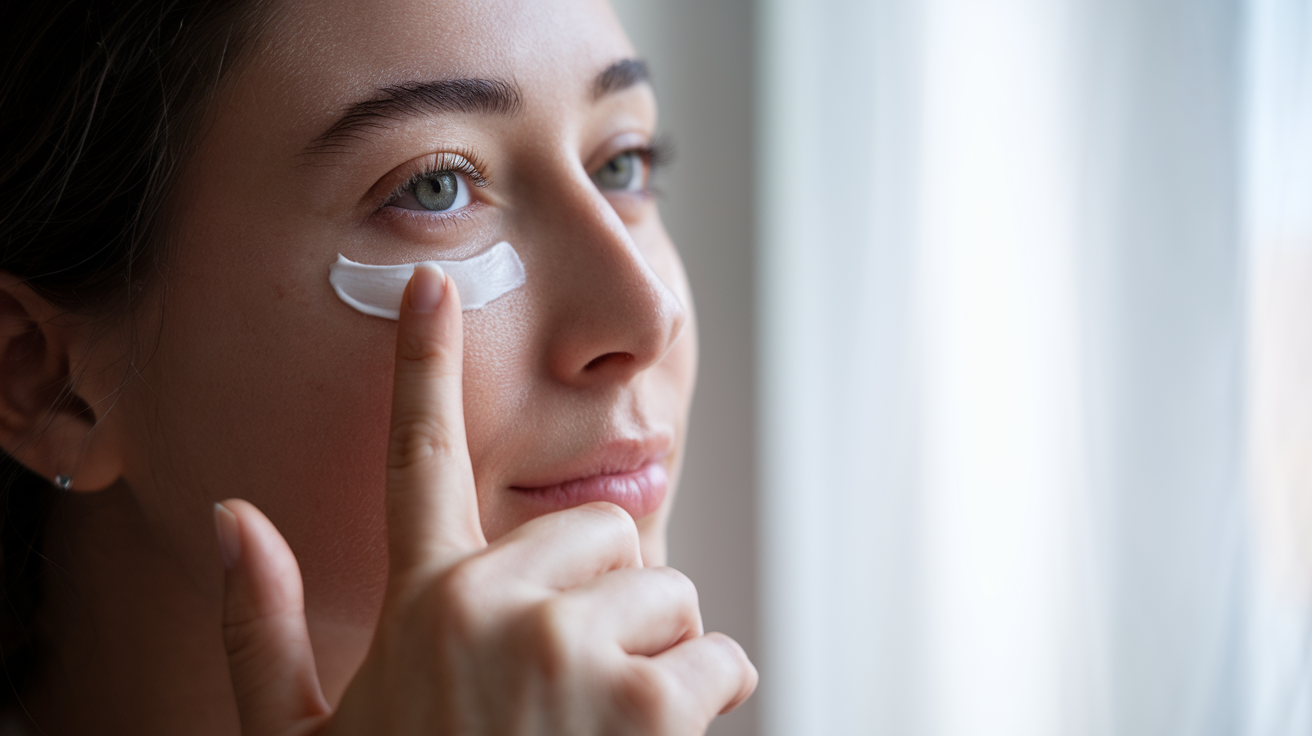
In the first two weeks, the most noticeable change is usually hydration. If your eye cream contains humectants like hyaluronic acid, glycerin, or squalane, your under-eye area should feel softer and look less dry within a few days.
You might notice that concealer applies more smoothly and doesn't settle into fine lines as much. The skin may appear slightly plumper, which can temporarily reduce the appearance of shallow creases caused by dehydration.
This phase is about surface-level improvement. Your skin barrier is being supported, and moisture levels are stabilizing. It's not dramatic transformation, but it's a sign the product is doing something.
Don't expect dark circles to vanish or deeper lines to soften yet. Those concerns require ingredients that work deeper in the skin and take longer to show visible results.
Tired of seeing under-eye lines before you see yourself?
If the tiny creases under your eyes make you look more tired than you feel, this guide shows the simple under-eye routine that helps soften the look of dry lines, crepey texture, and tired skin without guessing or wasting weeks on random products.
Weeks 3-8: Visible Improvement Phase
Between weeks three and eight, you start to see the real benefits of active ingredients. This is when peptides, niacinamide, caffeine, and gentle retinoids begin to show their effects.
Peptides work by signaling skin cells to produce more collagen and elastin. You might notice the skin around your eyes looks firmer and smoother. Fine lines caused by lost volume or repetitive expressions may appear less pronounced.
If your eye cream contains caffeine, puffiness should be noticeably reduced by now. Caffeine constricts blood vessels and helps drain fluid, so mornings feel less swollen and tired-looking.
Niacinamide can help with uneven tone and may reduce the appearance of dark circles over time, especially if they're caused by pigmentation rather than shadows from hollowing.
Retinol-based eye creams take the longest in this phase. Retinol encourages cell turnover and collagen production, but it works gradually. By week eight, you might notice smoother texture and a slight improvement in the appearance of crow's feet.
This is also the phase where consistency matters most. Skipping applications or switching products too soon can delay results. Stick with your affiliate one routine and give the active ingredients time to work.
Month 3+: Long-Term Anti-Aging Results
After three months of consistent use, you're in the long-term results phase. This is where cumulative benefits start to show, especially with ingredients like retinol, peptides, and antioxidants.
Collagen production doesn't happen overnight. It takes consistent stimulation over months for your skin to rebuild structural support. By month three, the under-eye area may look firmer, with a smoother surface and less visible crepiness.
Dark circles caused by thinning skin may appear lighter as the skin thickens slightly and becomes more resilient. Fine lines that were once noticeable in every expression may soften in appearance, especially when your skin is well-hydrated.
It's important to remember that eye cream is not a replacement for lifestyle factors. Sleep, hydration, sun protection, and overall skincare all play a role in how your under-eyes age. Eye cream supports the process, but it can't undo everything on its own.
Some concerns, like deep-set wrinkles or significant volume loss, may not fully respond to topical products alone. In those cases, eye cream helps maintain skin health and can reduce the appearance of surface texture issues, but professional treatments might be needed for more dramatic changes.
The good news? Consistent use over six months to a year often leads to the most noticeable improvements. Your skin continues to benefit as long as you keep using the product, especially if it contains antioxidants that protect against environmental damage.
Set realistic expectations, stay consistent, and remember that skincare is a long game. The under-eye area is delicate, and slow, steady improvement is better than chasing overnight miracles that don't exist.