Disclosure: This post contains affiliate links. We may earn a commission at no extra cost to you.
Why Some Eye Creams Cost $200 While Others Cost $20: What You're Really Paying For
Published July 20, 2026
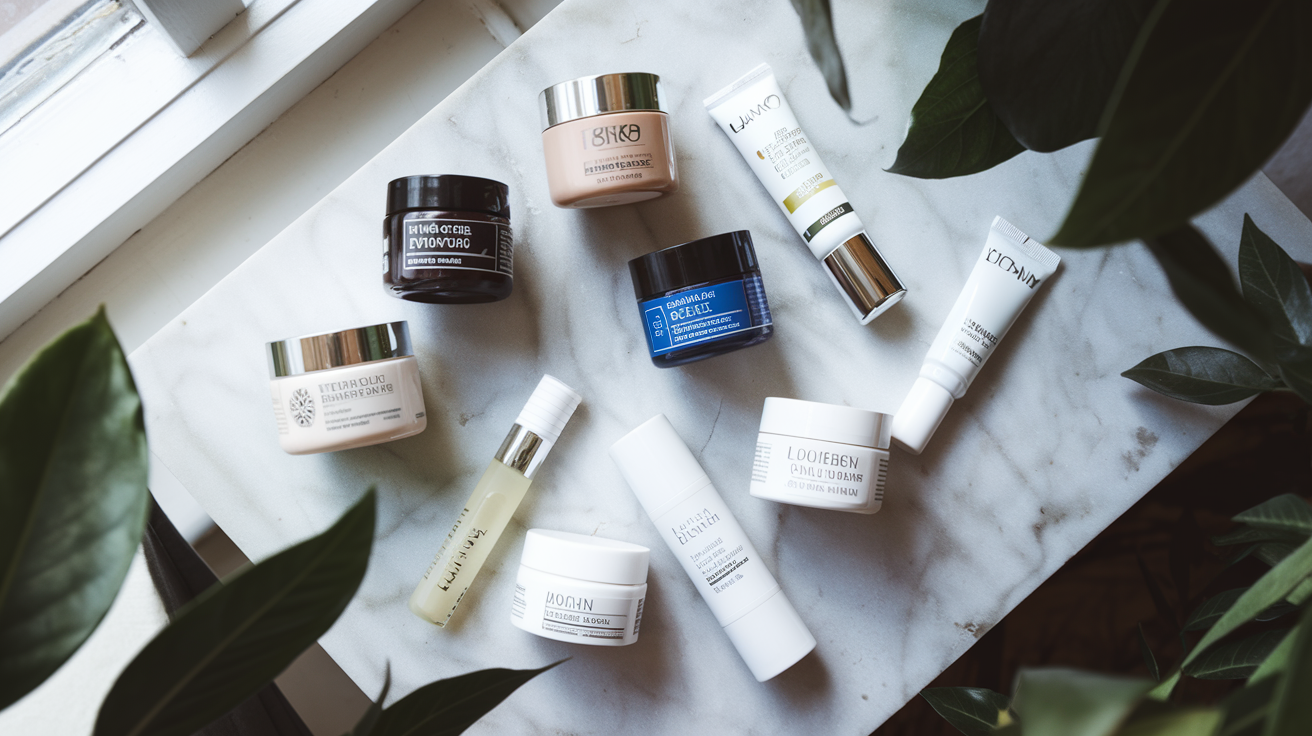
Have you ever stood in front of a skincare display, staring at two eye creams that promise similar benefits, but one costs ten times more than the other? You're not imagining things. The price gap in eye creams is staggering, and it's not always clear what justifies it. Some luxury eye creams command prices that rival fine jewelry, while drugstore options sit comfortably under twenty dollars. So what's actually inside these jars that creates such a dramatic difference? Let's break down what you're truly paying for when you choose one over the other.
Active Ingredient Concentration and Quality Standards
The biggest difference between budget and luxury eye creams often comes down to what's actually doing the work in the formula. Active ingredients like retinol, peptides, vitamin C, and hyaluronic acid are the heavy lifters that help soften the appearance of fine lines and support skin texture.
Here's where it gets interesting: a drugstore eye cream might list retinol on the label, but the concentration could be as low as 0.01%. A luxury formula might contain 0.5% or even 1% retinol, along with stabilizing ingredients that keep it effective longer. That's a fifty to one hundred times difference in potency.
Premium brands also tend to use more refined versions of active ingredients. Instead of standard hyaluronic acid, they might use multiple molecular weights of hyaluronic acid that penetrate different layers of skin. Instead of basic vitamin C, they might use stabilized ascorbic acid derivatives that resist oxidation.
Budget eye creams aren't necessarily ineffective, but they often rely on moisturizing ingredients like glycerin and dimethicone to create a smooth feel without high concentrations of expensive actives. You'll see improvement in hydration and temporary plumping, but the affiliate one explains why concentration matters when you're looking for more visible changes in texture and tone over time.
Quality control also plays a role. Luxury brands typically have stricter testing protocols to ensure each batch contains the stated concentration of actives. Budget brands may have more variation between batches, though major drugstore names have improved significantly in recent years.
Packaging Technology and Preservative Systems
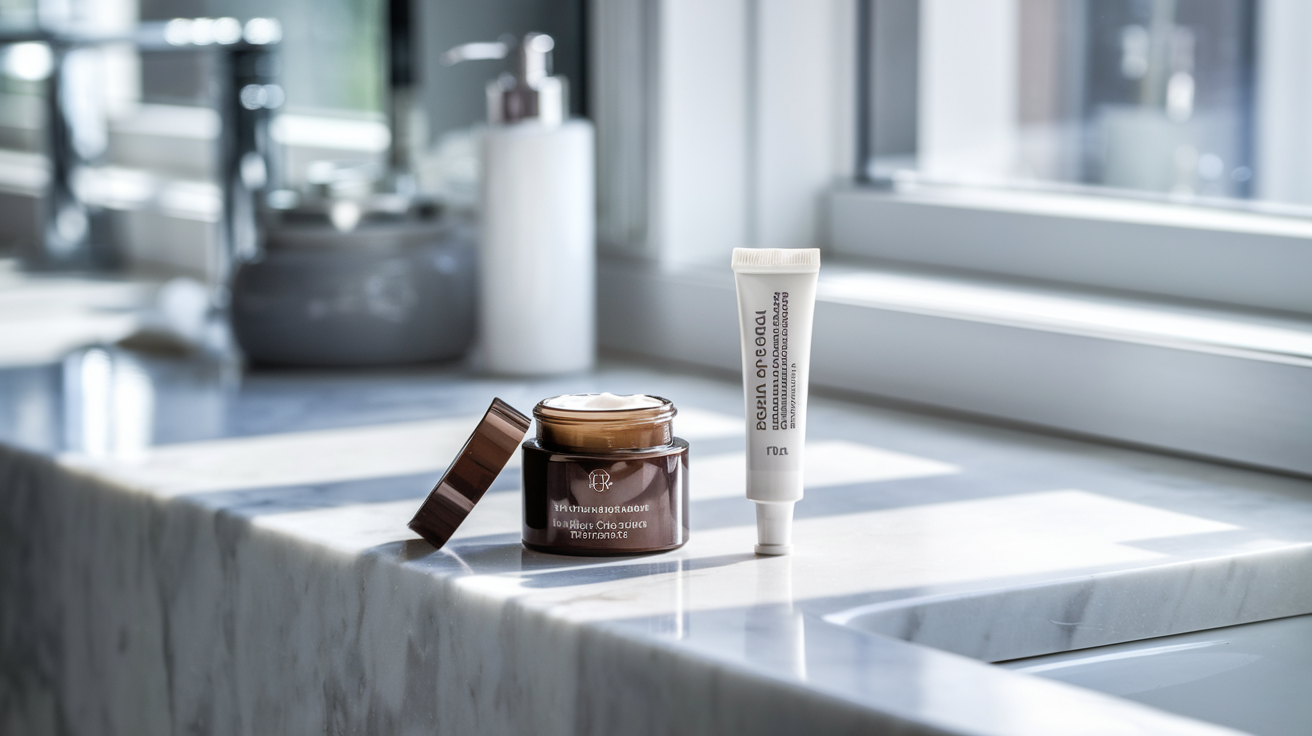
That beautiful airless pump bottle or opaque squeeze tube isn't just for show. Certain active ingredients degrade rapidly when exposed to light and air. Retinol, vitamin C, and certain peptides lose potency within weeks if packaged in a standard jar.
Expensive eye creams often use airless pump technology, dark glass containers, or single-dose capsules to protect sensitive ingredients. This packaging can cost several dollars per unit to manufacture, which adds up quickly.
Tired of seeing under-eye lines before you see yourself?
If the tiny creases under your eyes make you look more tired than you feel, this guide shows the simple under-eye routine that helps soften the look of dry lines, crepey texture, and tired skin without guessing or wasting weeks on random products.
Budget eye creams typically come in jars or basic tubes. Every time you dip your finger into a jar, you introduce bacteria and air that can compromise the formula. To combat this, affordable brands rely on stronger preservative systems, which work fine for stability but may be irritating for sensitive eye area skin.
Luxury brands can afford to use gentler preservatives because their packaging limits contamination risk. They might also use inert gases to fill the space above the product, preventing oxidation without harsh chemical preservatives.
The difference isn't just theoretical. A retinol eye cream in a jar might lose 50% of its potency within two months of opening. The same formula in an airless pump could maintain 90% potency for six months or longer.
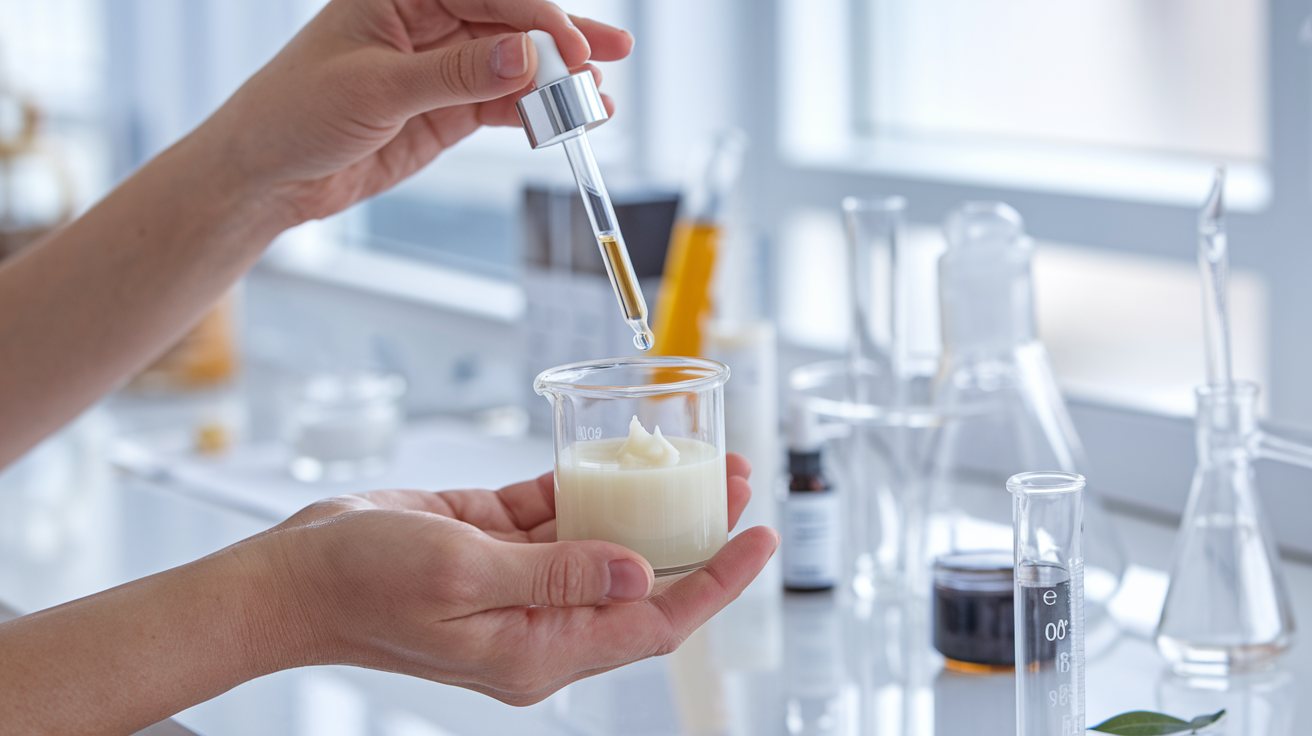
Clinical Testing and Dermatologist Development
When a luxury brand claims their eye cream reduces the appearance of fine lines, they've usually invested in clinical trials to back that up. These studies can cost anywhere from fifty thousand to several hundred thousand dollars, depending on the scope and duration.
A proper clinical trial involves recruiting participants, taking standardized photos, using imaging technology to measure skin changes, and having dermatologists evaluate results over weeks or months. The data gets compiled into reports that support marketing claims.
Budget brands rarely conduct this level of testing. They might do basic safety testing or small in-house trials, but they're not investing six figures to prove efficacy. Instead, they rely on the established science behind individual ingredients rather than testing their specific formula.
High-end brands also employ cosmetic chemists and dermatologists during the development phase. They might spend years tweaking a formula, testing different ingredient combinations, and adjusting pH levels for optimal performance. A drugstore brand typically works with existing formulas, making minor adjustments to differentiate from competitors.
Does this mean expensive eye creams work better? Not automatically. But it does mean the luxury brand has invested in proving their specific formula does what they claim, while the budget option relies on ingredient reputation rather than product-specific evidence.
Brand Markup vs Actual Product Performance
Here's the uncomfortable truth: a significant portion of luxury eye cream pricing has nothing to do with what's in the jar. You're also paying for marketing campaigns, celebrity endorsements, department store placement fees, sleek boutique packaging, and brand prestige.
A luxury skincare brand might spend millions on a single advertising campaign. They pay for prime retail space in high-end department stores. They create elaborate unboxing experiences with multiple layers of packaging, velvet pouches, and printed brochures. All of this gets factored into the price you pay.
The actual cost to manufacture a luxury eye cream is often between five and fifteen dollars, even for products that retail for two hundred dollars or more. The rest covers overhead, marketing, retail markups, and profit margins.
Budget brands operate differently. They manufacture in larger quantities, use simpler packaging, sell primarily through mass retailers with lower markup requirements, and spend far less on advertising. This allows them to price products lower while still maintaining healthy profit margins.
So does brand markup mean luxury eye creams are a scam? Not quite. You're getting tangible differences in ingredient quality, concentration, and packaging technology. But you're also paying for intangibles like brand reputation and shopping experience that have zero impact on skin.
The sweet spot often lies in the middle. Many dermatologist-founded brands and science-focused companies offer clinically-tested formulas with quality ingredients and protective packaging at moderate price points, usually between forty and eighty dollars. They skip the luxury retail markups and celebrity campaigns but maintain high formulation standards.
When choosing an eye cream, focus on what matters for your specific concerns. If you want high concentrations of proven actives in protective packaging, you'll likely need to spend more than twenty dollars. But you don't necessarily need to hit two hundred dollars unless you value the luxury experience itself. The affiliate one can help you identify which ingredients and formulation features actually make a difference for under-eye texture and tone.
The bottom line? Price correlates with ingredient quality and concentration up to a point, but beyond that point, you're paying for branding and marketing rather than better skin benefits. Understanding the difference helps you spend wisely without overpaying for prestige when performance is what you're really after.