Disclosure: This post contains affiliate links. We may earn a commission at no extra cost to you.
Peptides vs Retinol for Eye Wrinkles: Which One Actually Works Better?
Published: October 8, 2026
If you're trying to soften the look of fine lines around your eyes, you've probably heard peptides and retinol praised as the top ingredients for aging skin. But when it comes to the delicate under-eye area, which one actually delivers smoother-looking results without irritation? The answer isn't as simple as picking the buzziest ingredient. Peptides and retinol work in completely different ways, and choosing the wrong one for your skin type could mean wasted time, money, and possibly more visible dryness. Let's break down how each ingredient really works so you can make the right choice for your under-eye concerns.
How Peptides Work on Eye Wrinkles
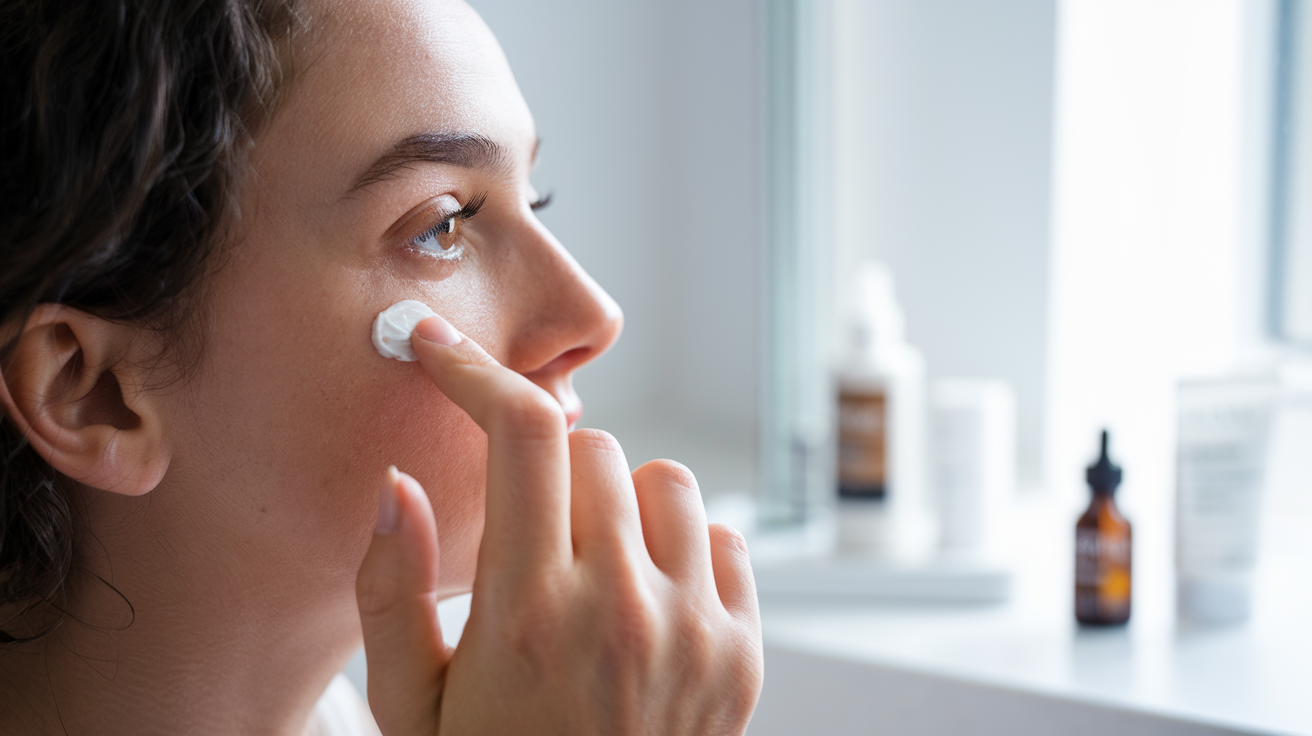
Peptides are short chains of amino acids that act as messengers for your skin. When applied topically, they signal your skin cells to support collagen production, which can help the skin around your eyes look firmer and smoother over time.
Unlike harsher active ingredients, peptides are typically gentle and hydrating. They don't cause the flaking or redness that can come with stronger treatments, making them a popular choice for sensitive or mature skin types.
The under-eye area has thinner skin than the rest of your face, which means it shows aging faster but also reacts more easily to irritation. Peptides work well here because they support the skin's natural structure without compromising the moisture barrier.
You'll usually find peptides in eye creams combined with hydrating ingredients like hyaluronic acid or ceramides. This pairing helps plump the look of fine lines while supporting long-term skin health.
One thing to note: peptides work slowly. You won't see dramatic changes overnight, but with consistent use over several weeks, many people notice their under-eye skin looks less crepey and more rested.
Tired of seeing under-eye lines before you see yourself?
If the tiny creases under your eyes make you look more tired than you feel, this guide shows the simple under-eye routine that helps soften the look of dry lines, crepey texture, and tired skin without guessing or wasting weeks on random products.
How Retinol Works on Eye Wrinkles
Retinol is a derivative of vitamin A and one of the most researched anti-aging ingredients available. It works by increasing cell turnover, which means it encourages your skin to shed old, dull cells and reveal fresher-looking skin underneath.
Retinol also supports collagen production, similar to peptides, but it does so through a more active exfoliating process. This can help reduce the appearance of fine lines, improve skin texture, and create a smoother surface around the eyes.
The challenge with retinol is that it can be irritating, especially in the thin, sensitive skin around your eyes. Redness, peeling, dryness, and even increased sensitivity to sunlight are common when you first start using it or if you use too strong a concentration.
Many dermatologists recommend starting with a low-percentage retinol specifically formulated for the eye area. These products are designed to deliver benefits without overwhelming the delicate skin.
If you decide to try retinol for your under-eye wrinkles, expect a gradual introduction period. Your skin needs time to adjust, and it's normal to experience some dryness or flaking in the first few weeks. For guidance on starting retinol safely, check out this affiliate one for a step-by-step approach.
Side Effects and Skin Sensitivity Comparison
When it comes to side effects, peptides and retinol are on opposite ends of the spectrum.
Peptides are generally well-tolerated by all skin types, including sensitive, dry, and reactive skin. They rarely cause irritation, redness, or peeling. Because they work by supporting your skin's natural processes rather than forcing rapid turnover, they're a safer bet if you're prone to sensitivity or if you're new to anti-aging skincare.
Retinol, on the other hand, can be harsh. Even low-strength formulas may cause dryness, flaking, or a tight feeling around the eyes. If you have eczema, rosacea, or naturally sensitive skin, retinol might make those conditions worse, especially if used too frequently or in too high a concentration.
Another consideration is sun sensitivity. Retinol makes your skin more vulnerable to UV damage, so daily sunscreen is essential. Peptides don't increase sun sensitivity, making them easier to incorporate into your routine without extra precautions.
If you're juggling multiple active ingredients like acids or vitamin C, adding retinol can increase the risk of irritation. Peptides, however, play well with other ingredients and can even help calm and hydrate skin that's been stressed by stronger actives.
For those concerned about irritation but still wanting effective support for under-eye lines, peptides offer a gentler path. If your skin can handle stronger ingredients and you're looking for more noticeable texture improvement, retinol may be worth the adjustment period.
Which Ingredient Should You Choose for Your Eye Area
Choosing between peptides and retinol depends on your skin type, your tolerance for potential irritation, and what you're hoping to achieve.
If you have sensitive skin, dry skin, or you're new to anti-aging products, peptides are the safer starting point. They support collagen production gently and help the skin look plumper and smoother without the risk of flaking or redness. Peptides are also ideal if you're already using other active ingredients and don't want to overload your skin.
If your skin tolerates actives well and you're looking for more visible improvement in texture and fine lines, retinol might be the better choice. Just be prepared for a slow introduction and possible irritation in the beginning. Start with a product designed specifically for the eye area, and use it only a few times per week at first.
Some people find success using both ingredients, but not at the same time. For example, you might use a peptide eye cream in the morning and a low-strength retinol at night, or alternate nights between the two. This approach lets you benefit from both without overwhelming your skin.
If you're unsure where to begin or want a clear plan for building an effective under-eye routine, this affiliate one walks you through the process step by step.
Ultimately, neither ingredient will erase wrinkles completely, but both can help soften their appearance and support healthier-looking skin over time. The right choice is the one that fits your skin's needs and your lifestyle.
Whether you choose peptides, retinol, or a combination of both, consistency matters more than which ingredient you start with. Give your skin time to respond, protect it with sunscreen during the day, and pay attention to how it feels. With patience and the right approach, you can support smoother, less tired-looking eyes without unnecessary irritation.