Disclosure: This post contains affiliate links. We may earn a commission at no extra cost to you.
Does Expensive Eye Cream Work Better? The Truth About Eye Cream Pricing
Published: October 2, 2026
You've probably stood in the skincare aisle staring at a $12 eye cream next to a $200 one, wondering if the expensive jar is really twenty times better. The price gap in eye creams is wild—and confusing. Some luxury brands charge more for half an ounce of eye cream than you'd spend on a week of groceries. But does a higher price tag mean better ingredients, faster visible results, or smoother-looking skin? Let's break down what you're actually paying for and when it matters.
What Actually Makes Eye Cream Expensive
Luxury eye creams don't cost more because they contain rare unicorn tears. The pricing comes down to a few specific factors—and some of them have nothing to do with what's inside the jar.
First, packaging. That heavy glass jar with the magnetic closure and the silk-lined box? You're paying for it. Premium brands invest heavily in packaging design because it signals luxury and justifies the price point. A drugstore brand uses a simple plastic tube because it keeps costs down.
Second, research and development. Some high-end brands invest in proprietary ingredients or delivery systems. They might spend years developing a specific peptide complex or encapsulation technology. That research costs money, and it gets built into the price.
Third, marketing. Celebrity endorsements, glossy magazine ads, influencer campaigns, and counter space at department stores cost a fortune. Drugstore brands spend less on marketing and pass those savings to you.
Fourth, concentration and formulation stability. Some luxury eye creams use higher concentrations of active ingredients or more stable forms that stay potent longer. A $15 retinol eye cream might use a basic retinyl palmitate, while a $150 version uses encapsulated retinol that's less likely to irritate and more stable in the formula.
But here's the truth: a higher price doesn't always mean better formulation. Some luxury brands charge premium prices for mediocre ingredient lists, while some affordable brands pack serious actives into budget-friendly packaging.
Drugstore vs Luxury Eye Cream Ingredient Comparison
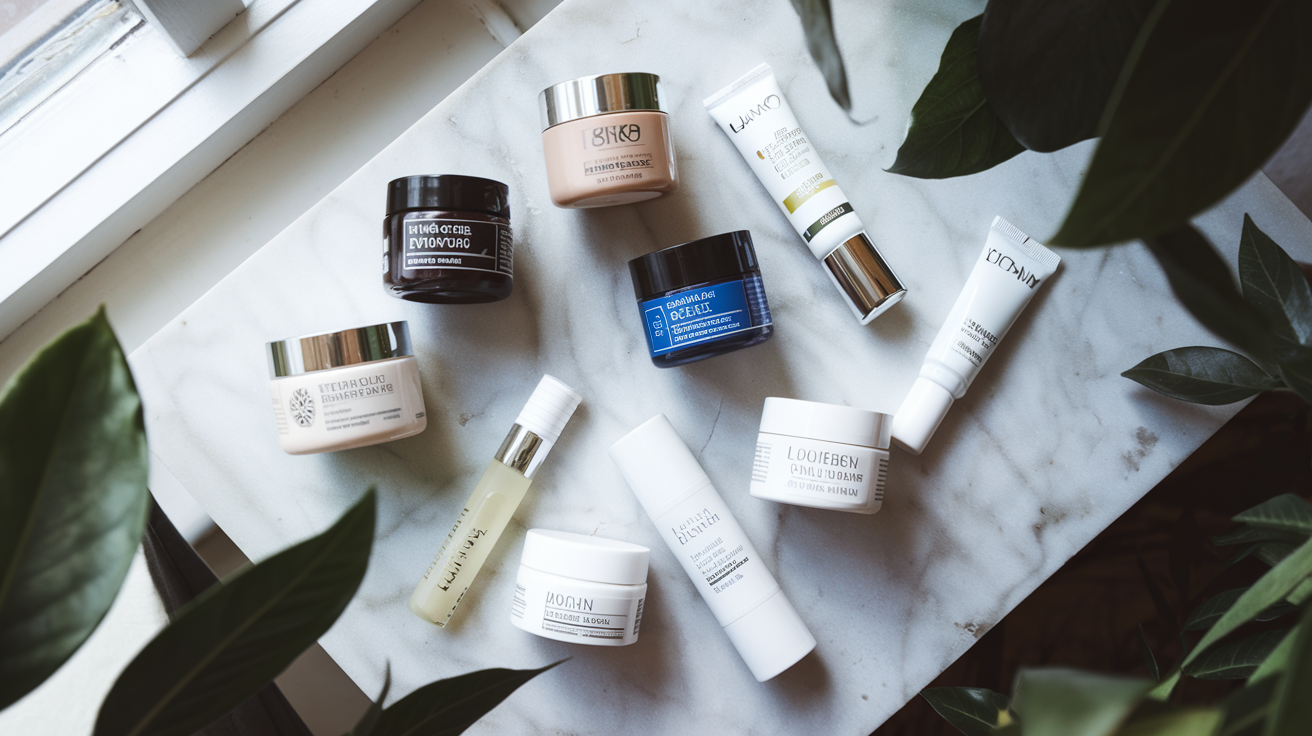
Let's get specific. When you compare ingredient lists side by side, the differences aren't always as dramatic as the price gap suggests.
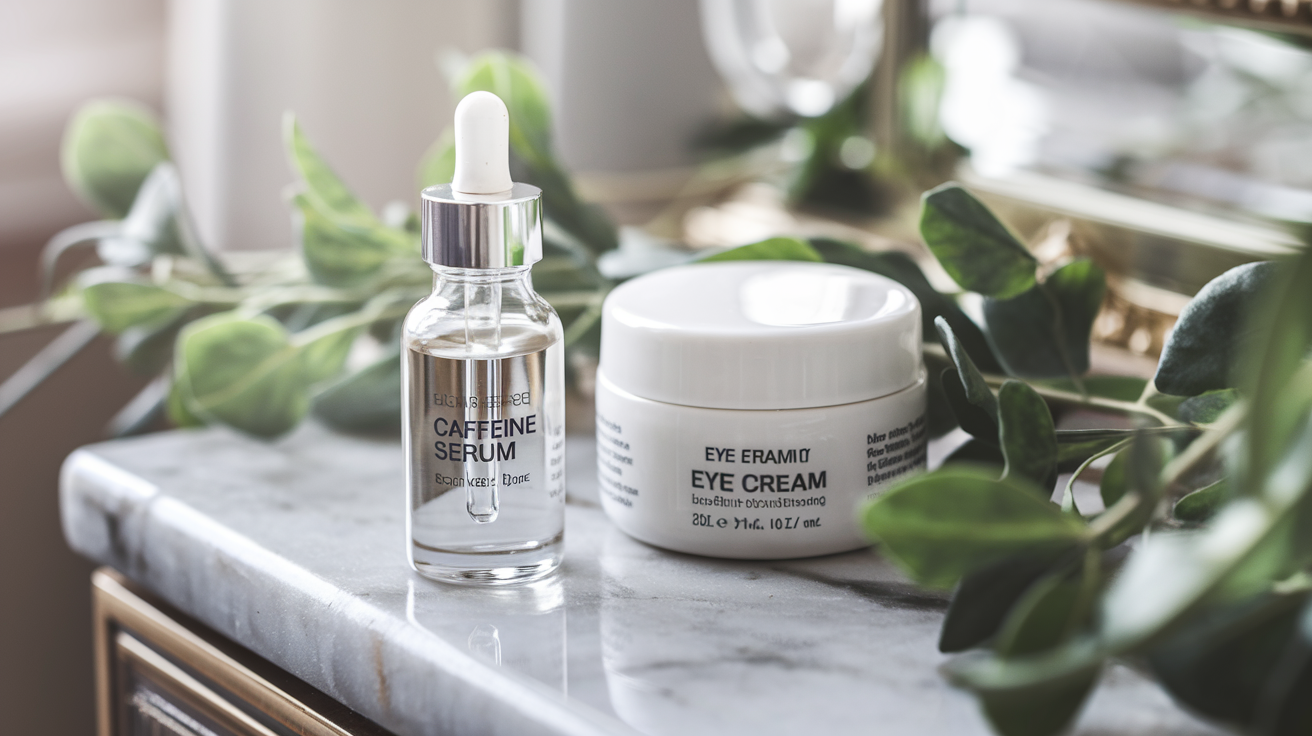
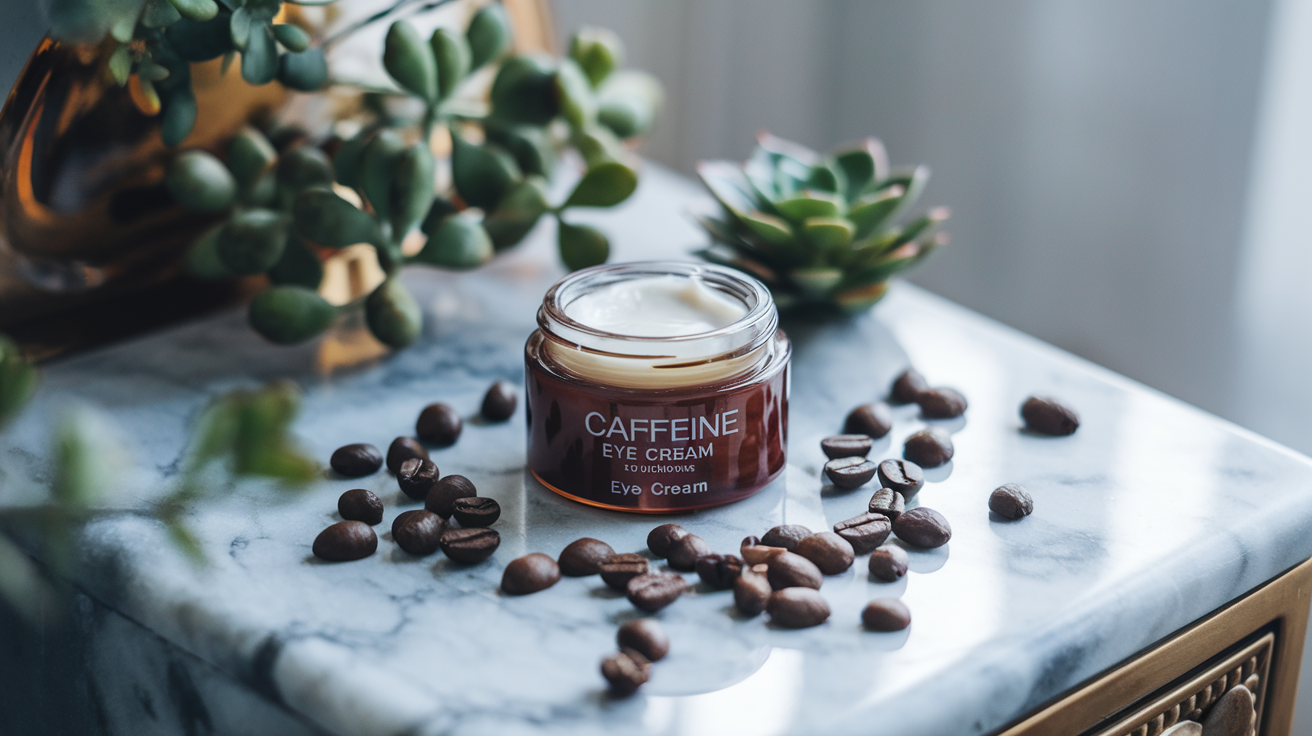
Many drugstore eye creams contain the same actives you'll find in luxury versions: caffeine for temporarily reducing the appearance of puffiness, hyaluronic acid for hydration, niacinamide for brightening, peptides for supporting skin's appearance, and retinol for helping skin look smoother over time.
The main differences often come down to formulation elegance, texture, and concentration. A luxury eye cream might feel silkier, absorb faster, and sit better under makeup. It might use three types of hyaluronic acid at different molecular weights instead of one. It might include botanical extracts that make the product feel more luxurious, even if they don't dramatically change results.
Some luxury brands also use patented ingredients you won't find elsewhere. These proprietary complexes might offer unique benefits, but they're not always necessary for healthier-looking skin.
Drugstore eye creams sometimes use simpler formulations with fewer ingredients, which can actually be better for sensitive skin. Less fragrance, fewer plant extracts, and simpler preservative systems mean less chance of irritation.
If you want to compare wisely, look past the brand name and read the ingredient list. Check where the active ingredients fall in the list—the first five ingredients make up most of the formula. Look for formulations that match your specific concerns, whether that's dryness, the appearance of fine lines, or temporarily reducing puffiness.
Tired of seeing under-eye lines before you see yourself?
If the tiny creases under your eyes make you look more tired than you feel, this guide shows the simple under-eye routine that helps soften the look of dry lines, crepey texture, and tired skin without guessing or wasting weeks on random products.
When Premium Eye Cream Is Worth The Investment
Sometimes spending more actually makes sense. Here's when a luxury eye cream might be worth it for you.
If you have very sensitive skin, premium formulations often undergo more rigorous testing and use gentler preservatives. They might be fragrance-free, hypoallergenic, and dermatologist-tested. The extra cost buys you peace of mind and less risk of irritation.
If you want specific advanced ingredients that only certain brands offer, the investment might pay off. Some brands develop proprietary peptide complexes or growth factor formulations you won't find in drugstore options.
If texture matters to you—and it should if you wear makeup—luxury eye creams often feel more refined. They absorb quickly without pilling, don't interfere with concealer, and feel pleasant to apply. When you enjoy using a product, you're more likely to use it consistently, which matters more than the ingredient list.
If you've tried multiple drugstore options without seeing improvement in how your skin looks and feels, stepping up to a mid-range or luxury option with higher concentrations of actives might make a difference. Just make sure you're comparing similar active ingredients, not just price tags.
But if you're new to eye cream, have a limited budget, or just want basic hydration and protection, starting with an affordable option makes total sense. You can always upgrade later if you want to explore more advanced formulations. For personalized guidance on choosing the right option for your skin, check out this affiliate one.
How To Get Maximum Results Regardless Of Price Point
Here's the thing: the most expensive eye cream in the world won't work if you're using it wrong. And a budget-friendly option can deliver impressive results when you use it correctly.
First, consistency beats everything. Using a $20 eye cream every single morning and night will likely give you better results than using a $200 cream sporadically. Build the habit before you upgrade the product.
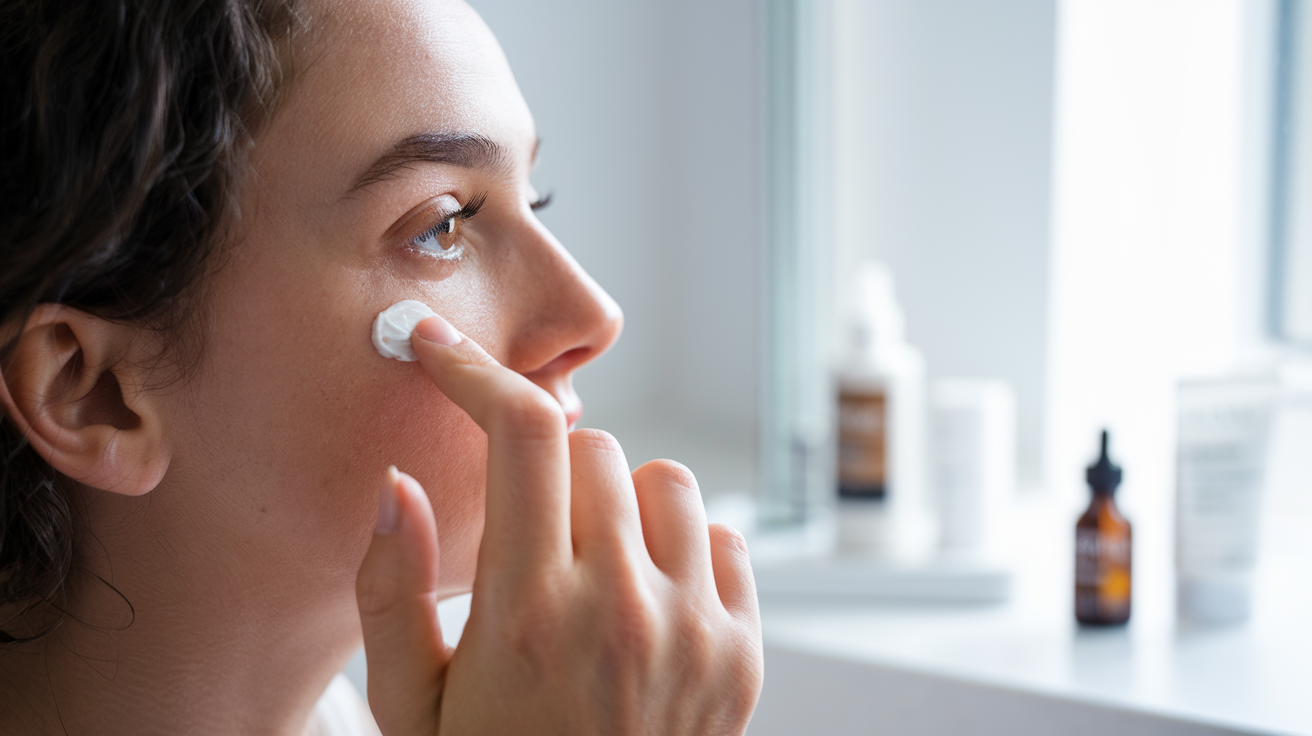
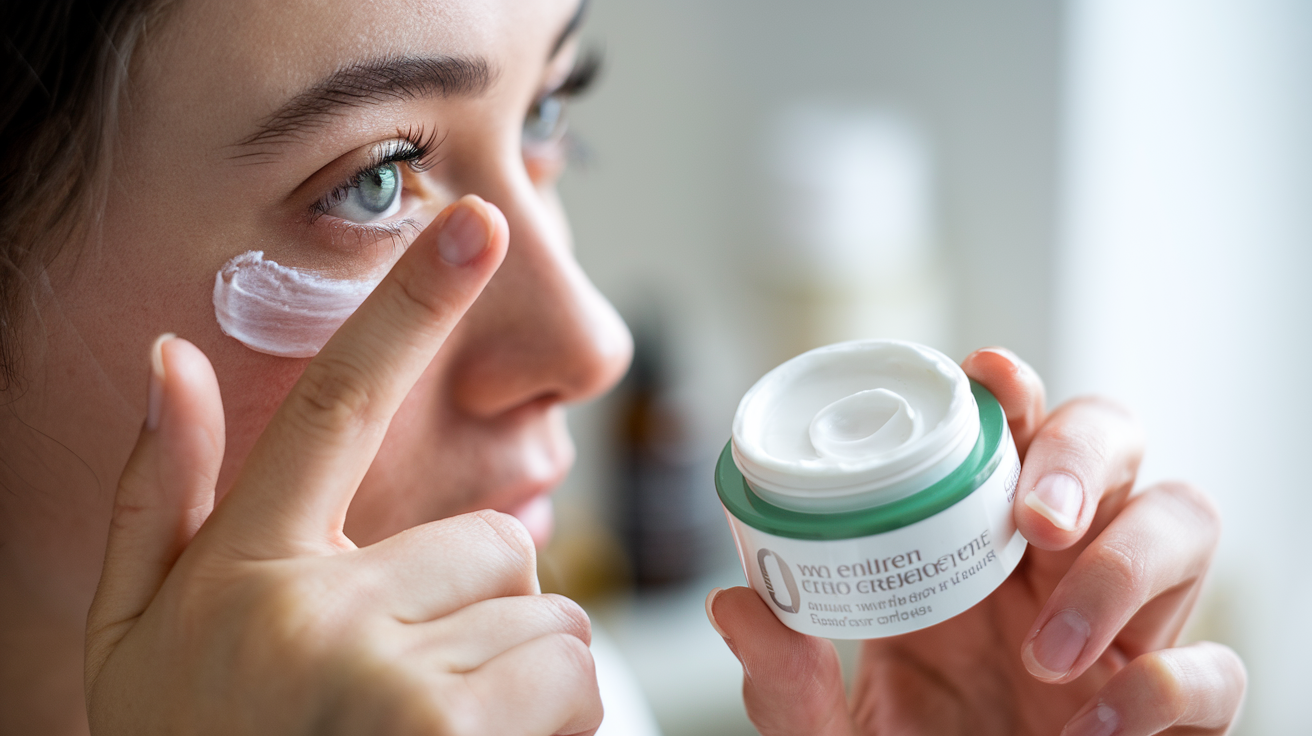
Second, apply it correctly. Use your ring finger to gently pat—not rub—a rice-grain-sized amount along the orbital bone. Don't tug or pull at the delicate skin. Let it absorb fully before layering other products.
Third, pair it with sunscreen during the day. No eye cream can compete with sun damage. If you're not wearing SPF around your eyes daily, you're undoing any benefits your eye cream provides. This is non-negotiable for maintaining younger-looking skin.
Fourth, manage your expectations. Eye creams can help your skin look and feel more hydrated, temporarily reduce the appearance of puffiness, and support smoother-looking skin over time. They work gradually, not overnight. Give any new eye cream at least six to eight weeks before deciding if it's working for you.
Fifth, consider layering. You don't always need one expensive miracle cream. Sometimes a simple hydrating eye gel under a richer eye cream works better than either alone. Or use a budget-friendly hydrating option in the morning and save your treatment eye cream with retinol or peptides for nighttime.
Sixth, don't skip the basics. Drink enough water, get decent sleep when you can, and remove your eye makeup gently every night. These habits cost nothing and make a real difference in how your eye area looks.
Finally, know when to seek professional advice. If you're dealing with significant concerns like severe puffiness, dark circles that don't respond to topical products, or sudden changes in your under-eye area, talk to a dermatologist. Sometimes the issue requires professional treatment, and no cream—expensive or affordable—will address it. For a complete approach to under-eye care, this affiliate one walks you through the entire process.
The bottom line? Price doesn't always equal performance in eye cream. Some luxury options truly offer superior formulations and elegant textures worth the investment. Others charge premium prices for packaging and marketing. Some drugstore eye creams deliver excellent results at a fraction of the cost. The best eye cream for you is one with ingredients that address your specific concerns, a texture you enjoy, and a price that lets you use it consistently without guilt. Start where you are, use what you have, and upgrade strategically when it makes sense for your skin and your budget.