Disclosure: This post contains affiliate links. We may earn a commission at no extra cost to you.
Does Expensive Eye Cream Work Better? The Truth About Price and Results
You've probably stood in the skincare aisle staring at a $12 eye cream next to a $150 one, wondering if the expensive jar is actually better or just better marketing. It's a question that matters when the delicate skin around your eyes shows fine lines faster than the rest of your face. The truth about price and performance isn't what most brands want you to believe.
Let's break down what you're actually paying for, when luxury eye creams make sense, and which affordable options deliver visible support for smoother-looking skin.
What Actually Makes Eye Cream Expensive
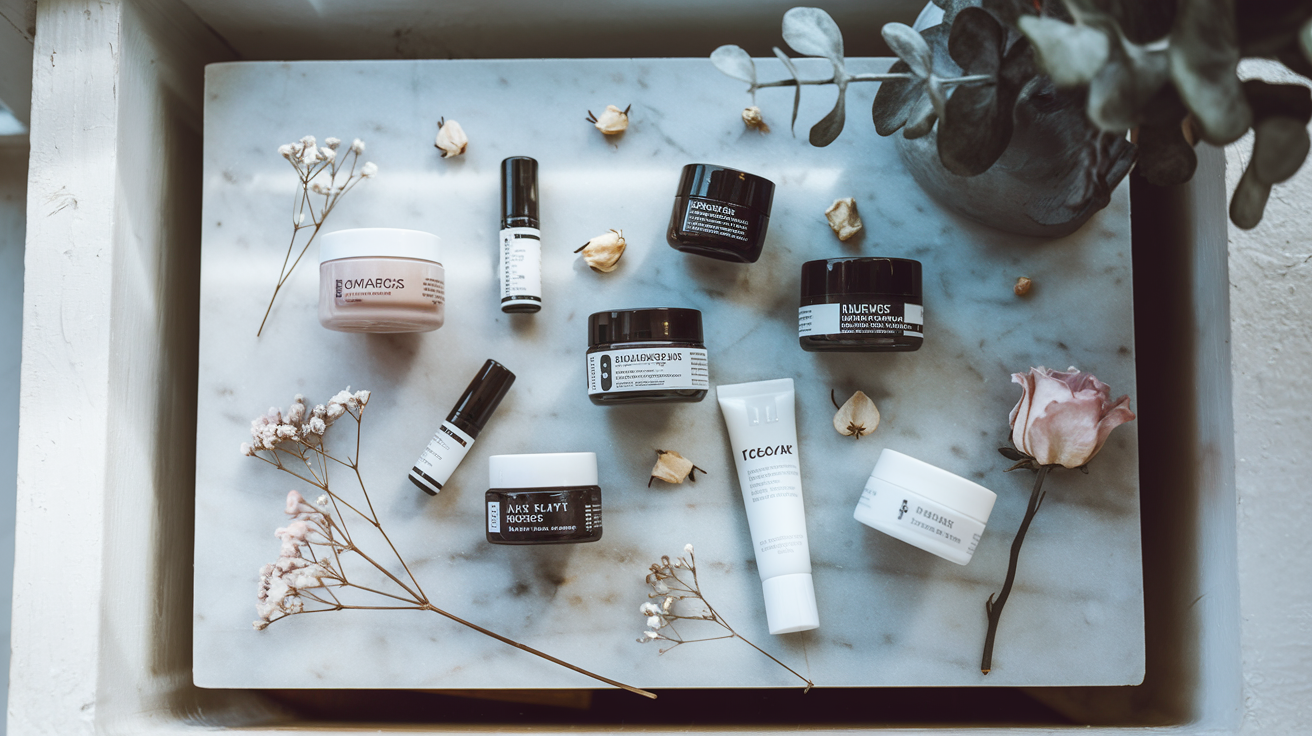
The price tag on a luxury eye cream rarely reflects ingredient quality alone. Here's where your money goes:
Packaging and presentation. Those heavy glass jars, metallic applicators, and satin-lined boxes add significant cost. A drugstore brand might spend $0.50 on packaging while a luxury brand spends $15 or more on the same size container.
Marketing and celebrity endorsements. Department store brands invest heavily in magazine ads, influencer campaigns, and counter displays. That glossy campaign featuring a famous face gets baked into the price you pay.
Retail markups. When you buy from a department store counter, the retailer takes a cut, sometimes 40-50% of the retail price. Drugstore brands sell at lower margins through mass retailers.
Proprietary ingredients and patents. Some premium brands develop and patent unique peptide complexes or delivery systems. Research and development for these innovations costs money, though the clinical significance can vary widely.
Texture and sensory experience. Luxury formulas often feel silkier, absorb faster, or layer better under makeup. These cosmetic elegance improvements require skilled formulators and sometimes costlier emulsifiers.
The key insight: expensive doesn't automatically mean more effective for reducing the appearance of fine lines or supporting hydration.
Drugstore vs Luxury: Ingredient Comparison
When you compare ingredient lists side by side, the differences get interesting. Many affordable eye creams contain the same active ingredients as their luxury counterparts.
Retinol. Both drugstore and luxury eye creams use retinol to support skin renewal. The concentration matters more than the price. A $15 eye cream with 0.5% retinol can work similarly to a $100 cream with the same percentage. The difference often comes down to stabilization methods and supporting ingredients that minimize irritation.
Peptides. Copper peptides, palmitoyl peptides, and acetyl hexapeptide-8 appear across price points. Luxury brands may use proprietary peptide blends, but independent peptides in drugstore formulas can still help support smoother-looking skin texture over time.
Hyaluronic acid. This hydration powerhouse costs relatively little to source. A $20 eye cream often contains the same sodium hyaluronate as a $200 option. Molecular weight variations exist, but both can temporarily plump the look of fine lines.
Caffeine. Used to reduce the appearance of puffiness, caffeine shows up in products from $8 to $180. The ingredient itself is inexpensive. Application method and concentration drive any performance differences.
Niacinamide. This brightening and barrier-supporting ingredient appears increasingly in budget and luxury formulas alike at similar 2-5% concentrations.
Where luxury formulas sometimes pull ahead: combining multiple actives in stable systems, using advanced delivery technologies, and creating textures that feel pleasant enough to use consistently. That last point matters because the best eye cream is the one you'll actually apply daily.
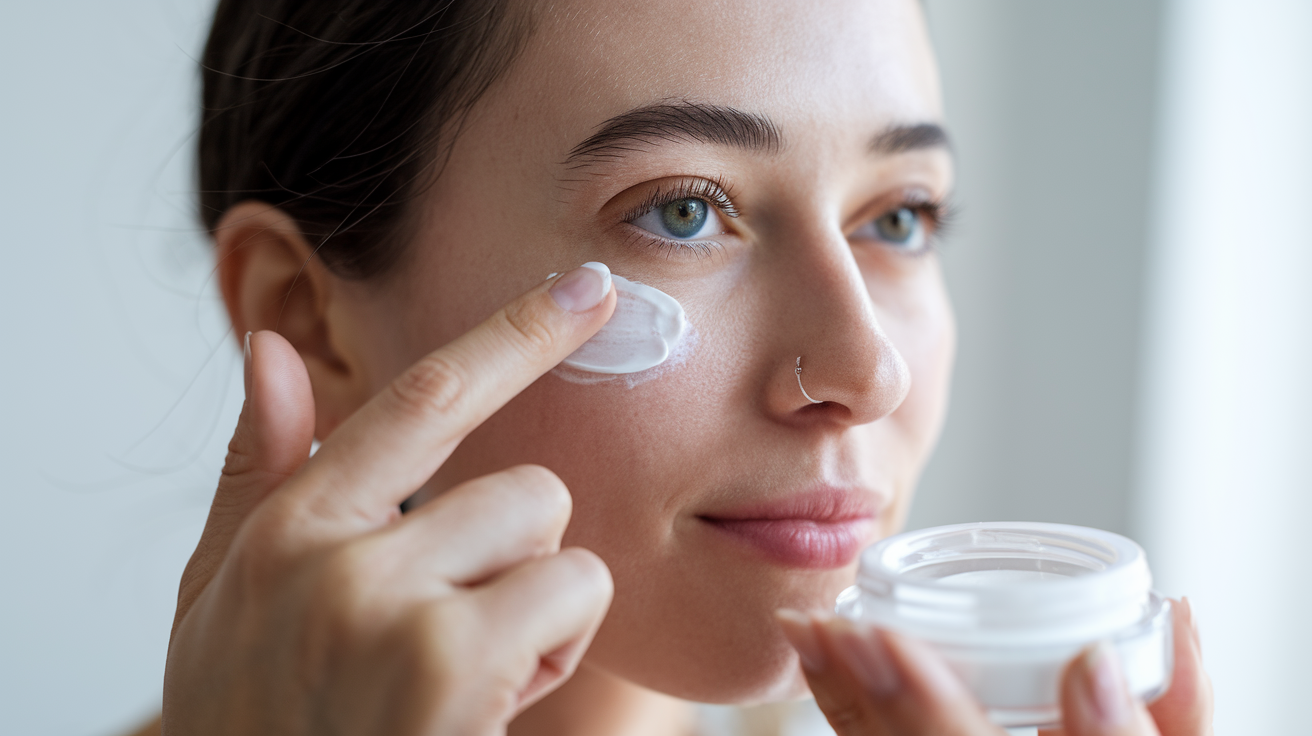
Tired of seeing under-eye lines before you see yourself?
If the tiny creases under your eyes make you look more tired than you feel, this guide shows the simple under-eye routine that helps soften the look of dry lines, crepey texture, and tired skin without guessing or wasting weeks on random products.
When Premium Eye Creams Are Worth It
Sometimes the higher price point makes sense for specific situations and skin concerns.
Sensitive or reactive skin. If your under-eye area gets irritated easily, premium formulas often invest more in gentle preservative systems, fragrance-free formulations, and calming botanicals. The cleaner ingredient decks can mean fewer reactions, which matters when you're dealing with delicate eye skin.
Advanced delivery systems. Some luxury brands use encapsulation technology or time-release mechanisms that allow higher concentrations of actives with less irritation. If you've tried drugstore retinol eye creams and experienced flaking or redness, a premium encapsulated retinol might work better for your skin.
Combining multiple concerns. When you need to address fine lines, dark circles, and puffiness simultaneously, well-formulated luxury products sometimes layer multiple technologies effectively. Instead of buying three separate products, one comprehensive formula might simplify your routine.
Texture preferences that affect compliance. If a luxury eye cream feels so good that you never skip application, while drugstore options sit unused because they pill under makeup, the expensive one delivers better value through consistent use. Results come from regular application, not sporadic use of a theoretically perfect formula.
When you've plateau with affordable options. If you've used quality drugstore eye creams consistently for months without seeing smoother-looking skin, a premium formula with different actives or delivery methods might offer the change your routine needs.
One caveat: starting with the most expensive option isn't necessary. Many people see visible improvement with affordable products and never need to upgrade.
Best Value Eye Creams That Actually Work
These categories represent smart investments regardless of price point, focusing on what delivers visible support for common under-eye concerns.
For fine lines and texture. Look for eye creams with retinol or peptides in a hydrating base. Options around $20-40 with 0.25-0.5% retinol or multiple peptides can help support smoother-looking skin texture when used consistently. Check that the formula includes moisturizing ingredients like ceramides or squalane to prevent the dryness that makes lines look more pronounced.
For morning puffiness. Caffeine-based eye gels in the $15-30 range work as well as luxury versions for reducing the appearance of fluid retention. Metal roller applicators add a cooling effect without adding $100 to the price. Store in the refrigerator for extra de-puffing support.
For dryness and crepey texture. Rich eye creams with hyaluronic acid, ceramides, and nourishing oils fall in the $25-50 range and rival luxury options. The key is layering molecular weights of hyaluronic acid for surface and deeper hydration support. If you need help identifying the most effective routine for this concern, affiliate one can walk you through targeted approaches.
For brightening dark circles. Niacinamide and vitamin C eye creams between $18-45 can help reduce the appearance of discoloration over several weeks. Light-reflecting particles in tinted eye creams offer immediate optical improvement while actives work gradually.
For sensitive skin. Fragrance-free, minimal ingredient eye creams around $30-60 often match the gentleness of luxury options. Look for short ingredient lists with proven hydrators and barrier-supporting ingredients rather than long lists of trending botanicals.
The best value comes from matching the formula to your primary concern rather than buying the most expensive multi-tasking product. A targeted $30 eye cream used consistently typically outperforms a $150 luxury cream used sporadically.
Consider this: if you spend $150 on an eye cream but hate the texture so much you only use it twice a week, you're getting worse results than a $25 cream you apply morning and night without fail. For structured guidance on building an effective routine that you'll actually stick with, affiliate one offers practical approaches worth exploring.
The Bottom Line on Price and Performance
Expensive eye creams aren't automatically better, but they're not always just marketing hype either. The relationship between price and results depends on your specific skin needs, sensitivities, and what you've already tried.
Start with well-reviewed options in the $20-40 range that target your main concern. Give them at least 6-8 weeks of consistent use. If you see smoother-looking skin and feel good about the texture, there's no reason to spend more.
Move up in price if you have sensitive skin that reacts to most formulas, if you've genuinely exhausted affordable options, or if you find a premium product that you love using daily. That consistency matters more than any ingredient list.
The most expensive mistake isn't buying a luxury eye cream. It's buying any eye cream and not using it regularly enough to see results.