Disclosure: This post contains affiliate links. We may earn a commission at no extra cost to you.
When to Apply Eye Cream in Your Skincare Routine: The Complete Guide
Published July 4, 2026
Have you ever wondered if you're applying your eye cream at the right time? You're not alone. The delicate skin around your eyes deserves special attention, and timing really does matter when it comes to helping your eye cream work its best. Whether you're dealing with dry fine lines, a crepey texture, or just want to support smoother-looking skin, understanding when and how to layer your eye cream can make a noticeable difference in your routine.

Why the Order of Application Matters for Eye Cream Effectiveness
The skin around your eyes is thinner and more delicate than the rest of your face. Because of this, it needs products that can absorb properly without interference from heavier creams or oils.
When you apply products in the wrong order, you can create a barrier that prevents your eye cream from reaching the skin. Think of it like trying to water a plant through a plastic sheet—the water just sits on top instead of soaking in.
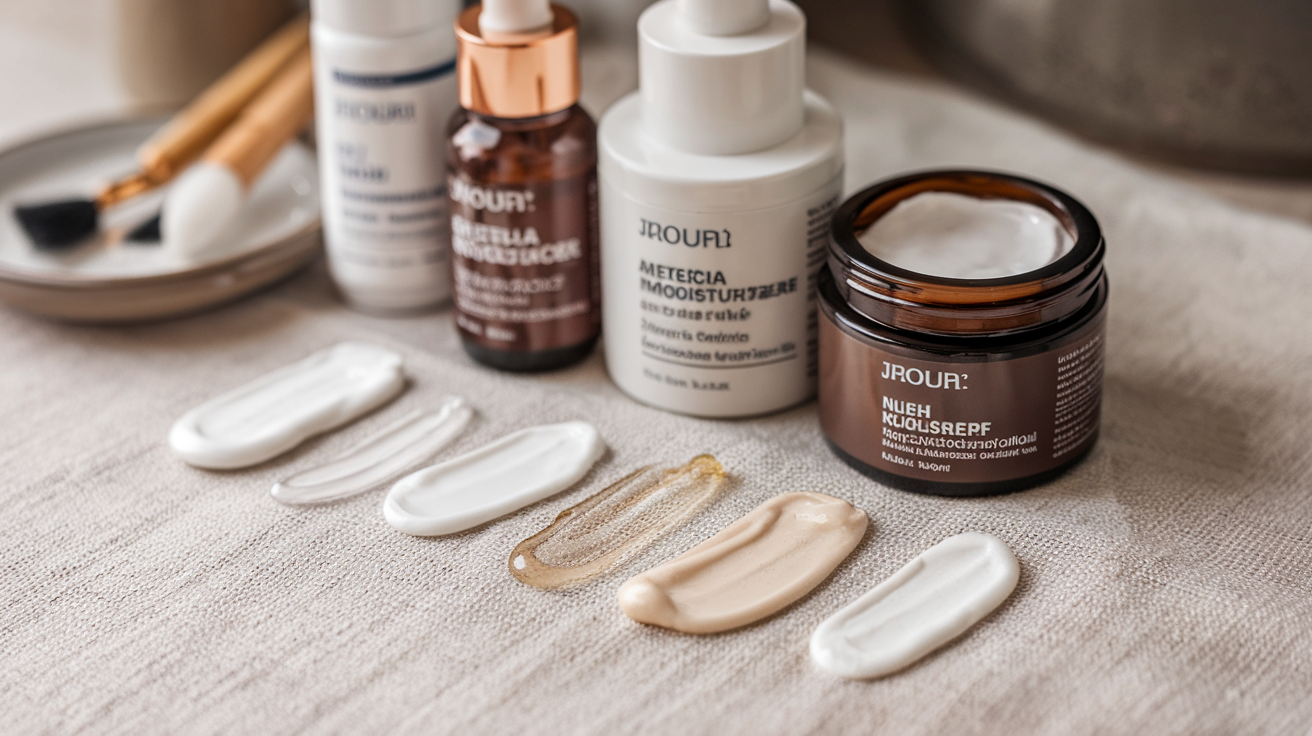
The general rule in skincare is to apply products from thinnest to thickest consistency. This allows lighter serums and treatments to absorb first, followed by richer creams that seal everything in.
For eye creams specifically, most formulas are designed to be applied after your serums but before your moisturizer. This positioning helps the active ingredients penetrate the delicate eye area without competing with heavier face products.
If you're looking for more detailed guidance on choosing the right products for under-eye concerns, check out this affiliate one resource.
Morning Skincare Routine: When to Apply Eye Cream Step-by-Step
Your morning routine sets the tone for how your skin looks throughout the day. Here's exactly when to apply eye cream for the best results:
Step 1: Cleanser
Start with a gentle cleanser to remove overnight oils and prep your skin. Pat dry with a clean towel.
Step 2: Toner or Essence
If you use a toner or essence, apply it now while your skin is still slightly damp. This helps with overall hydration.
Step 3: Lightweight Serum
Apply any targeted serums like vitamin C or hyaluronic acid. Use a gentle patting motion and avoid the immediate eye area if the serum isn't eye-safe.
Step 4: Eye Cream
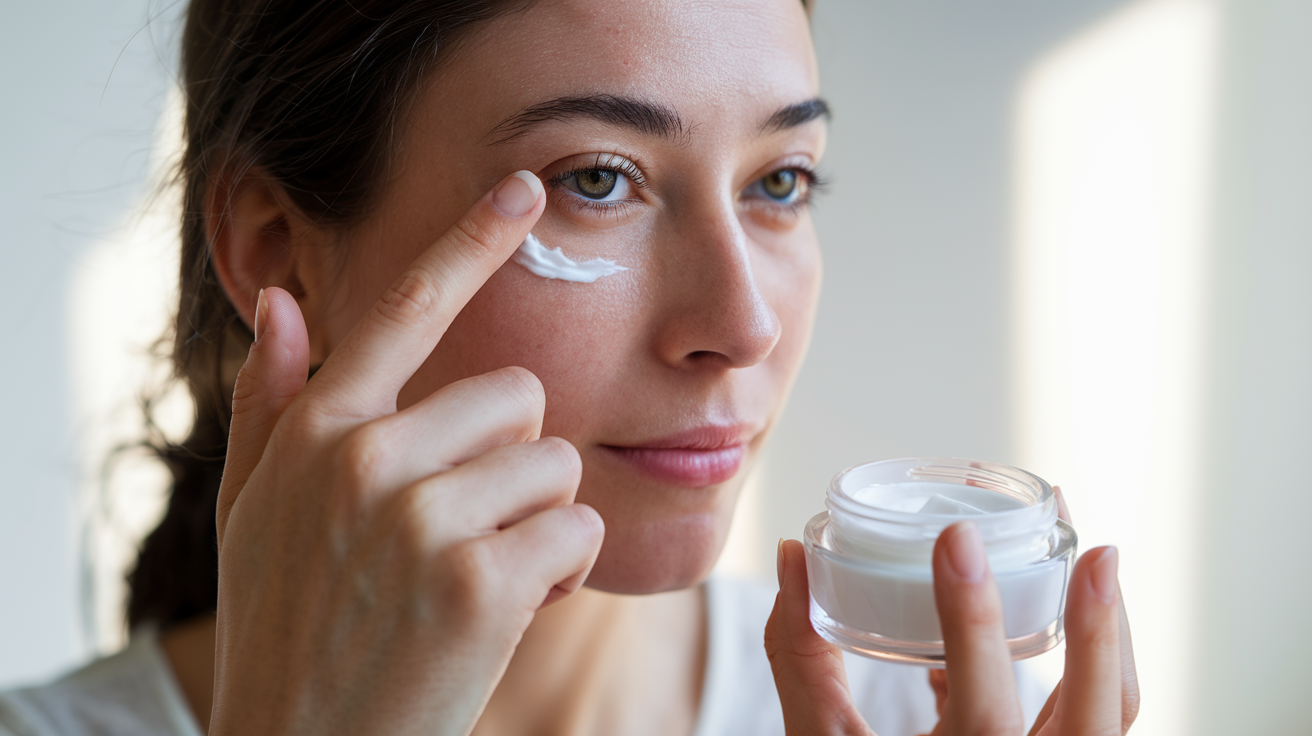
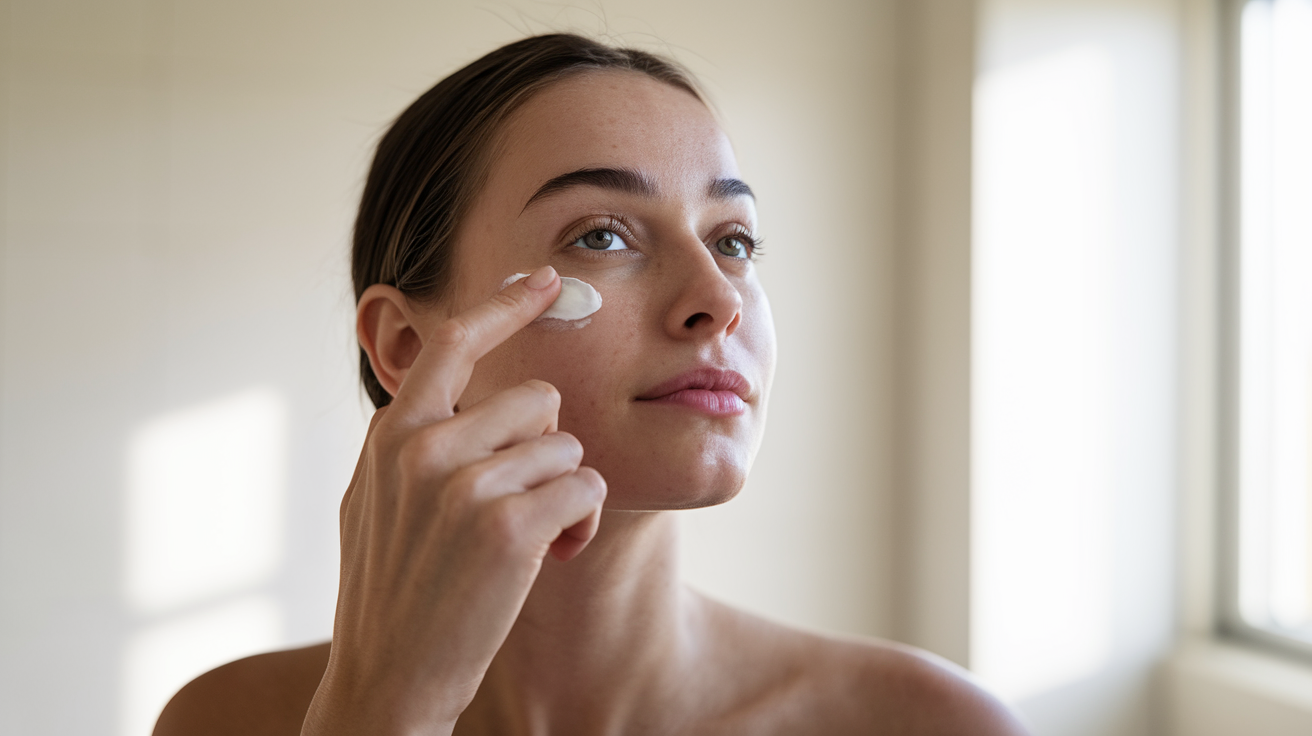
Now it's time for your eye cream. Use your ring finger to gently tap a rice-grain-sized amount around the orbital bone. Start from the inner corner and move outward, then gently pat along the brow bone if your product allows.
Tired of seeing under-eye lines before you see yourself?
If the tiny creases under your eyes make you look more tired than you feel, this guide shows the simple under-eye routine that helps soften the look of dry lines, crepey texture, and tired skin without guessing or wasting weeks on random products.
Step 5: Face Moisturizer
Follow with your regular face moisturizer, avoiding the eye area since you've already applied your eye cream.
Step 6: Sunscreen
Always finish with SPF. Look for a formula that won't irritate your eyes or cause them to water.
The key is to let each product absorb for 30-60 seconds before moving to the next step. Rushing through your routine can lead to pilling and reduced effectiveness.
Night Skincare Routine: Optimal Eye Cream Timing for Maximum Results
Your nighttime routine is when your skin does most of its repair work. Here's when to layer your eye cream for overnight support:
Step 1: Double Cleanse
Remove makeup and sunscreen with an oil-based cleanser first, then follow with your regular cleanser. Be extra gentle around the eyes.
Step 2: Treatment Products
If you use treatments like retinol or exfoliating acids, apply them now. Be cautious about getting these too close to your eyes unless they're specifically formulated for that area.
Step 3: Hydrating Serum
Apply a hydrating or reparative serum to damp skin for better absorption.
Step 4: Eye Cream
Your nighttime eye cream often has richer ingredients than your morning formula. Apply it the same way—using your ring finger to gently tap around the orbital bone. This is when you might use formulas with peptides or ceramides that work while you sleep.
Step 5: Night Moisturizer or Face Oil
Seal everything in with your night cream or facial oil. Again, avoid the eye area since it already has its own treatment.
Nighttime is ideal for using slightly richer eye creams because you don't need to worry about makeup application or how the product sits under concealer.
Common Eye Cream Sequencing Mistakes That Reduce Absorption
Applying Eye Cream After Heavy Moisturizer
This is the most common mistake. When you apply a thick face cream first, it creates a barrier that prevents your eye cream from absorbing properly. Always apply eye cream before your face moisturizer.
Using Too Much Product
More isn't better with eye cream. Using too much can lead to milia (tiny white bumps), puffiness, or product migrating into your eyes. A rice-grain-sized amount for both eyes is plenty.
Rubbing Instead of Patting
The skin around your eyes is delicate. Rubbing or pulling can stress the area. Always use a gentle patting motion with your ring finger, which naturally applies the least pressure.
Skipping the Brow Bone
Many people forget to extend their eye cream along the brow bone. This area can also show signs of aging and dryness, so don't neglect it.
Applying Eye Cream Too Close to the Lash Line
Products naturally migrate slightly as they warm up on your skin. Apply eye cream along the orbital bone—not directly on your eyelid or too close to your lashes—to avoid irritation.
Not Waiting Between Steps
Give your eye cream at least 30-60 seconds to absorb before applying your face moisturizer. Layering too quickly can cause pilling and reduce how well each product works.
Using Face Retinol Around Eyes
Unless your retinol product is specifically formulated for the eye area, keep it away from this delicate zone. The skin around your eyes is thinner and can be more sensitive to potent actives.
For a complete breakdown of building an effective routine for under-eye concerns, this affiliate one guide walks you through each step.
Getting the timing right with your eye cream doesn't have to be complicated. By following the thin-to-thick rule and placing your eye cream after serums but before moisturizer, you're giving this delicate area the best chance to look smoother and less tired. Small adjustments to your routine can support healthier-looking skin over time, and consistency is what matters most.