Disclosure: This post contains affiliate links. We may earn a commission at no extra cost to you.
How Long Does Eye Cream Take to Work? Real Timeline and Expectations
Have you ever bought an eye cream, used it for a few days, and wondered why your under-eyes still look the same?
You're not alone. Most people expect instant results, but eye creams work on a biological timeline that depends on the ingredient, your skin type, and how consistently you use it.
The truth is, some changes happen within days while others take weeks or even months. Understanding this timeline helps you set realistic expectations and stick with products long enough to see whether they actually work for you.
Understanding Eye Cream Active Ingredients and Absorption Rates
Not all eye creams work at the same speed. The timeline depends entirely on what's inside the bottle.
Hydrating ingredients like hyaluronic acid and glycerin can plump the look of fine lines within hours. They work by drawing moisture into the skin, which temporarily smooths the surface and makes dry lines less visible.
Retinol and retinoids take much longer. These vitamin A derivatives encourage cell turnover and support collagen production, but you won't see visible changes for at least four to six weeks. Some people need three months of consistent use before noticing smoother-looking skin.
Peptides fall somewhere in between. They may help support skin structure, but most studies show results after eight to twelve weeks of daily application.
Caffeine and niacinamide can reduce the appearance of puffiness and uneven tone within one to two weeks. These ingredients work on the surface and don't require deep cellular changes to show effects.
If you want a detailed breakdown of which ingredients work best for different concerns, check out this affiliate one that explains how to match actives to your specific skin goals.
Tired of seeing under-eye lines before you see yourself?
If the tiny creases under your eyes make you look more tired than you feel, this guide shows the simple under-eye routine that helps soften the look of dry lines, crepey texture, and tired skin without guessing or wasting weeks on random products.
Week-by-Week Timeline: What to Expect from Your Eye Cream
Here's what a realistic eye cream timeline looks like when you're using a product with active ingredients.
Days 1-3: If your eye cream contains hydrating ingredients, you'll notice softer skin almost immediately. The area may feel more comfortable and look less dry. Makeup may apply more smoothly.
Week 1: Puffiness may start to look less pronounced if your formula includes caffeine or cooling agents. The skin around your eyes may feel more supple.
Weeks 2-4: This is when you might start to see subtle improvements in skin texture. Fine lines caused by dryness may appear less visible. If you're using niacinamide, uneven tone may start to look more balanced.
Weeks 4-8: Retinol and peptide formulas begin to show their effects here. The skin may look slightly firmer and smoother. Crepey texture may start to soften.
Weeks 8-12: This is the point where deeper changes become visible. If you've been consistent with a retinol or peptide eye cream, you may notice that the under-eye area looks more refreshed and less tired overall.
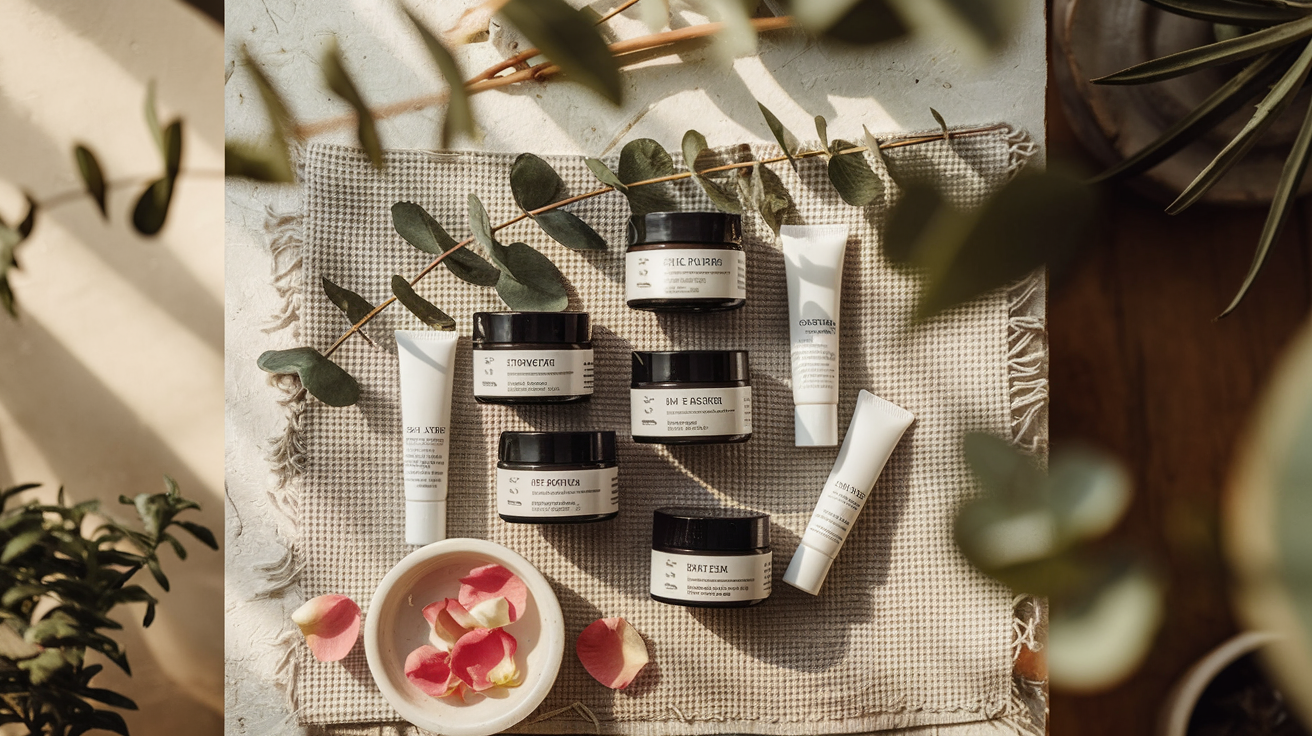
Keep in mind that everyone's skin responds differently. Factors like age, skin thickness, lifestyle, and genetics all play a role in how quickly you see changes.
Signs Your Eye Cream Is Working (and When to Switch)
How do you know if your eye cream is actually doing something?
Look for these signs:
Your under-eye area feels softer and more hydrated throughout the day. Makeup sits better and doesn't settle into lines as much. The skin looks smoother in natural light. Puffiness is less noticeable in the morning. Fine lines caused by dryness appear reduced.
If you've been using a product for twelve weeks and see none of these changes, it's probably time to switch.
Also pay attention to negative reactions. If your eyes feel irritated, itchy, or more sensitive after a few weeks, the formula may be too strong or contain an ingredient your skin doesn't tolerate.
Retinol can cause mild flaking or redness during the first few weeks, but this should improve over time. If it doesn't, try using it every other night or switching to a gentler formula.
Don't keep using a product just because it's expensive or popular. Your skin will tell you what works.
How to Maximize Eye Cream Results and Speed Up Visible Changes
If you want to see results as quickly as possible, consistency and technique matter more than the price of the product.
Apply your eye cream twice a day, every day. Skipping applications slows down progress. Use a pea-sized amount for both eyes. More doesn't mean faster results and can actually irritate the delicate skin.
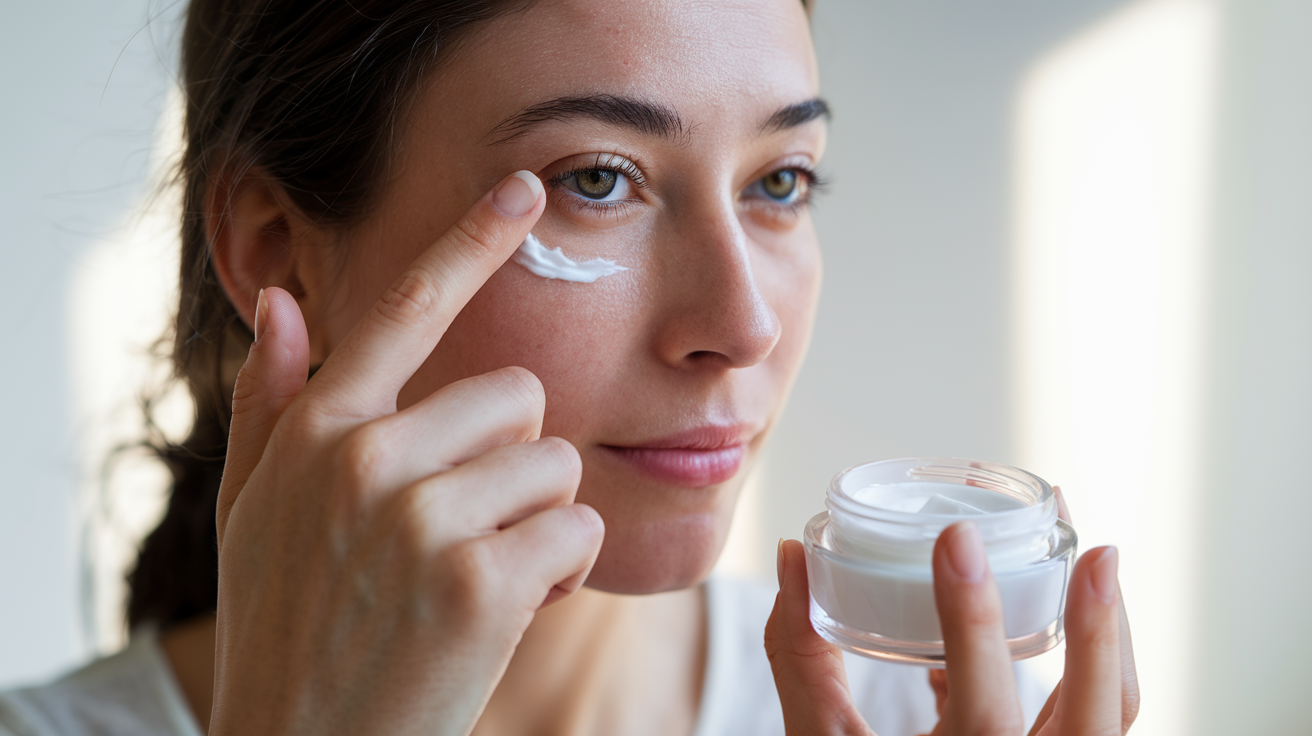
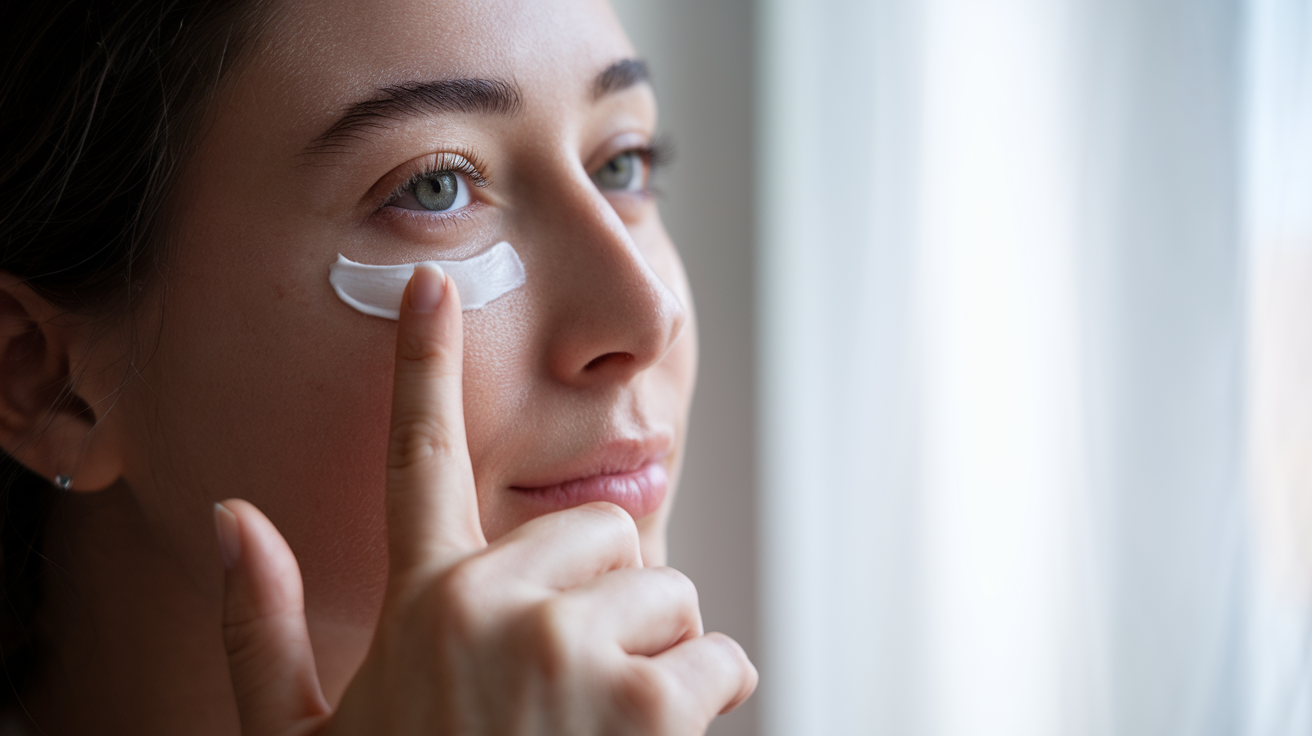
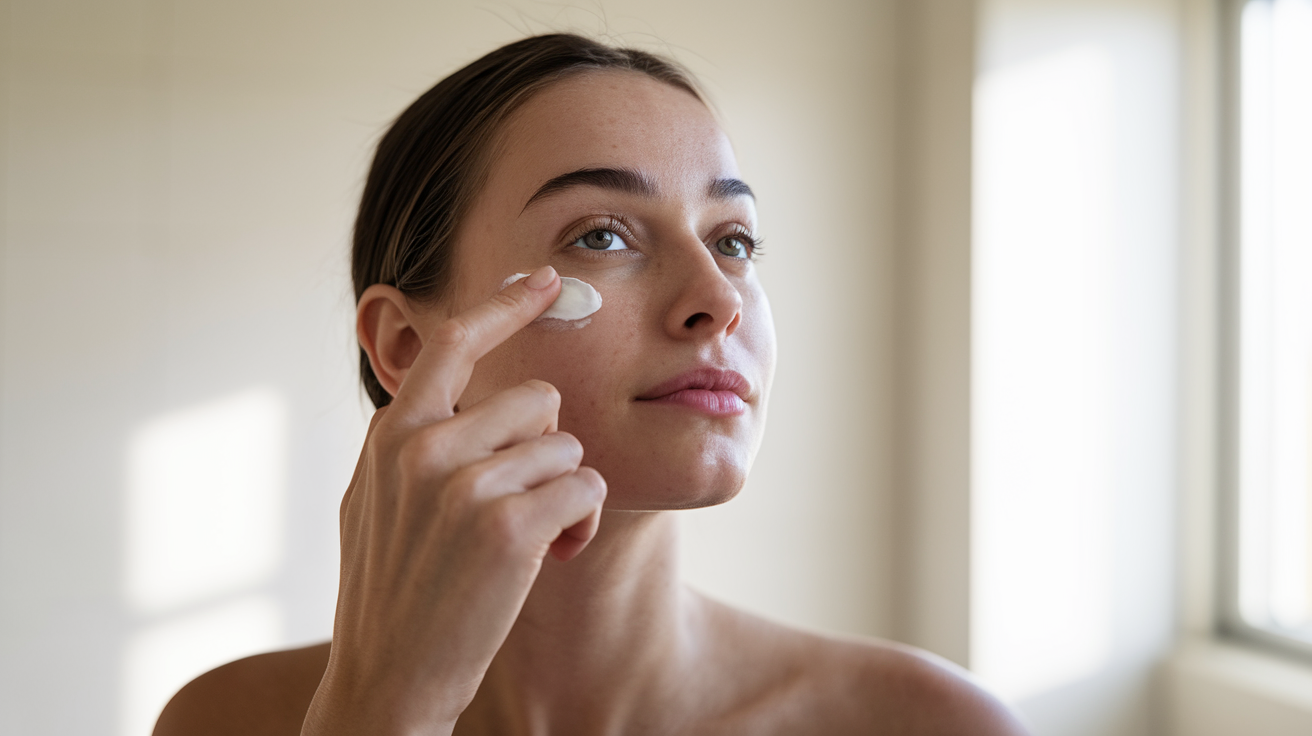
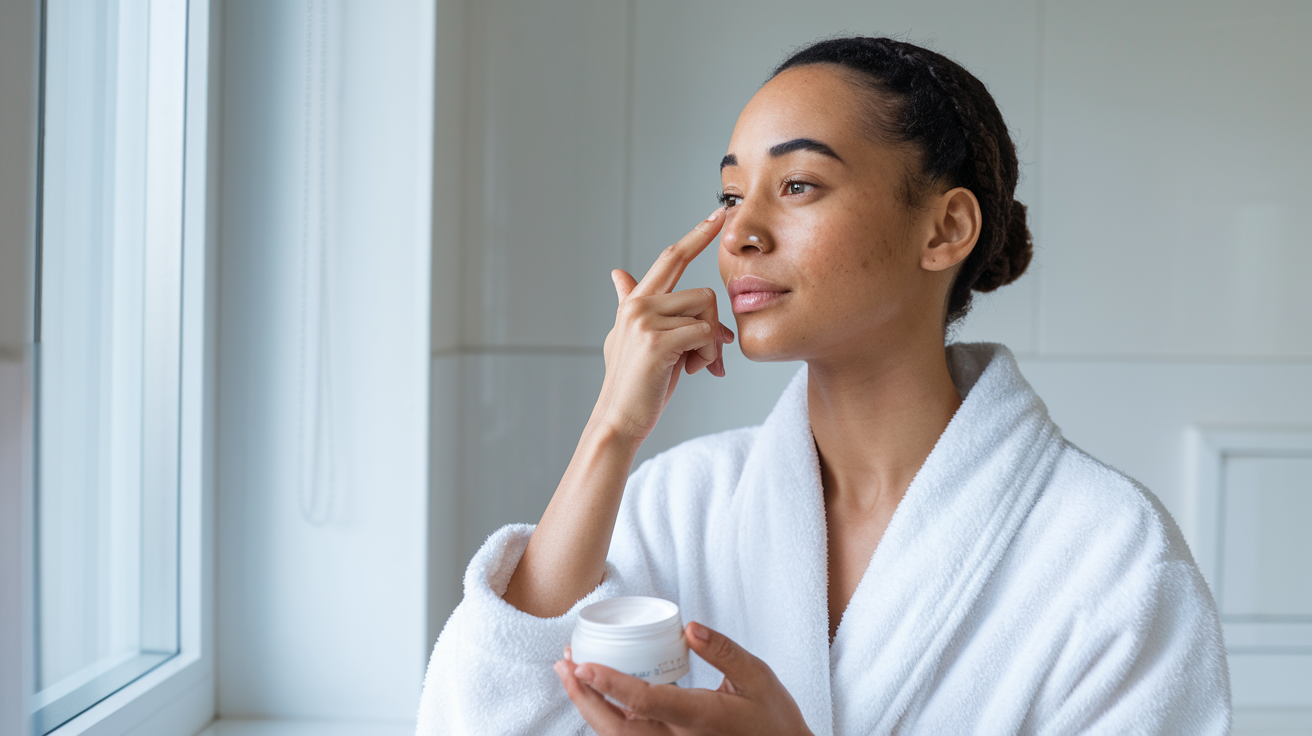
Pat the cream gently around the orbital bone, not directly on the eyelid. Start at the inner corner and move outward. Let it absorb for a minute before applying other products.
Pair your eye cream with a good sunscreen during the day. Sun exposure breaks down collagen and makes fine lines more visible, which works against everything your eye cream is trying to do.
Get enough sleep and stay hydrated. No eye cream can fix exhaustion or dehydration. These basics support your skin from the inside.
If you're using retinol, apply it at night and give your skin time to adjust. Start with two or three nights per week, then gradually increase.
For a step-by-step routine that combines these techniques with the right product order, this affiliate one walks you through exactly how to layer your under-eye products for the best results.
Most importantly, be patient. The skin around your eyes is thinner and more delicate than the rest of your face, which means it responds more slowly to treatment. Stick with a product for at least eight weeks before deciding whether it works for you.
Real change takes time, but when you find the right formula and use it consistently, you'll notice your eyes start to look less tired, smoother, and more refreshed over time.