Disclosure: This post contains affiliate links. We may earn a commission at no extra cost to you.
When to Apply Eye Cream in Your Skincare Routine: The Complete Order Guide
Are you putting eye cream on at the wrong time and wondering why your under-eye area still looks tired?
You might have the best eye cream sitting on your bathroom counter, but if you're layering it in the wrong order, you're not giving your skin the chance to absorb it properly. The sequence you apply your skincare products actually matters more than most people realize—especially for delicate under-eye skin.
This guide breaks down exactly when to apply eye cream, what goes before it, what goes after, and how to adjust your routine for morning versus night.
Why Eye Cream Application Order Matters for Maximum Results
Skincare isn't just about what you apply—it's about how your skin absorbs it.
The under-eye area has thinner skin than the rest of your face, which means it can be more sensitive to texture and layering. When you apply products in the wrong order, you might be creating a barrier that blocks your eye cream from reaching the skin.
For example, if you put on a thick moisturizer first and then try to pat eye cream over it, the cream might just sit on top without penetrating. That's not a product problem—it's a layering problem.
The general rule is to apply products from thinnest to thickest consistency. But with eye cream, there's a little more nuance depending on what else you're using.
Getting the order right can help your eye cream work the way it's designed to, supporting hydration and helping the under-eye area look smoother and less tired over time.
The Correct Sequence: Where Eye Cream Fits in Your Routine
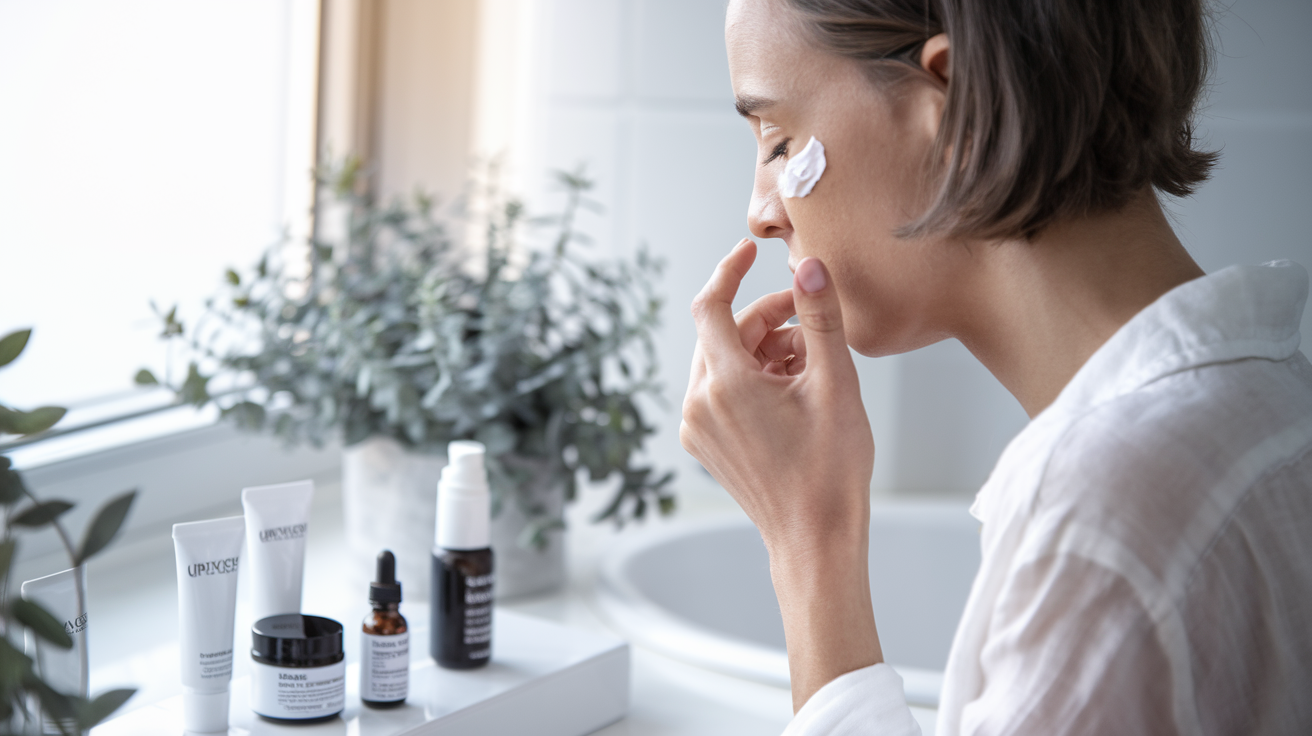
Here's the basic framework that works for most people:
Cleanser comes first. Always start with clean skin so nothing interferes with absorption.
Toner or essence goes next if you use one. These are typically water-based and prep the skin.
Serums come before eye cream. This is where it gets interesting. If you're using a vitamin C serum, hyaluronic acid, or niacinamide in the morning, apply those first. Let them sink in for about 30 seconds.
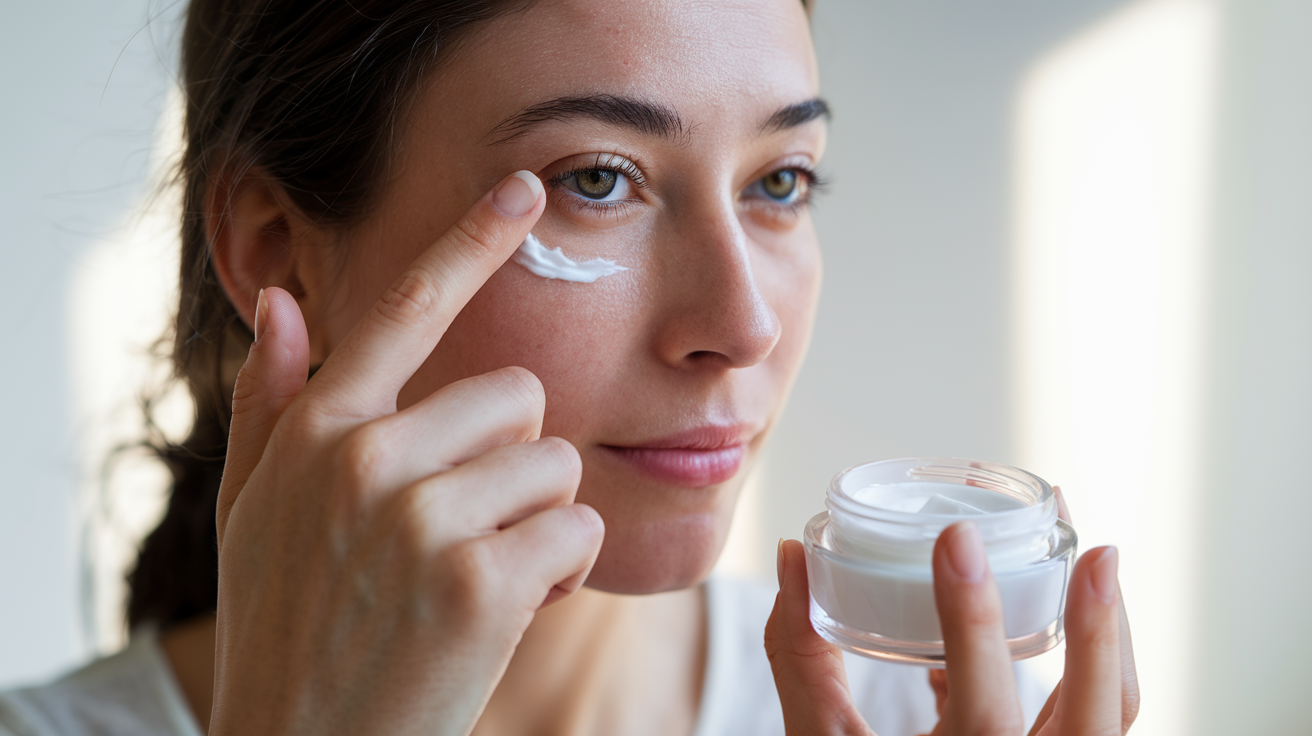
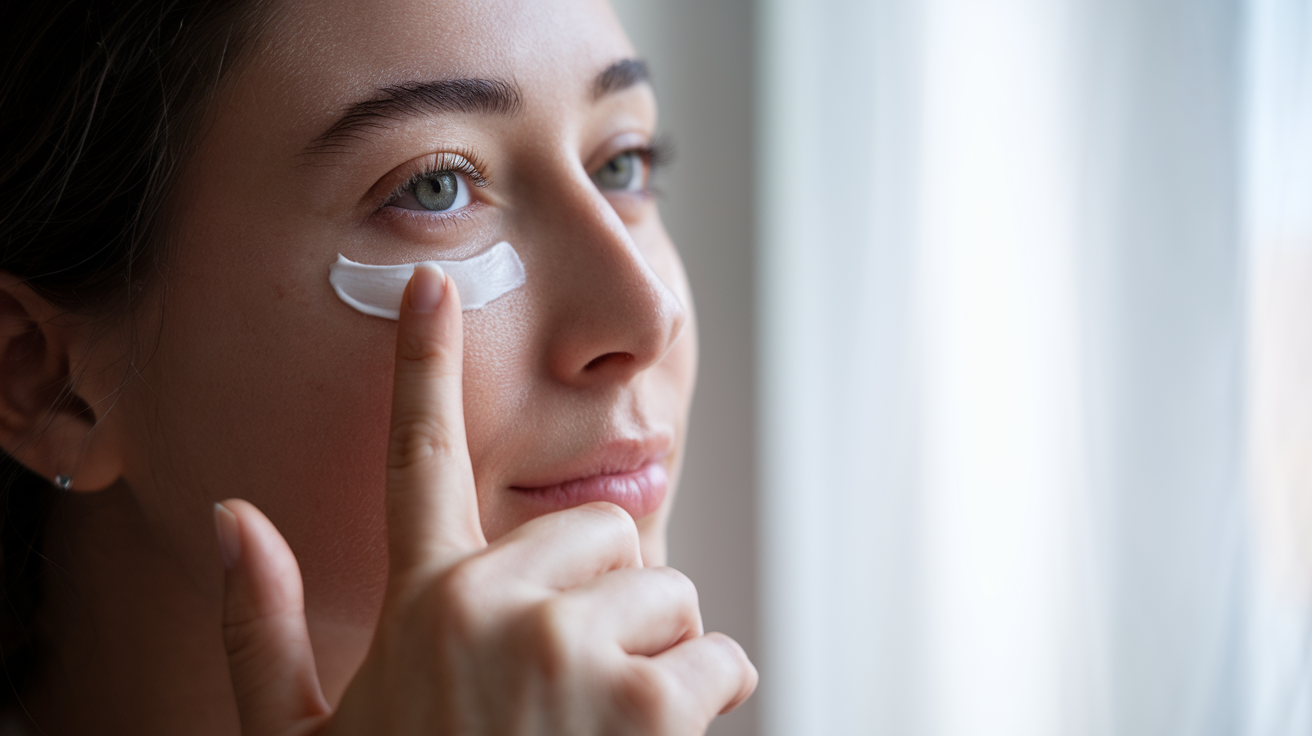
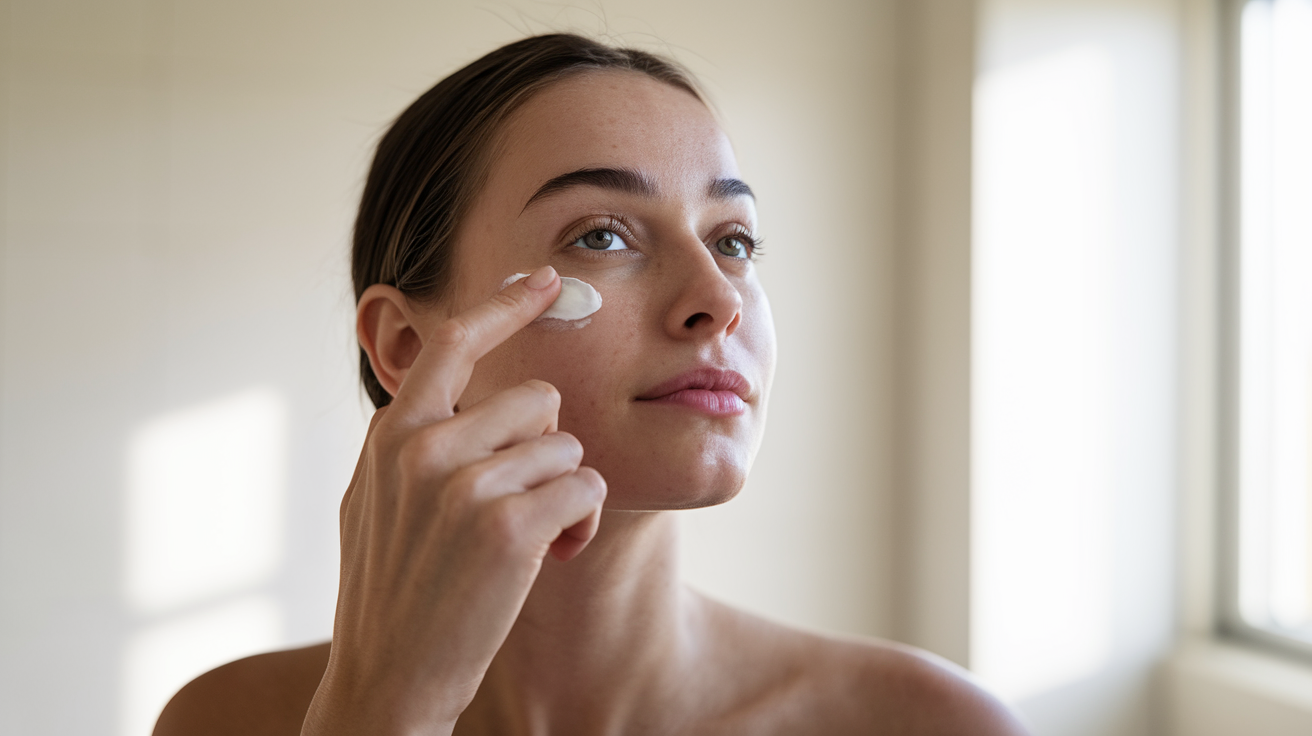
Eye cream is applied after serums but before heavier creams. Use your ring finger to gently tap a pea-sized amount around the orbital bone—not directly on the lash line. Start from the inner corner and move outward.
Moisturizer goes on after eye cream. Even though eye cream is a moisturizer for your eyes, your face moisturizer typically has a different texture and shouldn't replace it.
Sunscreen or SPF is always the final step in the morning. Nothing goes on top except makeup.
This order ensures that lighter products don't get blocked by heavier ones, and that your eye cream can actually reach the skin where it needs to work.
If you want more detailed guidance on building a routine that addresses under-eye texture and tired-looking skin, check out this affiliate one for a step-by-step breakdown.
Tired of seeing under-eye lines before you see yourself?
If the tiny creases under your eyes make you look more tired than you feel, this guide shows the simple under-eye routine that helps soften the look of dry lines, crepey texture, and tired skin without guessing or wasting weeks on random products.
Morning Routine: When to Apply Eye Cream with SPF and Makeup
Mornings are all about protection and prep.
After cleansing, apply any lightweight serums you use in the morning. Vitamin C is popular here because it supports brightness and works well under sunscreen.
Once your serum has absorbed, apply your eye cream. In the morning, you'll want something hydrating but not too heavy—especially if you wear makeup. Look for eye creams with a gel or lightweight lotion texture that won't pill under concealer.
Let your eye cream sit for about a minute before moving on. This gives it time to settle into the skin.
Next, apply your face moisturizer, keeping it away from the immediate eye area since you've already treated that zone.
Then comes sunscreen. This is non-negotiable if you care about keeping your under-eye area looking smoother over time. UV exposure contributes to the appearance of fine lines and uneven tone, so SPF is one of the most important steps.
If you wear makeup, wait another minute or two after sunscreen before applying primer or concealer. Rushing this step can cause pilling or uneven texture.
Some people use an eye cream with SPF built in. That's fine, but you'll still want a separate facial sunscreen since eye cream alone won't cover enough surface area for full protection.
Night Routine: Layering Eye Cream with Retinol and Other Actives
Nighttime is when your routine can get a little more active—and a little more specific.
If you use retinol or other active ingredients like peptides or AHAs, the order becomes even more important.
Start with your cleanser. Double cleansing at night is helpful if you wore sunscreen or makeup during the day.
Apply toner or essence if it's part of your routine, then move to serums. If you're using a retinol serum on your face, apply that now—but be careful around the eye area. Retinol can be too strong for some people's under-eye skin.
Wait about two to three minutes after applying retinol. This buffer time helps reduce the chance of irritation if any product migrates toward the eyes.
Then apply your eye cream. If your eye cream contains retinol, that's the only retinol you need in that area. Don't double up unless your skin is very tolerant.
After eye cream, apply your night moisturizer or facial oil. Night creams are typically richer, and that's okay—they're meant to support your skin while you sleep.
If you're using multiple actives like niacinamide, peptides, or bakuchiol, the same layering rule applies: thinnest to thickest, with eye cream coming after serums but before heavy creams.
For a more tailored guide to managing visible under-eye aging with the right product order and ingredient pairings, this affiliate one walks through common mistakes and how to avoid them.
Getting the timing and sequence right doesn't require a complicated routine. It just requires a little attention to texture, absorption, and how your skin responds. Once you find the right order, it becomes second nature—and your under-eye area will look more rested and smoother over time.