Disclosure: This post contains affiliate links. We may earn a commission at no extra cost to you.
When to Apply Eye Cream in Your Skincare Routine: The Complete Guide
Ever wonder if you're applying your eye cream at the wrong time—and basically wasting every drop? You're not alone. Most people know they should use eye cream, but the actual timing? That's where confusion sets in. And unfortunately, when you apply your eye cream matters just as much as which one you choose.
The delicate skin around your eyes deserves targeted care at the right moment in your routine. Apply it too early, and it might not absorb. Too late, and you're layering it over products that block its path. Let's break down exactly when to use eye cream so you can stop second-guessing and start giving that under-eye area the attention it needs.
Why the Order of Application Matters for Eye Cream
Your skincare routine isn't just a list of products—it's a sequence. And that sequence determines how well each product works.
Eye creams are formulated with specific textures and molecular weights. When you apply them in the right order, they can penetrate the skin more effectively. Apply them after a thick moisturizer or oil, though, and you're essentially creating a barrier that keeps the active ingredients from reaching where they need to go.
The general rule? Thinnest to thickest. Eye creams typically fall somewhere in the middle of your routine—after serums but before heavier moisturizers. This allows the concentrated ingredients to make contact with your skin without competing with occlusive layers.
Another reason timing matters: the under-eye area is thinner and more absorbent than the rest of your face. It needs gentler formulas applied at the right moment to avoid irritation or pilling under makeup.
If you've ever noticed your eye cream balling up or sitting on top of your skin, the order of application is likely the culprit. Getting this right can make the difference between a product that feels luxurious and one that feels like a waste.
Morning Routine: Exact Steps for Applying Eye Cream
Your morning routine has a different goal than your nighttime one. In the AM, you're prepping your skin for the day—think protection, hydration, and a smooth base for makeup.
Here's the exact order:
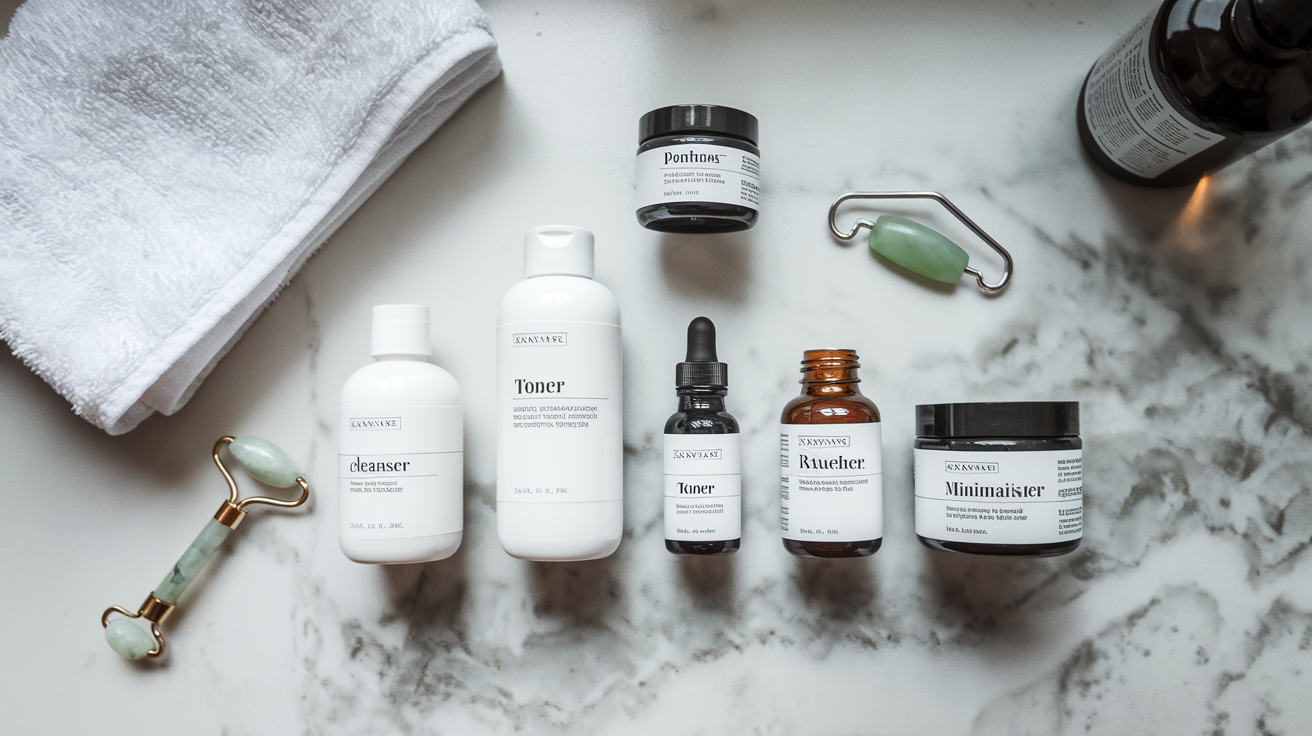
Step 1: Cleanser. Start with a gentle cleanser to remove any overnight buildup. Pat your face dry, but leave the skin slightly damp.
Step 2: Toner or essence (optional). If you use a hydrating toner, apply it now. This preps your skin to absorb what comes next.
Step 3: Serum. Apply your lightweight serums—vitamin C, hyaluronic acid, whatever you're using. Let them sink in for about 30 seconds.
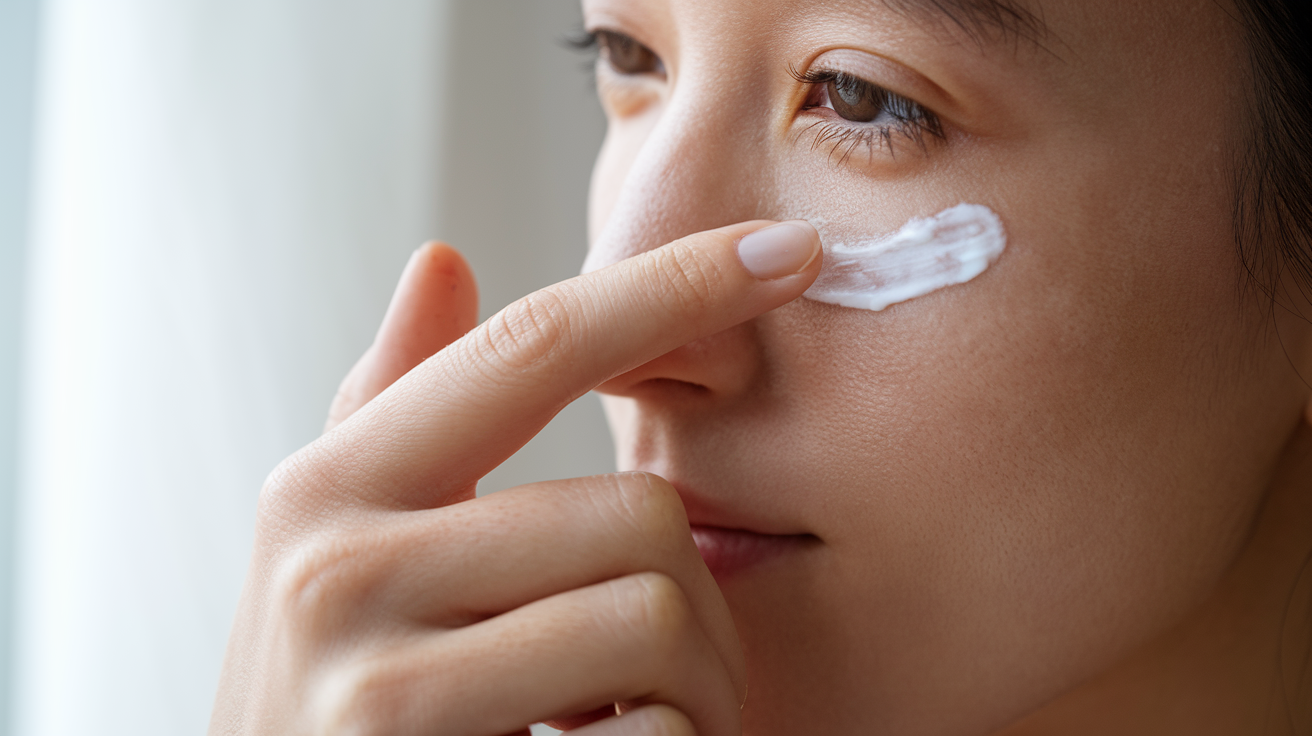
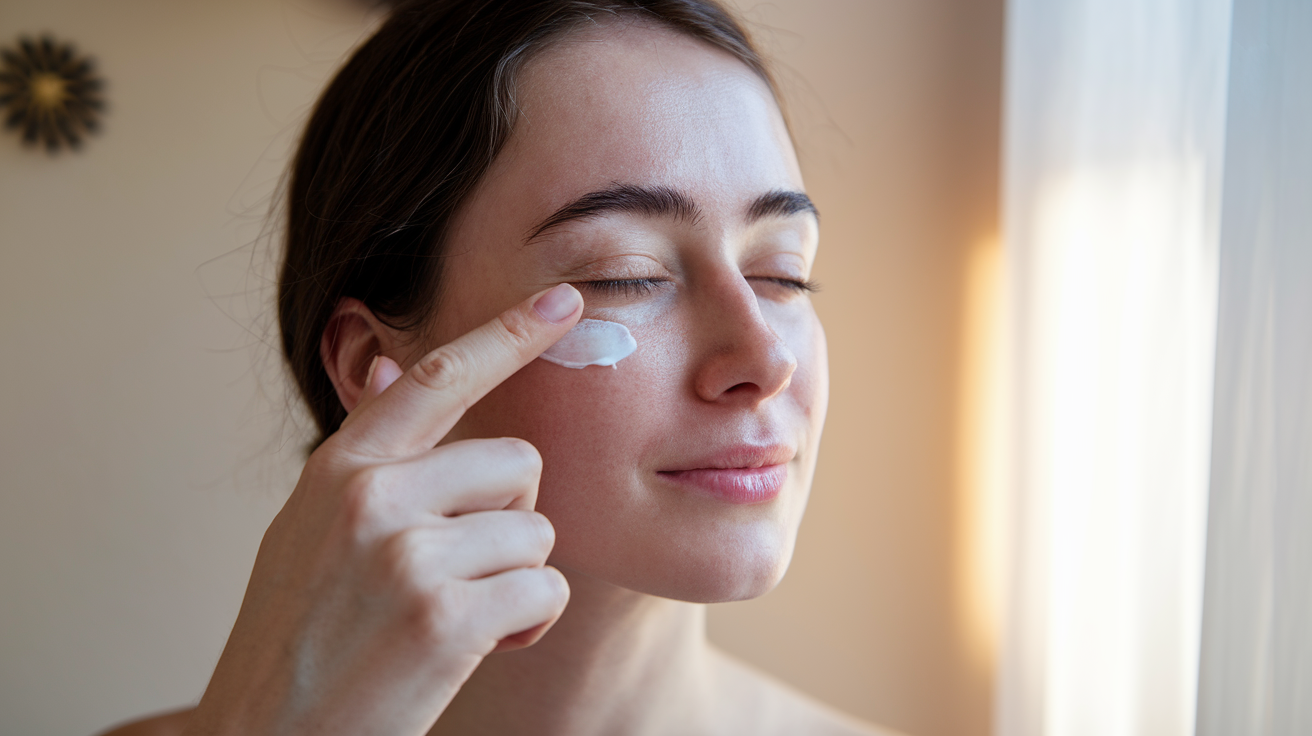
Step 4: Eye cream. Now it's time. Use your ring finger to gently tap a small amount of eye cream along the orbital bone, starting from the inner corner and moving outward. Avoid pulling or rubbing. Let it absorb for a minute or two.
Step 5: Moisturizer. Follow with your face moisturizer, but avoid the immediate eye area since you've already treated it.
Step 6: SPF. Always finish with sunscreen. The under-eye area needs sun protection just like the rest of your face.
If you're applying makeup, wait a few minutes after sunscreen so everything sets. This prevents pilling and gives you a smoother canvas.
One quick tip: if your morning eye cream has a lighter texture (like a gel), it's perfect for this time of day. Heavier creams can sometimes feel too rich under concealer. For more guidance on choosing the right formula, check out this affiliate one for detailed recommendations.
Tired of seeing under-eye lines before you see yourself?
If the tiny creases under your eyes make you look more tired than you feel, this guide shows the simple under-eye routine that helps soften the look of dry lines, crepey texture, and tired skin without guessing or wasting weeks on random products.
Night Routine: When Eye Cream Works Best
Nighttime is when your skin does its heaviest lifting. Cell turnover peaks while you sleep, which makes your PM routine the ideal time to use richer, more intensive eye creams.
Here's how to time it:
Step 1: Double cleanse (if wearing makeup or SPF). Start with an oil-based cleanser, then follow with a gentle water-based cleanser. This removes everything without stripping your skin.
Step 2: Toner or treatment essence. Apply any hydrating or pH-balancing toners now.
Step 3: Active treatments (if using). If you're using retinol, peptides, or other active serums, apply them now—but avoid the immediate eye area unless your product is specifically formulated for it.
Step 4: Eye cream. This is where your richer, more emollient eye cream comes in. Tap it gently around the orbital bone. At night, you can use a slightly heavier texture since you don't need to worry about makeup or pilling.
Step 5: Moisturizer or night cream. Seal everything in with a nourishing face moisturizer, again avoiding the direct eye area.
Step 6: Facial oil (optional). If you use a facial oil, this goes last. It locks in all the layers beneath it.
The key difference at night? You're not rushing. Give each layer time to absorb, especially if you're using active ingredients. And if you're using retinol on your face, be extra cautious around the eyes—some people find it migrates and causes sensitivity. That's another reason a dedicated eye cream matters.
If you're still figuring out which products work best at night, this affiliate one offers helpful breakdowns for different skin concerns.
Common Timing Mistakes That Reduce Eye Cream Effectiveness
Even if you're using a great eye cream, these timing mistakes can sabotage your results:
Applying it after moisturizer. This is the most common mistake. Once you've applied a thick moisturizer, your eye cream can't penetrate effectively. Always apply eye cream before your face moisturizer.
Using it on dry skin. Slightly damp skin absorbs product better. If your face is completely dry, your eye cream might just sit on the surface. Pat it on within a minute or two of cleansing or applying toner.
Skipping it in the morning. Some people only use eye cream at night, thinking that's enough. But the under-eye area benefits from morning hydration and protection, especially if you're wearing makeup or spending time in the sun.
Layering too many products on top. If you're piling on serum after serum before your eye cream, you're diluting its effectiveness. Stick to one or two lightweight serums max, then move to your eye cream.
Applying it too close to your lash line. Eye cream should go on the orbital bone, not directly on your eyelid or lash line. Applying it too close can cause irritation or migrate into your eyes, making them feel uncomfortable.
Not giving it time to absorb. Rushing through your routine means your products don't have time to settle. Give your eye cream at least 60 seconds before moving to the next step, especially in the morning before makeup.
Using the wrong texture for the time of day. Heavy creams in the morning can feel greasy under makeup. Save those for bedtime and use lighter gels or lotions during the day.
One more thing: consistency matters more than perfection. Using your eye cream at the right time every day will give you better results than using the fanciest formula sporadically. Build the habit, nail the timing, and let the routine do the work.
Your under-eye area doesn't ask for much—just the right care at the right moment. Now you know exactly when that is.