Disclosure: This post contains affiliate links. We may earn a commission at no extra cost to you.
When Should You Start Using Eye Cream? The Age-by-Age Guide
Are you wondering if you're too young to start using eye cream—or maybe worrying you've waited too long?
The truth is, there's no magic number when it comes to starting an eye cream routine. But understanding what happens to the delicate skin around your eyes as you age can help you make smarter choices about when to begin and what to look for at every stage.
This guide breaks down the age-by-age approach to eye cream so you can start at the right time with the right ingredients.
Why the Eye Area Ages Faster Than Other Skin
The skin around your eyes is thinner than the rest of your face—about half the thickness, actually. That means it shows signs of aging sooner.
This area also has fewer oil glands, which makes it more prone to dryness. When skin gets dry, fine lines become more visible. Add in constant movement from blinking, squinting, and smiling, and you have a recipe for early texture changes.
Sun exposure plays a huge role too. UV rays break down collagen and elastin over time, which can make the under-eye area look crepey or less firm. Even if you wear sunscreen on your face, many people skip the eye area or don't reapply often enough.
Lack of sleep, dehydration, and screen time can all make the skin around your eyes look more tired. Dark circles and puffiness add to that fatigued appearance, even when you're well-rested.
Because this area is so fragile, it benefits from targeted care earlier than other parts of your face.
The Ideal Age to Start Your Eye Cream Routine
Most dermatologists suggest starting an eye cream in your mid-20s, especially if you're noticing dryness or spend a lot of time in the sun.
In your 20s, the goal is prevention and hydration. You don't need heavy anti-aging formulas yet. A lightweight eye cream with hydrating ingredients like hyaluronic acid or peptides can help keep the skin soft and plump-looking.
By your 30s, you might start seeing the first fine lines or a bit of crepiness when you smile. This is when you can add in ingredients like retinol, vitamin C, or niacinamide to support smoother-looking skin.
In your 40s and beyond, the skin around your eyes may lose firmness and elasticity. Richer formulas with ceramides, antioxidants, and gentle retinoids can help reduce the appearance of deeper lines and support the skin barrier.
But here's the thing: if you're in your 30s or 40s and haven't started yet, it's not too late. Consistency matters more than when you begin.
Tired of seeing under-eye lines before you see yourself?
If the tiny creases under your eyes make you look more tired than you feel, this guide shows the simple under-eye routine that helps soften the look of dry lines, crepey texture, and tired skin without guessing or wasting weeks on random products.
What to Look for in Your First Eye Cream
If you're just starting out, keep it simple. Look for a formula that hydrates without feeling heavy or greasy.
Hyaluronic acid is a great first ingredient. It draws moisture into the skin and helps it look plumper and smoother. Peptides are another gentle option that support the skin's natural structure over time.
Caffeine can help reduce the appearance of puffiness by temporarily constricting blood vessels. If you wake up with puffy eyes, this can make a noticeable difference.
Niacinamide is a multi-tasker that helps with hydration, uneven tone, and the appearance of fine lines. It's gentle enough for sensitive skin and works well with other ingredients.
Avoid anything too harsh or heavily fragranced. The eye area is sensitive, and strong actives can cause irritation or redness.
If you want a straightforward starting point, check out this affiliate one that walks you through building a beginner-friendly routine.
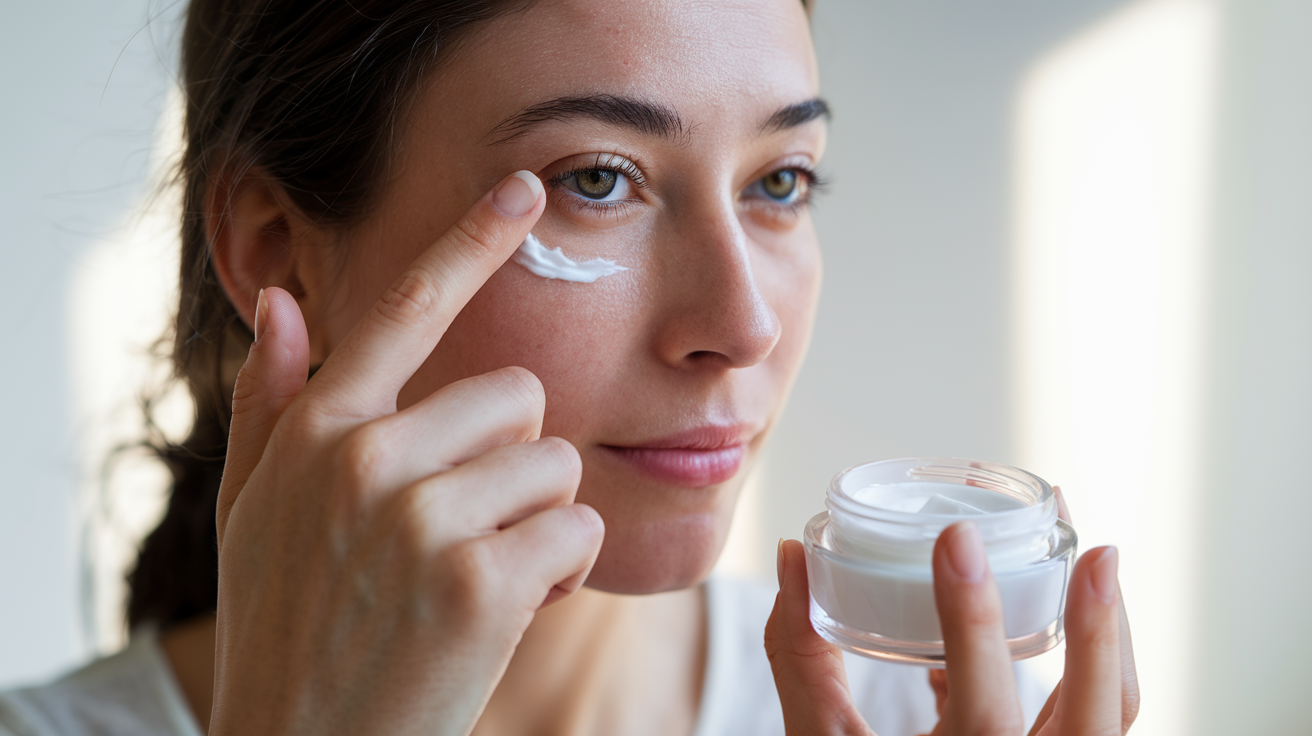
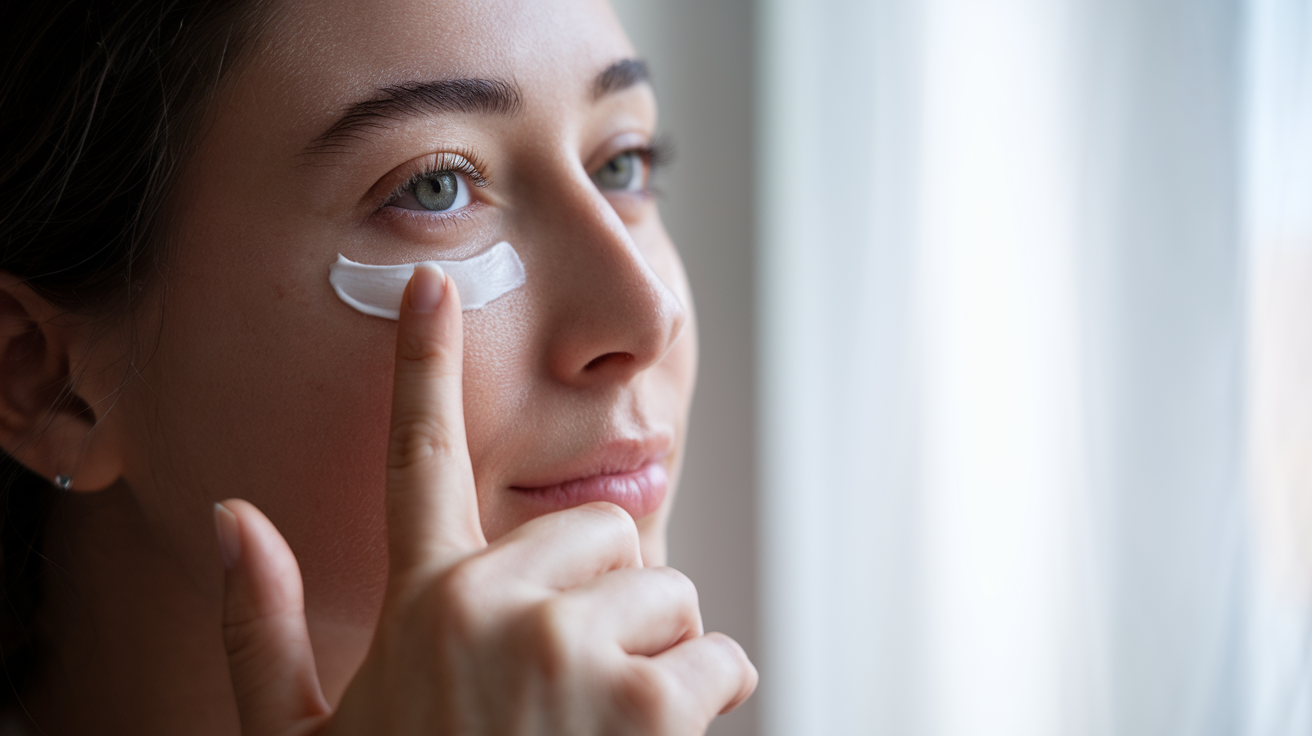
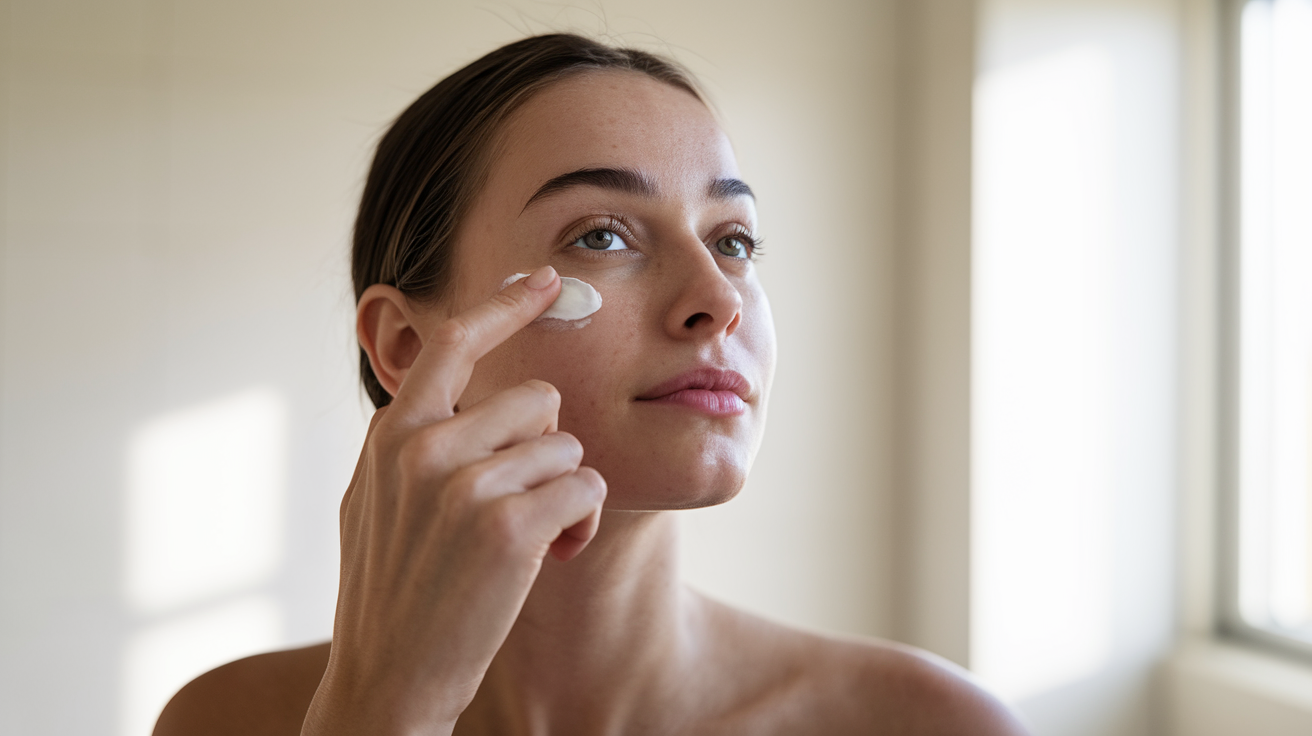
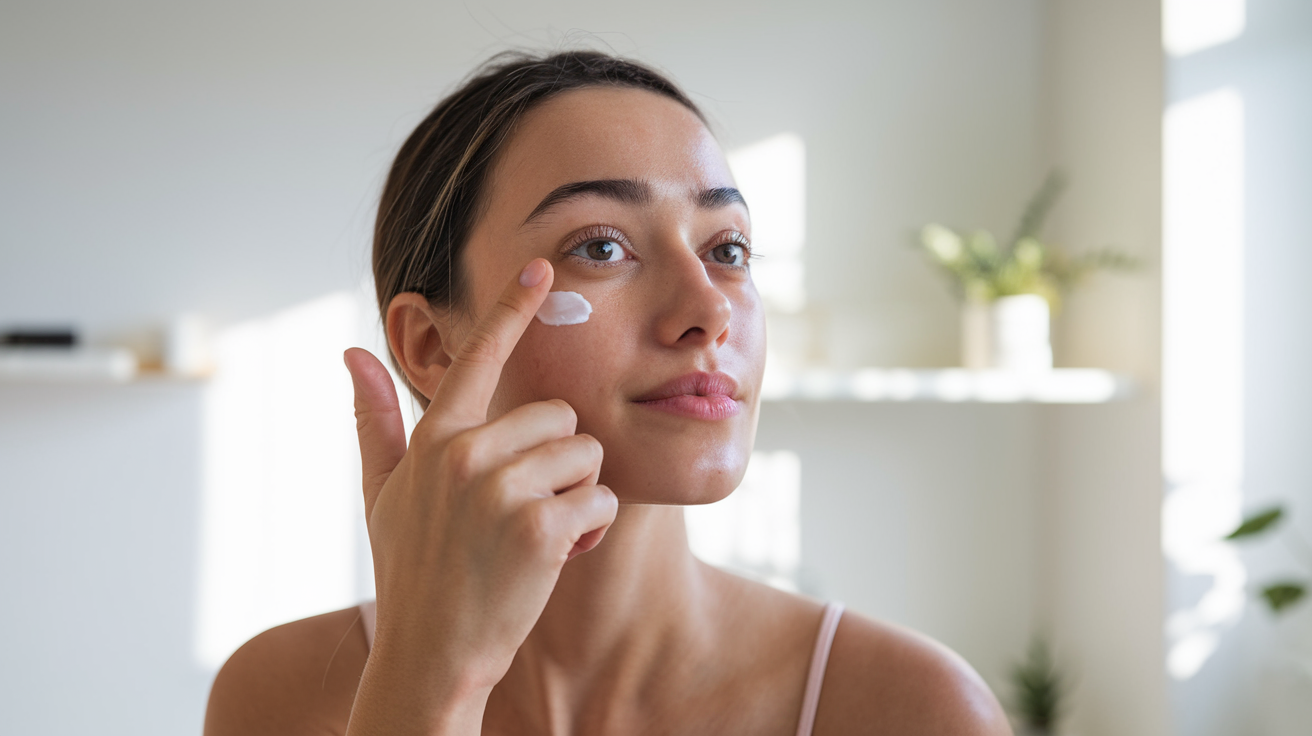
Apply your eye cream gently using your ring finger, which applies the least pressure. Pat it around the orbital bone, not directly on the eyelid, and let it absorb before adding other products.
How Your Eye Cream Needs Change with Age
As you get older, your skin's needs shift. What worked in your 20s might not be enough in your 40s.
In your 20s, focus on hydration and sun protection. A lightweight cream with SPF during the day and a hydrating formula at night is usually enough.
In your 30s, you can introduce gentle retinol or bakuchiol to support cell turnover and reduce the appearance of early fine lines. Vitamin C can help brighten the under-eye area and even out tone.
In your 40s and 50s, look for richer textures with ceramides and fatty acids to support the skin barrier. Retinol can still be helpful, but you may want a lower percentage or a time-release formula to avoid irritation.
If you're dealing with crepey texture or deeper lines, consider a formula with growth factors or antioxidants like resveratrol or CoQ10. These ingredients help support the skin's natural repair process.
You might also want to layer products—using a serum first, then a cream. This gives you more targeted treatment without overloading the skin.
For a detailed breakdown of what to use at each stage, this affiliate one offers age-specific recommendations and product tips.
Remember, the best eye cream is the one you'll actually use. Consistency beats perfection every time.
Start where you are, choose products that feel good on your skin, and give them time to work. The under-eye area responds well to gentle, regular care—and it's never too early or too late to begin.