Disclosure: This post contains affiliate links. We may earn a commission at no extra cost to you.
When Should You Start Using Eye Cream? Age-Based Guide for Prevention
Published August 3, 2026
Have you ever wondered if you're too young—or too late—to start using eye cream? The truth is, there's no magic number, but the sooner you start caring for the delicate skin around your eyes, the better your chances of keeping it looking smooth and refreshed. Whether you're noticing your first fine lines or dealing with deeper creases and crepey texture, the right approach for your age can make all the difference. Let's break down exactly when and how to start, based on where you are right now.
Why the Eye Area Ages Differently Than Your Face
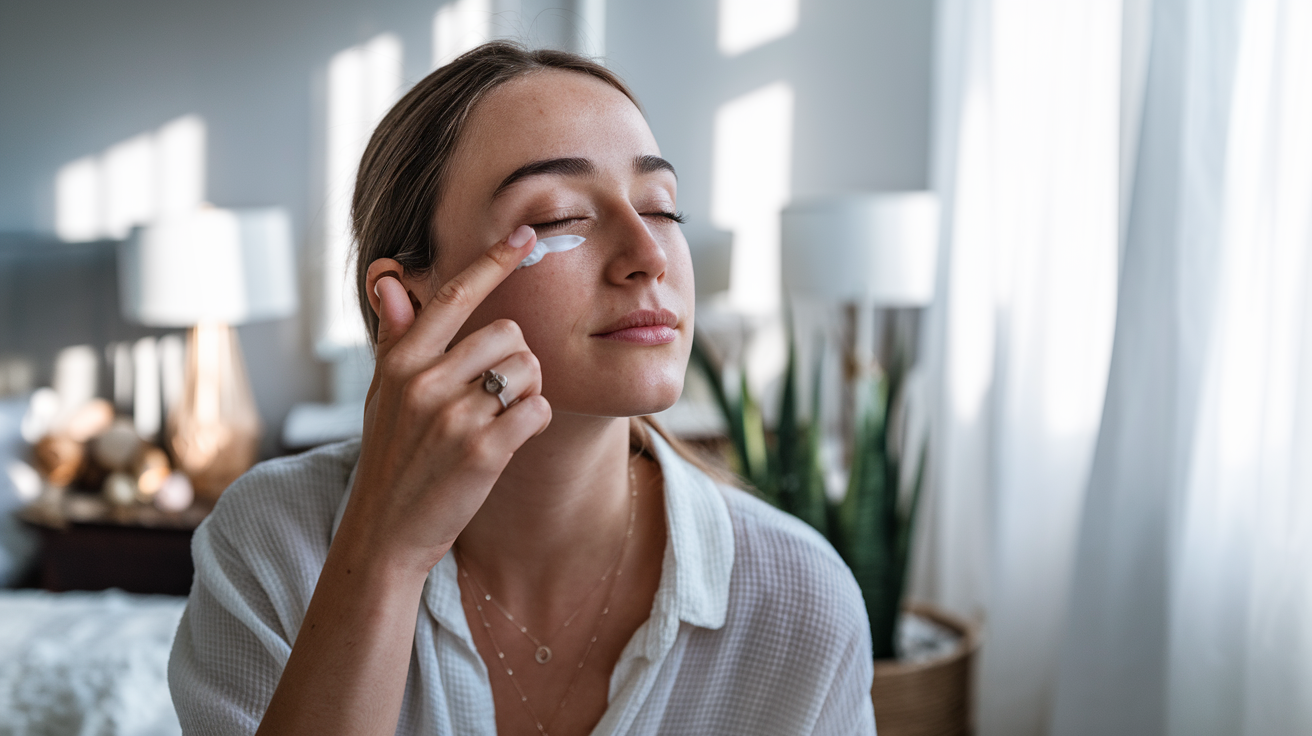
The skin under your eyes is fundamentally different from the rest of your face. It's about ten times thinner, which means it loses moisture faster and shows signs of aging sooner.
This area also has very few oil glands. While your forehead and cheeks produce natural oils that help keep skin plump and protected, the under-eye zone doesn't have that same built-in defense. That's why dryness, fine lines, and a papery texture often appear here first.
Add constant movement—blinking happens around 15,000 times a day—and you've got a recipe for early creasing. Squinting, rubbing, and even sleeping on your side can all contribute to the formation of lines and folds over time.
The delicate nature of this skin also means it's more vulnerable to environmental damage. UV exposure, pollution, and even harsh skincare products can accelerate the aging process around the eyes faster than anywhere else on your face.
Understanding these differences helps explain why targeted eye care matters, and why a general face moisturizer often isn't enough to address the unique needs of this area.
Starting Eye Cream in Your 20s: Prevention is Key
Your 20s are the ideal time to start using eye cream, even if you don't see any visible signs of aging yet. Think of it as maintenance, not correction.
At this stage, your skin still produces plenty of collagen and elastin, so the goal is simple: keep it hydrated and protect it from damage. A lightweight eye cream with hydrating ingredients like hyaluronic acid or glycerin works beautifully here.
You don't need heavy formulas or intensive treatments. Just something that locks in moisture and creates a smooth base under makeup. Many people in their 20s notice that regular eye cream use helps reduce puffiness in the morning and keeps the under-eye area looking bright.
If you're spending time in the sun, consider an eye cream with SPF or make sure your sunscreen extends to your eye area. Sun damage is one of the biggest contributors to premature aging, and the sooner you protect this thin skin, the better.
Consistency matters more than expensive formulas at this age. Even a simple, affordable eye cream used every morning can help support your skin's natural moisture barrier and keep it looking fresh.
Tired of seeing under-eye lines before you see yourself?
If the tiny creases under your eyes make you look more tired than you feel, this guide shows the simple under-eye routine that helps soften the look of dry lines, crepey texture, and tired skin without guessing or wasting weeks on random products.
Eye Cream in Your 30s and 40s: Targeting Early Signs
Once you hit your 30s, you'll likely start noticing subtle changes. Fine lines become more visible when you smile, and the skin may look a bit thinner or less bouncy than it used to.
This is when it's time to step up your routine with targeted ingredients. Look for eye creams that contain peptides, which help support the skin's natural structure, or antioxidants like vitamin C and niacinamide, which can help brighten and smooth the appearance of the under-eye area.
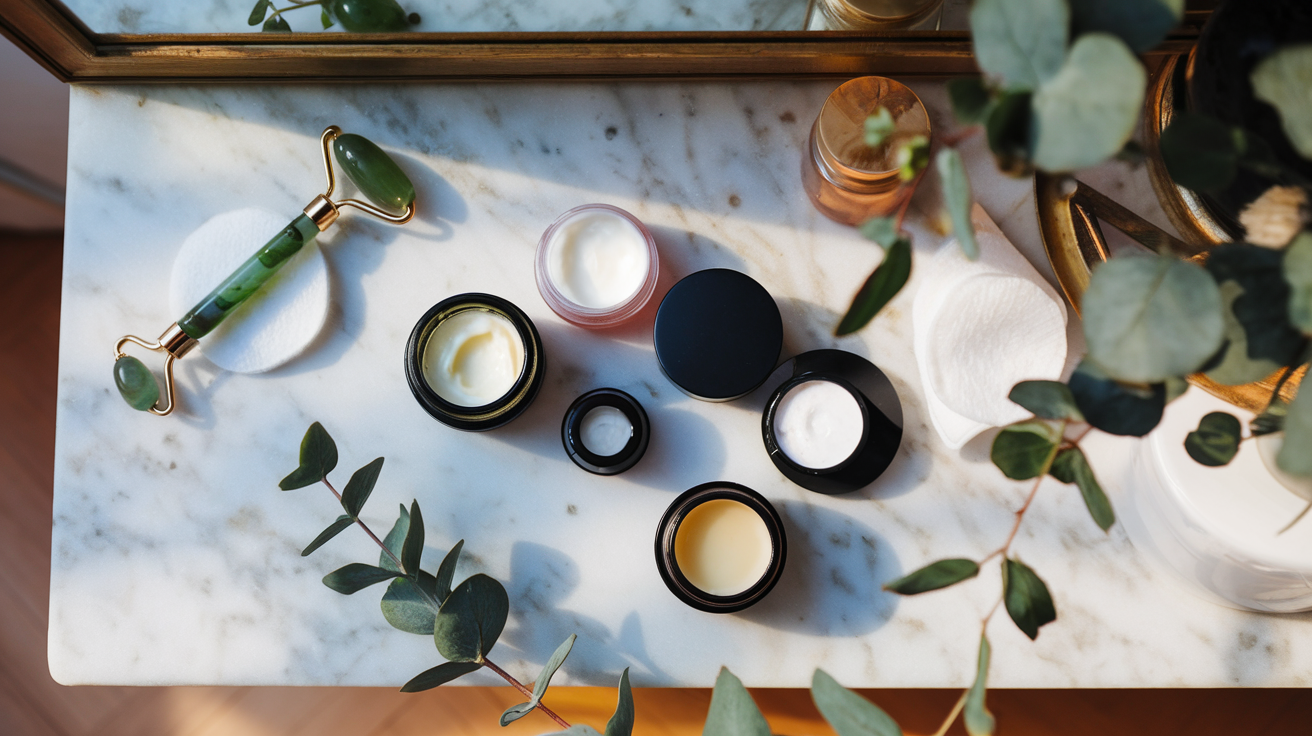
Retinol is another ingredient worth considering in your 30s and 40s, but it's important to start slowly. The skin around the eyes is sensitive, so a gentle retinol formula designed specifically for this area is your best bet. Some people see smoother-looking skin and a reduction in the appearance of fine lines after a few months of consistent use.
Hydration is still critical, but now you'll want richer textures that deliver deeper moisture. Ingredients like ceramides, squalane, and shea butter help reinforce the skin's barrier and reduce the look of dryness and crepiness.
If you're not sure where to start, check out this affiliate one for more specific recommendations based on your skin type and concerns.
In your 40s, you might also notice changes in texture or a slight hollowing under the eyes. While eye cream can't change bone structure, the right formula can help plump the surface layer of skin and make the area look more rested.
Layering can also be helpful during this stage. Apply a hydrating serum first, then follow with a nourishing eye cream to lock everything in. This combo can help address multiple concerns at once, from dryness to the appearance of fine lines.
Beyond 50: Intensive Treatment and What Really Works
After 50, the skin around your eyes typically needs more support. Collagen production slows down significantly, and the skin becomes thinner, drier, and more prone to sagging and deeper creasing.
At this stage, intensive treatment formulas make the most sense. Look for eye creams with higher concentrations of active ingredients like retinol, peptides, and growth factors. These can help improve the overall texture and tone of the skin, making it look smoother and less tired.
Rich, emollient textures are your friend now. Ingredients like shea butter, plant oils, and hyaluronic acid in multiple molecular weights can provide the deep hydration and cushioning that mature skin needs.
Some people also benefit from adding an eye mask or overnight treatment into their routine a few times a week. These products are designed to deliver concentrated moisture and active ingredients while you sleep, helping to soften the appearance of crepey texture and fine lines.
If you're dealing with significant concerns like deep creases or sagging, consider consulting a dermatologist. They can recommend professional treatments like laser therapy or microneedling that work alongside your at-home routine.
For a complete breakdown of effective ingredients and routines for mature under-eye skin, this affiliate one offers a helpful starting point.
Remember, consistency is everything. Even the best eye cream won't work if you only use it once in a while. Make it part of your morning and evening routine, and give it at least a few weeks to start seeing visible improvements in texture and hydration.
No matter your age, the most important thing is to start where you are. Whether you're preventing early signs in your 20s or addressing deeper concerns in your 50s and beyond, a targeted eye cream can help support healthier, smoother-looking skin around your eyes.