Disclosure: This post contains affiliate links. We may earn a commission at no extra cost to you.
What Does Eye Cream Consistency Tell You About Its Effectiveness?
Have you ever wondered why some eye creams feel like butter while others are practically water? The texture of your eye cream isn't just about how it feels on your skin. It actually reveals a lot about what it's designed to do and whether it's the right match for your specific under-eye concerns.

Most of us pick eye creams based on claims or price tags, but understanding consistency can help you skip products that won't work for your skin and zero in on the ones that actually address what you're dealing with.
Why Eye Cream Texture Matters More Than You Think
The consistency of an eye cream isn't random. It's directly tied to the ingredients, delivery system, and the skin issues it targets.
Thicker creams typically contain more emollients and occlusives like shea butter, ceramides, or petrolatum. These ingredients create a barrier on the skin to lock in moisture, making them ideal for dry or crepey under-eye skin that needs serious hydration support.
Lighter gels and serums, on the other hand, tend to have more water-based actives like caffeine, peptides, or hyaluronic acid. They absorb quickly and work well for puffiness or when you need something that won't interfere with makeup.
If you've ever tried a heavy cream and woken up with milia or puffiness, or used a gel that did absolutely nothing for your dryness, the texture was probably the mismatch, not the brand.
Understanding this connection helps you make smarter choices without wasting money or time on products that weren't designed for your skin in the first place.
Decoding Different Eye Cream Consistencies and Their Benefits
Let's break down the most common eye cream textures and what they're actually good for.
Rich balms and butter-like creams: These are the heaviest textures. They feel thick, sometimes almost waxy, and take a moment to absorb. They're packed with nourishing oils and lipids that help soften the appearance of dry lines and support the skin's moisture barrier. If your under-eye area feels tight, flaky, or looks crepey, this texture can be your best friend, especially at night.
Classic creams: These have a medium weight—not too thick, not too thin. They usually blend emollients with humectants like glycerin or hyaluronic acid. This balance makes them versatile for people with normal to slightly dry skin who want hydration without heaviness. They work well morning and night.
Lightweight lotions: These spread easily and absorb faster than traditional creams. They're great if you want moisture but don't like the feeling of something sitting on your skin. They work well under makeup and are often a good match for combination skin.
Tired of seeing under-eye lines before you see yourself?
If the tiny creases under your eyes make you look more tired than you feel, this guide shows the simple under-eye routine that helps soften the look of dry lines, crepey texture, and tired skin without guessing or wasting weeks on random products.
Gel and gel-cream hybrids: These have a bouncy, cooling texture. They're typically water-based and absorb almost instantly. Gels are ideal for puffiness, oily skin, or hot climates. They often contain actives like caffeine or niacinamide that work on circulation and tone. Just know that gels alone may not provide enough moisture if dryness is your main concern.
Serum textures: These are thin, silky, and sometimes almost oily. Eye serums are concentrated with actives and are designed to penetrate quickly. They're excellent for layering under a cream or for people who want targeted treatment without a lot of product sitting on the skin. They're not always moisturizing on their own, so pairing them with a cream can be helpful.

How to Match Eye Cream Texture to Your Under Eye Concerns
Once you understand the textures, the next step is matching them to what you're actually seeing in the mirror.
If you're dealing with dryness and visible fine lines: Look for rich creams or balms. These textures help plump the skin with moisture and create a smoother-looking surface. Ingredients like squalane, shea butter, and ceramides work well in these formulas.
If puffiness is your main issue: Go for gels or lightweight serums. The cooling effect and fast absorption can help reduce the appearance of swelling. Caffeine and peptides are common in these formulas and may help with tired-looking eyes.
If you have oily or acne-prone skin: Stick with gel or serum textures. Heavy creams can clog pores or cause milia around the eyes. You still need hydration, but lighter textures work better without overwhelming the skin.
If you wear makeup daily: Choose lotions or gel-creams that absorb quickly and don't leave a greasy residue. These won't pill under concealer or cause makeup to slide around.
If your under-eye skin looks crepey or feels thin: Richer textures with nourishing oils and peptides can help support the skin's structure and create a smoother appearance over time. An affiliate one resource can walk you through layering strategies for mature under-eye skin.
If you're not sure what you need: Start with a medium-weight cream and adjust from there. Pay attention to how your skin feels after a few days. If it still looks dry, go richer. If it feels heavy or causes puffiness, go lighter.
The Right Way to Apply Different Eye Cream Textures
Even the best-matched texture won't work if you're applying it incorrectly.
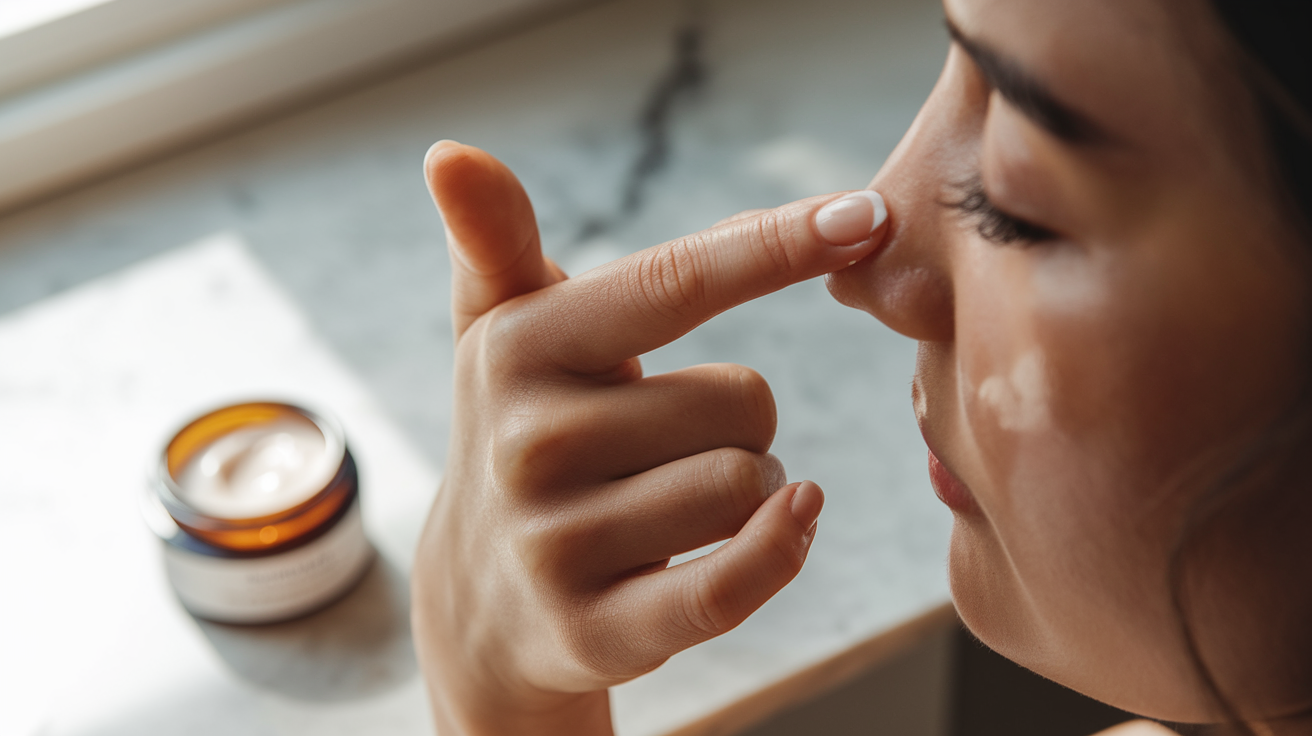
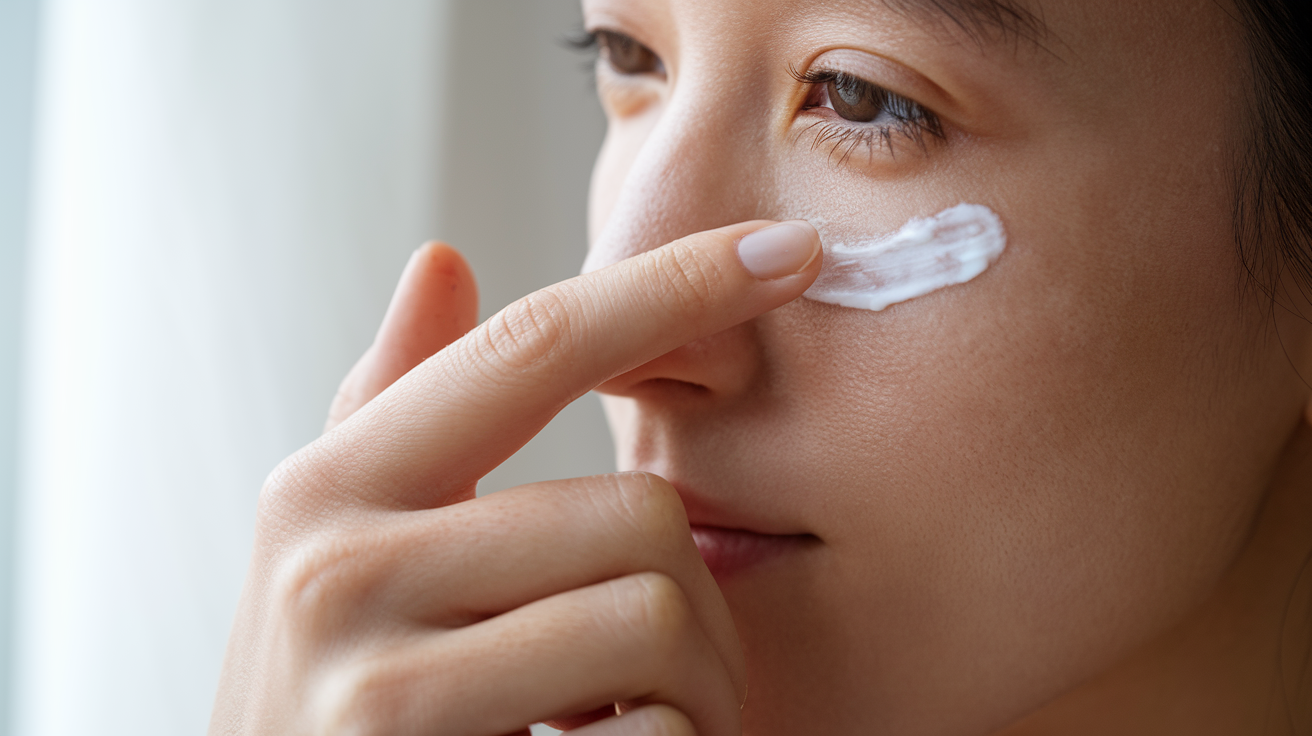
For rich creams and balms: Use your ring finger and gently press the product into the skin rather than rubbing. Start at the inner corner and move outward along the orbital bone. A little goes a long way with these textures, so use a rice grain-sized amount per eye.
For gels and serums: Pat them on gently with your fingertips. These textures absorb fast, so you don't need much pressure. You can also apply them over a damp face for better absorption.
For creams and lotions: Warm the product between your fingers first, then gently tap it around the eye area. Avoid pulling or dragging the delicate skin.
Timing also matters. If you're layering multiple products, apply thinnest to thickest. So serums first, then creams. If you're using a heavy balm at night, that should be your last step.
And don't forget: consistency in application matters just as much as the consistency of the product itself. Using the right texture daily will always give you better results than using the perfect product sporadically.
If you're still figuring out which textures work best for your routine, affiliate one can help you build a simple, effective under-eye care plan that makes sense for your skin.
The takeaway? Texture isn't just about feel. It's a clue to how a product works, what it's designed to do, and whether it's right for you. Once you learn to read it, shopping for eye cream gets a whole lot easier.