Disclosure: This post contains affiliate links. We may earn a commission at no extra cost to you.
What Age Should You Start Using Eye Cream? Expert Timeline
Published July 23, 2026
Are you staring at the eye cream aisle wondering if you're too young, too late, or exactly on time? You're not alone. The question of when to start using eye cream confuses almost everyone, and there's a good reason why: the answer isn't the same for everyone. Your skin, lifestyle, genetics, and daily habits all play a role in when your under-eye area might benefit from targeted care. But there's good news—understanding the general timeline can help you make a choice that feels right for where you are now.
Your 20s: Prevention Is Key
In your twenties, your skin is still producing collagen at a healthy rate. The under-eye area looks plump, bouncy, and resilient. But that doesn't mean you should skip eye care entirely.
This is the decade to focus on prevention. Late nights, screen time, sun exposure, and even sleeping on your side can start to affect the delicate skin around your eyes earlier than you think. Fine lines from dehydration or expression can begin to appear, especially if you spend hours squinting at a laptop or phone.
Look for lightweight formulas with hydrating ingredients like hyaluronic acid, peptides, or niacinamide. These help keep the skin barrier healthy and support moisture retention without feeling heavy. You don't need intensive formulas yet—just consistent, gentle care.
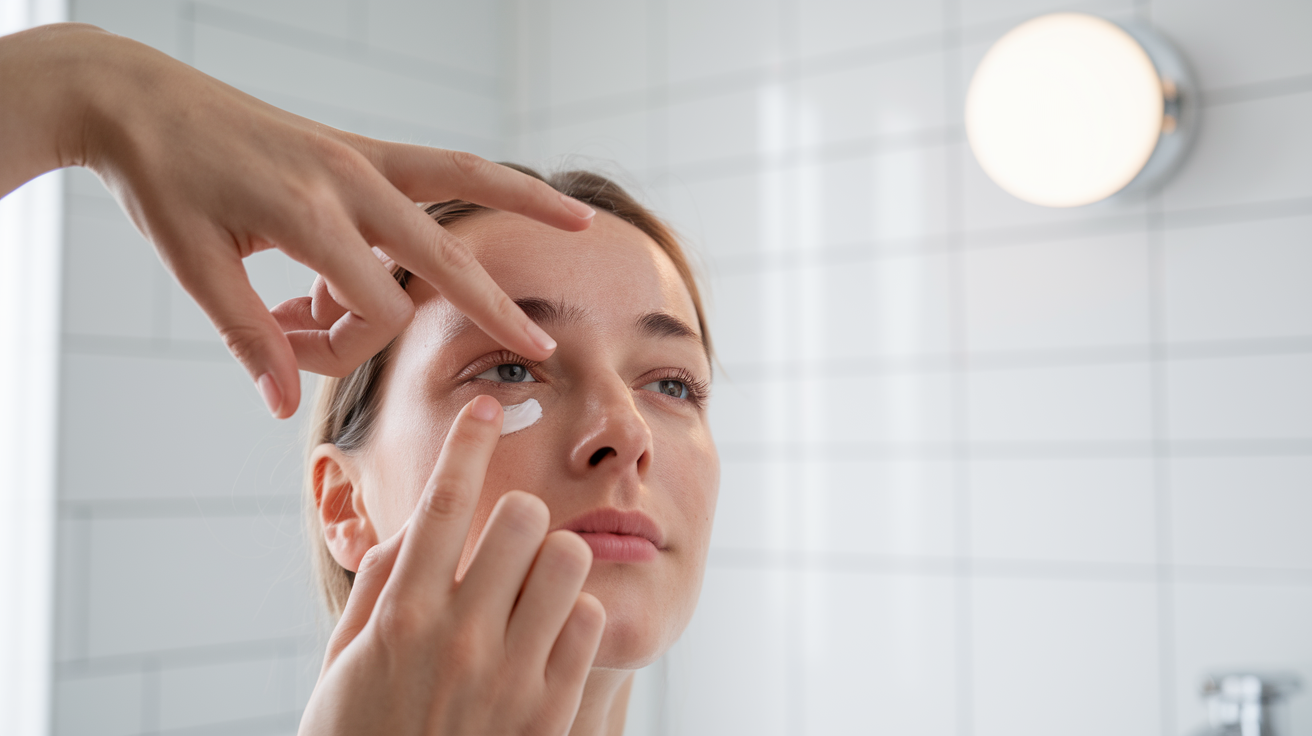
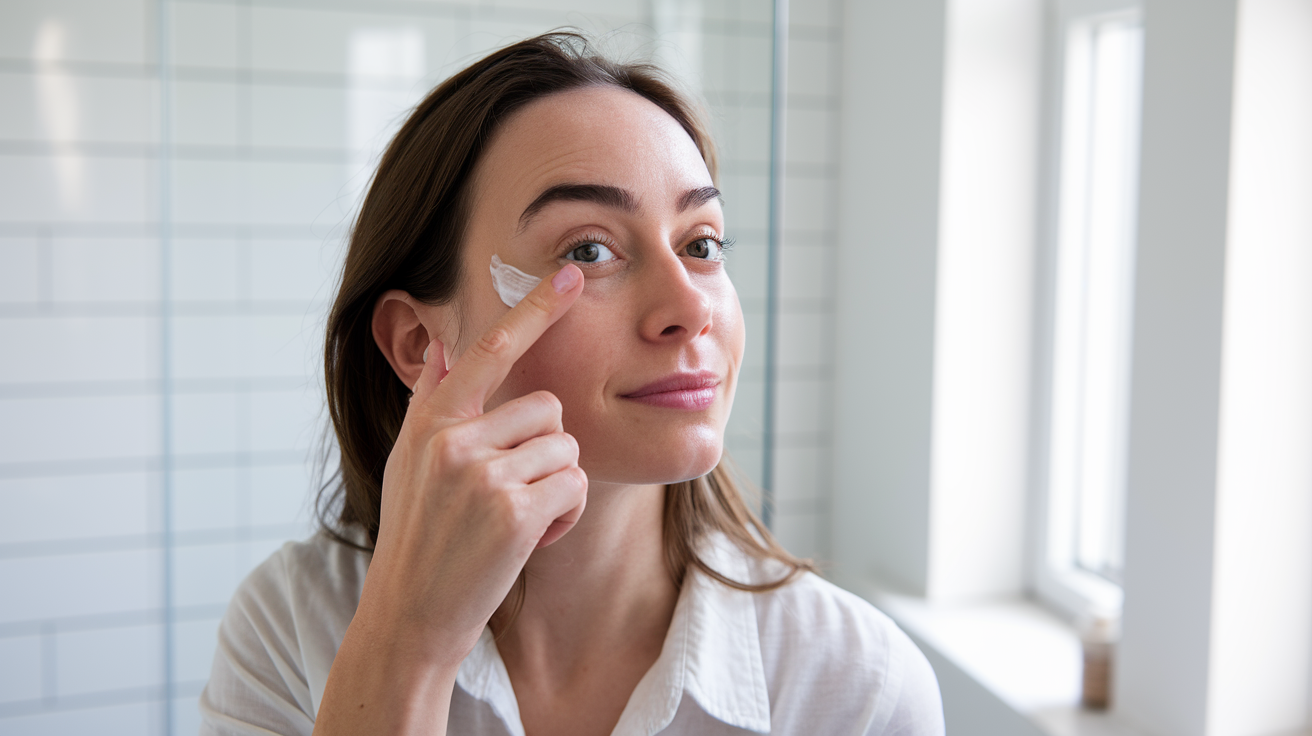
Apply eye cream morning and night using your ring finger, which applies the least pressure. Pat gently along the orbital bone, never tugging or pulling. This simple habit now can help support smoother-looking skin later.
Tired of seeing under-eye lines before you see yourself?
If the tiny creases under your eyes make you look more tired than you feel, this guide shows the simple under-eye routine that helps soften the look of dry lines, crepey texture, and tired skin without guessing or wasting weeks on random products.
Your 30s: Target Early Signs
Your thirties are when most people start noticing the first visible changes. Maybe you see a faint crease that doesn't smooth out as quickly in the morning. Or the skin under your eyes looks a little thinner, a bit more shadowed, or slightly crepey when you smile.
This is the time to move from prevention to active support. Your skin is still resilient, but collagen production starts slowing down. The fat pads under your eyes may begin to shift slightly, and the skin loses some of its natural cushioning.
Look for eye creams with retinol, caffeine, vitamin C, or growth factors. Retinol helps encourage cell turnover and can support a smoother-looking texture over time. Caffeine may help reduce the appearance of puffiness. Vitamin C brightens and supports skin tone.
If you're new to retinol around the eyes, start slowly—once or twice a week—and build up as your skin adjusts. Always use sunscreen during the day, as retinol can make skin more sensitive to UV exposure.
Consistency matters more than potency at this stage. A gentle formula used every day will work better than a strong product used sporadically. For a affiliate one, you'll find targeted routines that match your skin's current needs without overwhelming it.
Your 40s and Beyond: Intensive Care
By your forties, the under-eye area has typically experienced years of movement, sun exposure, and natural aging. Fine lines may look deeper. The skin may feel thinner, drier, or less bouncy. Dark circles might become more noticeable as the skin becomes more translucent.
This is when richer, more intensive formulas make sense. Look for eye creams with ceramides, peptides, squalane, shea butter, or advanced antioxidants. These ingredients help support the skin barrier, provide deeper hydration, and may help reduce the appearance of fine lines and crepey texture.
You might also consider layering products—a hydrating serum followed by a richer cream. Some people benefit from using a lighter gel in the morning to prep for makeup and a thicker balm at night for overnight nourishment.
At this stage, professional treatments like gentle chemical peels, microneedling, or LED therapy may also complement your at-home routine. Always consult with a dermatologist or licensed esthetician before starting any in-office treatments.
Remember, the goal isn't to erase time—it's to support healthier-looking, more comfortable skin that feels like yours.
Choosing the Right Formula for Your Age
Age is just one factor. Your skin type, lifestyle, and concerns matter just as much.
If you have oily or acne-prone skin, choose lightweight gels or serums that won't clog pores. If you have dry or sensitive skin, look for fragrance-free creams with soothing ingredients like colloidal oatmeal or allantoin.
If puffiness is your main concern, caffeine-based formulas may help reduce the appearance of swelling. If dark circles bother you, look for brightening ingredients like niacinamide or licorice root extract. For fine lines and texture, peptides and retinol are solid choices.
Don't be swayed by packaging or price alone. A well-formulated drugstore eye cream can work just as well as a luxury option if the ingredients match your needs. Read labels, patch test new products, and give each formula at least four to six weeks before deciding if it's working for you.
For personalized guidance on pairing the right products with your current routine, check out this affiliate one that breaks down exactly what to use and when.
The bottom line? There's no magic age to start using eye cream. Some people benefit in their early twenties. Others don't feel the need until their thirties or forties. Listen to your skin, pay attention to what it's telling you, and choose products that support how you want to feel when you look in the mirror.
Starting early with gentle care can help maintain smoother-looking skin. Starting later with targeted ingredients can help soften the appearance of existing concerns. Either way, consistency and the right formula for your age and skin type make all the difference.