Disclosure: This post contains affiliate links. We may earn a commission at no extra cost to you.
When to Apply Eye Cream: Morning or Night for Maximum Anti-Aging Results
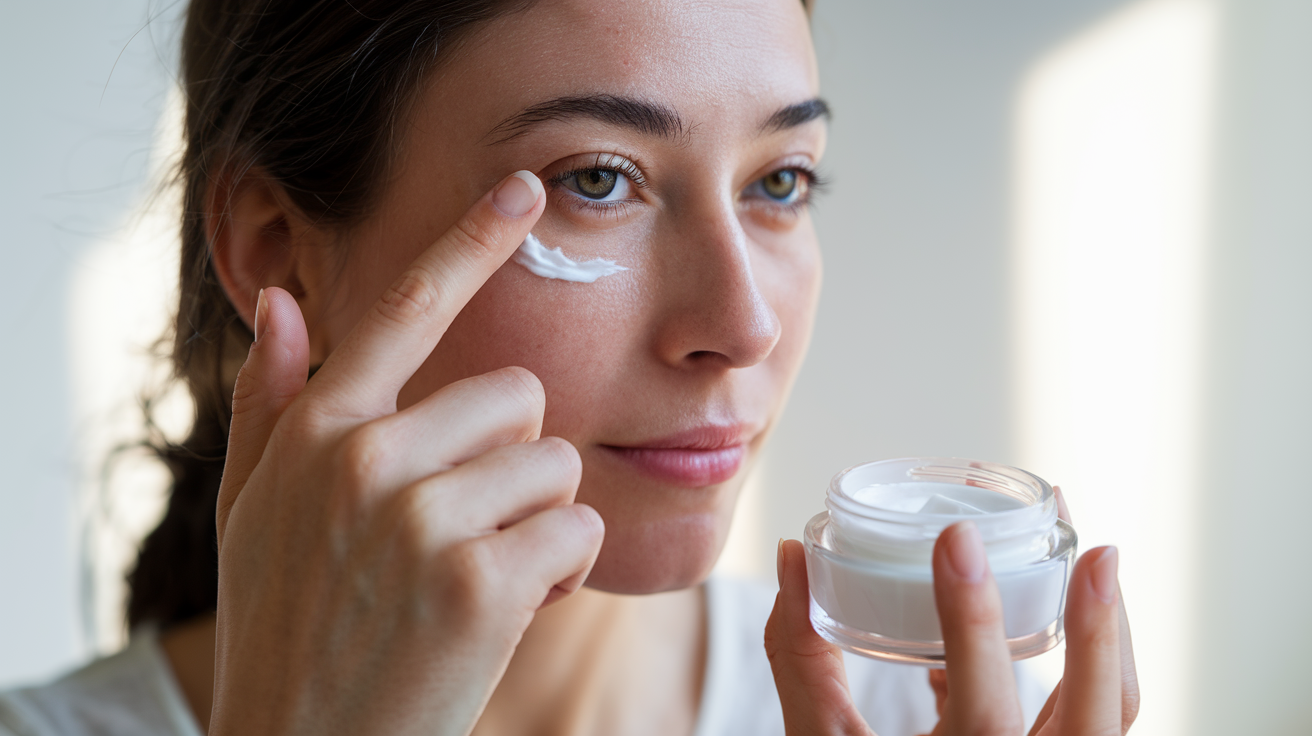
Should you apply eye cream in the morning, at night, or both? If you've been wondering whether timing actually matters for your anti-aging eye care routine, you're not alone. The delicate skin around your eyes has different needs throughout the day, and choosing the right time to apply your eye cream can make a noticeable difference in how your skin looks and feels over time.
The truth is, the best time to use eye cream isn't just one answer. It depends on what you're trying to address, what ingredients you're using, and how your skin behaves during the day versus overnight.
Why Timing Matters for Eye Cream Effectiveness
Your skin doesn't operate on a single schedule. During the day, the skin around your eyes faces environmental stressors like UV exposure, blue light from screens, pollution, and makeup. At night, your skin shifts into repair mode, working to recover from daily damage and renew itself.
This means the ingredients you apply in the morning should focus on protection, while nighttime products should support repair and hydration. Using the same eye cream morning and night isn't necessarily wrong, but it might not be the most strategic approach if you're serious about softening the appearance of fine lines and keeping the eye area looking smoother.
Certain ingredients also perform better at specific times. For example, caffeine-based eye creams work well in the morning to reduce the appearance of puffiness, while richer, more emollient formulas are ideal before bed when your skin can absorb them without interference from makeup or sunscreen.
Morning Eye Cream Application: Benefits and Best Products
Applying eye cream in the morning sets the foundation for how your under-eye area will look throughout the day. A lightweight, fast-absorbing formula works best because it won't interfere with concealer or cause makeup to slide or settle into fine lines.
Morning eye creams should include antioxidants like vitamin C, green tea, or niacinamide to help protect against environmental damage. Some formulas also include light-reflecting particles or tinted bases that instantly brighten the look of tired eyes, which can be helpful if you're dealing with dark circles or dullness.
If puffiness is your main concern, look for ingredients like caffeine or peptides that help reduce the appearance of swelling. These work quickly and give your eyes a more awake, refreshed look within minutes.
Always follow your morning eye cream with SPF. The skin around your eyes is thin and prone to sun damage, which contributes to the appearance of fine lines and crepey texture over time. Even if your eye cream contains SPF, layering a broad-spectrum sunscreen on top ensures better coverage.
Tired of seeing under-eye lines before you see yourself?
If the tiny creases under your eyes make you look more tired than you feel, this guide shows the simple under-eye routine that helps soften the look of dry lines, crepey texture, and tired skin without guessing or wasting weeks on random products.
Nighttime Eye Cream Routine: Repair While You Sleep
Nighttime is when your skin does its heaviest lifting. Cell turnover increases, collagen production ramps up, and moisture loss can peak if you're not using the right products. This makes evening the ideal time to apply richer, more treatment-focused eye creams.

Look for ingredients like retinol, peptides, hyaluronic acid, ceramides, and nourishing oils. Retinol is especially effective at night because it can make your skin more sensitive to sunlight. It helps support skin renewal and can reduce the appearance of fine lines and uneven texture over time when used consistently.
Peptides work overnight to support the skin's natural repair process, while hyaluronic acid draws moisture into the skin and helps plump the appearance of dry, crepey areas. Ceramides strengthen the skin barrier, which is crucial for keeping moisture locked in and preventing that tight, dehydrated feeling in the morning.
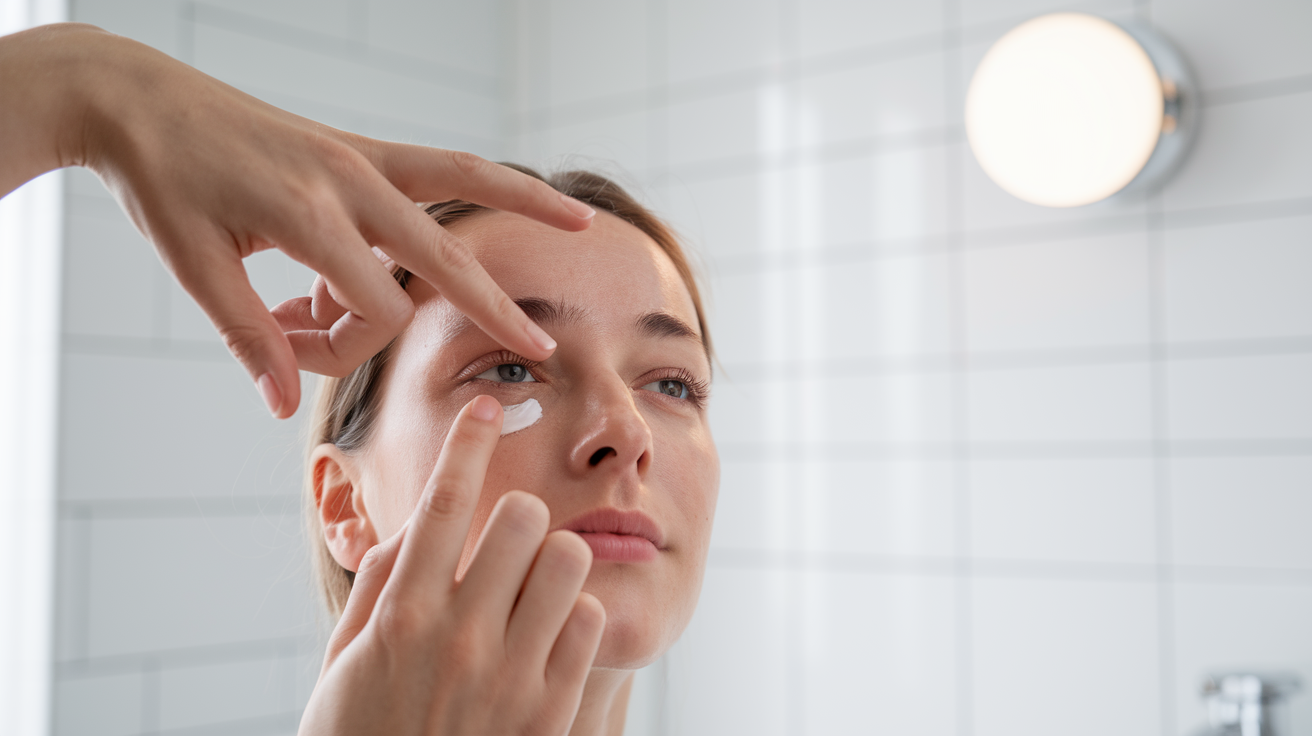
Apply your nighttime eye cream after cleansing and any serums, but before heavier moisturizers or oils. Use your ring finger to gently tap the product along the orbital bone, avoiding tugging or pulling on the delicate skin.
If you're new to active ingredients like retinol, start slow. Use it just two or three nights a week and gradually increase frequency as your skin adjusts. This approach minimizes the chance of irritation or dryness.
The Ultimate Strategy: Using Different Eye Creams AM and PM
The most effective anti-aging eye care routine uses two different products tailored to the specific needs of morning and night. This doesn't mean you need to buy the most expensive creams on the market, but it does mean being intentional about what you're applying and when.
In the morning, reach for a lightweight, protective formula with antioxidants and possibly caffeine. At night, switch to a richer, treatment-focused cream with retinol, peptides, or deeply hydrating ingredients. This dual approach addresses both prevention and repair, giving your eye area the best chance to look smoother and less tired over time.
For a deeper look at how to structure your entire under-eye routine from morning to night, check out this affiliate one that walks through product layering, ingredient timing, and common mistakes that can make fine lines look worse.
You don't need a dozen products or a complicated routine. Just two well-chosen eye creams used consistently at the right times can make a visible difference in how refreshed and smooth your eye area looks. If you're still unsure where to start, this affiliate one breaks down exactly what to use and when, based on your specific concerns.
Consistency matters more than perfection. Even if you miss a morning or evening application here and there, sticking with a targeted routine over weeks and months is what helps soften the appearance of fine lines, reduce dryness, and keep your eye area looking its best.