Disclosure: This post contains affiliate links. We may earn a commission at no extra cost to you.
How Long Does Eye Cream Take to Work? Real Timeline Expectations
Published October 21, 2026
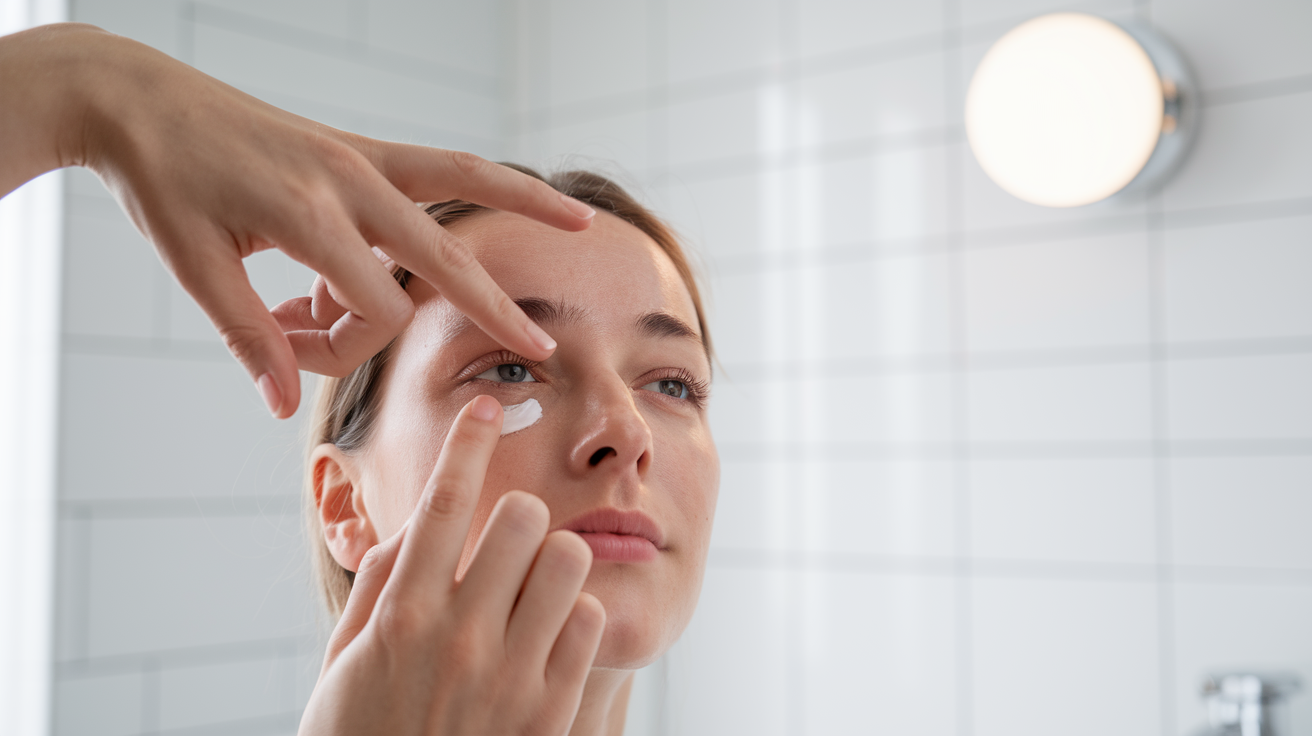
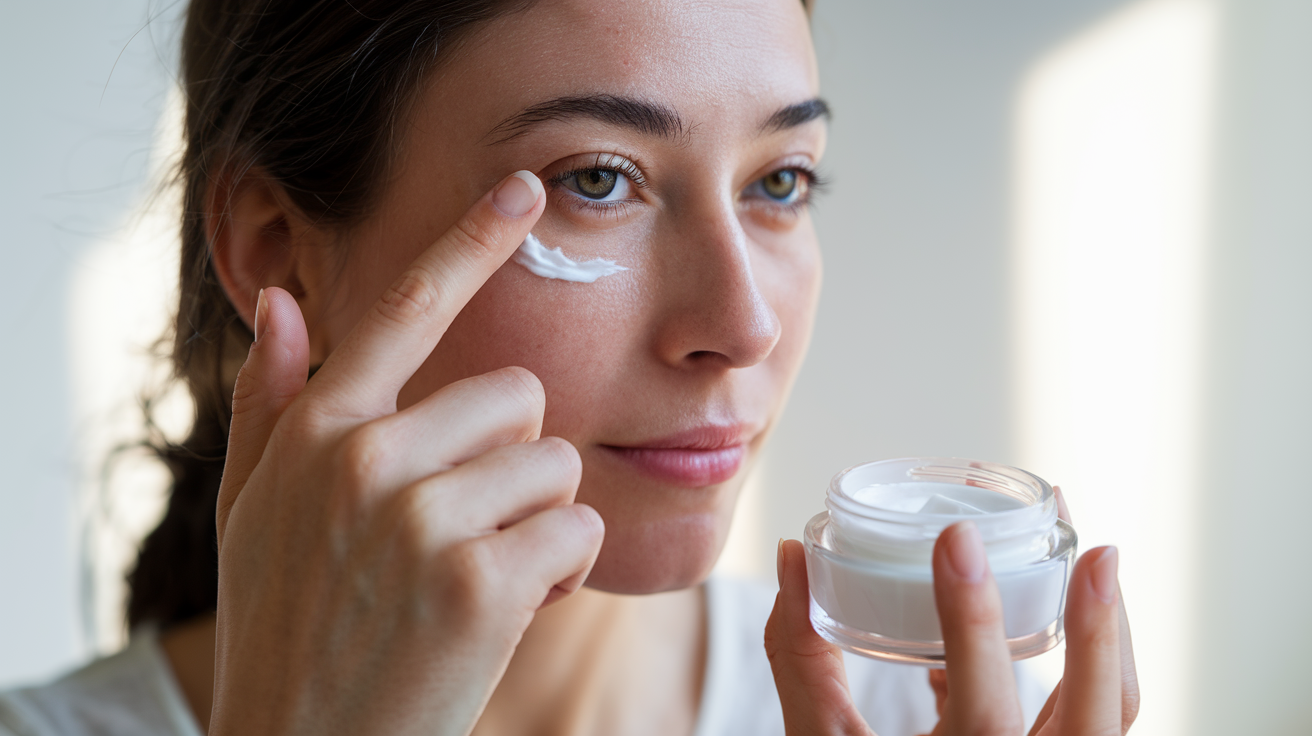
Are you applying eye cream every morning and night, only to wonder if it's actually doing anything? You're not alone. One of the most common questions I hear is how long it actually takes to see changes from eye cream. The answer isn't as simple as a one-size-fits-all timeline, but understanding what to expect during each phase can help you stay consistent and know when you're on the right track. Let's walk through the real timeline of what happens to your under-eye area from week one through month four and beyond.
Week 1-2: Immediate Hydration and Texture Changes You'll Notice First
The very first changes you'll notice happen quickly, usually within the first few days. Your under-eye skin should feel softer and more hydrated almost immediately after you start using a good eye cream.
If your eye cream contains ingredients like hyaluronic acid, glycerin, or ceramides, you'll likely see a plumping effect that makes the skin look smoother and less dry. This isn't wrinkle reduction yet, but it's an important first step. Hydrated skin simply looks healthier and more awake.
You might also notice that makeup applies more smoothly. Concealer tends to settle into dry lines when the under-eye area lacks moisture, so if your makeup suddenly looks better, that's a sign your eye cream is working on a surface level.
Don't expect dark circles or fine lines to vanish in this phase. What you're seeing is improved texture and moisture, which creates a more even, smoother-looking base. If you're using a affiliate one that walks you through ingredient selection, you'll know which formulas work best for your specific concerns.
Week 3-6: When Fine Lines Start Softening and Dark Circles Begin Fading
Around the three-week mark, you might start noticing that fine lines look softer. This is when active ingredients like peptides, retinol, or vitamin C begin to have more visible effects.
Retinol-based eye creams, for example, help encourage cell turnover, which can make the skin look fresher and smoother over time. Peptides support the skin's natural structure, which may help reduce the appearance of fine lines with consistent use.
If your eye cream contains caffeine or light-reflecting pigments, you may also notice that dark circles start to look less pronounced. Caffeine can temporarily reduce puffiness, while pigments help brighten the under-eye area visually.
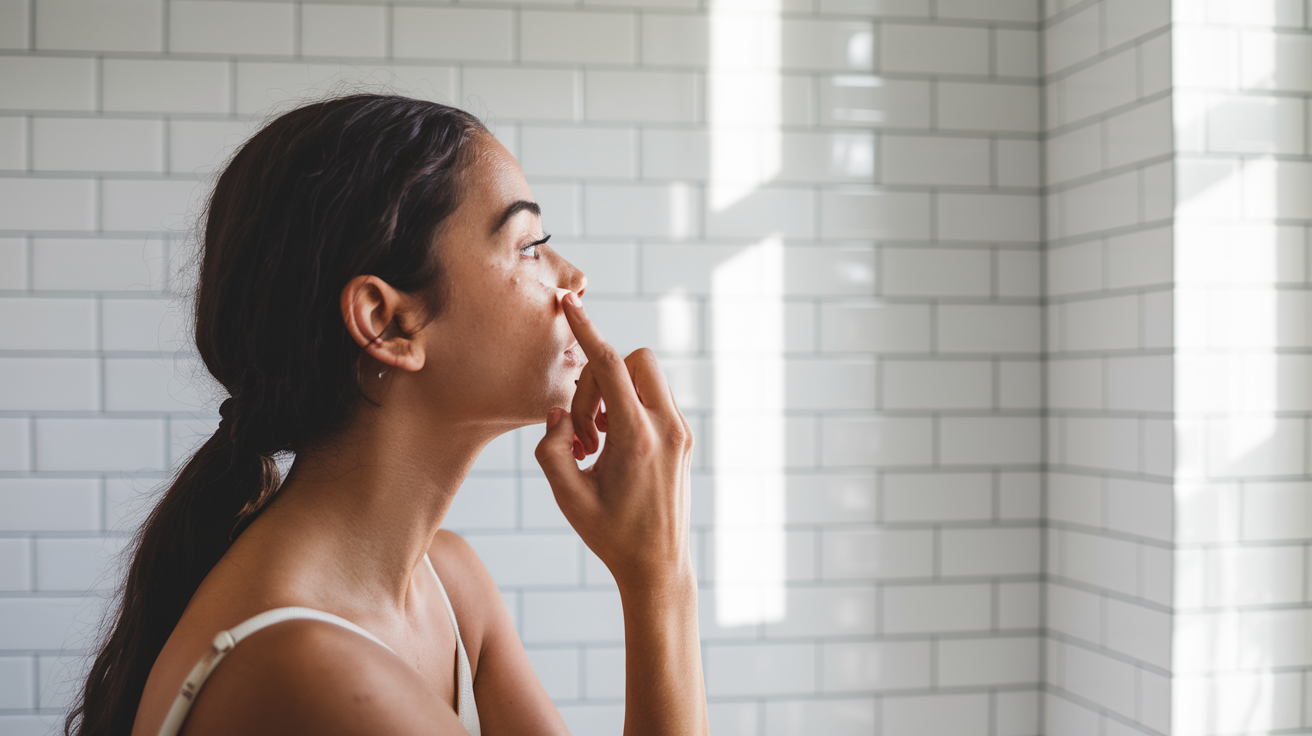
This phase is where patience becomes important. Changes are gradual, not dramatic. You're not going to wake up one morning with completely smooth eyes, but you might catch yourself in the mirror and think your eyes look less tired than usual.
Consistency is everything here. Skipping days or switching products too often will slow down your progress. Stick with the same formula for at least six weeks before deciding if it's working for you.
Tired of seeing under-eye lines before you see yourself?
If the tiny creases under your eyes make you look more tired than you feel, this guide shows the simple under-eye routine that helps soften the look of dry lines, crepey texture, and tired skin without guessing or wasting weeks on random products.
Month 2-3: The Collagen Building Phase for Deeper Wrinkle Improvement
By the two-month mark, you're entering what I call the collagen-building phase. This is when ingredients like retinol, peptides, and niacinamide really start to show their long-term benefits.
Your skin doesn't build collagen overnight. It takes weeks of consistent use for active ingredients to support the skin's natural repair process. Around month two or three, you may notice that deeper lines look softer or less defined.
This doesn't mean wrinkles disappear. What you're seeing is skin that looks more resilient, firmer, and smoother overall. The texture becomes more refined, and the under-eye area may look less crepey.
If you've been using a retinol eye cream, this is also when you'll start seeing improvements in skin tone and texture. Retinol can help reduce the appearance of uneven pigmentation and support a smoother surface over time.
Keep in mind that everyone's skin responds differently. Factors like age, skin type, genetics, and the specific formula you're using all play a role in how quickly you see changes. Some people notice significant improvement by month two, while others need closer to three months.
Month 4+: Maximum Results and How to Maintain Your Eye Area Transformation
After four months of consistent use, you've likely reached the maximum benefit your eye cream can offer. At this point, the changes you see are the result of cumulative effort, not a single miracle product.
Your under-eye area should look more hydrated, smoother, and less tired overall. Fine lines may appear softer, and dark circles may look less pronounced. The skin texture should feel more resilient and less fragile.
Now the goal shifts from improvement to maintenance. Continuing your eye cream routine helps preserve the progress you've made. If you stop using it, the skin will gradually return to its previous state as the effects of active ingredients wear off.
This is also a good time to reassess your routine. If you feel like your eye cream has plateaued, you might consider rotating in a different formula or adding a complementary product like an eye serum. Just don't switch too often or you'll lose the consistency that got you results in the first place.
Sun protection is critical for maintaining your results. The skin around the eyes is thin and vulnerable to UV damage, which can accelerate the appearance of aging. Wearing sunglasses and using a broad-spectrum SPF daily will help protect the improvements you've worked hard to achieve.
If you want to refine your approach even further, a detailed affiliate one can help you layer products correctly and choose the right active ingredients for your skin type and concerns.
Remember, eye cream is just one part of a bigger picture. Sleep, hydration, diet, and overall skincare habits all contribute to how your under-eye area looks and feels. Eye cream can help support smoother-looking, more hydrated skin, but it works best when combined with healthy habits and realistic expectations.
The key takeaway? Give your eye cream at least six to twelve weeks before deciding if it's working. Notice the small changes along the way, stay consistent, and be patient with the process. Your under-eye area didn't develop fine lines overnight, and it won't transform overnight either.