Disclosure: This post contains affiliate links. We may earn a commission at no extra cost to you.
Should You Use Eye Cream or Face Moisturizer Under Your Eyes? The Truth
Published August 11, 2026
Have you ever stood in front of your bathroom mirror, face moisturizer in hand, wondering if you really need a separate eye cream? You're not alone. This is one of the most debated questions in skincare, and the answer isn't as simple as the beauty industry makes it seem. Some dermatologists say your regular moisturizer works just fine. Others insist the eye area needs its own formula. So who's right?
The truth is somewhere in between, and it depends on your skin, your age, and what you're actually trying to address. Let's break down what actually matters so you can stop second-guessing your routine.
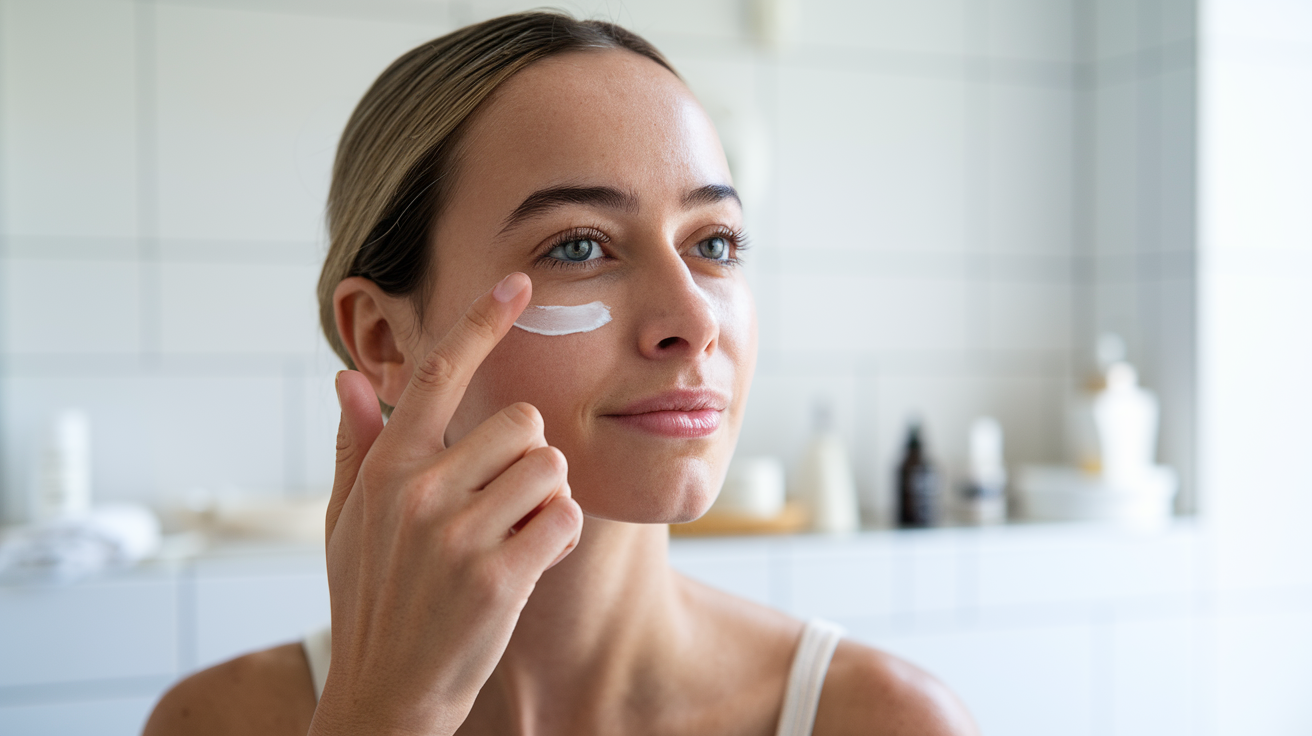
Key Differences Between Eye Cream and Face Moisturizer Formulations
Eye creams and face moisturizers aren't just different sizes in prettier packaging. They're formulated with different goals in mind.
Eye creams are typically thicker and more concentrated. They often contain ingredients like caffeine, peptides, and light-reflecting particles designed to target puffiness, dark circles, and fine lines. The texture is usually richer because the skin around your eyes has fewer oil glands and tends to dry out faster.
Face moisturizers, on the other hand, are formulated for your entire face. They're designed to balance oil production, hydrate, and protect a larger, more varied surface area. They often contain actives like retinol, alpha hydroxy acids, or vitamin C at strengths meant for thicker facial skin.
Here's where it gets tricky: some of those face cream ingredients can irritate the thinner, more sensitive skin under your eyes. Retinol, for example, can cause redness or flaking if applied too close to the lash line. Fragrance, another common face cream addition, can also trigger sensitivity.
But not all face moisturizers are created equal. A gentle, fragrance-free hydrating cream may work perfectly fine around your eyes, especially if you're in your twenties or early thirties and not dealing with specific concerns yet.
Why the Under Eye Area Needs Special Treatment
The skin under your eyes is about 40% thinner than the rest of your face. It also moves constantly—every blink, every smile, every squint adds up to thousands of micro-movements per day.
Because this area has fewer sebaceous glands, it doesn't produce as much natural oil. That means it's more prone to dryness, which can make fine lines more visible. It's also more vulnerable to environmental stressors like UV exposure and pollution.
If you've noticed your under-eye area looking crepey, or if makeup settles into fine lines by midday, that's a sign the skin barrier there needs extra support. A affiliate one can help you identify which ingredients actually help reinforce that barrier without overloading delicate skin.
Another reason the eye area needs special care: it shows signs of aging earlier than other parts of your face. Dark circles, puffiness, and fine lines often appear here first, which is why targeted treatment can make a difference in how rested and smooth your skin looks.
Tired of seeing under-eye lines before you see yourself?
If the tiny creases under your eyes make you look more tired than you feel, this guide shows the simple under-eye routine that helps soften the look of dry lines, crepey texture, and tired skin without guessing or wasting weeks on random products.
When Face Moisturizer Is Enough for Your Eyes
You don't always need a separate eye cream. If you're using a gentle, well-formulated face moisturizer and your under-eye area looks and feels fine, you're probably good to go.
Here are some situations where your regular moisturizer is likely enough:
You're in your twenties or early thirties with no visible fine lines or darkness under your eyes. Your skin bounces back quickly and stays hydrated throughout the day. In this case, a simple hydrating moisturizer with ceramides or hyaluronic acid can work for your whole face, eyes included.
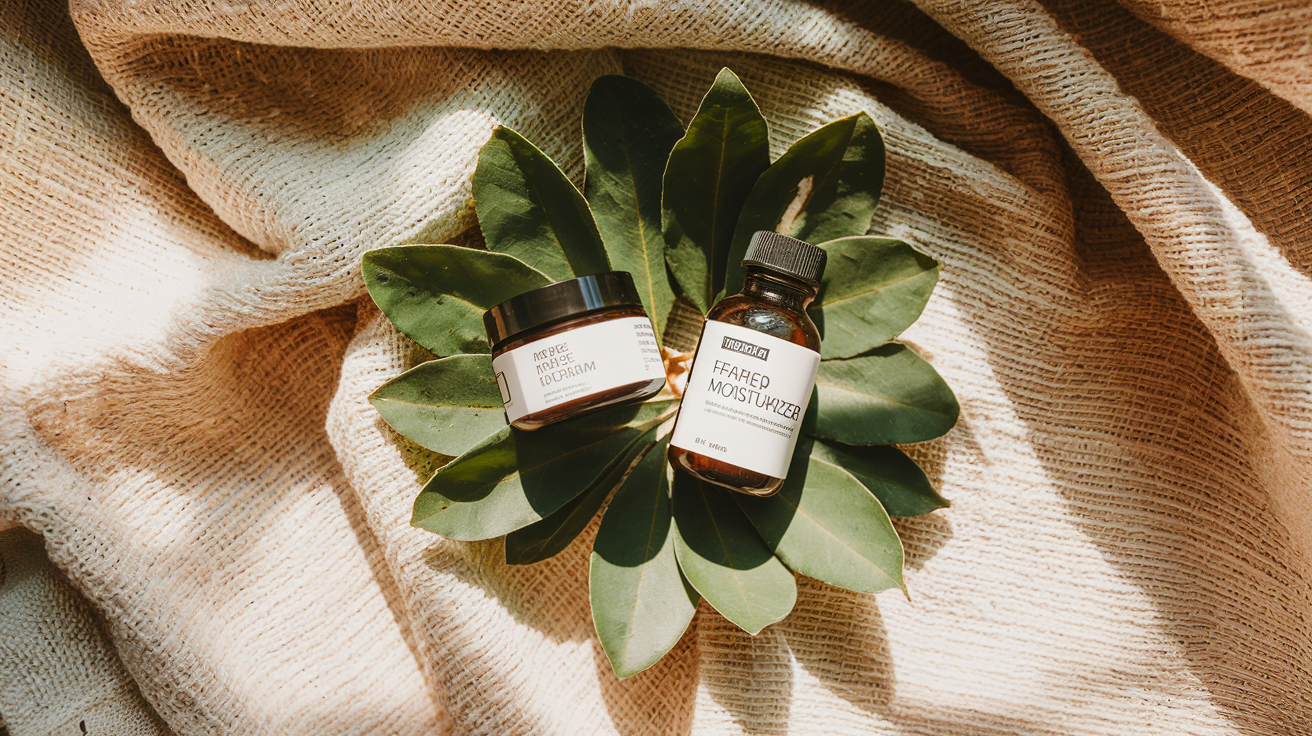
Your face cream is fragrance-free, gentle, and doesn't contain strong actives like retinol or high-percentage acids. Products designed for sensitive skin often fit this category. If your moisturizer doesn't sting, burn, or cause redness when applied near your eyes, it's probably safe to use there.
You're not dealing with puffiness, dark circles, or noticeable texture differences around your eyes. If your under-eye area looks the same as the rest of your face in terms of tone and smoothness, a dedicated eye cream may not add much value.
That said, if you wake up with puffy eyes, notice your concealer creasing, or see fine lines forming when you smile, it might be time to consider a product formulated specifically for that area.
Best Eye Cream Alternatives That Actually Work
If traditional eye creams feel too heavy, too expensive, or just not worth the hype, there are other options that can deliver similar benefits.
One of the best alternatives is a lightweight hydrating serum. Look for one with hyaluronic acid, niacinamide, or peptides. These ingredients help plump the skin and support moisture retention without feeling greasy. Pat a small amount under your eyes before your regular moisturizer for an extra hydration boost.
Facial oils can also work well, especially if dryness is your main concern. Rosehip oil, squalane, or marula oil are gentle options that absorb quickly and help smooth the look of dry skin. Use just one or two drops and press gently into the skin—don't rub or tug.
Another option is a gentle retinol or retinoid designed for sensitive areas. Some brands make low-strength retinol formulas specifically for the eye area. These can help with the appearance of fine lines over time, but they should be introduced slowly to avoid irritation.
Cold compresses and jade or metal rollers kept in the fridge can also help reduce the look of puffiness in the morning. While they won't replace a good moisturizer, they're a nice complement to your routine and feel refreshing.
Finally, if you want a structured approach that takes the guesswork out of layering products, a affiliate one can walk you through the exact order and combination that works for different skin types and concerns.
The bottom line? You don't necessarily need an eye cream, but you do need to treat the under-eye area thoughtfully. Whether that's with a gentle face moisturizer, a targeted serum, or a dedicated eye product depends on your skin's current needs and how it responds over time.
Pay attention to how your skin feels and looks. If your under-eye area stays smooth, hydrated, and comfortable with your current routine, keep doing what you're doing. If you notice dryness, lines, or irritation, it's worth experimenting with a lighter or more targeted formula.
Your skincare routine should make your life easier, not more confusing. Start simple, listen to your skin, and adjust as needed.