Disclosure: This post contains affiliate links. We may earn a commission at no extra cost to you.
Should You Use Different Eye Creams Morning and Night? Here's What Works
You've probably noticed that your face needs different things at different times of day. Your daytime moisturizer protects, your nighttime moisturizer repairs. So why would your eye area be any different?
The skin around your eyes is about ten times thinner than the rest of your face. It shows fatigue faster, creases more easily, and reacts differently to environmental stress throughout the day. Using the same eye cream morning and night might feel simpler, but you could be missing targeted support when your delicate eye area needs it most.

Why Your Eyes Need Different Care AM vs PM
Your skin operates on a circadian rhythm, just like the rest of your body. During the day, it defends itself against UV exposure, pollution, blue light from screens, and oxidative stress. At night, it shifts into repair mode, boosting cell turnover and collagen production while you sleep.
The eye area faces unique daytime challenges. Squinting, screen time, makeup application, and fluid retention from sitting upright all contribute to visible stress. By evening, your skin temperature rises slightly and blood flow increases, making it more receptive to active ingredients.
A morning eye cream should focus on protection, hydration, and reducing puffiness so you look awake and refreshed. A night eye cream should prioritize deeper nourishment and support for smoother-looking skin over time.
This doesn't mean you need to buy a dozen products. It means being intentional about what you apply and when.
Morning Eye Cream: Protection and Depuffing Priorities
Your morning eye cream is your shield. It sits under makeup, sunscreen, and concealer, so texture matters just as much as ingredients.
Look for lightweight formulas that absorb quickly without pilling or leaving a greasy residue. Caffeine is a standout ingredient for mornings because it can help reduce the appearance of puffiness by temporarily constricting blood vessels. Peptides can support the skin's natural firmness, while hyaluronic acid provides plumping hydration that makes fine lines look less obvious.
Antioxidants like vitamin C, green tea extract, or niacinamide help protect against environmental damage throughout the day. If your morning eye cream doesn't contain SPF, make sure your sunscreen or makeup does. UV exposure is one of the biggest contributors to visible aging around the eyes.
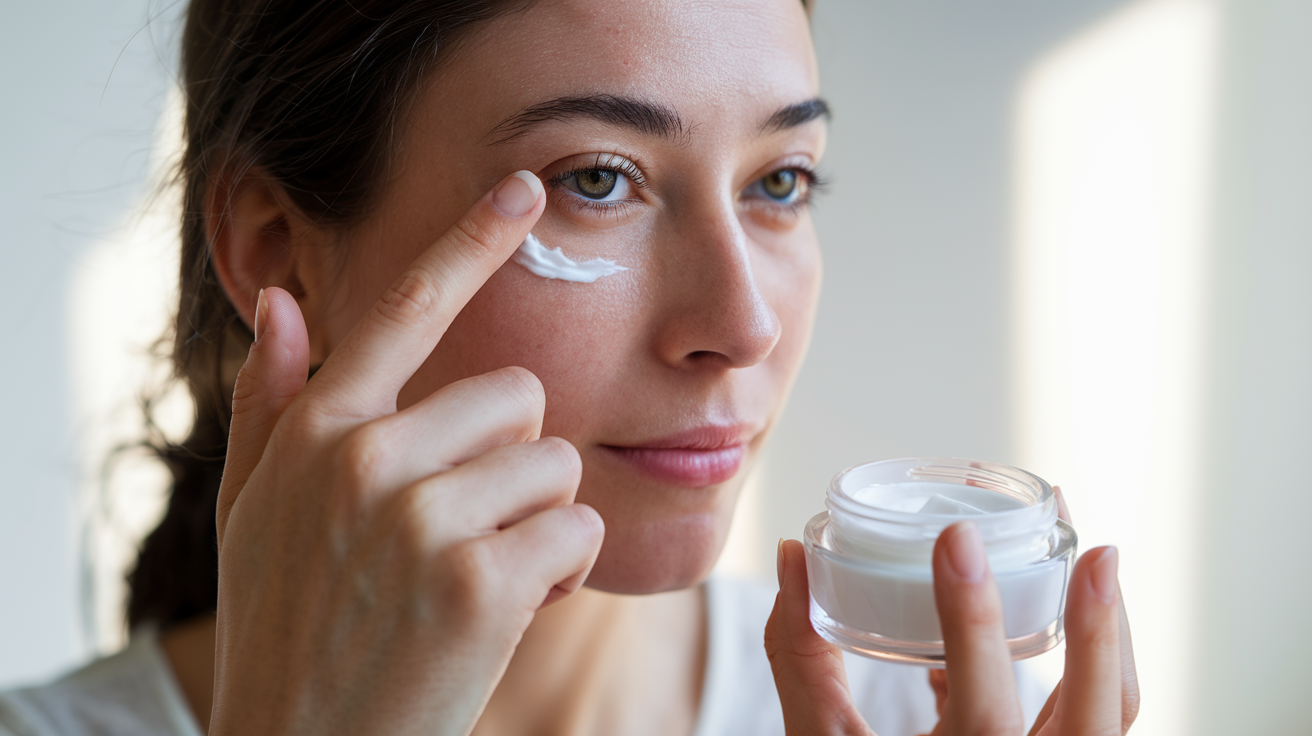
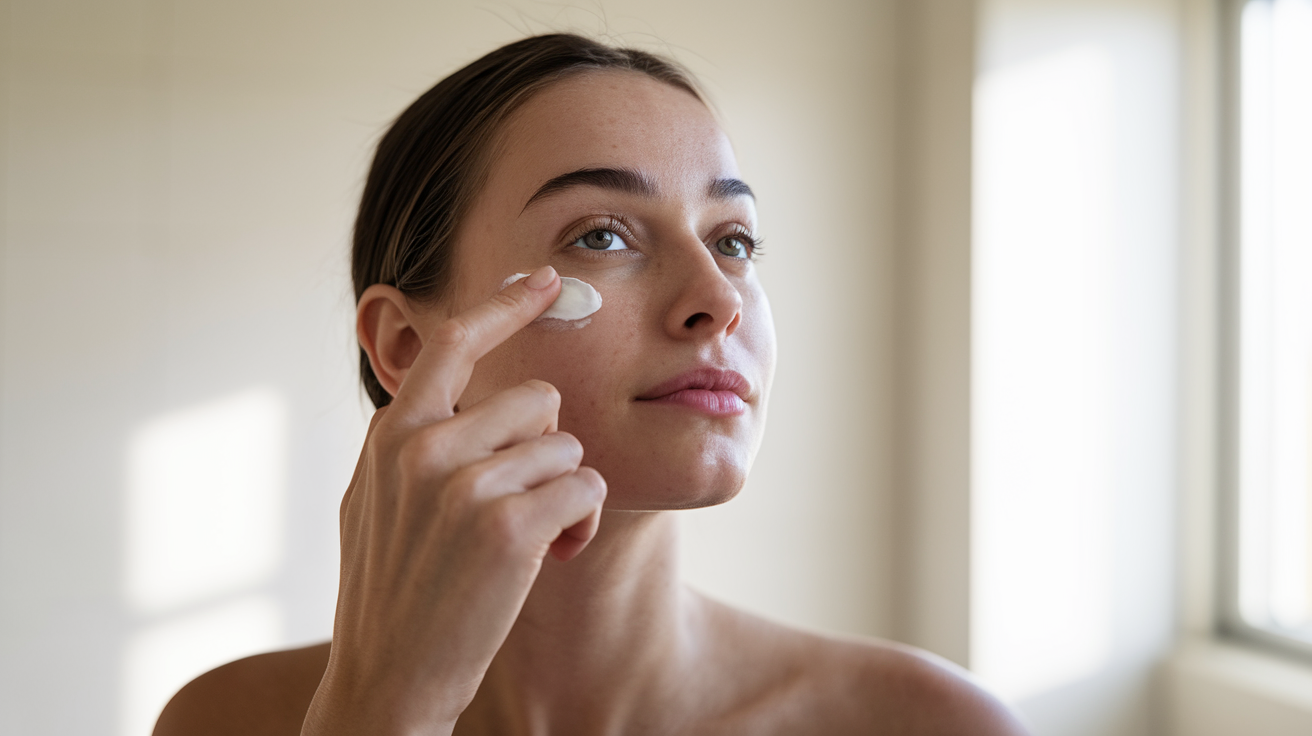
Keep your morning application light. A rice-grain-sized amount for both eyes is usually enough. Pat gently from the inner corner outward, avoiding tugging or dragging the skin.
Tired of seeing under-eye lines before you see yourself?
If the tiny creases under your eyes make you look more tired than you feel, this guide shows the simple under-eye routine that helps soften the look of dry lines, crepey texture, and tired skin without guessing or wasting weeks on random products.
Night Eye Cream: Repair and Deep Treatment Focus
Your nighttime eye cream can be richer, heavier, and more treatment-focused. Without the need to layer makeup or worry about pilling, you have more freedom to use nourishing textures and active ingredients.
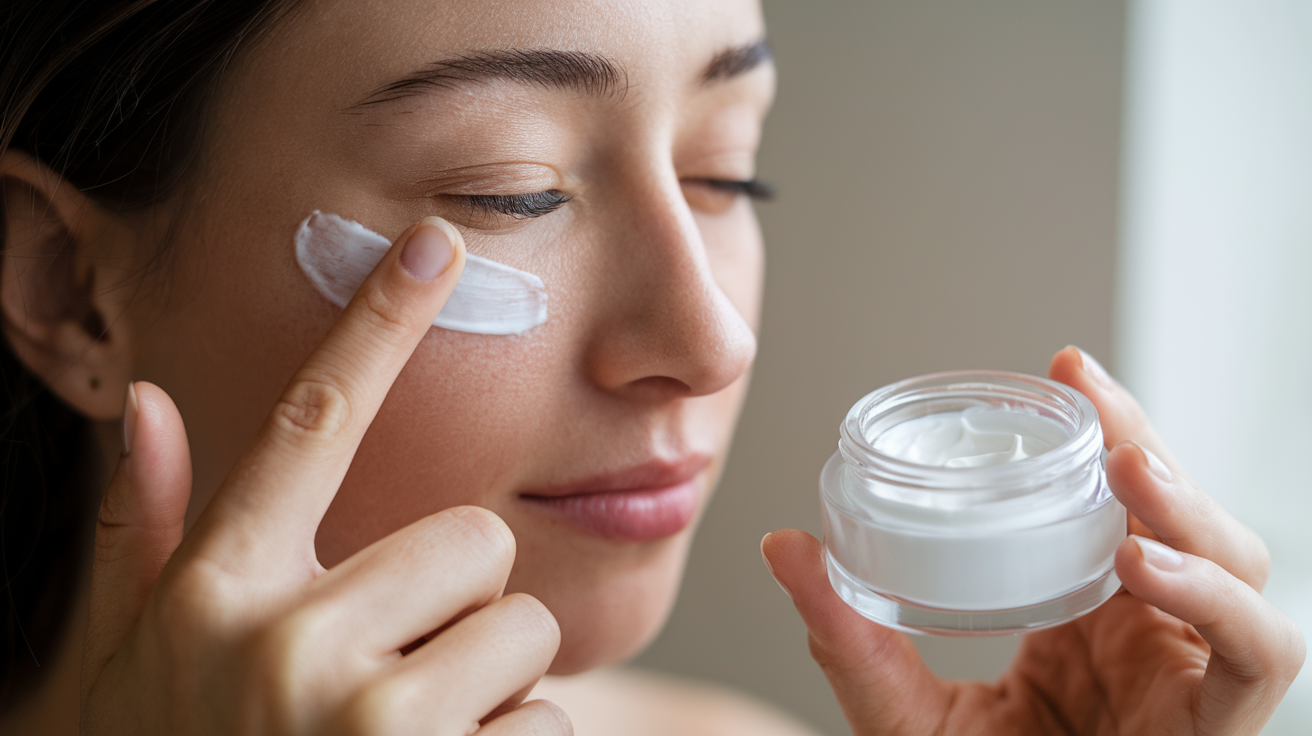
Retinol and retinol alternatives like bakuchiol are popular for nighttime because they support cell turnover and can help reduce the appearance of fine lines and uneven texture over time. Start slowly if you're new to retinoids around the eyes, and always follow with a good moisturizer to prevent irritation.
Ceramides and fatty acids help restore the skin's moisture barrier, which naturally weakens overnight. Ingredients like squalane, shea butter, and glycerin provide deep hydration that makes the under-eye area look smoother and less crepey by morning.
Some night eye creams also include brightening ingredients like kojic acid, licorice root extract, or alpha arbutin to help reduce the appearance of dark circles with consistent use.
Apply your night eye cream after cleansing and toning but before heavier moisturizers or oils. This allows the active ingredients to penetrate without interference. You can be slightly more generous with your application at night since there's no need to prep for makeup.
How to Build Your Complete Eye Care Routine
You don't need to overhaul your entire skincare shelf to make this work. Start by evaluating what you already have.
If you only have one eye cream right now, check the ingredient list. Is it lightweight and protective, or rich and nourishing? Use it at the time of day that makes the most sense based on its formula, and consider adding a second option when you're ready.
A simple morning and night routine could look like this:
Morning: Cleanse, apply a lightweight caffeine or peptide-based eye cream, follow with antioxidant serum, moisturizer, and SPF.
Night: Double cleanse, apply a treatment eye cream with retinol or ceramides, layer with a hydrating serum and richer night moisturizer.
If you want a more detailed breakdown of ingredient combinations and application order, the affiliate one walks through exactly how to layer products for the smoothest-looking under-eye area.
One common mistake is applying eye cream too close to the lash line. The product can migrate into your eyes overnight, causing puffiness or irritation. Stick to the orbital bone and gently tap outward toward the temple.
Another tip: let each product absorb for 30 to 60 seconds before layering the next. This prevents pilling and allows each formula to work without interference.
Consistency matters more than perfection. Even the best eye cream won't do much if you only remember to use it twice a week. Set your products somewhere visible, or pair application with another daily habit like brushing your teeth.
And if you're still unsure where to start or which ingredients work best for your specific concerns, the affiliate one breaks down the most effective routines based on skin type and concern.
Using different eye creams morning and night isn't about buying more products for the sake of it. It's about giving your skin what it actually needs when it needs it. Protection during the day, repair at night, and a little more intention behind what you're patting under your eyes every single day.