Disclosure: This post contains affiliate links. We may earn a commission at no extra cost to you.
Is Expensive Eye Cream Worth It? 5 Truth Bombs About Price vs Results
Published September 7, 2026
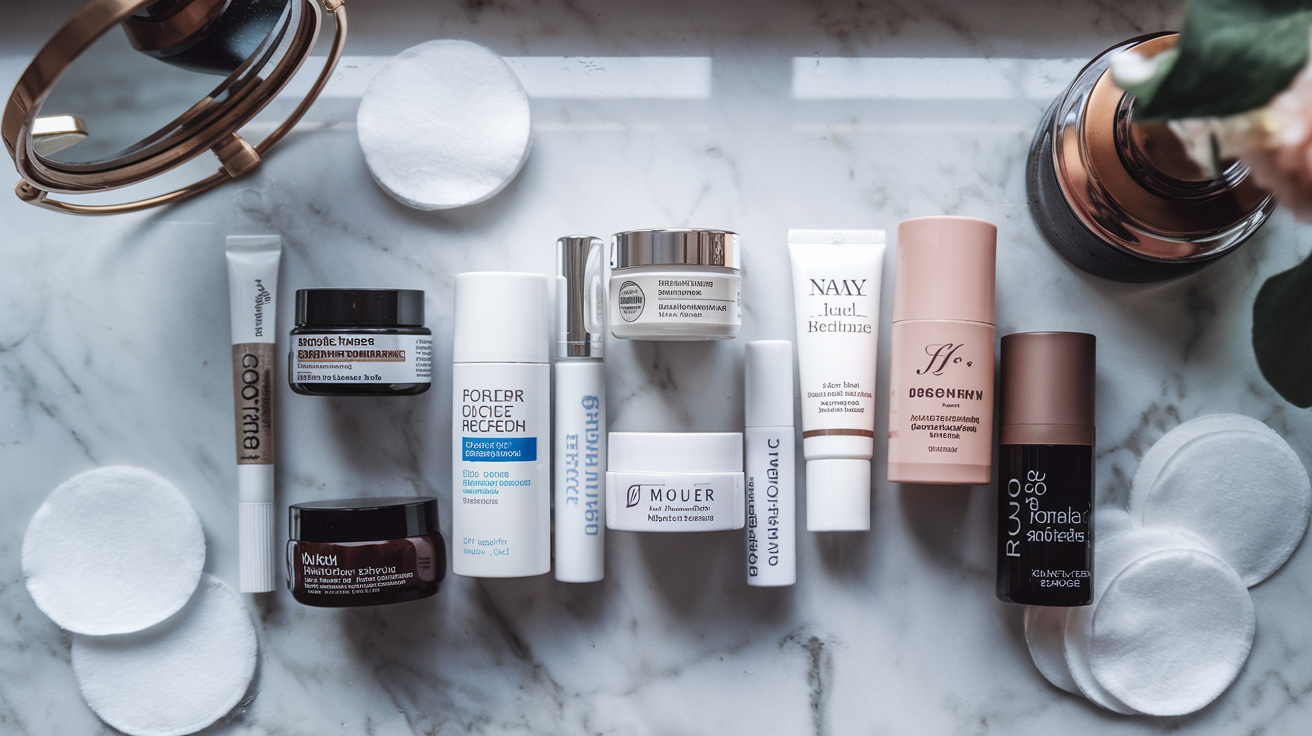
I've tested eye creams at every price point—from drugstore tubes to luxury jars that cost more than my grocery bill. And here's what nobody tells you: the price tag doesn't always match the results. Some $200 eye creams sit beautifully on a vanity but don't do much for your under-eyes. Meanwhile, certain affordable options deliver smoother-looking skin without the luxury markup. So what's the real difference? Let's break down what you're actually paying for and when it matters.

The $15 Eye Cream That Outperformed $200 Luxury Brands
A few years ago, a major beauty publication did blind testing on eye creams ranging from $12 to $250. The shocking winner? A drugstore retinol eye cream that cost less than a fancy coffee.
The reason wasn't magic. It was simple formulation. The affordable option contained stabilized retinol at an effective percentage, niacinamide, and a lightweight base that absorbed quickly. No fancy botanical extracts. No gold flakes. Just ingredients that actually support skin renewal.
Meanwhile, some luxury brands focused on texture, packaging, and sensory experience—but their active ingredient percentages were surprisingly low. You paid for the beautiful jar and the department store counter experience, not necessarily better results.
Does this mean all drugstore eye creams win? Not quite. But it does mean price alone tells you nothing about effectiveness.
What You're Actually Paying For in High-End Eye Creams
Luxury eye creams aren't a scam—they're just a different value proposition. Here's where your money actually goes:
Packaging and presentation. Those heavy glass jars, magnetic closures, and gold-trimmed boxes cost real money to produce. You're paying for an experience, not just a product.
Texture and sensory design. High-end brands invest heavily in how a cream feels on your skin. Silky application, no pilling under makeup, a subtle fragrance—these things cost money to formulate.
Proprietary ingredients. Some luxury brands develop exclusive complexes or patent specific delivery systems. These can be effective, but they're not always better than proven standard actives.
Marketing and retail placement. Department store counters, glossy ads, celebrity endorsements—all of that gets folded into the price.
None of this is inherently bad. If a beautiful ritual makes you more consistent with your routine, that's valuable. But if you're only buying expensive because you assume it works better, you might be disappointed.
Tired of seeing under-eye lines before you see yourself?
If the tiny creases under your eyes make you look more tired than you feel, this guide shows the simple under-eye routine that helps soften the look of dry lines, crepey texture, and tired skin without guessing or wasting weeks on random products.
The 3 Ingredients That Matter Most (Regardless of Price)
Whether you spend $15 or $150, these three ingredients are what actually make a difference in how your under-eye area looks over time:
Retinol or retinoid alternatives. This is the ingredient with the most research behind it for supporting skin renewal and helping reduce the appearance of fine lines. Look for stabilized retinol, retinaldehyde, or gentler alternatives like bakuchiol if you have sensitive skin.
Peptides. These signal molecules help support skin's natural processes. Matrixyl, Argireline, and copper peptides are common ones. They work gradually, but consistently.
Hydrating agents that plump the look of skin. Hyaluronic acid, glycerin, and ceramides help the under-eye area look smoother and less crepey by supporting moisture retention. This doesn't fix wrinkles, but it makes skin look more comfortable and less tired.
You can find all three in both budget and luxury formulas. The difference is usually in concentration, stability, and how well they're formulated together. If you want to learn more about building an effective routine around these actives, check out this affiliate one for a deeper breakdown.

When Expensive Eye Cream IS Worth the Splurge
There are times when spending more actually makes sense:
If you have very sensitive skin. Luxury brands often invest in gentler preservative systems and avoid common irritants. If cheaper formulas consistently irritate your eyes, a higher-end option with cleaner formulation might be worth it.
If texture affects your consistency. If a luxurious cream makes you excited to use it every single night, and a cheap one sits in your drawer, the expensive one is better—because consistency matters more than ingredients.
If you want cutting-edge delivery technology. Some high-end brands use encapsulation or time-release systems that deliver actives more gradually. This can reduce irritation and improve results for some people.
If you're combining multiple concerns. Some luxury eye creams are formulated to address puffiness, dark circles, and lines in one product with clinical-grade percentages. You might be paying for the convenience of not needing multiple products.
But here's the thing: these benefits only matter if the formula also contains effective actives. A beautiful texture with weak ingredients won't do much for your under-eyes.
How to Test If Your Eye Cream Actually Works
Most people give up on eye creams too soon—or keep using ones that don't work because they assume results take forever. Here's how to actually evaluate effectiveness:
Give it 8-12 weeks. Skin cell turnover takes time. If you're not seeing any improvement in texture, hydration, or how your under-eyes look after three months, it's probably not working.
Take close-up photos in the same lighting. Your memory is unreliable. Take a photo on day one and compare it after two months. Look for changes in texture, not dramatic transformation.
Track how makeup applies. If your concealer stops creasing as much or goes on smoother, that's a real sign your skin barrier is healthier and more hydrated.
Notice how your under-eyes feel. Less tightness, less dryness, and skin that feels more comfortable are all positive signs—even if lines don't vanish.
If none of these things improve after 12 weeks of consistent use, the formula isn't working for you—regardless of price. For a structured approach to testing what actually works for your skin, this affiliate one walks through a simple evaluation method.
The Bottom Line on Eye Cream Pricing
Expensive doesn't mean better. Cheap doesn't mean ineffective. What matters is whether the formula contains proven actives at effective concentrations, whether it works with your skin type, and whether you'll actually use it consistently.
Start with a mid-range option that contains retinol, peptides, and hydrating ingredients. Use it for three months. Track results. If it works, great. If not, adjust—either up or down in price, but always based on ingredients and how your skin responds.
Your under-eye area deserves attention, but it doesn't require a luxury budget to look smoother and less tired. Smart choices beat expensive ones every time.