Disclosure: This post contains affiliate links. We may earn a commission at no extra cost to you.
How Long Does Eye Cream Take to Work? Realistic Timeline and Expectations
Have you ever stared at your reflection after weeks of faithfully applying eye cream and wondered if it's actually doing anything? You're not alone. Most people expect to see dramatic changes overnight, but the reality is much more nuanced. Understanding the realistic timeline for eye cream results can save you from tossing out products that are actually working—just not on your preferred schedule.
The truth is, different ingredients work at different speeds, and your skin needs time to respond. Let's break down exactly what to expect and when.
Understanding the Eye Cream Timeline: What to Expect Week by Week
Most eye creams need at least 4-12 weeks to show visible changes, but you'll notice different effects at different stages.
Week 1-2: Your skin is adjusting. You might notice immediate hydration—the under-eye area feels softer and plumper right after application. This is surface-level moisture, not deep change yet. If your eye cream contains caffeine, you may see temporary reduction in puffiness within days.
Week 3-4: This is when deeper hydration kicks in. Fine lines caused by dryness start to look less pronounced. The skin texture may feel smoother. If you're using a affiliate one with peptides or niacinamide, cellular changes are happening beneath the surface, even if you can't see them yet.
Week 6-8: You're in the sweet spot. Ingredients like retinol and vitamin C have had time to support skin renewal. Dark circles may appear less intense if they're caused by thin skin or pigmentation. The under-eye area may look brighter and less tired-looking.
Week 10-12: This is when you might notice the most visible changes. Deeper lines may appear softer. The skin around your eyes may look firmer and more even-toned. Consistency is everything here—skipping applications will slow your progress.
Tired of seeing under-eye lines before you see yourself?
If the tiny creases under your eyes make you look more tired than you feel, this guide shows the simple under-eye routine that helps soften the look of dry lines, crepey texture, and tired skin without guessing or wasting weeks on random products.
Why Different Eye Cream Ingredients Work at Different Speeds
Not all eye cream ingredients operate on the same timeline. Understanding this helps you set realistic expectations.
Fast-acting ingredients (1-7 days): Caffeine reduces puffiness temporarily by constricting blood vessels. Hyaluronic acid plumps the skin surface almost immediately by drawing moisture into the upper layers. These give you quick wins but don't create long-term structural changes.
Medium-speed ingredients (4-8 weeks): Niacinamide brightens and supports skin barrier function. Peptides signal skin cells to produce more supportive proteins. Vitamin C helps even out tone and supports collagen over time. These require consistent use to show visible changes.
Slow-burn ingredients (8-12+ weeks): Retinol and retinoids are the gold standard for long-term improvement, but they work by encouraging cell turnover, which takes time. You need patience here—these ingredients are worth the wait but won't deliver overnight miracles.
If you're using a affiliate one with multiple active ingredients, you'll likely see layered results as each ingredient kicks in at its own pace.
Signs Your Eye Cream Is Actually Working (Before You See Results)
Sometimes your eye cream is working hard behind the scenes before visible changes appear. Here's what to look for:
Your under-eye area feels softer and more supple. This means hydration is improving. Dry, crepey texture is one of the first things to respond to consistent eye cream use.
Makeup applies more smoothly. If your concealer used to settle into fine lines and now glides on evenly, that's a sign your skin texture is improving.
Your skin doesn't feel tight or uncomfortable. Good eye creams strengthen the skin barrier. If the delicate eye area feels comfortable all day, that's progress.
You're not experiencing irritation. If you're using actives like retinol and your skin is tolerating them well, that means your routine is working. Irritation would slow progress, so calm skin is a green light.
Morning puffiness fades faster. If your eyes look less swollen after your morning routine, ingredients like caffeine or peptides are doing their job.
These subtle shifts are easy to miss, but they're the foundation for the more visible changes that come later.
How to Maximize Your Eye Cream Results and Speed Up Visible Changes
You can't force your skin to work faster than its natural renewal cycle, but you can optimize conditions for better results.
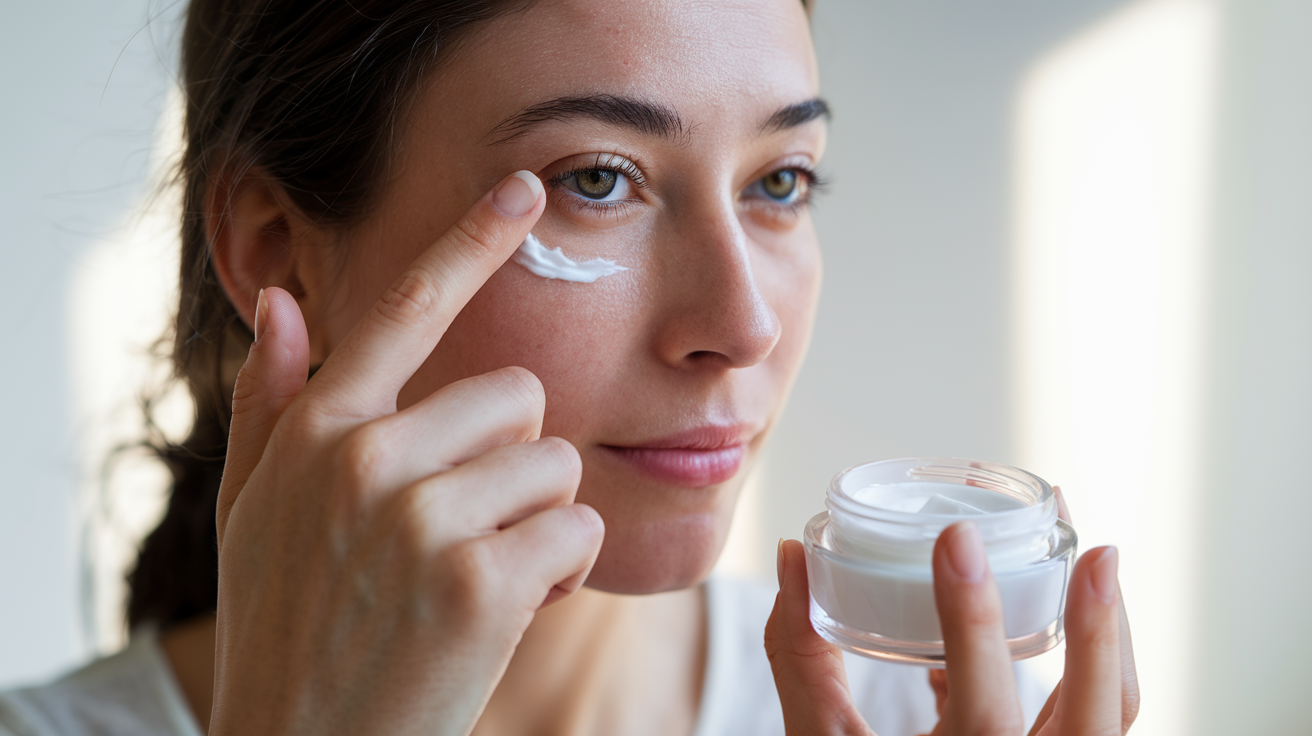
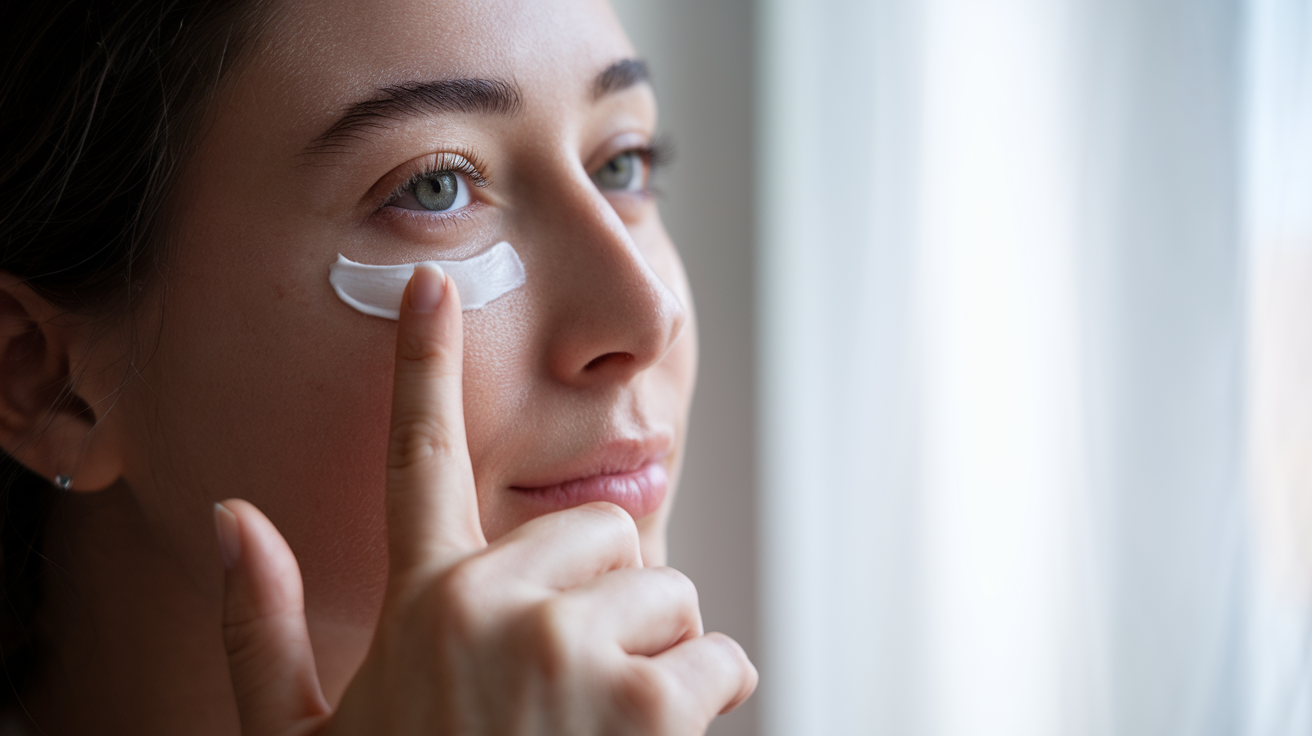
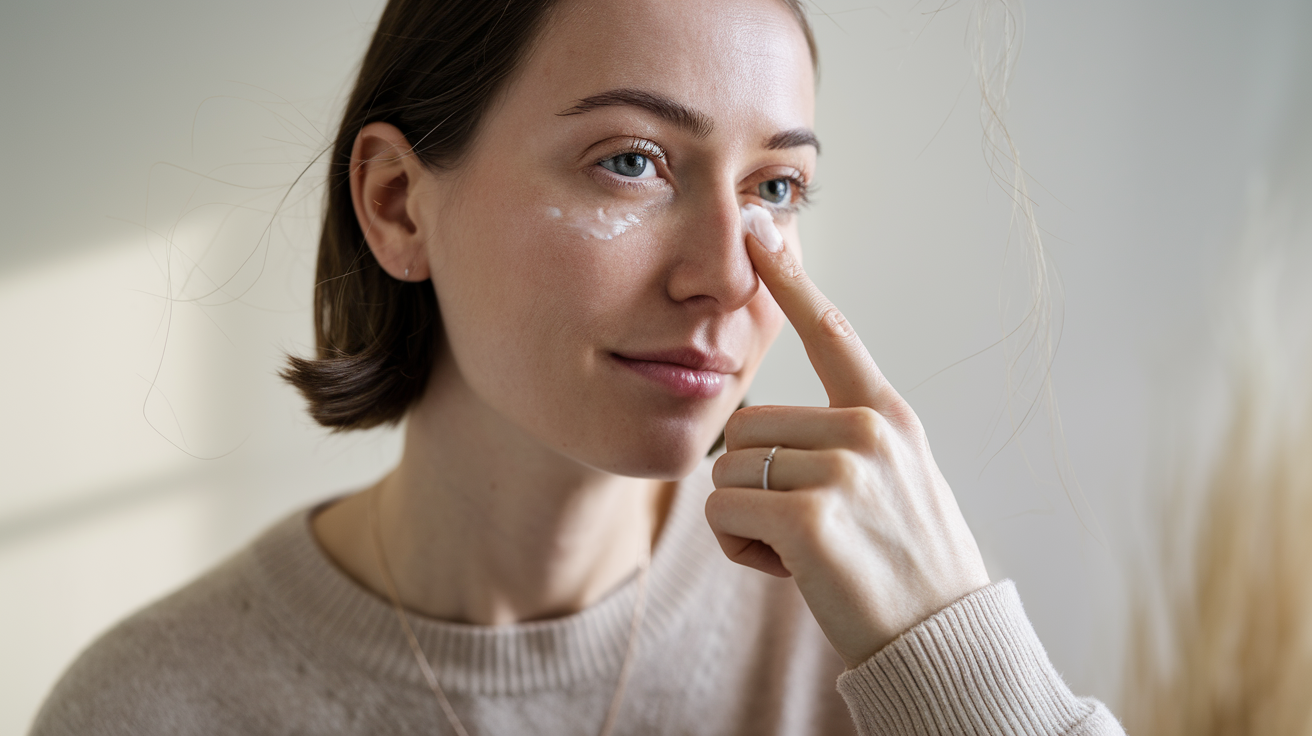
Apply eye cream to slightly damp skin. This helps ingredients penetrate better and locks in more moisture. Pat your eye cream on gently using your ring finger—it applies the least pressure.
Use sunscreen every single day. UV damage is the number one cause of premature aging around the eyes. Even the best eye cream can't compete with daily sun exposure. Wear SPF 30 or higher, even indoors near windows.
Layer your products correctly. Apply eye cream after your serum but before your moisturizer. This allows actives to reach the skin without being blocked by heavier creams.
Be consistent with application. Skipping days interrupts the progress your skin is making. Morning and night application gives you the best shot at visible changes.
Support your routine with good habits. Sleep on your back to prevent fluid pooling under your eyes. Stay hydrated. Manage stress when possible—cortisol affects skin health more than most people realize.
Don't switch products too soon. Give each eye cream at least 8-10 weeks before deciding it's not working. Jumping between products constantly resets the clock and prevents you from seeing real results.
Consider layering complementary ingredients. A vitamin C serum in the morning and a retinol eye cream at night can work synergistically. Just introduce new actives slowly to avoid irritation.
The bottom line: Eye creams work, but they work on skin time, not wish time. Most people will see their first real changes around the 6-8 week mark, with continued improvement through 12 weeks and beyond. The key is consistency, patience, and realistic expectations. Your skin is doing the work—you just need to give it time to show up.