Disclosure: This post contains affiliate links. We may earn a commission at no extra cost to you.
How Often Should You Really Apply Eye Cream? The Truth About Timing
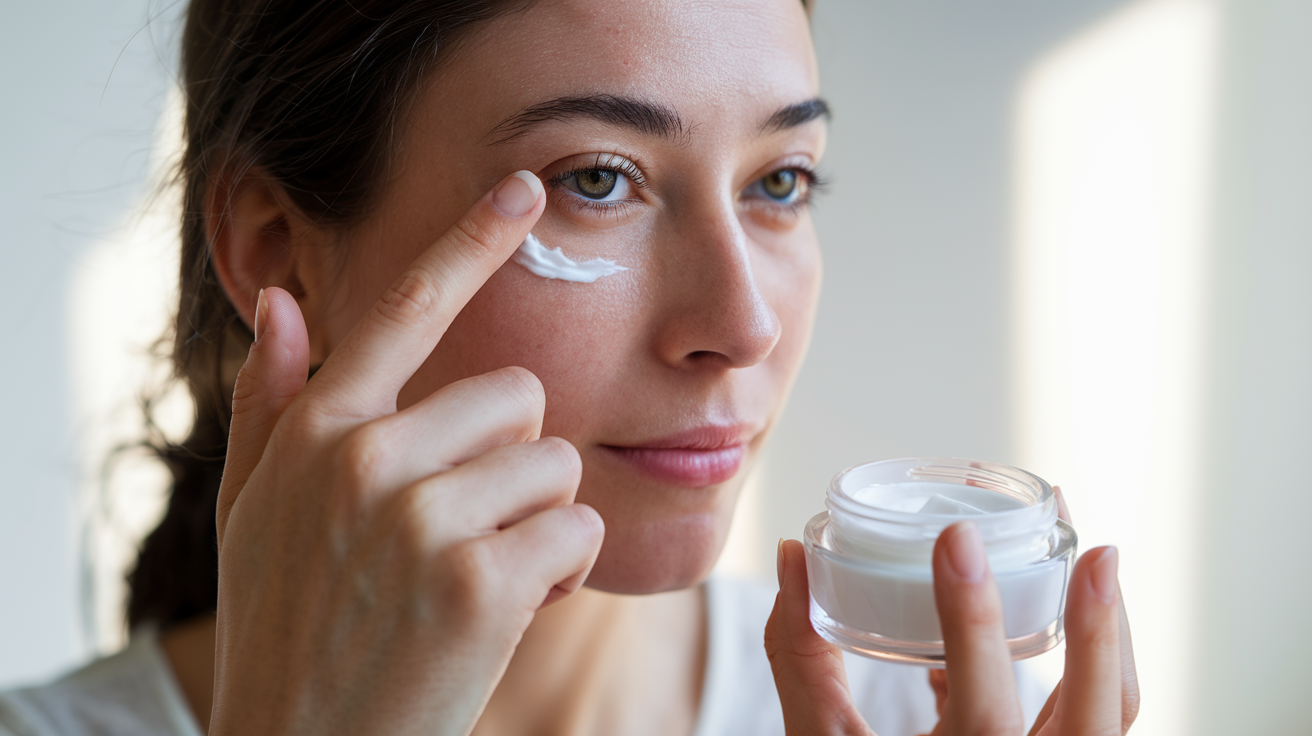
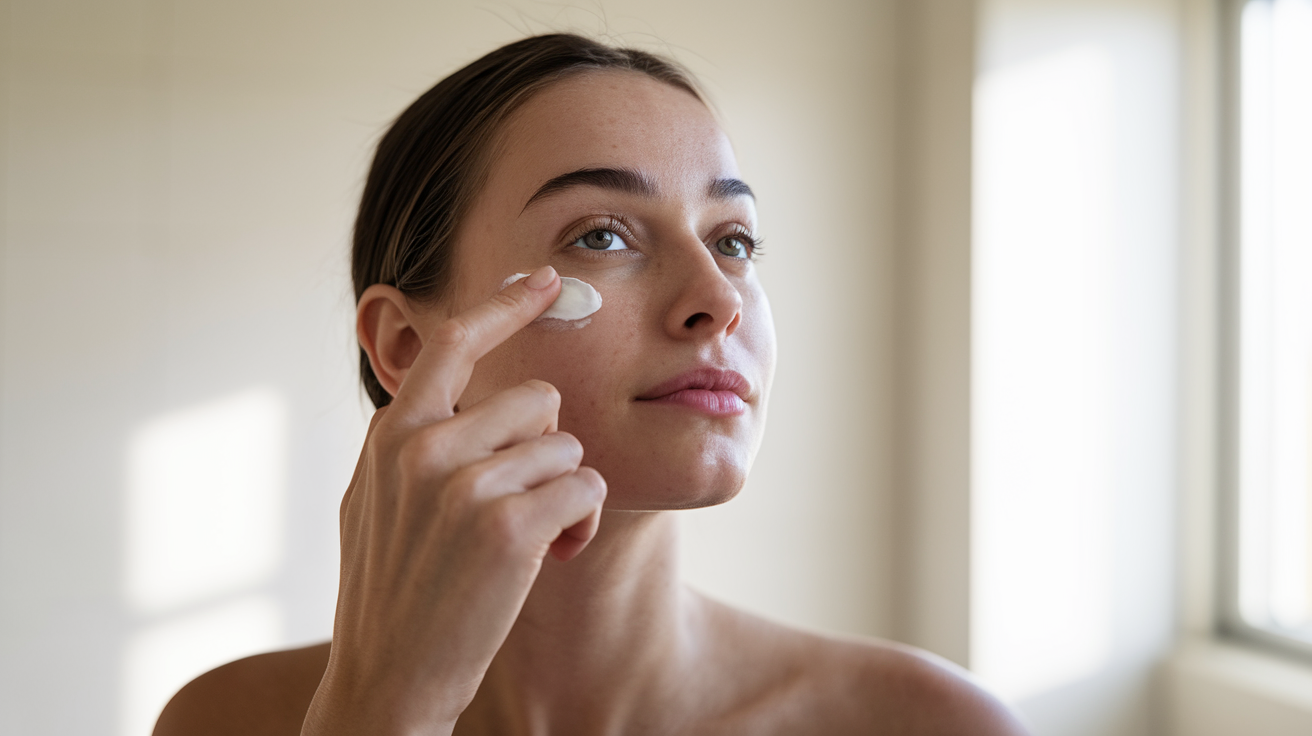
Ever stand in front of your bathroom mirror, eye cream in hand, wondering if you're supposed to use this thing once a day or three times? You're not alone. The question of how often to apply eye cream confuses almost everyone who buys their first tube, and even skincare veterans sometimes second-guess their routine.
The truth is, frequency matters more than most people realize. Apply too little, and you might not see the smoother-looking skin you're hoping for. Apply too much, and you could end up with puffy eyes or wasted product sitting on your bathroom counter.
Understanding Eye Cream Application Frequency
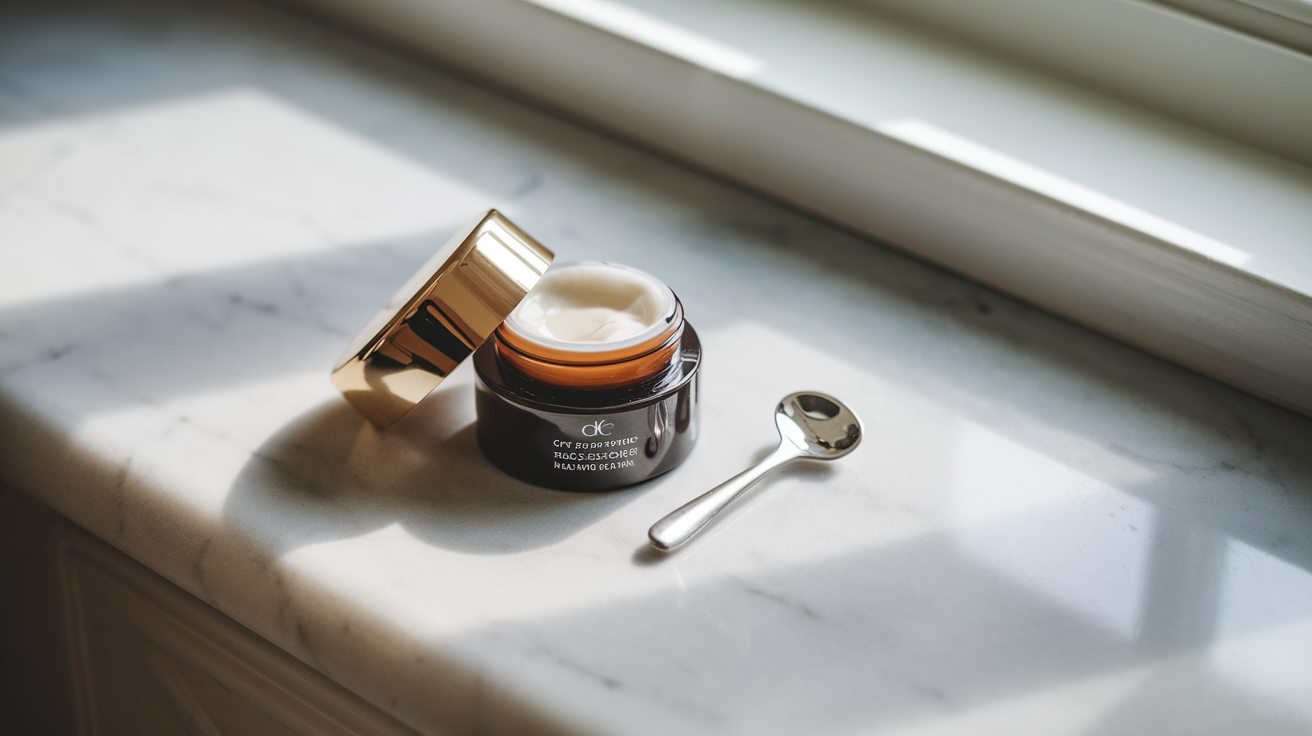
Most dermatologists recommend applying eye cream twice daily: once in the morning and once at night. This isn't arbitrary. Your skin goes through different processes depending on the time of day, and eye cream formulas are often designed with this rhythm in mind.
The twice-daily approach works because it gives your under-eye area consistent hydration and support throughout the 24-hour cycle. Think of it like watering a plant. You wouldn't dump a gallon on it once a week and expect it to thrive. Consistent, moderate care works better than sporadic heavy-handed application.
That said, some people do fine with once-daily application, especially if they have oily skin or live in humid climates. If your under-eye area feels comfortable and looks healthy with a single nighttime application, that might be enough for you.
The key is consistency. Applying eye cream sporadically, like only when you remember or only before special events, won't give you the same results as making it part of your daily routine. Your skin responds to patterns, not occasional bursts of attention.
Tired of seeing under-eye lines before you see yourself?
If the tiny creases under your eyes make you look more tired than you feel, this guide shows the simple under-eye routine that helps soften the look of dry lines, crepey texture, and tired skin without guessing or wasting weeks on random products.
Morning Application: What You Need to Know
Morning eye cream serves a different purpose than your nighttime formula. You're prepping your under-eye area for the day ahead: makeup application, sun exposure, screen time, and environmental stressors.
Look for morning eye creams with lightweight textures that absorb quickly. You don't want something so heavy that your concealer slides around by lunchtime. Ingredients like caffeine can help reduce the appearance of puffiness, which tends to be worse in the morning after lying flat all night.
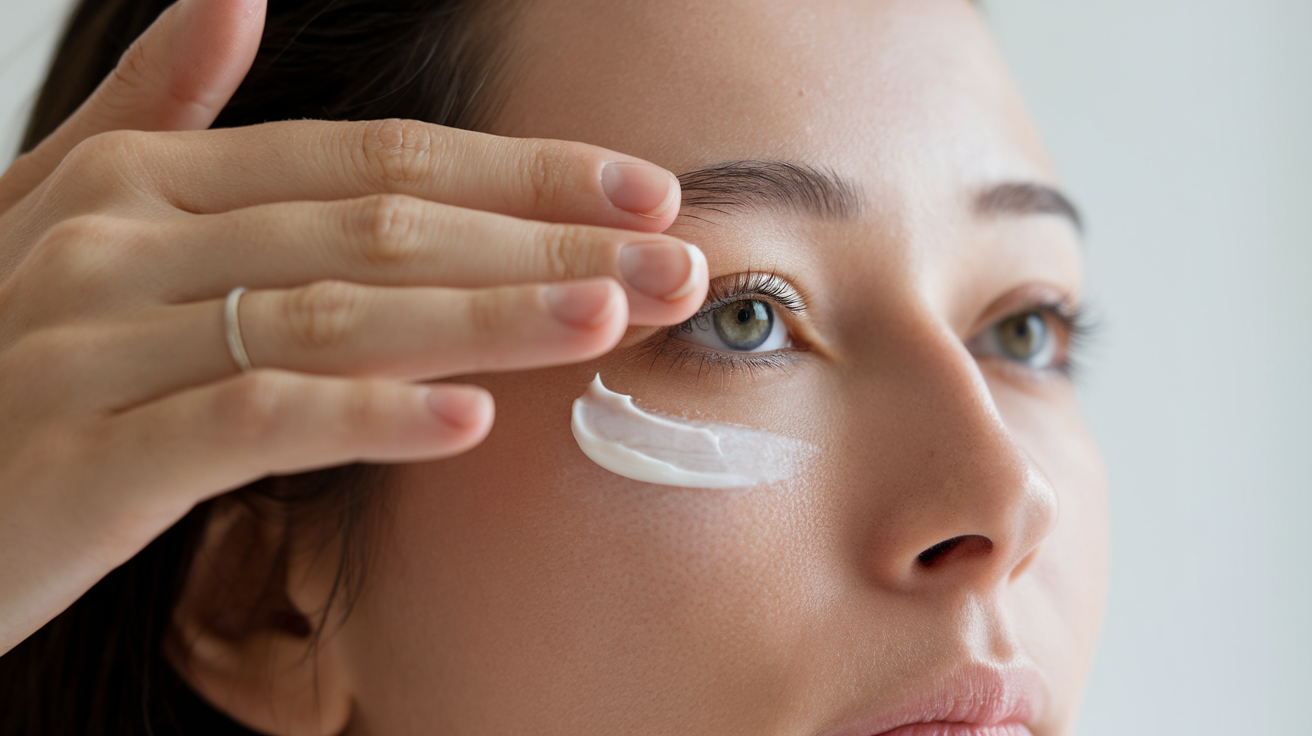
Apply your morning eye cream after cleansing and toning, but before sunscreen and makeup. Use about a rice grain-sized amount for both eyes. Gently pat it along the orbital bone, starting from the inner corner and working outward. Don't rub or pull at this delicate skin.
Give it at least two to three minutes to fully absorb before moving on to the next step in your routine. Rushing this process means you might end up with pilling when you apply sunscreen or foundation.
If you're using a affiliate one product with specific morning and night formulas, pay attention to which is which. They're formulated differently for a reason.
Evening Application: The Overnight Repair Window
Nighttime is when your skin does its heavy lifting. While you sleep, your body increases blood flow to the skin and ramps up cellular repair processes. This makes evening the ideal time for richer, more treatment-focused eye creams.
Night eye creams often contain ingredients like retinol, peptides, or richer moisturizers that work best without interference from makeup or sun exposure. These ingredients need time to penetrate and do their work without getting disrupted.
Apply your evening eye cream as the last step in your nighttime skincare routine, after any serums or treatments but before your overall face moisturizer if you prefer that order. Some people reverse this, applying face cream first and eye cream last. Either works as long as you're consistent.
The amount stays the same: a rice grain-sized portion for both eyes. More is not better. The skin under your eyes can only absorb so much product, and excess just sits on the surface or gets on your pillowcase.
One helpful tip: apply your nighttime eye cream at least 20 to 30 minutes before bed. This gives it time to absorb properly. If you apply it and immediately lie down, gravity works against you and product can migrate into your eyes, causing irritation or puffiness.
Signs You're Over-Applying or Under-Applying Eye Cream
Your skin will tell you if you're getting the frequency wrong. You just need to know what to look for.
Signs you're applying too much or too often include persistent puffiness, especially in the morning, milia (small white bumps that form when product clogs pores), or a greasy feeling that never quite absorbs. If your eye area feels congested or your concealer won't sit smoothly, you might be overdoing it.
Some people think if a little is good, more must be better. But the delicate under-eye area has fewer oil glands than the rest of your face, which means it can't handle heavy, frequent application the way your cheeks might.
On the flip side, under-application shows up as persistent dryness, increased visibility of fine lines, makeup that looks cakey or settles into creases, or skin that feels tight and uncomfortable. If you're only applying eye cream a few times a week, this might be your issue.
Another sign of under-applying: you've had the same tube of eye cream for over a year. Most eye creams should last about three to six months with twice-daily use. If yours is lasting much longer, you're probably not using enough or not using it often enough.
The texture of your eye cream also matters. If you're using a very rich cream twice daily and experiencing puffiness, you might not need to change frequency, just switch to a lighter formula for morning use. Conversely, if a lightweight gel isn't keeping dryness at bay with twice-daily use, you might need a richer texture rather than more frequent application.
When you find the right balance, your under-eye area should feel comfortable throughout the day. Not tight, not greasy, just smooth and hydrated. Makeup should apply easily without pilling or sliding. And over time, you might notice your under-eye skin looks less tired and smoother.
If you're still figuring out the right routine for your specific concerns, check out this affiliate one for a step-by-step approach that takes the guesswork out of timing and product selection.
The bottom line? Twice daily works for most people, but your skin might have different needs. Pay attention to how your under-eye area responds, adjust as needed, and remember that consistency matters more than perfection. Even the best eye cream won't help if it's sitting unopened in your medicine cabinet.