Disclosure: This post contains affiliate links. We may earn a commission at no extra cost to you.
How Often Should You Apply Eye Cream? Daily Frequency Guide
Have you ever stood in your bathroom wondering whether to apply eye cream once or twice a day? You're tapping the jar lid, staring at the fine lines around your eyes, and genuinely unsure if more is better or if you're just wasting product.
The truth is, how often you apply eye cream matters just as much as which one you choose. Too little and you miss out on the full potential of your product. Too much and you risk irritation, milia, or that annoying puffiness that makes concealer settle into every crease.
This guide walks you through exactly how often to use eye cream based on your skin type, your concerns, and the time of day. No guessing, no overcomplicating it.
Understanding Eye Cream Application Frequency Basics
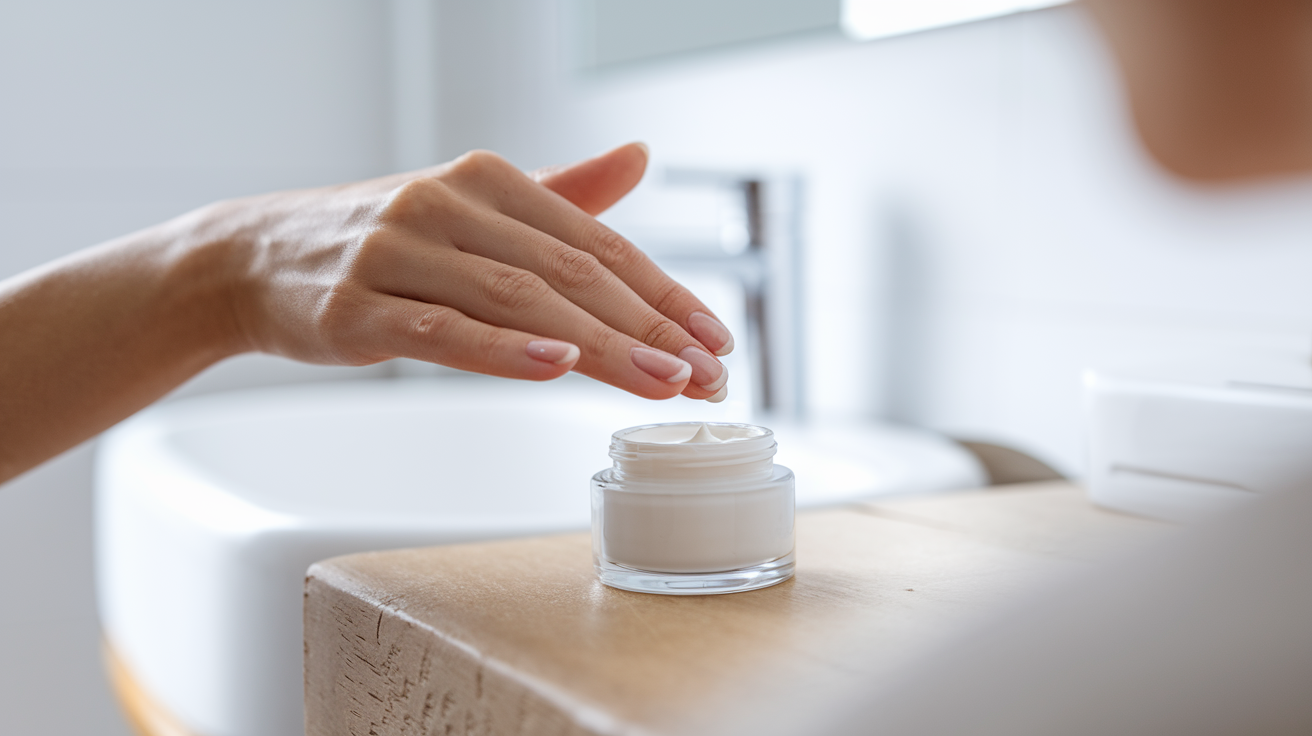
Most dermatologists recommend applying eye cream twice daily: once in the morning and once at night. This isn't a marketing ploy. It's rooted in how skin behaves throughout the day.
Morning application prepares the delicate eye area for environmental stressors like UV exposure, screen time, and pollution. Evening application supports the skin's natural repair cycle, which peaks during sleep.
That said, twice daily isn't a rigid rule. Some people with sensitive skin or rosacea-prone complexions do better with once-daily use, typically at night. Others with very dry or mature skin might benefit from layering a lighter eye gel in the morning and a richer cream at night.
The key is consistency. Applying eye cream sporadically won't give you the same smooth, hydrated look as daily use over weeks and months.
If you're just starting out and want a simple routine that addresses multiple under-eye concerns without trial and error, check out this affiliate one for a step-by-step breakdown.
Morning Application: Why Timing Matters for Day Protection
Morning eye cream isn't just about hydration. It's about creating a protective barrier that helps the thin skin around your eyes handle the day ahead.
Apply your eye cream right after cleansing and before sunscreen or makeup. The skin around your eyes is still slightly damp from washing, which helps the product absorb better. Pat it gently along the orbital bone, avoiding tugging or rubbing.
Look for formulas with antioxidants like vitamin C, niacinamide, or green tea extract. These ingredients help reduce the appearance of environmental damage and keep the under-eye area looking brighter and less tired throughout the day.
If you wear makeup, give your eye cream about two to three minutes to settle before applying concealer. This prevents pilling and helps your makeup sit smoother on the skin.
Avoid heavy, oil-based creams in the morning if you have oily or combination skin. They can cause makeup to slide or create that shiny, greasy look by midday. A lightweight gel or serum-cream hybrid works better for daytime use.
Tired of seeing under-eye lines before you see yourself?
If the tiny creases under your eyes make you look more tired than you feel, this guide shows the simple under-eye routine that helps soften the look of dry lines, crepey texture, and tired skin without guessing or wasting weeks on random products.
Evening Application: Maximizing Overnight Repair Benefits
Nighttime is when your skin does its deepest repair work. That's why evening eye cream application is non-negotiable if you want smoother-looking, more refreshed eyes over time.
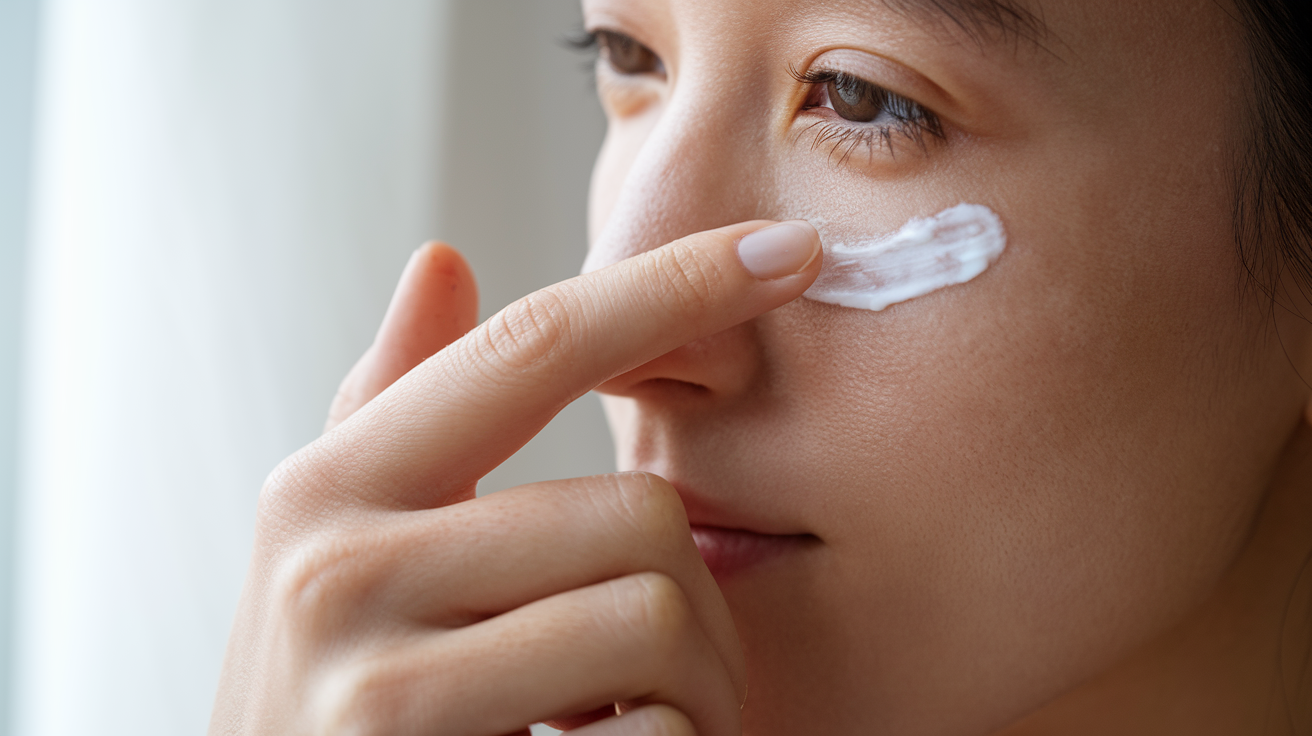
After cleansing and applying any serums, gently pat your eye cream around the orbital bone. Use your ring finger for the lightest touch. The skin here is delicate, and aggressive rubbing can contribute to sagging and irritation.
Evening formulas can be richer and more emollient than daytime products. Ingredients like peptides, retinol, ceramides, and hyaluronic acid work well at night because they have uninterrupted hours to penetrate and support the skin barrier.
If you use a retinol eye cream, start with two to three nights per week and build up slowly. Retinol can help reduce the appearance of fine lines and crepey texture, but it can also cause dryness or flaking if overused too quickly.
Don't skip this step even if you're exhausted. A quick 30-second application before bed adds up to real visible improvement in how hydrated and smooth your under-eye area looks.
Adjusting Frequency Based on Your Skin Type and Concerns
Not everyone needs the same eye cream routine. Your skin type, age, and specific concerns should guide how often you apply and what texture you choose.
Dry or mature skin: Twice daily is ideal. Use a richer cream at night and a hydrating gel-cream in the morning. Look for ingredients like squalane, shea butter, and ceramides to support moisture retention and reduce the appearance of crepey skin.
Oily or acne-prone skin: Once daily at night might be enough, especially if heavy creams cause milia or clogged pores. Choose lightweight, non-comedogenic formulas with niacinamide or caffeine.
Sensitive skin: Start with once daily and watch for redness, stinging, or irritation. Fragrance-free, minimal-ingredient formulas work best. Avoid retinol or strong acids until your skin builds tolerance.
Concerns like dark circles or puffiness: Twice daily application can help, especially with caffeine-based eye creams in the morning to reduce the look of puffiness. Consistency is more important than quantity.
If you're dealing with multiple under-eye issues and want a clear plan that actually works with your routine, this affiliate one breaks it all down in simple steps.
Remember, more product doesn't mean faster improvement. A pea-sized amount split between both eyes is plenty. Overloading the area can lead to irritation, milia, or that puffy look that makes concealer crease even worse.
The best frequency is the one you can stick with. Whether that's once or twice a day, consistency over weeks and months is what helps your under-eye area look smoother, more hydrated, and less tired over time.