Disclosure: This post contains affiliate links. We may earn a commission at no extra cost to you.
How Long Does Eye Cream Take to Work? Real Timeline Results
Published August 31, 2026
Are you staring at that eye cream jar wondering when you'll actually see a difference? You're not alone. Most people give up on eye cream after a week or two because they don't know what to expect or when. The truth is, eye cream works on different timelines depending on what you're trying to address. Some changes happen within days, while others take months to become visible. Understanding this timeline helps you stay consistent and know exactly what to look for at each stage.
Understanding Eye Cream Absorption and Initial Changes (Days 1-7)
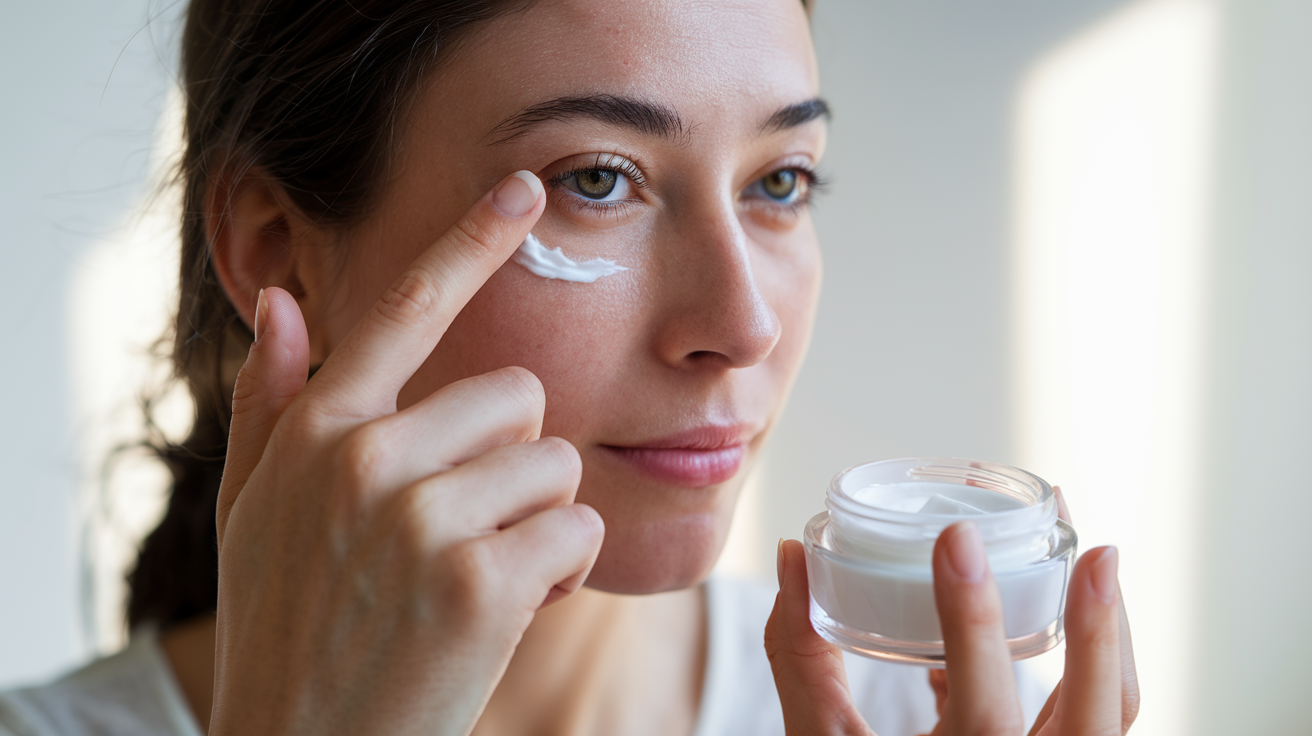
The first week is all about absorption and surface-level moisture. Your skin is learning to accept the new formula, and you're figuring out how much to use and when to apply it.
Within the first few days, you might notice your under-eye area feels softer to the touch. This isn't dramatic transformation—it's simply your skin responding to consistent hydration. If your eye cream contains hyaluronic acid or glycerin, you'll feel this faster because these ingredients pull water into the skin immediately.
Some people experience slight sensitivity or tingling during the first week, especially if the formula contains retinol or peptides. This usually settles as your skin adjusts. If it doesn't, the formula might be too strong for your eye area.
Don't expect visible changes yet. The first week is about building a routine and making sure the product doesn't irritate your skin. Take a photo on day one so you have a real comparison later.
When Hydration and Plumping Effects Appear (Weeks 2-4)
This is when most people start noticing something. The under-eye area looks less dry, and fine lines caused by dehydration start to look softer.
If your eye cream has caffeine, you might notice less puffiness in the mornings. Caffeine constricts blood vessels temporarily, which can make the area look less swollen. This effect is most visible if you apply your cream right after waking up.
By week three, makeup application often feels smoother. Concealer stops settling into dry lines as much because the skin is better hydrated. This is one of the first real-world signs that your eye cream is doing something.
Plumping ingredients like peptides and ceramides start to make the skin look a bit fuller during this phase. It's subtle, but the under-eye area may look less hollowed or crepey compared to week one. Check out this affiliate one to see which ingredients work best for different skin concerns.
Tired of seeing under-eye lines before you see yourself?
If the tiny creases under your eyes make you look more tired than you feel, this guide shows the simple under-eye routine that helps soften the look of dry lines, crepey texture, and tired skin without guessing or wasting weeks on random products.
Visible Wrinkle and Dark Circle Reduction (Months 2-3)
This is the phase most people are waiting for. After eight to twelve weeks of consistent use, deeper changes start to show up.
If your eye cream contains retinol, vitamin C, or niacinamide, this is when you'll see the most improvement in texture and tone. Fine lines may look softer, and the skin around your eyes might appear smoother overall.
Dark circles take longer to improve because they're often caused by pigmentation, thin skin, or visible blood vessels. Vitamin C and niacinamide can help reduce the appearance of pigmentation over time, but genetic dark circles won't completely fade. What you will notice is that the area looks brighter and less shadowed.
Crepey texture improves during this window too. Retinol and peptides help support skin structure over time, which can make the under-eye area look less fragile and more resilient. This doesn't mean wrinkles vanish—it means the skin looks healthier and less paper-thin.
Keep using the same product. Switching formulas now will reset your progress. If you're not sure which active ingredients to prioritize, this affiliate one breaks down the most effective options by skin type.
Long-Term Skin Transformation and Maintenance (Month 4 and Beyond)
After three to four months, you're in maintenance mode. The visible improvements you've gained need consistent care to stick around.
Long-term use of eye cream helps protect the delicate under-eye area from environmental stress, dryness, and the natural aging process. You won't see dramatic new changes every month, but you'll maintain smoother-looking, more hydrated skin compared to where you started.
Some people notice that their eyes look less tired overall. This isn't just about wrinkles—it's about the skin looking plumper, more even-toned, and better cared for. The cumulative effect of daily moisture, antioxidants, and active ingredients adds up over time.
If you stop using eye cream after four months, the benefits will gradually fade. The skin will return to its baseline state, especially if you're not replacing the eye cream with another hydrating product.
At this stage, consider adjusting your routine based on the season. Your under-eye area may need richer formulas in winter and lighter gels in summer. Listen to your skin and make small tweaks as needed.
The timeline for eye cream results is longer than most people expect, but it's also more predictable than you might think. Hydration shows up first, texture improves next, and long-term benefits take consistent effort. If you're three weeks in and not seeing miracles, that's normal. Give it the full twelve weeks before deciding whether your eye cream is working.