Disclosure: This post contains affiliate links. We may earn a commission at no extra cost to you.
Why Caffeine Eye Cream Is Your Secret Weapon Against Under Eye Bags and Dark Circles
Have you ever looked in the mirror after a full night's sleep and still wondered why your under-eye area looks tired? If you've tried brightening concealers and cold spoons with minimal results, you might be missing one of the most effective ingredients hiding in plain sight: caffeine.
Caffeine eye creams have become a staple in many skincare routines, and for good reason. This familiar ingredient does more than wake you up in the morning—it can help address puffiness, reduce the appearance of dark circles, and protect the delicate skin around your eyes from environmental stressors.
Let's explore why caffeine deserves a permanent spot in your eye care routine.
How Caffeine Reduces Under Eye Puffiness and Inflammation
That puffy, swollen look under your eyes isn't just about how much sleep you got last night. It's often caused by fluid retention and temporary inflammation in the delicate under-eye area.
Caffeine works as a natural vasoconstrictor, meaning it can help tighten blood vessels temporarily. When applied topically, this may help reduce the appearance of fluid buildup that causes puffiness.
The ingredient also has natural anti-inflammatory properties that can help calm swollen-looking skin. This is why many people notice their eyes look less puffy after using a caffeine eye cream, especially when applied in the morning.
Here's what makes caffeine particularly effective for morning puffiness:
It works quickly when applied topically, making it ideal for your morning routine before makeup application. The cool sensation of many caffeine eye creams also feels refreshing on tired eyes.
For best results, store your caffeine eye cream in the refrigerator. The combination of cold temperature and caffeine's natural properties can help create a more awake appearance around the eyes.
Keep in mind that caffeine addresses temporary puffiness rather than structural under-eye bags, which are often related to fat pad repositioning that happens with aging.
The Science Behind Caffeine Constricting Blood Vessels for Dark Circles
Dark circles can make you look exhausted even when you feel fine. While genetics, skin tone, and bone structure all play a role, visible blood vessels under the thin skin around your eyes often contribute to that shadowy appearance.
Caffeine's ability to temporarily constrict blood vessels means it may help reduce the appearance of darkness caused by visible vasculature. When blood vessels appear less prominent, the under-eye area can look brighter and less shadowed.
This is particularly helpful for blue or purple-toned dark circles, which are often caused by blood pooling in the delicate capillaries under your eyes.
However, it's important to understand that caffeine works best for vascular dark circles. If your dark circles are caused by hyperpigmentation or hollowing, you might need additional ingredients like vitamin C, niacinamide, or retinol alongside your caffeine eye cream.
Many people find that consistent use of a caffeine eye cream creates a more refreshed appearance over time. The key is managing expectations—caffeine can help reduce the appearance of darkness, but it won't completely transform genetic dark circles.
For a comprehensive approach to addressing tired-looking eyes, consider exploring affiliate one that combines multiple targeted ingredients.
Tired of seeing under-eye lines before you see yourself?
If the tiny creases under your eyes make you look more tired than you feel, this guide shows the simple under-eye routine that helps soften the look of dry lines, crepey texture, and tired skin without guessing or wasting weeks on random products.
Caffeine's Antioxidant Properties for Anti-Aging Eye Area Protection
Beyond addressing puffiness and dark circles, caffeine offers protective benefits that support long-term skin health around your eyes.
Caffeine is a potent antioxidant that can help protect skin from environmental stressors like UV exposure and pollution. The skin around your eyes is thinner and more vulnerable than the rest of your face, making antioxidant protection particularly valuable in this area.
Free radicals from sun exposure and environmental pollution can accelerate the visible signs of aging around your eyes. Antioxidants like caffeine work by neutralizing these unstable molecules before they can cause damage to your skin cells.
Research suggests that topical caffeine may also support the skin's natural barrier function. A stronger barrier means better moisture retention and more resilient-looking skin that's less prone to showing fine lines from dehydration.
Some caffeine eye creams combine this ingredient with other antioxidants like vitamin E, green tea extract, or ferulic acid for enhanced protection. This multi-antioxidant approach creates a more comprehensive shield against daily environmental stressors.
While caffeine won't reverse existing signs of aging, incorporating it into your routine as part of a preventive strategy can help maintain a smoother-looking eye area over time.
For those looking to build a complete eye care routine that addresses multiple concerns, affiliate one can provide a structured approach to layering products effectively.
Best Ways to Use Caffeine Eye Cream in Your Skincare Routine
Having the right product is only half the battle—knowing how to use it properly makes all the difference.
Apply your caffeine eye cream after cleansing and toning, but before heavier moisturizers. This allows the active ingredients to penetrate effectively without having to work through thicker barrier products.
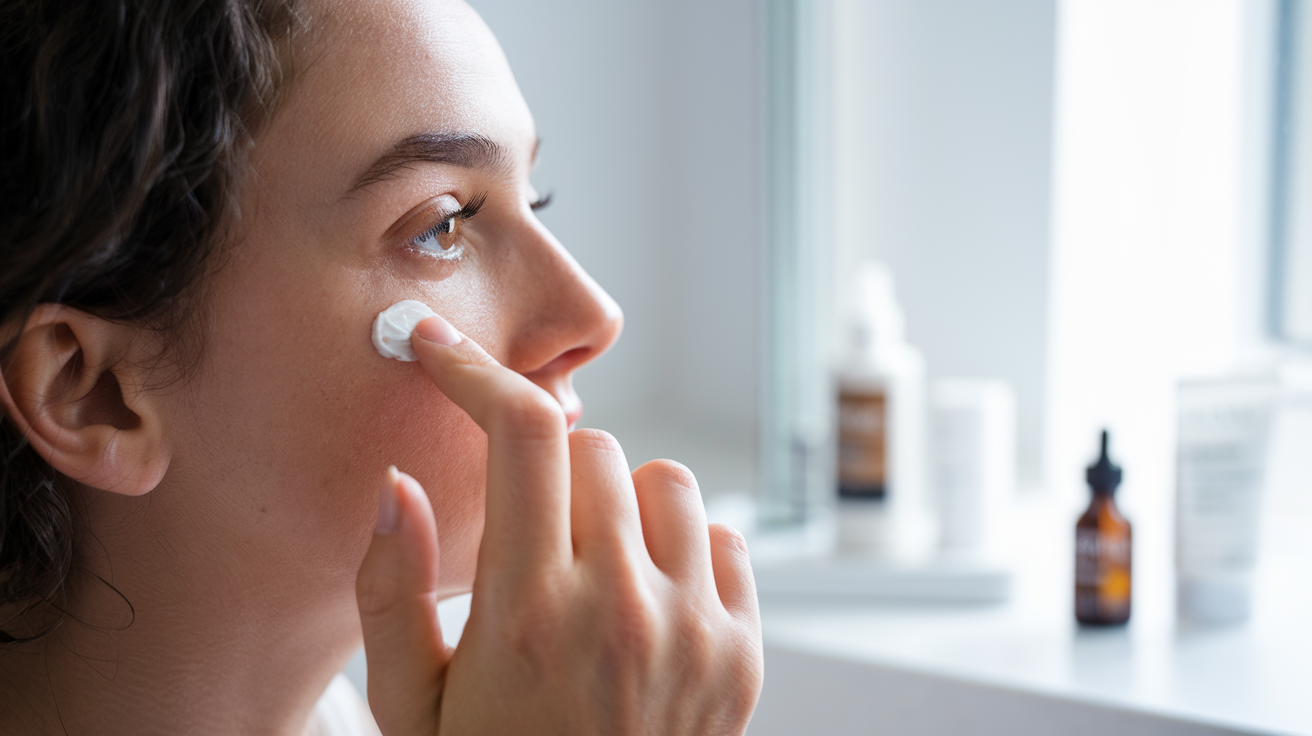
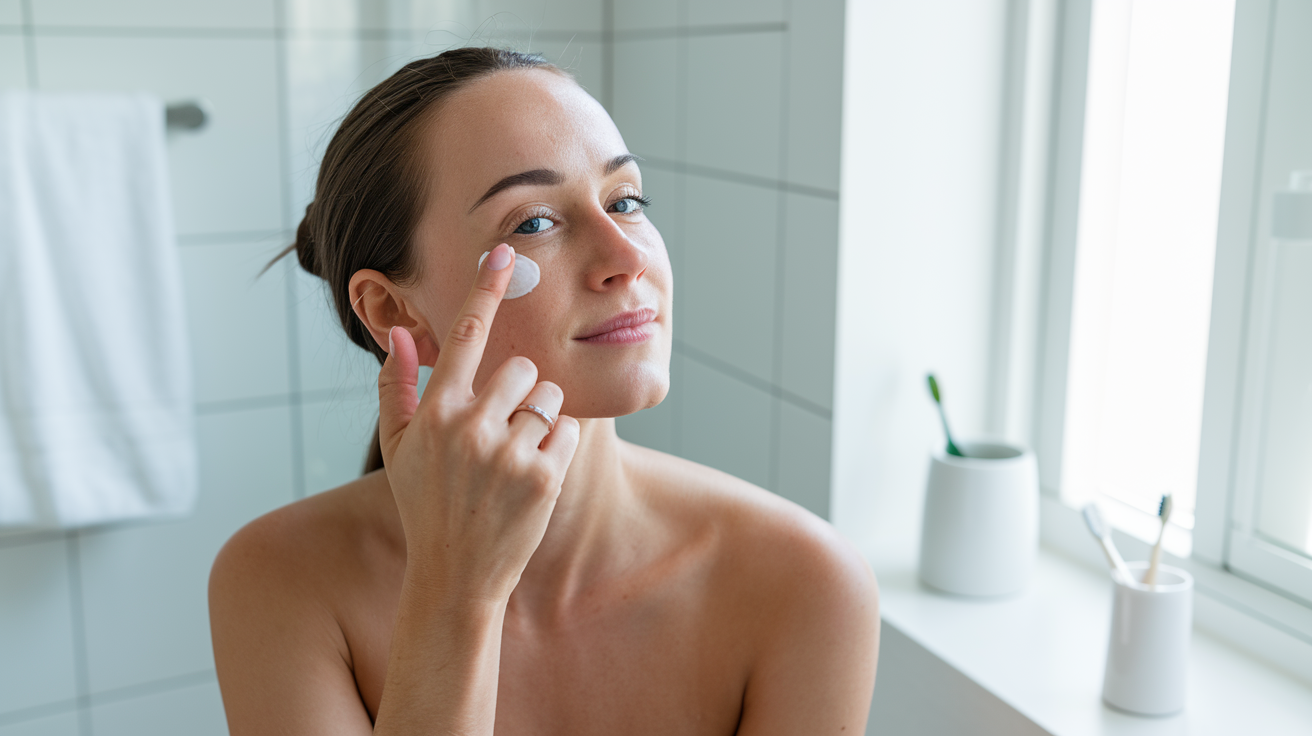
Use your ring finger to gently pat the cream around the orbital bone, starting from the inner corner and moving outward. Avoid pulling or tugging at this delicate skin, which can contribute to premature fine lines.
Morning application is ideal for caffeine eye creams since they target puffiness that often appears after sleeping. However, you can also use them at night as part of your anti-aging routine to benefit from the antioxidant properties.
Don't apply eye cream directly on your eyelid unless the product specifically states it's safe for that area. Focus on the under-eye area and along the orbital bone where concerns like puffiness and dark circles typically appear.
Give the product a moment to absorb before applying sunscreen or makeup. Rushing this step can cause pilling and reduce the effectiveness of your eye cream.
Consistency matters more than quantity. A pea-sized amount divided between both eyes is typically sufficient. Using too much product won't deliver better results and may lead to irritation or milia formation.
If you're using other active ingredients like retinol or vitamin C in your eye area, introduce caffeine eye cream gradually to ensure your skin tolerates the combination well.
Store your caffeine eye cream properly—some people prefer keeping it refrigerated for an extra cooling effect, while others find room temperature works just fine. Either way, keep it away from direct sunlight to preserve the ingredient integrity.
Remember that caffeine eye cream works best as part of a comprehensive approach that includes adequate sleep, hydration, sun protection, and a balanced skincare routine. No single product can address every concern, but caffeine makes a valuable addition to your eye care arsenal.
With consistent use and proper application, caffeine eye cream can help you achieve a more refreshed, less tired-looking eye area that better reflects how you actually feel.