Disclosure: This post contains affiliate links. We may earn a commission at no extra cost to you.
How Long Does Eye Cream Take to Work? A Realistic Timeline for Results
Ever stare at your reflection and wonder if that expensive eye cream is doing anything at all? You're not alone. Most people expect instant results, then feel disappointed when their dark circles or fine lines don't vanish overnight. The truth is, eye cream works on a timeline—and understanding that timeline helps you stick with products long enough to actually see benefits.
Different ingredients work at different speeds. Some deliver quick hydration that makes skin look plumper within hours. Others need weeks or even months to help reduce the appearance of deeper concerns. If you've been using eye cream for only a few days and feel frustrated, you might just need more time.
Let's walk through exactly what happens at each stage, so you know what to expect and when.
Understanding Eye Cream Absorption: The First 24-48 Hours
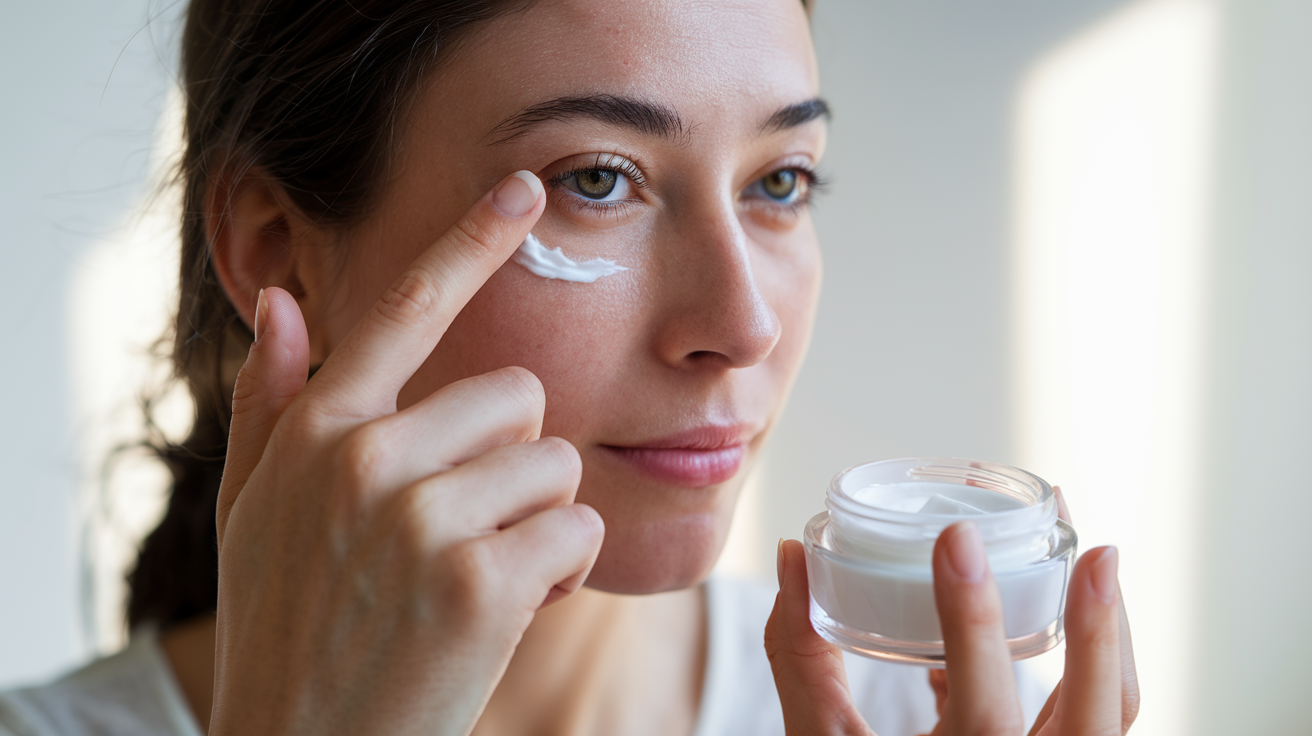
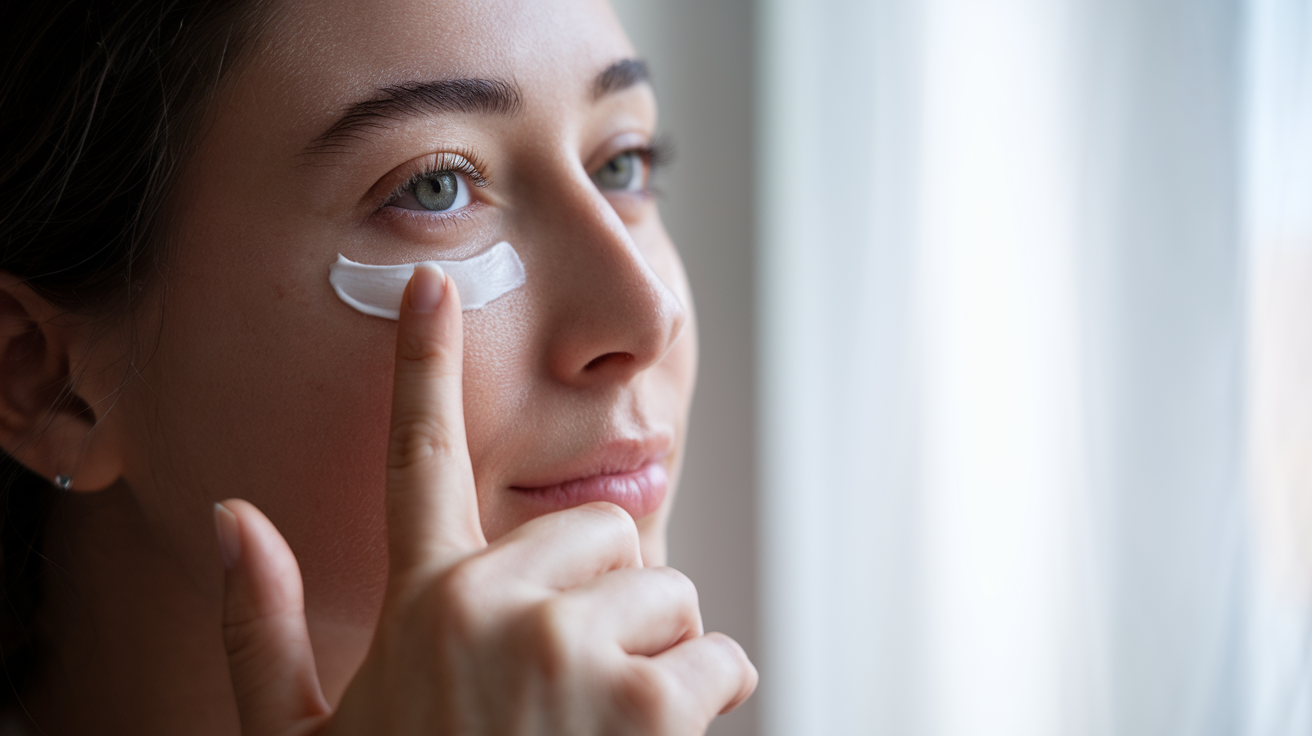
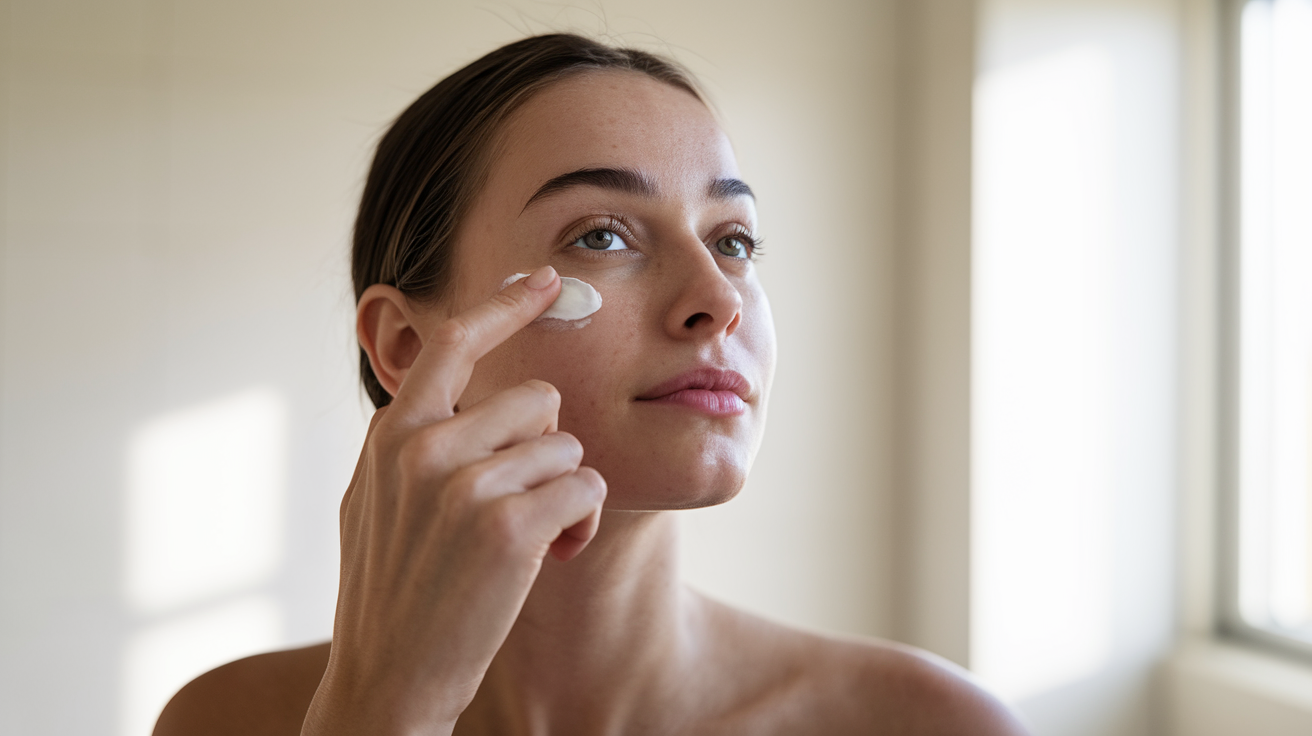
When you first apply eye cream, your skin starts absorbing it within minutes. The delicate skin around your eyes is thinner than the rest of your face, which means ingredients can penetrate faster—but it also means this area shows signs of fatigue and dehydration more quickly.
In the first day or two, you'll mostly notice surface-level changes. If your eye cream contains hyaluronic acid or glycerin, you might see immediate plumping and smoother-looking texture. These humectants pull moisture into the skin, which can temporarily soften the appearance of fine lines caused by dryness.
Your under-eye area might also feel more comfortable. If you've been dealing with tightness, flaking, or makeup that settles into creases, a good hydrating formula can make a noticeable difference right away.
But don't expect miracles yet. At this stage, you're mostly seeing hydration benefits—not structural changes to collagen, elasticity, or pigmentation.
Week 1-2: Immediate Hydration and Texture Improvements
By the end of week one, consistent use starts to build on those initial hydration benefits. Your skin barrier has had time to adjust to the new product, and moisture levels become more stable throughout the day.
This is when most people notice their under-eye area looks less tired. Skin appears smoother, and makeup goes on more evenly. If you were dealing with crepey texture or dry patches, those should start to improve.
Caffeine-based eye creams often show their best results during this window. Caffeine helps reduce the appearance of puffiness by temporarily constricting blood vessels. If you've been applying your cream every morning, you might see less noticeable bags or a more refreshed look overall.
Niacinamide is another ingredient that works relatively quickly. It helps support the skin barrier and can start to brighten the under-eye area within the first two weeks, making dark circles appear less obvious.
Still, deeper concerns like established fine lines, significant pigmentation, or loss of firmness won't budge much yet. Those require ingredients that work deeper in the skin—and those take longer.
Tired of seeing under-eye lines before you see yourself?
If the tiny creases under your eyes make you look more tired than you feel, this guide shows the simple under-eye routine that helps soften the look of dry lines, crepey texture, and tired skin without guessing or wasting weeks on random products.
Week 3-8: When Peptides and Retinol Start Working
This is the phase where patience pays off. Between weeks three and eight, active ingredients like peptides and retinol begin to show their real benefits.
Peptides are small chains of amino acids that help support the skin's natural collagen production. They don't work overnight, but after about a month of consistent use, many people notice their under-eye area looks firmer and more resilient. Fine lines caused by movement and expression may appear softer.
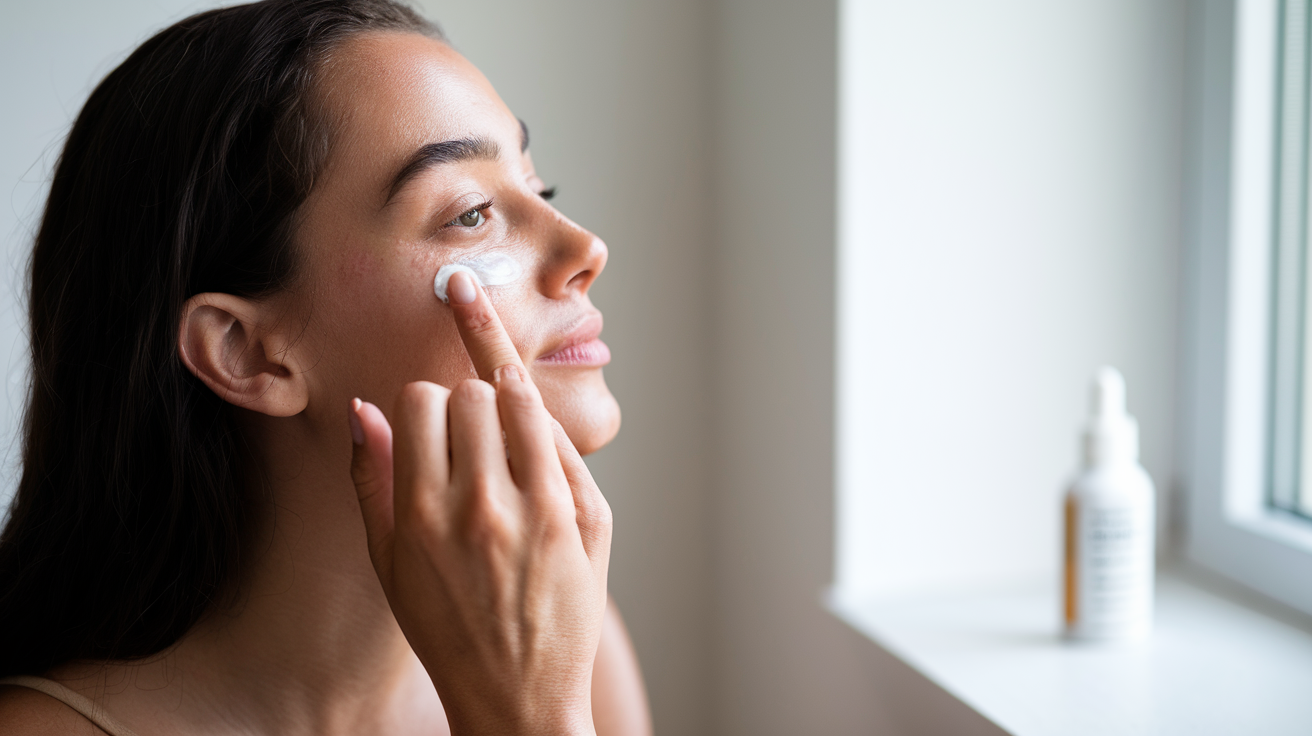
Retinol is one of the most researched anti-aging ingredients, but it's also one of the slowest to deliver visible results. It works by encouraging faster cell turnover, which can help improve texture, tone, and the appearance of fine lines over time. Most dermatologists recommend using retinol-based eye creams for at least six to eight weeks before evaluating results.
If you're using retinol for the first time, you might experience some mild flaking or sensitivity during this window. That's normal. Start slow—every other night or even twice a week—and build up as your skin adjusts.
Vitamin C is another ingredient that shines during this phase. It helps brighten the under-eye area and can reduce the appearance of dark circles caused by pigmentation. Consistent use over four to six weeks often leads to a more even, less shadowed look.
This is also when you'll start to see whether your product actually works for your specific concerns. If you're not noticing any improvement by week eight, it might be time to try a different formula or check in with a skincare professional. For a clearer breakdown of what to look for, check out this affiliate one.
Month 3 and Beyond: Long-Term Anti-Aging Results
Real anti-aging benefits take time. By month three, you're likely seeing the full potential of your eye cream—especially if it contains proven ingredients like retinol, peptides, or vitamin C.
At this stage, fine lines may appear softer and less noticeable. Your under-eye area might look smoother, more even-toned, and less tired overall. If you were dealing with pigmentation or dullness, you should see a brighter, more refreshed appearance.
Collagen and elastin changes happen slowly. While topical products can't rebuild collagen the way professional treatments can, they can help support the skin's natural repair process and protect against further visible aging. Consistent use over several months helps maintain these benefits.
This is also when prevention becomes just as important as correction. Even if you don't have major concerns now, using an eye cream with antioxidants, peptides, or sunscreen during the day helps protect the delicate under-eye area from environmental stressors that contribute to premature aging.
Keep in mind that results plateau. After three to six months, you'll likely reach a maintenance phase where your skin looks its best with continued use, but dramatic new improvements slow down. That's normal—and it's a sign to keep up your routine rather than switch products constantly.
If you want a more detailed roadmap for building an effective under-eye routine that actually addresses your specific concerns, this affiliate one walks you through the exact steps without the guesswork.
The bottom line? Eye cream isn't magic, but it does work—if you give it time. Hydration happens fast. Texture improvements show up within a week or two. Real anti-aging benefits take at least two to three months. Stick with it, stay consistent, and manage your expectations. Your under-eyes will thank you.