Disclosure: This post contains affiliate links. We may earn a commission at no extra cost to you.
Eye Cream Too Thick or Too Thin? How to Choose the Right Texture for Your Under Eye Concerns
Have you ever wondered why your eye cream feels too heavy in summer but disappears too quickly in winter? Or why that gel formula your friend loves just sits on your skin without sinking in?
Texture matters more than most people realize when it comes to eye care. The same ingredients in different formulas can behave completely differently on your under-eye skin. A balm might help soften the look of dry, crepey texture while a gel could feel refreshing but leave you looking just as lined by lunchtime.
Let's break down how to match eye cream texture to what you actually see in the mirror.
Understanding Eye Cream Textures: Gel, Cream, Balm, and Serum
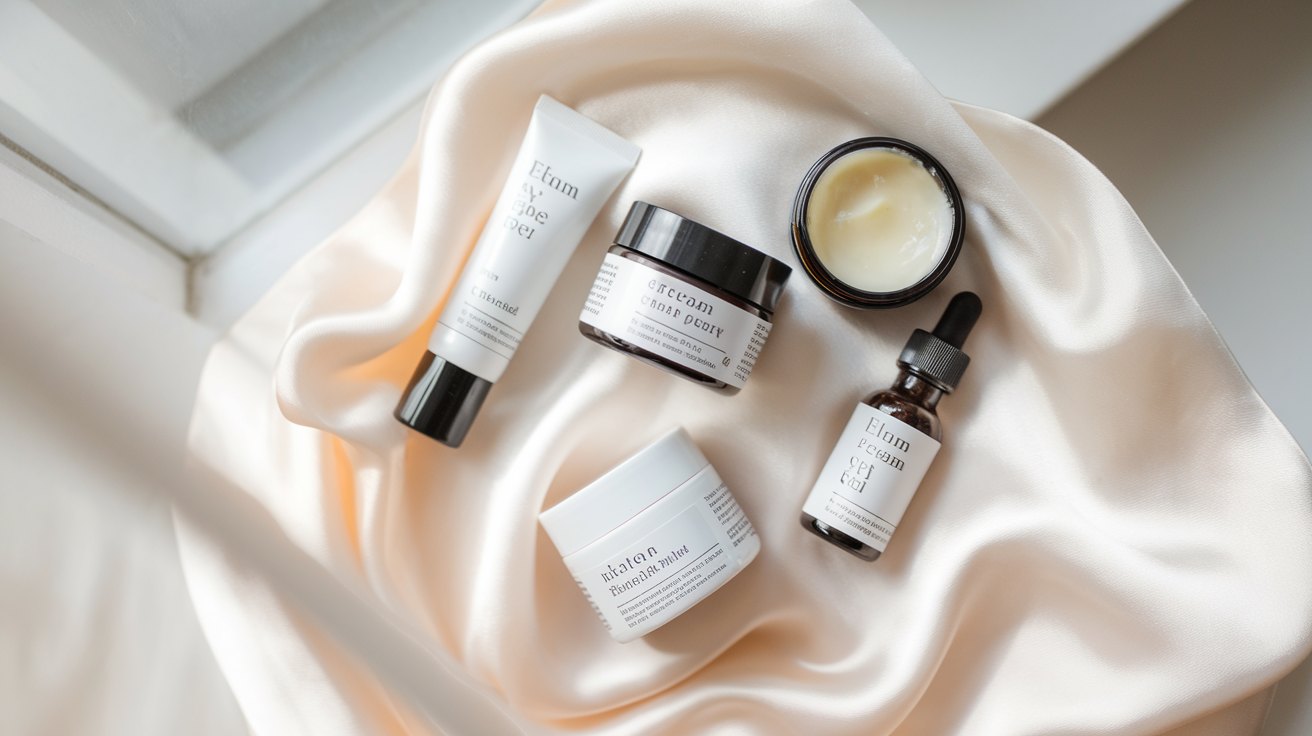
Eye products come in four main textures, and each one works differently on your skin.
Gels are lightweight and water-based. They absorb quickly and feel cooling on contact. They work well for puffiness and can layer nicely under makeup without adding weight. But they don't tend to offer much help for visible dryness or fine lines that come from dehydration.
Creams are the most common texture. They're thicker than gels but lighter than balms. A good cream texture should sink in within a minute or two and leave your under-eye area feeling smooth, not greasy. Creams can support the look of smoother skin when they contain emollients and humectants that help plump the appearance of dry lines.
Balms are the richest option. They often come in a small pot and feel almost waxy at first. Balms take longer to absorb and create a protective layer on your skin. They're ideal for very dry under-eye skin, especially if you see crepey texture or notice makeup settling into lines throughout the day.
Serums are thin and fluid. They're packed with active ingredients but don't have the emollient richness of a cream or balm. Serums are great for layering, but many people find they need to follow up with a cream or balm to lock in moisture and support a smoother-looking finish.
If you're not sure where to start with choosing textures that work for your specific under-eye concerns, this affiliate one walks through exactly how to build a routine that addresses fine lines, dryness, and tired-looking eyes.
Tired of seeing under-eye lines before you see yourself?
If the tiny creases under your eyes make you look more tired than you feel, this guide shows the simple under-eye routine that helps soften the look of dry lines, crepey texture, and tired skin without guessing or wasting weeks on random products.
Matching Cream Consistency to Your Under Eye Concerns
The texture you need depends on what you see when you look closely at your under-eye area.
For fine lines and dryness: Choose a cream or balm. Look for textures that feel rich but not sticky. The under-eye area doesn't produce much oil on its own, so a thicker formula can help create a barrier that keeps moisture in and supports a plumper, smoother-looking surface.
For puffiness: Go with a gel or lightweight serum. Heavy creams can sometimes make puffiness look worse because they add weight and don't absorb quickly. A cooling gel can help the area look and feel less swollen, especially in the morning.
For dark circles: Texture is less important here than ingredients, but a serum layered under a light cream tends to work well. You want something that sinks in completely so makeup doesn't slide around, but you also want enough hydration to keep the skin looking smooth and less shadowed.
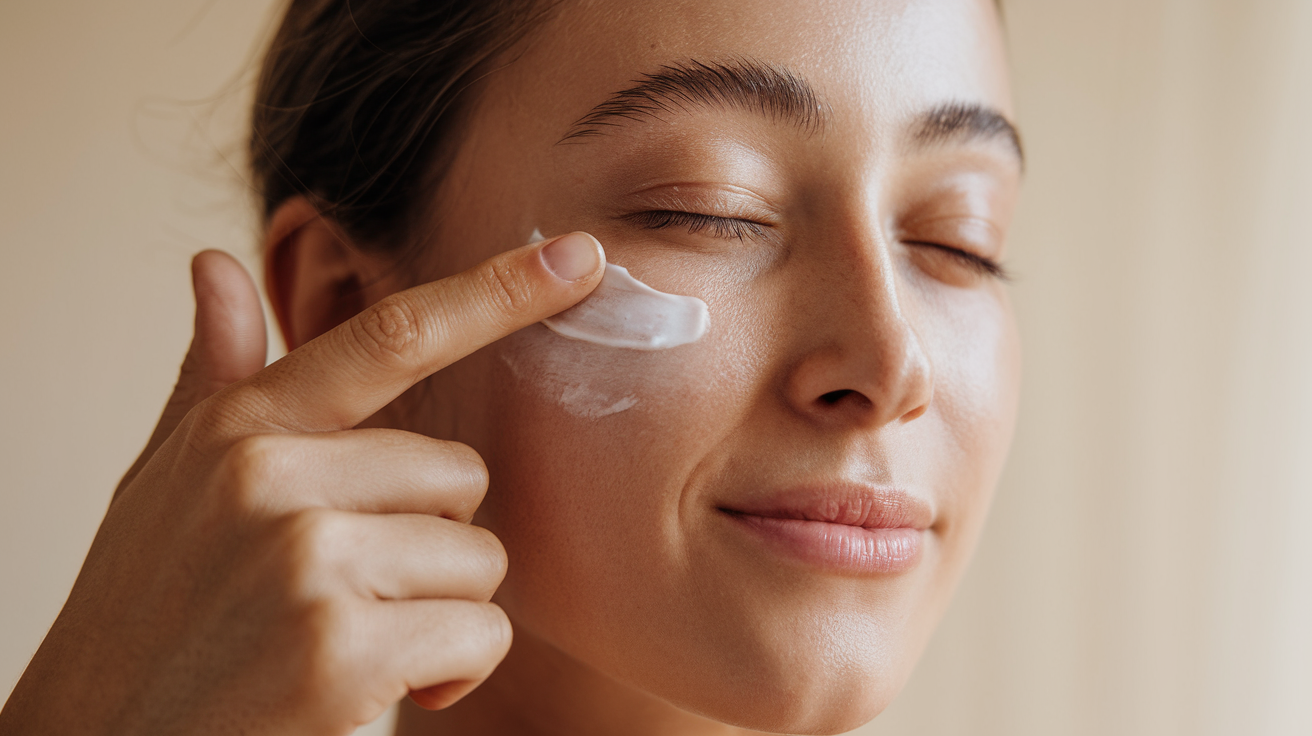
For crepey texture: A balm or very rich cream is your best option. Crepey skin often means the skin barrier needs more support. Thicker textures with nourishing oils and butters can help the skin look softer and less crinkled over time.
For oily or combination skin: Even if your T-zone is oily, your under-eye area is usually dry. A lightweight cream or gel-cream hybrid works well. Avoid anything that feels greasy or takes more than two minutes to absorb.
For mature or aging skin: Look for a cream or balm that feels luxurious but not heavy. As skin ages, it tends to get drier and thinner. A nourishing texture can help reduce the appearance of lines and make the under-eye area look less tired.
You can learn more about pairing the right texture with the right routine in this affiliate one, which covers everything from application techniques to ingredient combinations.
How to Test If Your Eye Cream Texture Is Right for You
Here's how to know if the texture you're using is actually working for your skin.
Check absorption time. Your eye cream should sink in within one to two minutes. If it's still sitting on your skin after five minutes, it's too thick for you. If it disappears in seconds and your skin still feels tight, it's too thin.
Look at your makeup. Does your concealer glide on smoothly or does it catch on dry patches? Does it crease within an hour or stay put most of the day? If your makeup isn't sitting well, your eye cream texture might not be giving your skin what it needs.
Notice how your skin feels by midday.
If your under-eye area feels tight, flaky, or looks more lined than it did in the morning, you need a richer texture. If it looks shiny or feels greasy, go lighter.Pay attention to seasonal changes. What works in January might feel too heavy in July. If your eye cream suddenly feels wrong, it might be time to switch textures, not brands.
Watch for irritation. If a texture pills, stings, or makes your eyes water, it's not right for you no matter how good the reviews are.
Adjusting Your Eye Cream Choice by Season and Skin Changes
Your under-eye skin doesn't stay the same all year, so your texture shouldn't either.
In winter, cold air and indoor heating can make the under-eye area drier and more prone to visible lines. This is when a balm or rich cream makes the most sense. You might even layer a serum under a cream for extra support.
In summer, heat and humidity mean lighter textures work better. A gel-cream or lightweight serum can help your skin look fresh without feeling sticky or making makeup slide off.
During hormonal shifts like perimenopause or postpartum, your skin can change quickly. You might notice more dryness, puffiness, or sensitivity. Don't be afraid to switch textures mid-season if your skin is telling you something feels off.
If you're traveling, especially to a different climate, bring a backup texture. Dry airplane air and hotel heating can leave your under-eye area looking more tired than usual, and a richer balm can help you look more rested even after a long flight.
As you age, your skin's needs will shift. What worked in your thirties might not be enough in your forties. Pay attention to how your skin looks and feels, and adjust your texture as needed.
The right texture can make a huge difference in how your under-eye area looks and feels. It's not about finding the most expensive product or the one with the longest ingredient list. It's about matching the consistency to what your skin actually needs right now.
Start by noticing what you see in the mirror. Then choose a texture that addresses that specific concern. Test it for a week or two, and adjust as your skin or the season changes. That's how you find an eye cream that actually works for you.